Guatemala Antigua Coffee Beans Review: Flavor and Pour-Over Guide
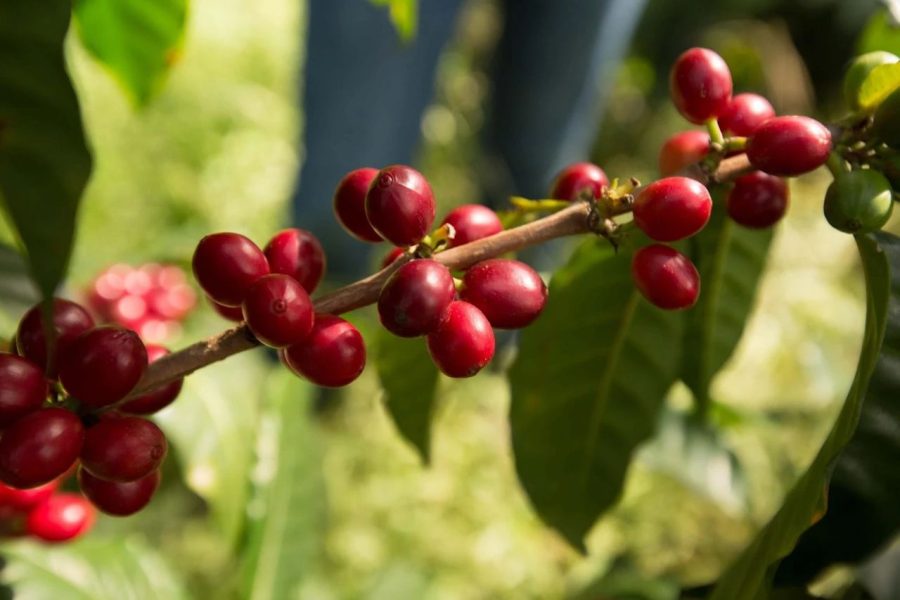
Introduction: Coffee beans from Guatemala's Antigua region are known for their unique volcanic soil and microclimates, producing specialty coffee with layered flavors. This article details the region's core characteristics, from soil conditions to processing methods, analyzes its signature chocolate, nut and smoky flavors, and provides professional pour-over parameter suggestions to help you fully experience the charm of this classic bean.

The Antigua coffee region of Guatemala is located in the country's south-central highlands, surrounded by three active volcanoes—Agua, Fuego and Acatenango. This unique geographical location has created mineral-rich volcanic pumice soil, whose porous structure has excellent water retention. Although frost occasionally occurs in winter and rainfall is lower in summer, the significant diurnal temperature difference formed by the high altitude (usually 10-15°C), together with the shelter of dense shade trees, creates an ideal growing environment for coffee trees.

Coffee from this region is known for its mild, mellow base flavor, typically expressed as chocolate and toffee sweetness, accompanied by elegant floral acidity and a distinctive charcoal-smoky note. These characteristics are especially evident in the washed beans from Alaminita Estate, whose dry aroma often carries layered floral and tea notes; on the palate, one can experience a complete flavor transition from fresh citrus acidity to a honey finish.

The coffee bean processing strictly follows the traditional washed method: first, immature beans are removed by flotation, then the mucilage layer is removed with a pulper. The key fermentation stage lasts 16-36 hours, during which microbial action separates the mucilage from the parchment, after which the residue is rinsed with plenty of clean water. Finally, the green beans must be dried on drying beds until the moisture content stabilizes in the 10-14% range; this precise moisture control directly affects flavor development during subsequent roasting.

The region mainly grows classic varieties such as Bourbon, Caturra and Catuai. Among them, Bourbon, as a variety of Typica, is known for its balanced sweet-tartness and high-quality body; Caturra, although naturally disease-resistant and higher-yielding, places higher demands on cultivation management due to its sweetness and plant stability—fertilization plans must be adjusted every two years and intensive pruning is required. Notably, local estates generally implement scientific cultivation systems, including quarterly soil testing and organic certification, which effectively ensure long-term stability of coffee quality.

For such highly complex beans, a medium roast (Agtron about #65) is recommended as the process balance point: it retains bright citrus acidity and floral-fruity aroma while moderately enhancing body through the Maillard reaction, developing caramel sweetness and a faint smoky finish. In actual tasting, one can observe clear citrus acidity (similar to a combined lime and berry flavor), a silky-smooth body, and mid-to-late palate toffee sweetness balanced by woody notes.

Professional pour-over parameter suggestions: when using a V60 dripper, use coffee beans 4-7 days after roasting (resting period) at a grind size with 80% passing through a No. 20 sieve (approximately the texture of fine granulated sugar). Use a three-stage pouring scheme: first pour 30 g of water for a 30-second bloom, then pour 95 g of water (total about 125 g) over about 1 minute; when the water level drops to two-thirds of the coffee bed, pour the remaining 100 g of water (total 225 g), completing extraction within 2 minutes 10 seconds. Recommended water temperature is 91±1°C, and a coffee-to-water ratio of 1:15 highlights flavor clarity.

Particular attention must be paid to freshness management: the first 5 days after roasting are the degassing period, when flavor compounds have not yet fully polymerized; the optimal drinking window is days 7-21 after roasting, when aromatics and acids reach a golden balance. For storage, use foil bags with one-way degassing valves, keep in the dark at 18-22°C, and avoid storing with strongly scented items such as spices and dairy products. Regularly monitoring the appearance of oil spots on the bean surface (usually appearing 14 days after roasting) can serve as a reference indicator for judging flavor decline.


