Bolivia Coffee Flavor Guide: Yungas Varieties and Processing
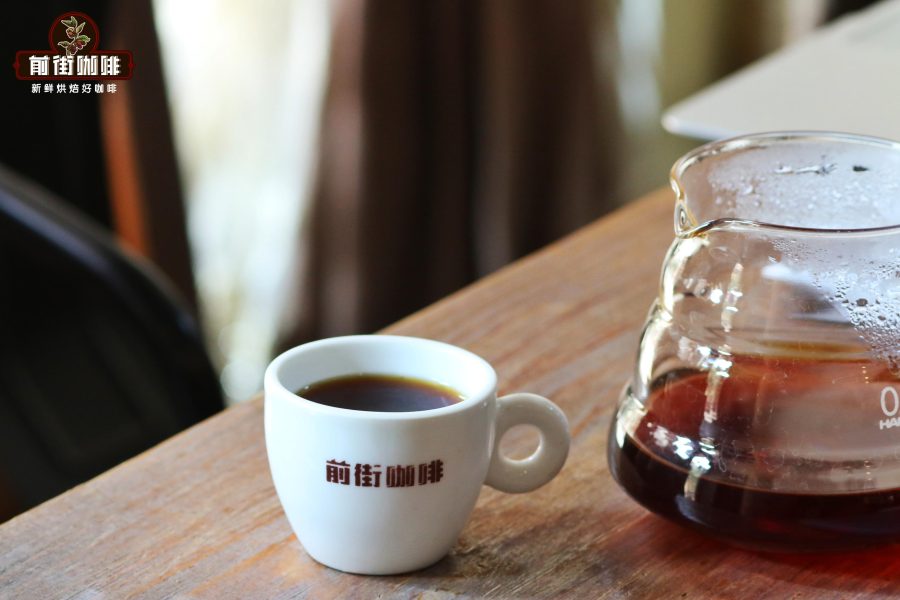
Introduction: Although Bolivia is not a mainstream coffee-producing origin, its high-altitude environment gives rise to distinctive coffee. This article examines the growing conditions of Bolivia's two core regions, the Yungas and La Paz, reveals the secrets of the world's highest-altitude coffee farm, and focuses on the distinctive flavor profile of the Java variety. Through professional cupping data and a detailed look at processing methods, it introduces the specialty coffee potential of this little-known South American origin.
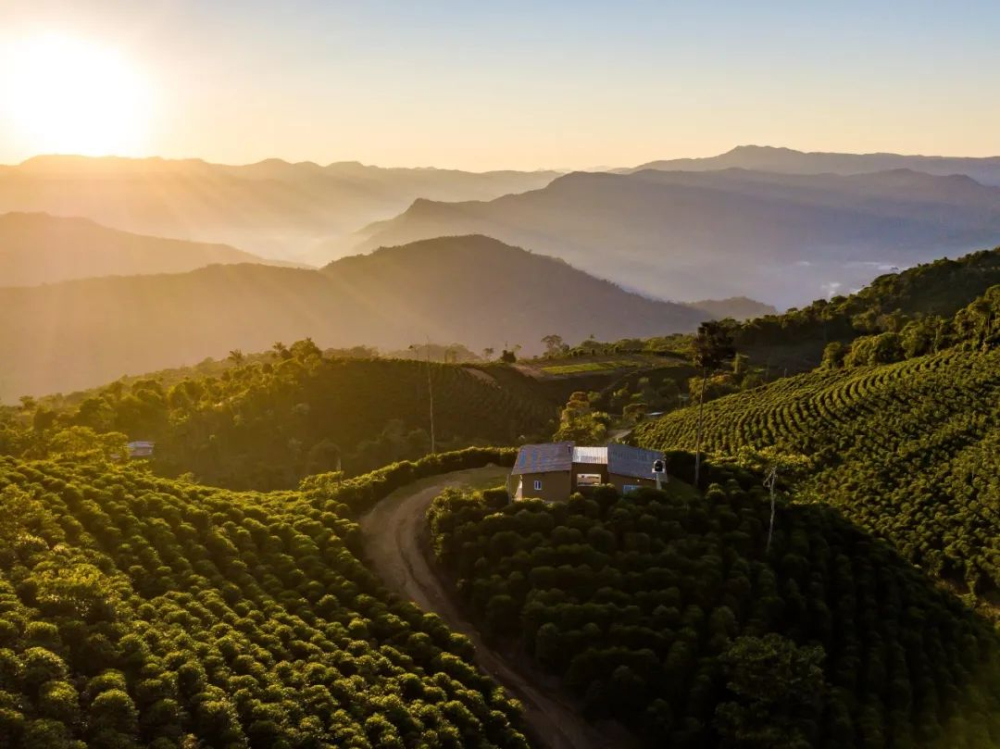
As a relatively little-known coffee-producing country in South America, Bolivia is surrounded by the two coffee giants of Brazil and Peru. Although its annual output accounts for less than 0.1% of the world total, the country's 2,800–2,900 m high-altitude growing belt is an ideal home for Arabica coffee. Bolivia's coffee industry began in the 1880s, initially concentrated in large plantations north of La Paz, and it was not until 1991 that a support program for indigenous coffee farmers was launched.
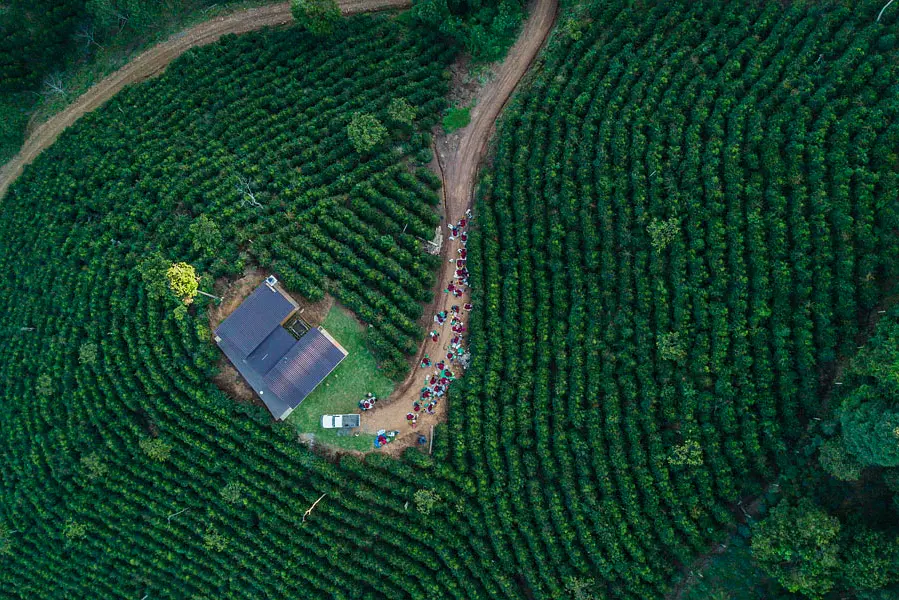
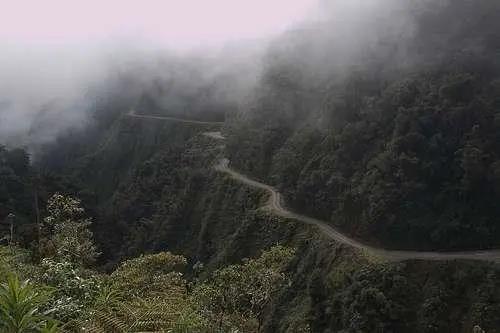
Known as the "plateau country," this nation has one of the world's highest capitals (La Paz, at 3,660 m), and its extreme altitudes actually limit traditional coffee cultivation. The main growing areas are concentrated in the relatively lower-altitude Yungas region (1,600–2,000 m) and around La Paz. The Yungas is known for its treacherous "Death Road," and coffee cherries must be transported long distances to high-altitude processing plants.
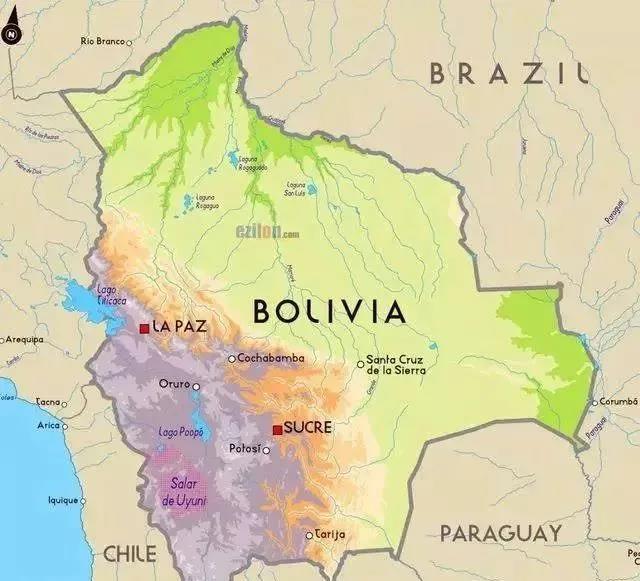
The Yungas region lies on the eastern slopes of the Andes, and its complex terrain creates a unique microclimate. The world's highest-altitude Finca Takesi farm is located here (2,500 m), and its high-altitude coffee typically shows deep sweetness, mild citrus acidity and blackberry notes. By contrast, coffee from slightly lower altitudes shows more balanced chocolate notes and malt aroma.
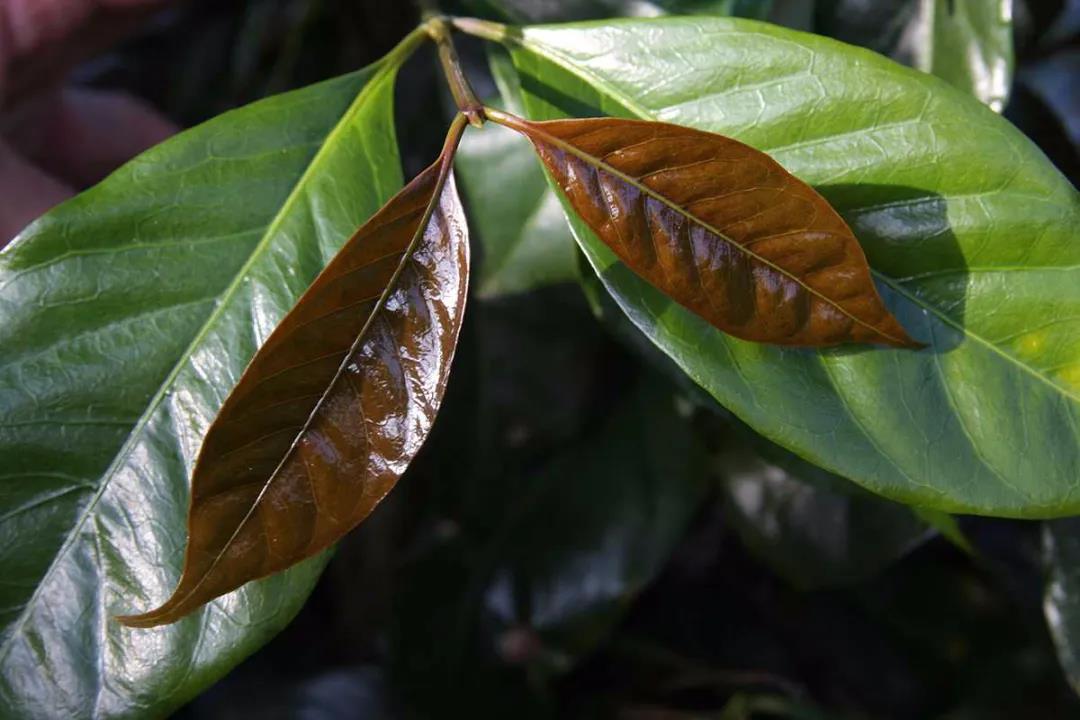
During on-site cupping, it was found that Bolivian coffee's variety selection is quite distinctive. In addition to the common Typica and Caturra, the locally grown Java variety deserves particular attention. This ancient variety, which originated in Ethiopia and spread via Indonesia, has elongated beans and bronze-colored young shoots, and genetic tracing shows it is of the same origin as the variety introduced to Indonesia from Yemen.
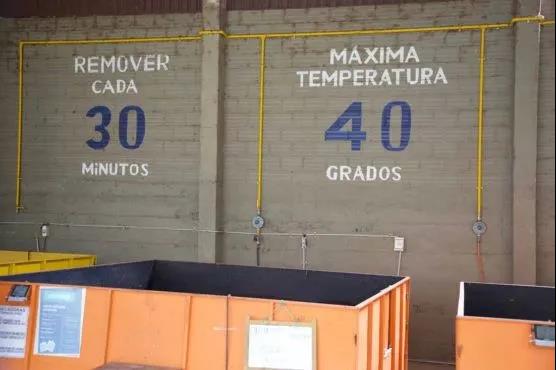
The especially recommended Waliki Estate Java coffee uses an innovative coco natural process: selected ripe cherries are pre-treated in crates, then slowly dried at a low temperature below 40°C for 35 hours in a specially made cocoa dryer, with turning every hour to ensure even drying. This processing method gives the coffee pronounced fermented fruit aromas and a nutty finish, with the optimal flavor window at about 10–21 days after roasting.
The estate is located in the Colonia Polinda outside La Paz and managed by Agricafe, run by the Rodriguez family. Coffee grown at 1,600 m shows the following typical parameters:
• Variety: Java
• Process: Coco Natural
• Altitude: 1,600 m
• Flavor keywords: fermented grape, chocolate and nuts, honey sweetness
Key points on growing the Java variety:
1. Bean shape: long oval, clearly distinct from round-bean varieties
2. Disease resistance: better resistance to leaf rust than traditional Typica
3. Yield characteristics: lower yield per plant but stable quality
4. Best roast level: medium-light (Agtron about 65–70)
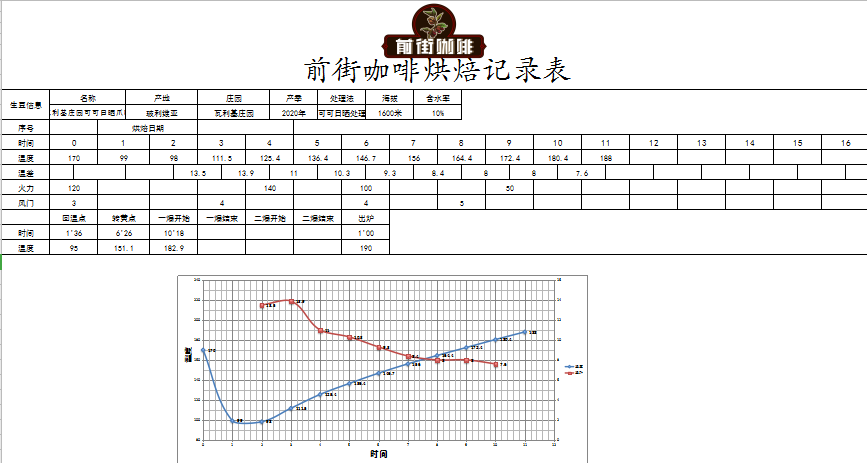
Professional roasting advice: to highlight the fermentation layers brought by the process, a medium-light roast profile is recommended. Specific parameters for reference:
- Yellowing point: 145°C (8:30)
- First crack start: 178°C (11:15)
- First crack development: after 15 seconds, raise to 202°C
- End temperature: 205°C
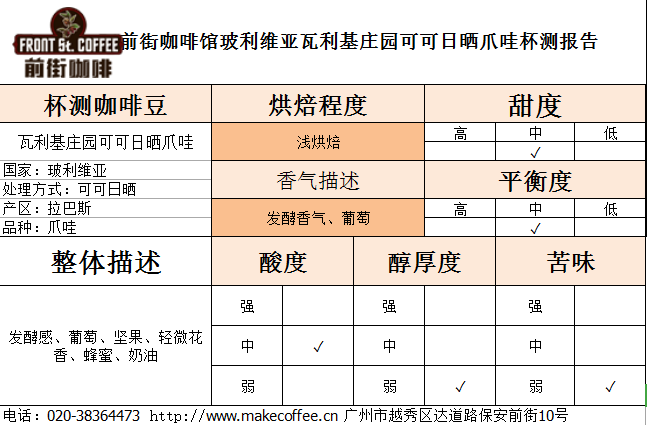
Cupping flavor report (SCAA standard):
Dry aroma: raisin fermentation aroma (intensity 8/10)
Wet aroma: floral and fermented combined notes
Flavor development: initial grape acidity → mid-palate cocoa richness → honey and nut finish
Acidity: bright and soft (pH 5.2–5.4)
Body: medium-thin (Body 6/10)
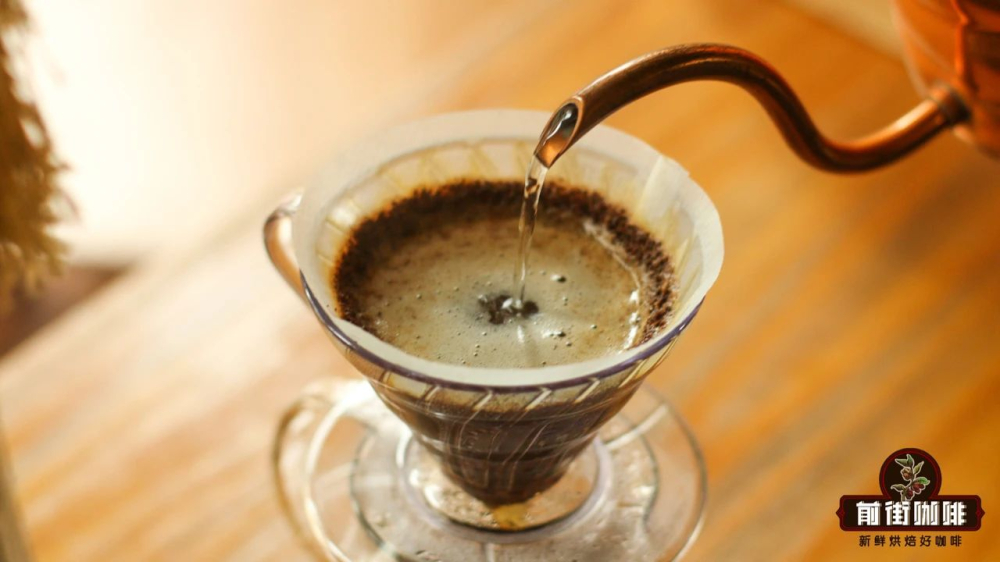
Home brewing recipe (V60 dripper):
• Coffee-to-water ratio: 1:15 (15 g coffee to 225 ml water)
• Grind size: fine sugar (about BG#6M, 75% passing a No. 20 sieve)
• Water temperature: 90–91°C (a key parameter for improving extraction efficiency)
• Staged pouring:
① 30 g bloom (30 seconds)
② 95 g second pour (1:00, water level to 1/2)
③ 100 g final pour (finish pouring at 1:40)
• Total time: 2:00 ±10 seconds
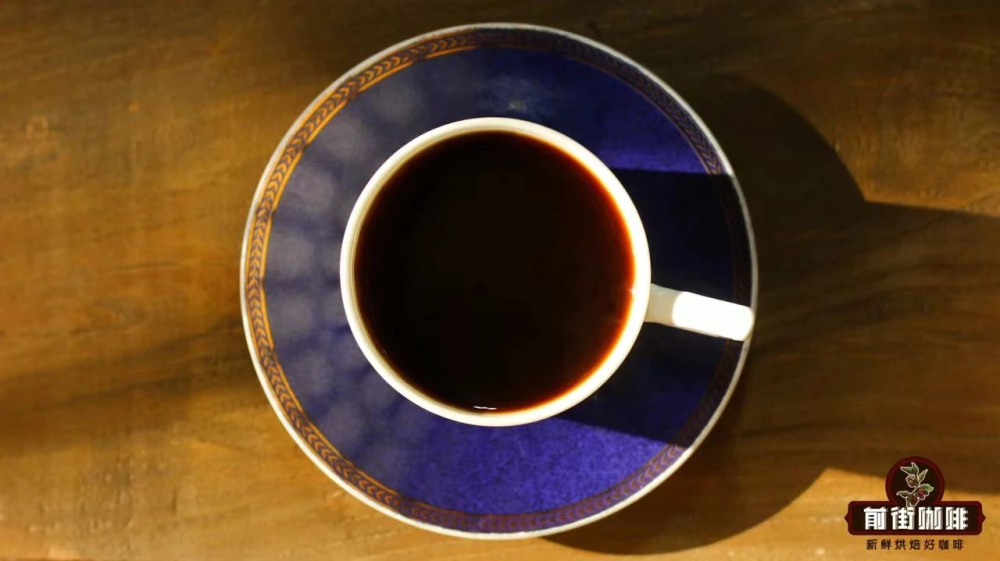
Brewing flavor expression:
• Front: mild fermentation with grape acidity
• Middle: balanced transition of nuts and cocoa
• Finish: honey sweetness and a clean aftertaste
Be careful to avoid over-extraction, which can cause sharp acidity; adjust the grind size to control body.


