Pour-over vs. machine coffee: flavor differences and 5 classic beans
Introduction: How does pour-over coffee differ from coffee made with a machine? From extraction parameters to flavor expression, this article explains the core differences between the two and provides key setup guidance on pour-over temperature, grind size and more. It also recommends 5 classic coffee beans from different origins, covering washed, natural and other processing methods, to help beginners build a systematic understanding of coffee flavor.
In the past, when black coffee came to mind, most people first thought of Blue Mountain or Americano. But among younger consumers, brewing methods that require precise parameter control, such as pour-over coffee, have gradually become popular. Unlike the standardized process of a coffee machine, pour-over coffee allows users to obtain personalized flavors by adjusting water temperature, grind size and pouring technique.

On the question of whether pour-over is better than machine brewing, experimental data show that although the preset parameters of commercial coffee machines (such as a constant 92°C and fixed flow rate) ensure stability, they struggle to adapt to the characteristic needs of different coffee beans. By contrast, pour-over coffee, through fine-tuned parameters (recommended baseline water temperature range 88-94°C), can more flexibly bring out the regional characteristics of the beans.

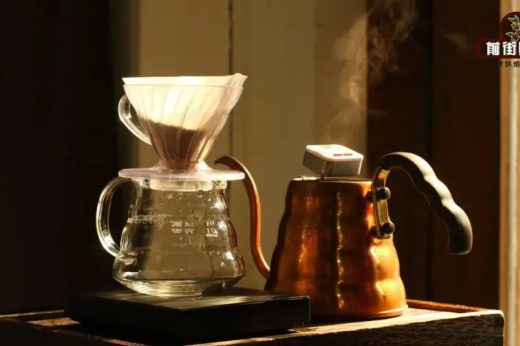
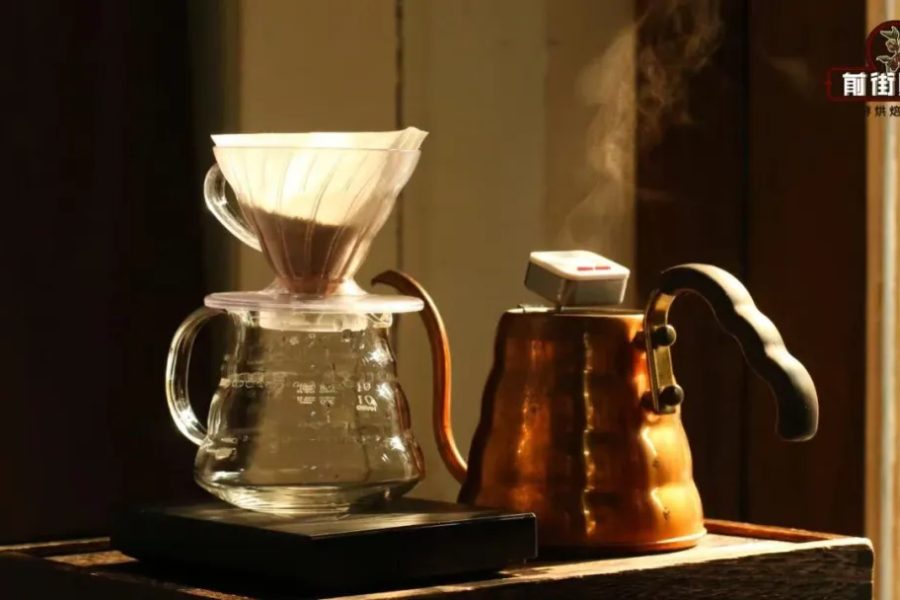
Mastering pour-over technique requires attention to four core elements: water temperature control, grind coarseness, pouring rhythm and equipment choice. Professional enthusiasts often compare this process to a scientific experiment—for example, light-roast beans (with a shorter development period) need 93°C high temperature with a medium-fine grind (80% passing through a No. 20 sieve), but must be paired with a high-flow dripper (such as a V60 conical dripper) to prevent over-extraction; while medium-dark roast beans (such as Mandheling) are suited to 88°C low temperature and a coarse grind (70% passing rate), paired with a low-flow dripper (such as KONO) to highlight body.

Pouring technique directly affects flavor layers. The common three-stage pour (first a 20-second bloom with water poured in the center, then two circular pours up to the target water amount) enhances sweetness and acidity balance more than a single pour (one-cut method). Advanced enthusiasts can try the 46 method (40% of the water for the bloom + 60% added in stages) to increase complexity.

For beginners, it is recommended to start with the following five representative beans:

Ethiopian washed Yirgacheffe (growing region at 1,800-2,000 m elevation, heirloom variety, washed processing) shows distinct citrus notes—recommended brewing parameters: 90°C water temperature / 15 g coffee / 93°C water / 1:15 coffee-to-water ratio; flavor keywords: jasmine floral aroma, citric acidity, black tea finish.
Indonesian wet-hulled Mandheling (Lintong region, Sumatra, 1,100-1,600 m elevation) develops a heavy body due to its special hulling process—lower the water temperature to 88°C and extend the bloom time; flavor profile: dark chocolate, cinnamon spice, herbal notes.

Brazilian Red Bourbon (Cerrado, Minas Gerais, 1,000 m elevation) has prominent sweetness and is suitable for iced coffee—using the pulped natural processing method, recommended parameters: 92°C / medium-coarse grind / 1:16 ratio; flavor: caramel, nuts, creamy texture.
Yunnan Catimor (Baoshan region, 1,200 m elevation) is a locally adapted variety combining body and fruitiness—note the effect of water hardness; recommended parameters: 91°C / fine grind / 1:14 ratio; flavor characteristics: brown sugar sweetness, plum acidity, black tea sensation.
Other notes: 1. Always preheat your equipment before pouring (including the server); 2. Use ground coffee within 15 minutes to prevent oxidation; 3. Different dripper structures (such as flat-bottom/conical) require adjusting the pouring speed; 4. Beginners are advised to use a digital scale for precise measurement (coffee-to-water error within ±2%).