How to Tell If Coffee Beans Are Still Fresh—and Can Re-Roasting Revive Stale Beans?
Introduction: From roasting to brewing, every step affects the final flavor of coffee beans. Freshness is key, but many coffee lovers often encounter the problem of aroma loss caused by storing beans for too long. Through experimental comparison, this article analyzes the patterns of change in coffee bean freshness, explores whether secondary roasting can restore flavor, and provides practical storage advice and brewing parameter references.
The life journey of a coffee bean begins with harvesting on the plantation, passes through careful post-processing to become green beans, is transformed through roasting into the familiar dark beans, and finally releases its flavor through brewing. This process is linked step by step, and every step is irreversible. Recently, a coffee lover tried to rescue coffee beans that had been stored for too long through secondary roasting, hoping to restore their lost aroma.

Because this enthusiast had bought too many coffee beans at once, after several months of storage the beans had not expired but had clearly exceeded their best flavor period, and their originally rich aroma had almost completely disappeared. He had a sudden idea: since coffee beans are roasted, could they be heated again like cooked food to re-awaken the coffee's aroma? This seemingly whimsical idea actually has a certain logical basis.

From the moment they are freshly roasted to the gradual loss of flavor, coffee beans undergo a series of complex chemical changes. Freshly roasted coffee beans contain a large amount of carbon dioxide, and these gases continue to be released from inside the bean. Release is most active in the early stage, which is an important reason for the blooming stage in pour-over coffee and for the formation of crema in espresso. Around days 7 to 10, gas release reaches a relatively stable state; by around day 40 the gas has noticeably decreased, and by about day 60 it has basically been fully released.

The extraction of coffee flavor is closely related to this gas release. In the first few days after roasting, the active gases hinder the release of internal aroma compounds, which is why freshly roasted coffee beans need a period of "resting." After 4 to 7 days, gas release and flavor tend to stabilize, but by 30 to 40 days the flavor compounds begin to decrease noticeably, and by around 60 days they are almost completely lost. Improper storage conditions, such as exposure to air, humid environments, or direct sunlight, will accelerate these changes.

To verify whether secondary roasting can restore the flavor of coffee beans, we selected two types of coffee beans with different roast levels for a comparative experiment: a high-quality single-origin bean with a medium-light roast and a classic variety with a medium-dark roast. The experimental samples were coffee beans stored for about 65 days, compared with the same beans freshly roasted 10 to 25 days earlier.

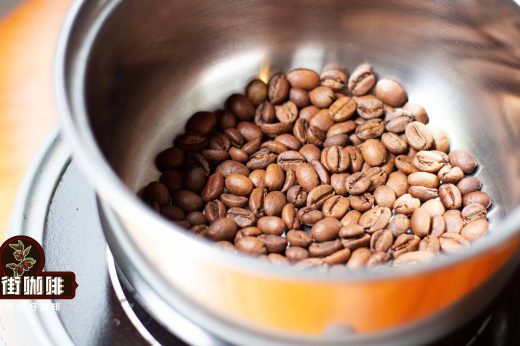
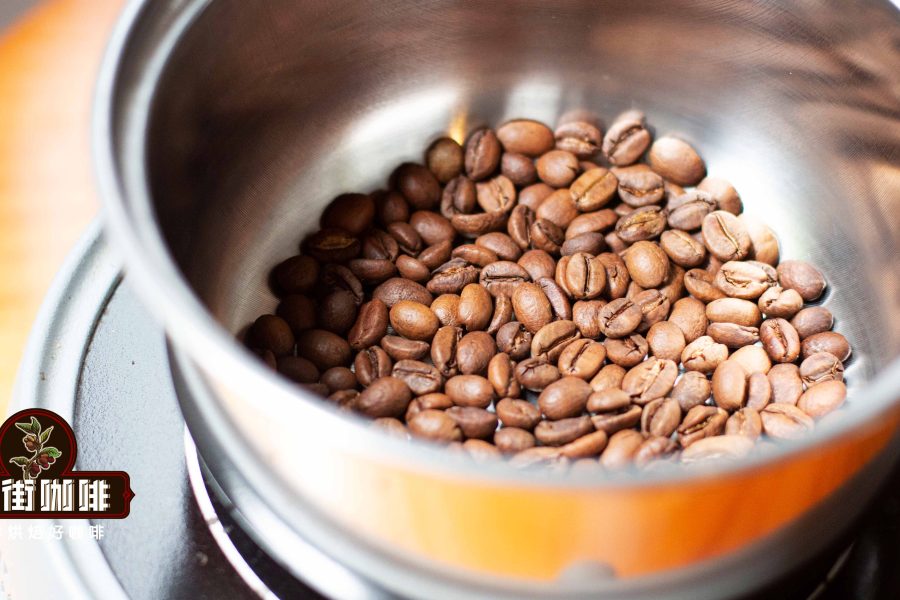
The experimental method was simple: place the longer-stored coffee beans in a pan, heat slowly over low heat while stirring continuously, control the heating time to about 3 minutes, then let the beans cool to room temperature before conducting brewing tests. This method simulated the secondary roasting process that might be carried out in a home environment.

The medium-light roast experimental group showed that fresh coffee beans had a distinct floral and fruity character, with stable gas release during blooming, and after brewing exhibited multi-layered fruit flavors, moderate acidity, and a refreshing mouthfeel. The same beans stored too long and then subjected to secondary roasting, by contrast, had a noticeably darker appearance, with some beans even showing charred black spots. Before brewing, only a faint popcorn and nutty smell could be detected; during blooming, gas release was brief and weak; and the final brewed coffee lacked the original floral and fruity aroma, dominated instead by nutty and caramel notes, with a clear under-roasted, raw taste in the mouthfeel.

The medium-dark roast comparison was equally clear. Fresh coffee beans gave off a distinct roasted nut and spice aroma when ground, expanded fully and persistently during blooming, and after brewing presented a rich caramel aroma, a full body, and flavor characteristics of chocolate and baked bread. By comparison, the same beans stored too long and then re-roasted had an obvious smoky smell even before grinding; although gas was released during blooming, it quickly weakened; and the brewed coffee had a prominent and lingering bitterness, with a one-dimensional flavor dominated mainly by charred aroma.

The experimental results show that secondary roasting cannot truly "revive" the original flavor of coffee beans. For coffee beans that have already passed their best flavor period, even if reheating further carbonizes substances on their surface, the resulting smell is mostly the bitterness brought by charring on the bean surface, rather than the complex aromatic compounds transformed from green beans during roasting. This treatment can at most add some roasted sensation to the coffee, but it cannot restore the rich flavor layers of fresh beans.

The appeal of coffee comes largely from its unique aroma; especially for specialty coffee lovers, freshness directly determines the overall quality of the coffee. This is also why professionals always recommend that consumers buy an appropriate amount according to actual needs and avoid stockpiling too many coffee beans at once.

To fully enjoy delicious coffee, proper storage methods are crucial. Coffee beans should be stored in a cool, dry, and dark environment; ideally, packaging bags with one-way exhaust valves can be used, which can release carbon dioxide while preventing oxygen from entering. If you purchase large packages, it is recommended to divide the beans into small airtight containers and take out only the amount you will use in the near future each time.

Overall, although the idea of rescuing expired coffee beans through secondary roasting is creative, the actual effect is not ideal. Rather than trying to revive coffee beans that have lost their flavor, it is better to establish a reasonable purchasing plan to ensure that you can enjoy coffee at its best flavor state every time. Remember, freshly roasted coffee beans are the key to tasting the true essence of coffee.