Tanzanian Coffee Beans: Varieties, Regions and Pour-Over Guide
Introduction: Tanzania is an important coffee-producing region in East Africa, and its beans are known for a distinctive sense of balance. This article takes an in-depth look at the characteristics of Tanzania's main coffee regions and the genetic traits of its three mainstream varieties, explains how washed processing affects flavor, and offers professional pour-over parameter recommendations. Whether you want to understand the bright acidity of Kilimanjaro beans or explore the nutty notes of the southern regions, this guide can help you find the best brewing approach.
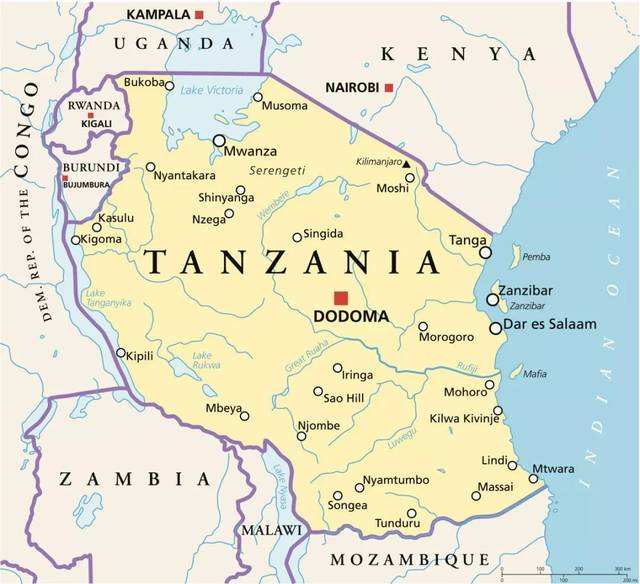
On the African coffee map, Tanzania is often overshadowed by Ethiopia and Kenya, but its coffee quality is equally worthy of attention. This East African country produces about 50,000 tons a year, comparable to Kenya. Its most representative coffee, Kilimanjaro, is known for its full body and elegant acidity and has been called the "coffee gentleman." Coffee in the country dates back to Arabica introduced from Réunion Island in 1893, and today 75% of growing areas lie in highlands above 1,200 meters.
Tanzania's two core regions each have their own character: the northern Kilimanjaro highlands (1,300-2,000 meters), where volcanic soil gives coffee bright berry acidity and honey sweetness, and the southern region (1,200-2,100 meters), which produces floral and fruity coffees with vinous notes and soft acidity. Notably, coffees from both areas develop more pronounced layers of nutty flavor as they cool.
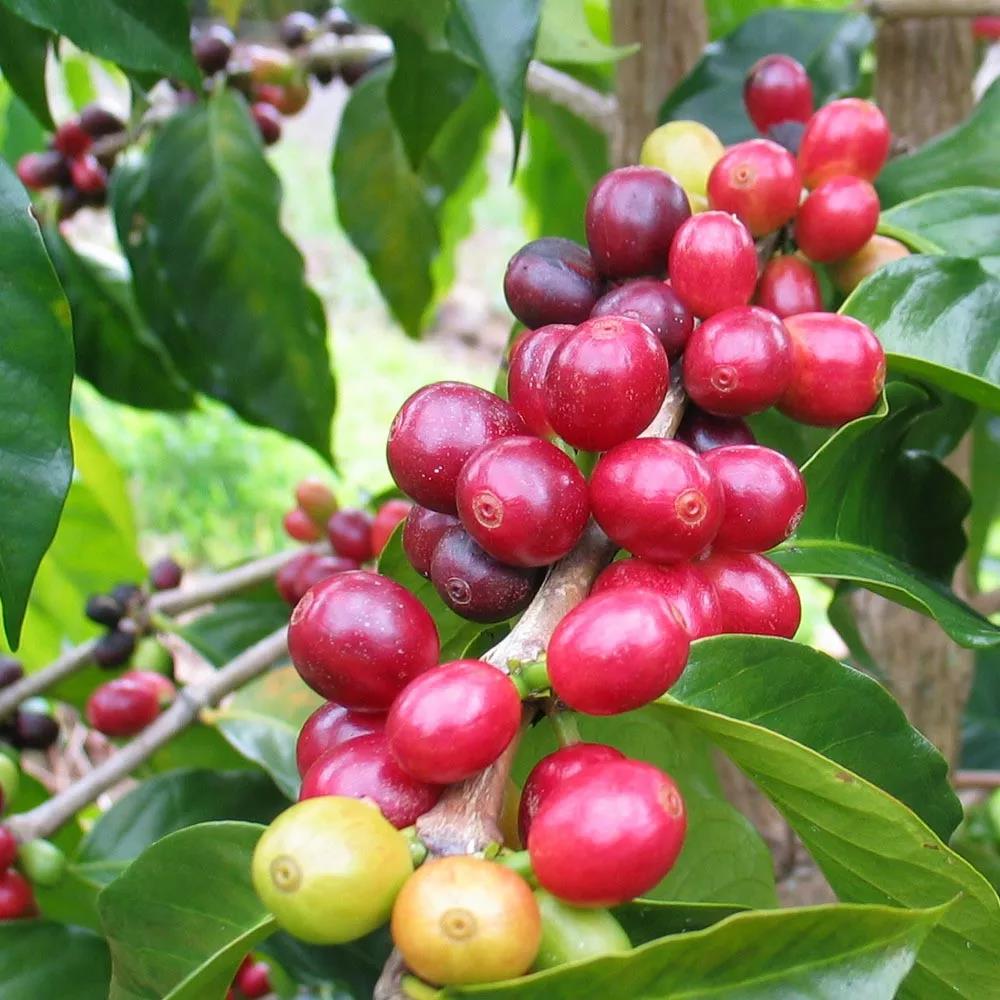
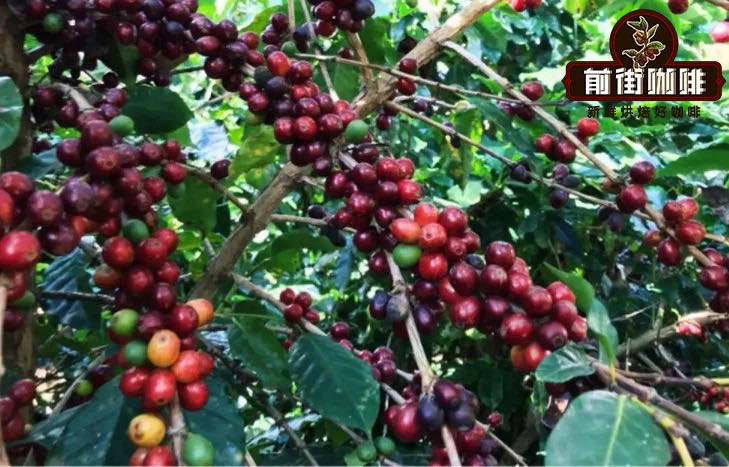
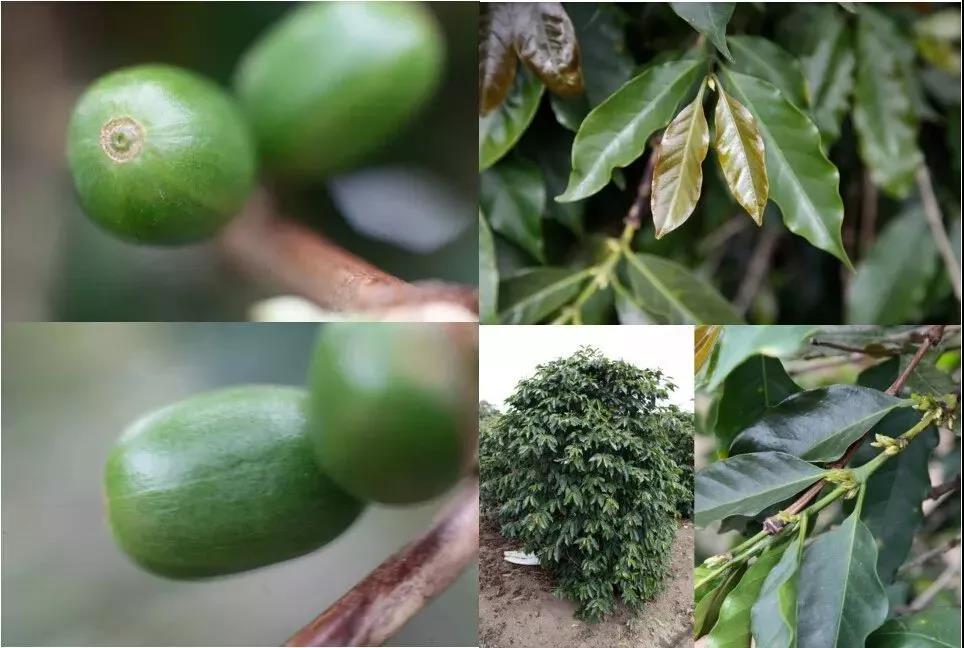
The locally dominant Bourbon (mainly Red Bourbon) typically shows fruit changing color from green to orange to red, and high-altitude growing enhances its wine-like acidity and floral-fruity character; Typica, one of the oldest coffee varieties, is known for refined flavor but weak disease resistance, and its distinctive red-copper top leaves (red-topped coffee) require special protection during cultivation; the Kent variety is a hybrid discovered in India in 1911 that inherits Typica's elegance while adding stronger rust resistance, with a richer, fuller aroma. These three varieties form the genetic foundation of Tanzanian coffee flavor.
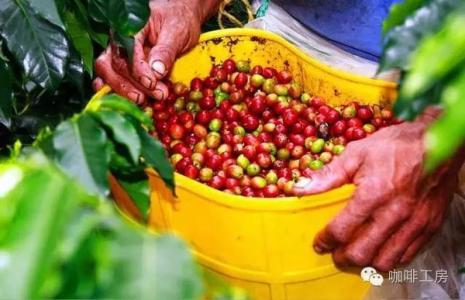
In terms of processing, washed processing accounts for more than 90%. The standard procedure includes: sorting ripe cherries → pulping → 12-24 hours of natural fermentation → washing with clean water → 24-hour soaking → finally sun-drying. This process maximizes the clarity of acidity while reducing interference from impurities. Special note: washed beans must be dried with moisture content strictly controlled at 11-12%; over-drying leads to flat flavors.
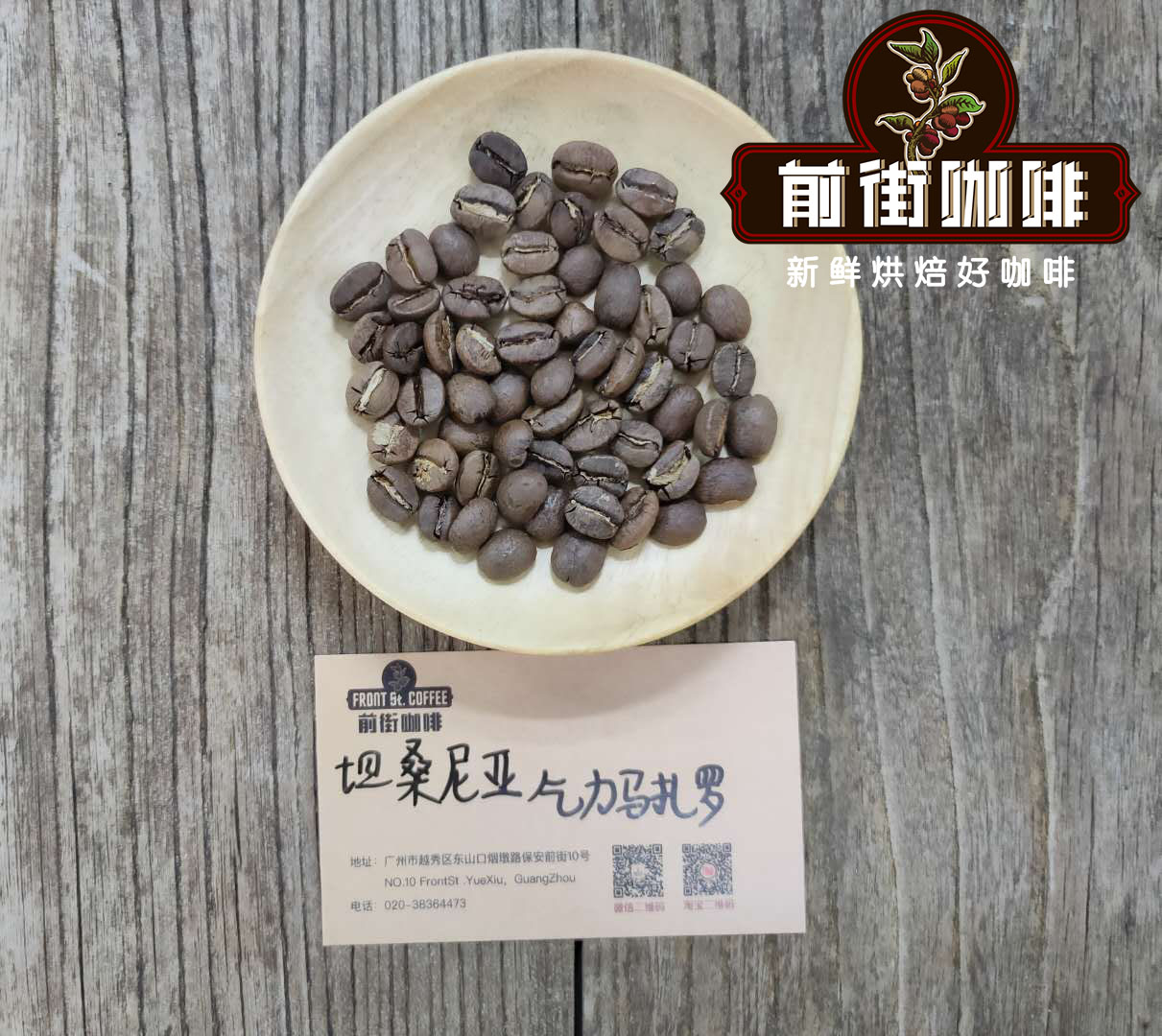
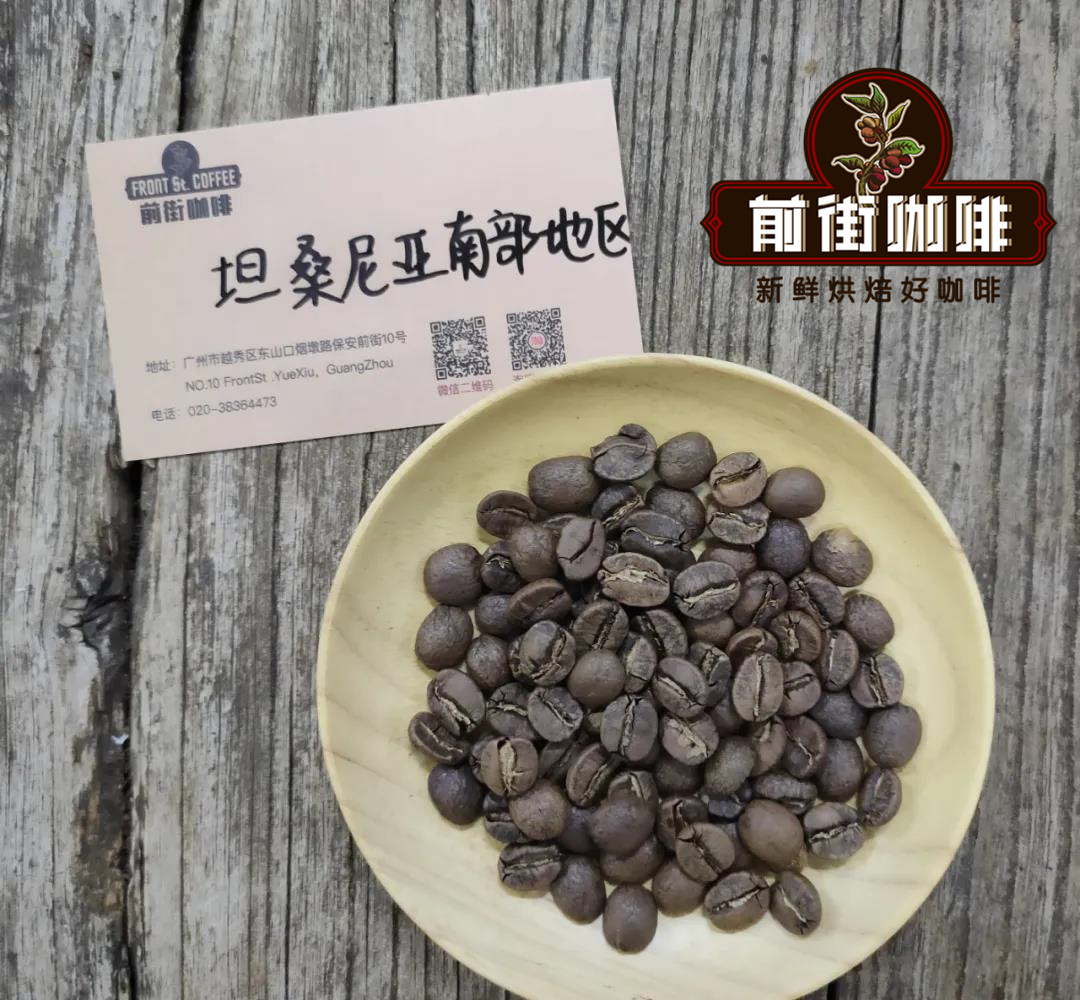
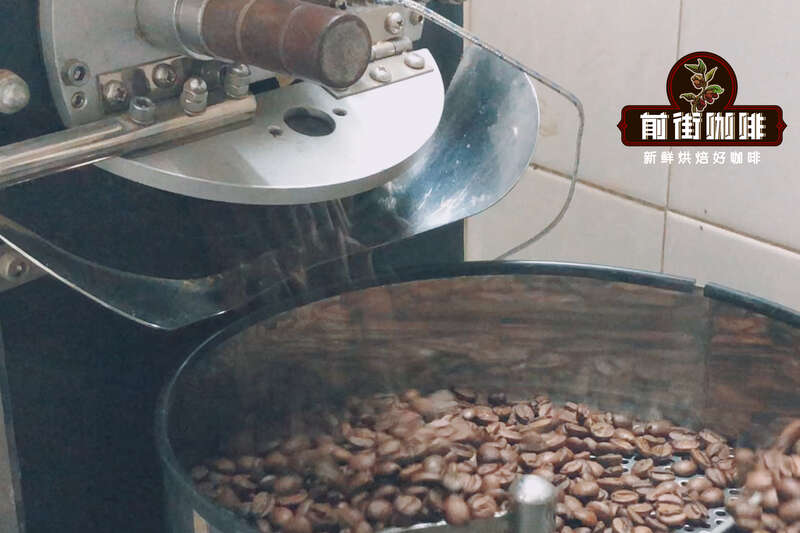
For different roast levels, medium-light roast (dense first crack to the start of second crack) highlights citrus acidity and nectar sweetness, suited to showing off the character of Kilimanjaro beans; medium-dark roast (start of second crack) enhances caramelization and brings out the nutty and chocolate underpinnings of southern beans. When roasting, note that Kilimanjaro beans are denser, so it is recommended to extend development time by 30 seconds compared with ordinary beans.
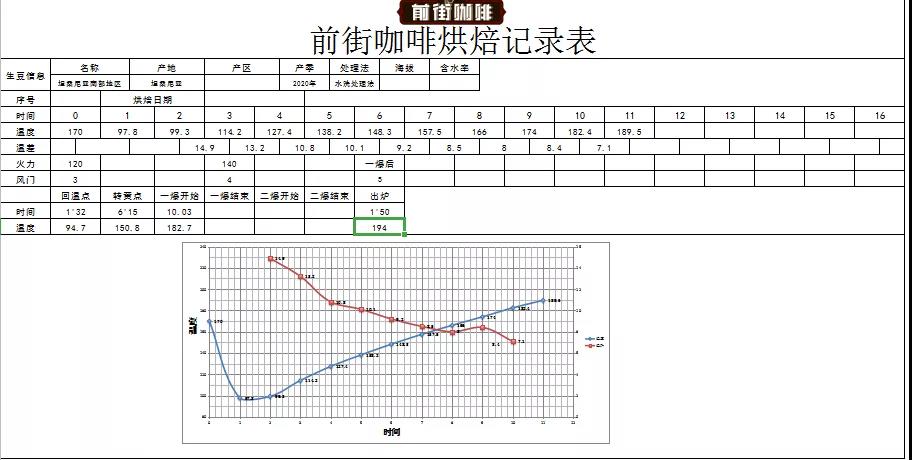
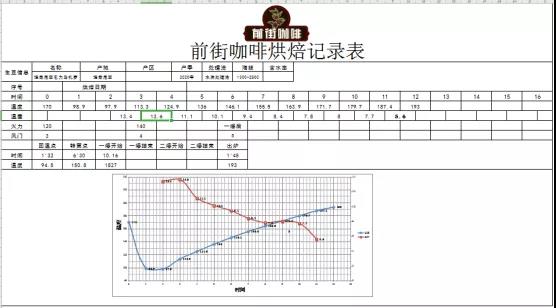
Professional pour-over parameter recommendations:
• Dripper: V60 conical dripper (favors extraction of acidic compounds)
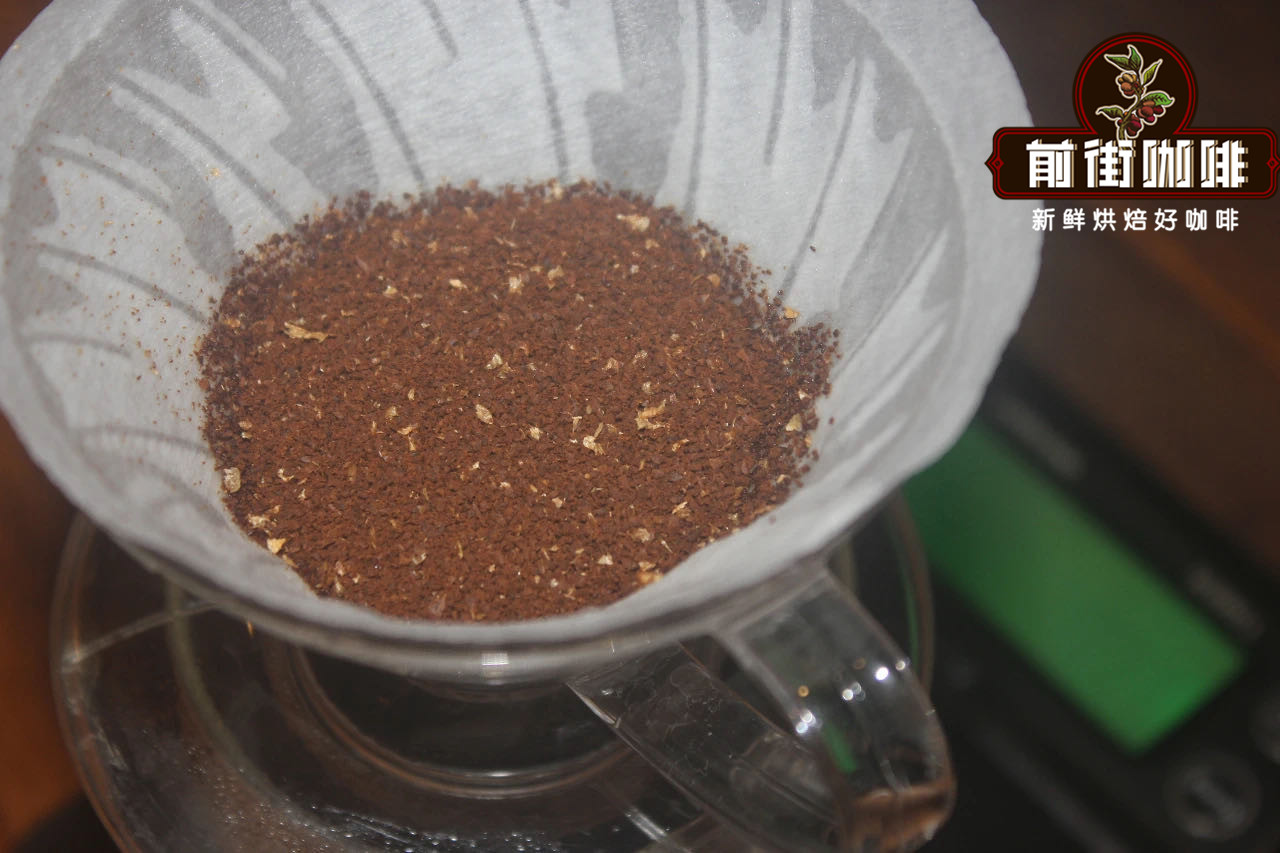
• Grind: 80% passing a No. 20 sieve (about 0.85 mm medium-fine)
• Coffee-to-water ratio: 1:15 (15 g coffee to 225 ml water)
• Water temperature: 90±1°C (highland beans need slightly higher temperature to draw out flavor)
• Staged extraction: bloom with 30 g water for 30 seconds → pour in circles to 125 g → continue in stages to 225 g, total time 2 minutes 05 seconds. These parameters balance acidity, sweetness and body; grind size can be adjusted slightly to control concentration according to personal taste.
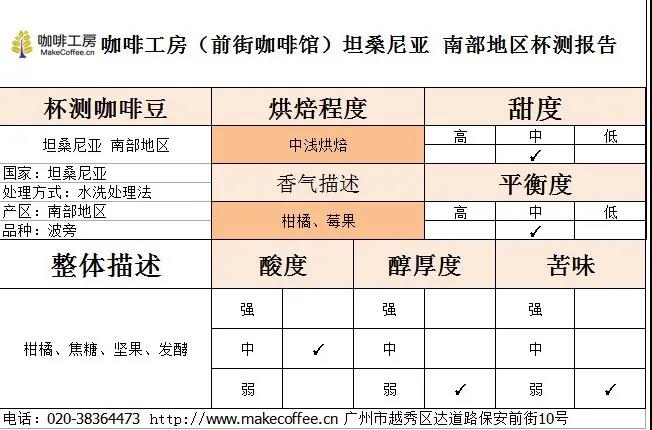

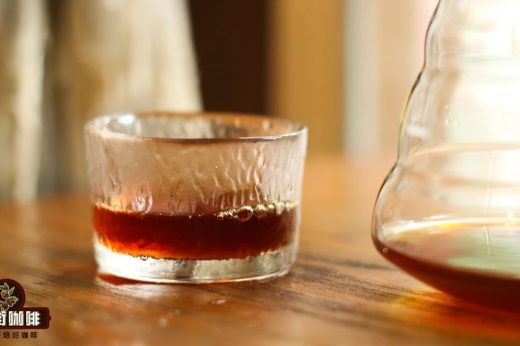
Flavor difference notes: brewed Kilimanjaro beans often have bright berry acidity up front, citrus notes in the middle and honey sweetness in the finish; southern beans show softer malic acidity and a black-tea quality, with nutty flavors more prominent when drunk at lower temperatures. For storage, use one-way degassing valve foil bags and keep away from light at 15-20°C; the best flavor window is 2-4 weeks after roasting.