Tanzania Coffee Beans: Regions, Roasting and Pour-Over Guide

Introduction: Tanzania coffee is famed for the Kilimanjaro region, where a unique highland climate and volcanic soil produce distinctive specialty coffee. This article takes a deep look at the beans of Tanzania's two major regions—from the citrus and honey notes of Kilimanjaro to the berry and fermented aromas of the south—explains the washed processing method and the advantages of medium-light roasting, and provides a precise pour-over recipe to help you capture each bean's layers of flavor.
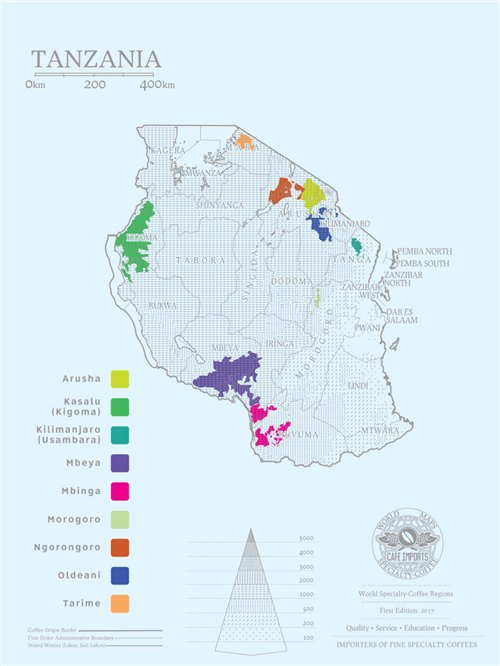
 As a classic East African coffee region, Tanzania's coffee-growing history can be traced to Bourbon varieties introduced by missionaries. Among these, the Kilimanjaro region stands out for the unique microclimate of Africa's highest peak—although the river valleys at the foot of the mountain receive 800-900 mm of annual rainfall, the growing belt at 1,200-2,000 meters benefits from volcanic soil rich in minerals and a day-night temperature swing of over 20°C, which encourages the coffee fruit to slowly accumulate sugars and flavor compounds.
 This mountain range, known as the "snow peak on the equator," has snow on its summit year-round (-34°C at the peak), while the midslopes are warm and rainy (1,600-1,800 mm of annual rainfall on the windward slopes), forming a golden combination of "cool highlands + abundant water." The slightly acidic volcanic soil drains exceptionally well, and together with a steady average temperature of around 20°C, it gives the coffee bright acidity and layered floral and fruity notes.
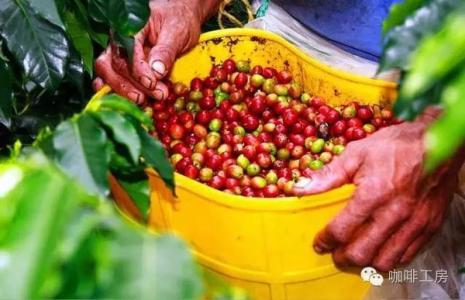
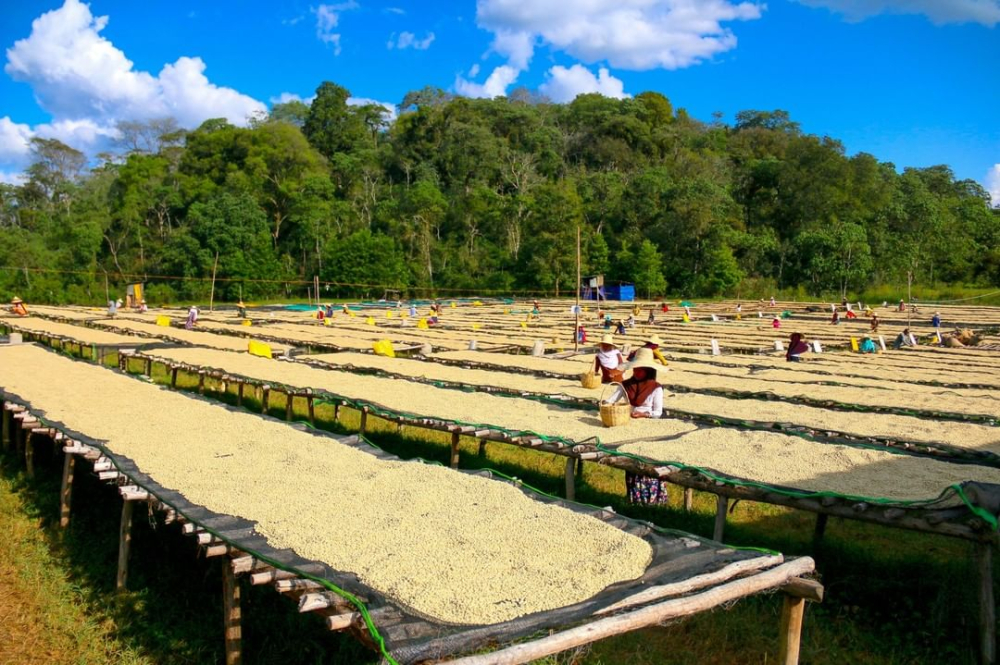
 Washed processing is widely used locally to preserve pure flavors: after harvest, the coffee cherries are hand-sorted to remove defects, then the outer skin and pulp are removed, and the fruit is placed in fermentation tanks where microbial action strips away the pectin layer (usually taking 24-36 hours). Finally it is washed and dried to a moisture content of about 11% before storage. Although this method may leave part of the silver skin center line (which can affect extraction uniformity), it effectively highlights the citrus, red wine and other aromas typical of African beans.
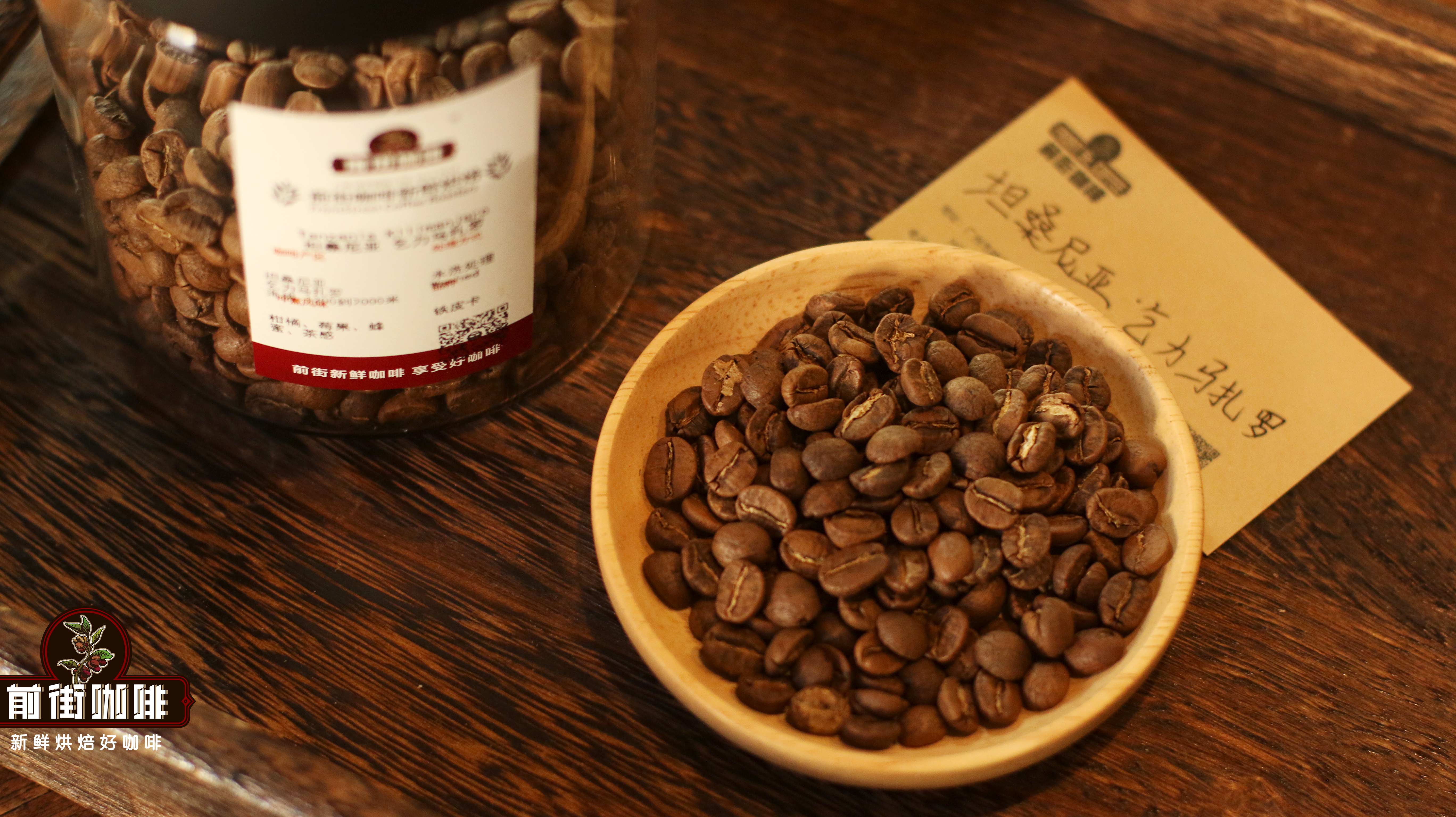
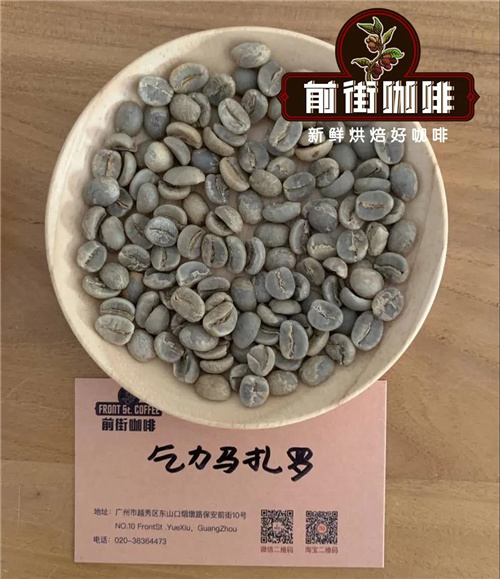
 Judging by the green beans, Tanzania's main varieties are Typica (an ancient variety) and Bourbon (a high-sweetness variety). In the Kilimanjaro region, for example, Typica beans are long, plump and uniform in size; although yields are lower and the plants are susceptible to leaf rust, flavor clarity is high—green beans from the new crop have higher moisture content, so the drying phase of roasting needs to be extended to ensure the bean core develops evenly.
 For roasting strategy, to highlight this variety's citrus, honey and nut notes, medium-light roasting is recommended: extend the caramelization reaction by about 30 seconds after first crack to make the sweetness more prominent. Actual cupping shows: at high temperatures (brewed above 90°C) it presents orange freshness, caramel sweetness and a creamy texture; as it cools to medium temperature, it gradually turns to acetic acid, cocoa and a slight black pepper spice. Overall sweetness is medium-high (honey-like), but acidity is mild, and a brief astringency may appear when cold brewed.
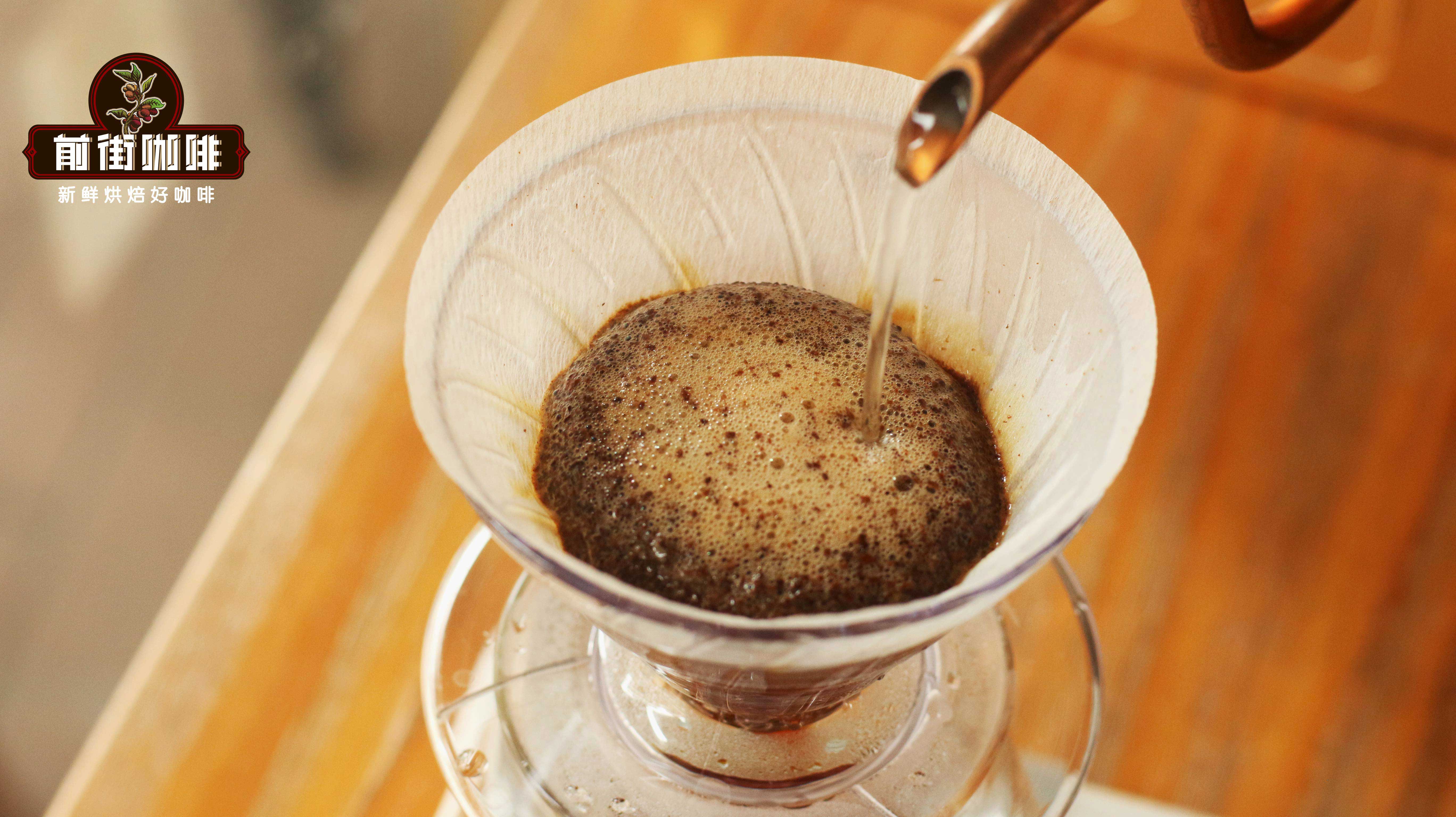
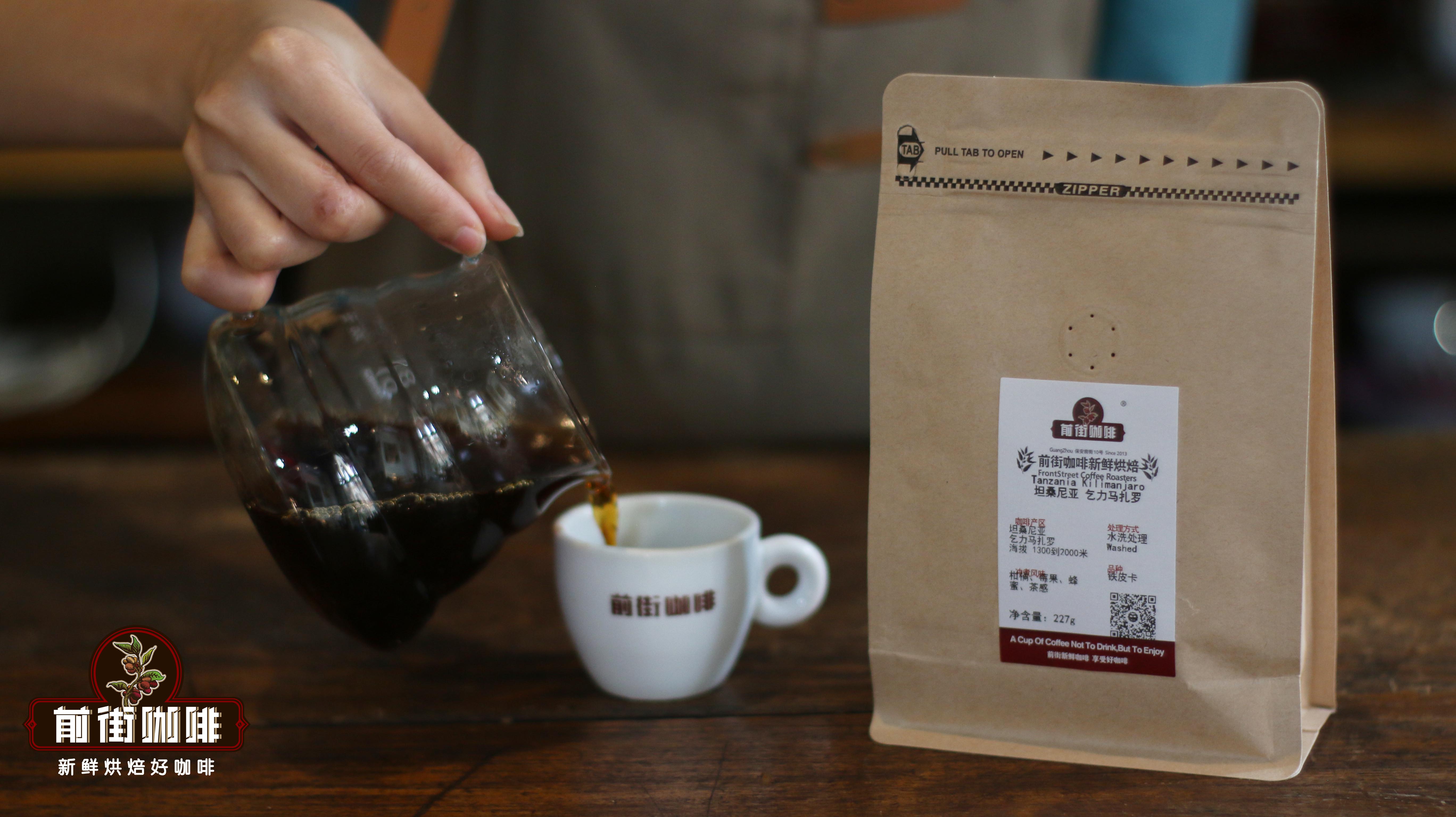
 Given these flavor characteristics, the recommended pour-over parameters are: 15 g of beans, 1:15 coffee-to-water ratio, 90°C water temperature, V60 dripper, BG#6M medium-fine grind. Three-stage pouring: first pour 30 g of water and bloom for 30 seconds (to activate aromas), then pour in a small stream in circles until 125 g, pause, and when the water level is about to expose the coffee bed, continue pouring to 225 g, keeping total extraction time at 2 minutes. This method balances sweetness and acidity, reduces astringency, and yields a final flavor dominated by citrus and nuts with a black cocoa finish, where the honey sweetness becomes more obvious as it cools.
 Besides Kilimanjaro, coffee from southern Tanzania also deserves attention. Although the region also uses the washed method (a process common in the Yirgacheffe region), it mainly grows Bourbon—which has more prominent sweetness (higher than Typica), bright acidity and higher yields than Typica (though it is likewise susceptible to leaf rust). Also roasted medium-light, its cupping profile is: dry aroma with berry and fermented notes, wet aroma showing berry and floral notes; on the palate, citrus, caramel and nuts dominate, with a soft fermented aroma emerging in the finish; overall acidity is mild and the body is lighter.
 Comparing the two regions: Kilimanjaro coffee, supported by fertile volcanic soil, has a fuller flavor and bright acidity as clear and sweet as mineral water; southern coffee is distinguished by rich floral notes and soft wine-like aromas, with rounder acidity. European connoisseurs once called Tanzanian coffee the "coffee gentleman," precisely because it combines a full-bodied texture with elegant acidity. Consumers can choose according to preference—those seeking bright acidity and nutty notes can choose Kilimanjaro beans, while those who prefer floral-fruity sweetness and a softer mouthfeel should prioritize the southern region.