El Salvador Coffee Regions: Six Core Flavors and Pour-Over Guide
Introduction: From the refined acidity born of volcanic soils to the revival of disease-resistant varieties, this article takes a detailed look at the distinctive terroir and cup profiles of six representative El Salvador coffee regions, and offers professional roasting ideas and a V60 pour-over recipe. It includes a region map, a variety comparison and data on smallholder farming, helping you systematically understand a key piece of Central American specialty coffee.
As Central America's fourth-largest coffee producer, El Salvador's coffee culture began with colonial-era planting in the mid-18th century. After the chemical dye industry dealt a blow to traditional indigo cultivation in the 19th century, local elites passed legislation forcing land transfers and established a coffee economy on the fertile highlands covered in volcanic ash.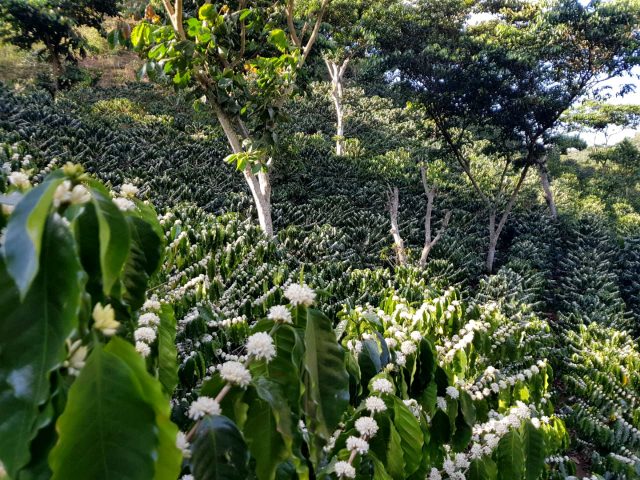
After the civil war and the leaf rust crisis of the 20th century, 90% of the country's coffee is still produced by 23,000 small and medium-sized farmers, 80% of them on micro-farms of less than 17 hectares. These scattered production units form a distinctive quality base—high-altitude shade growing combined with meticulous washed processing yields a generally soft acidity structure.
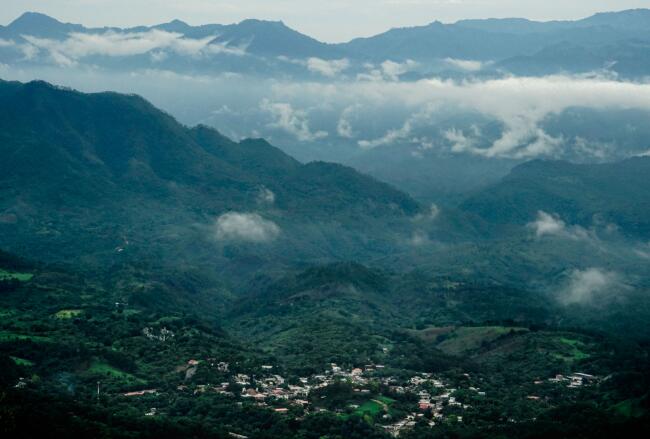
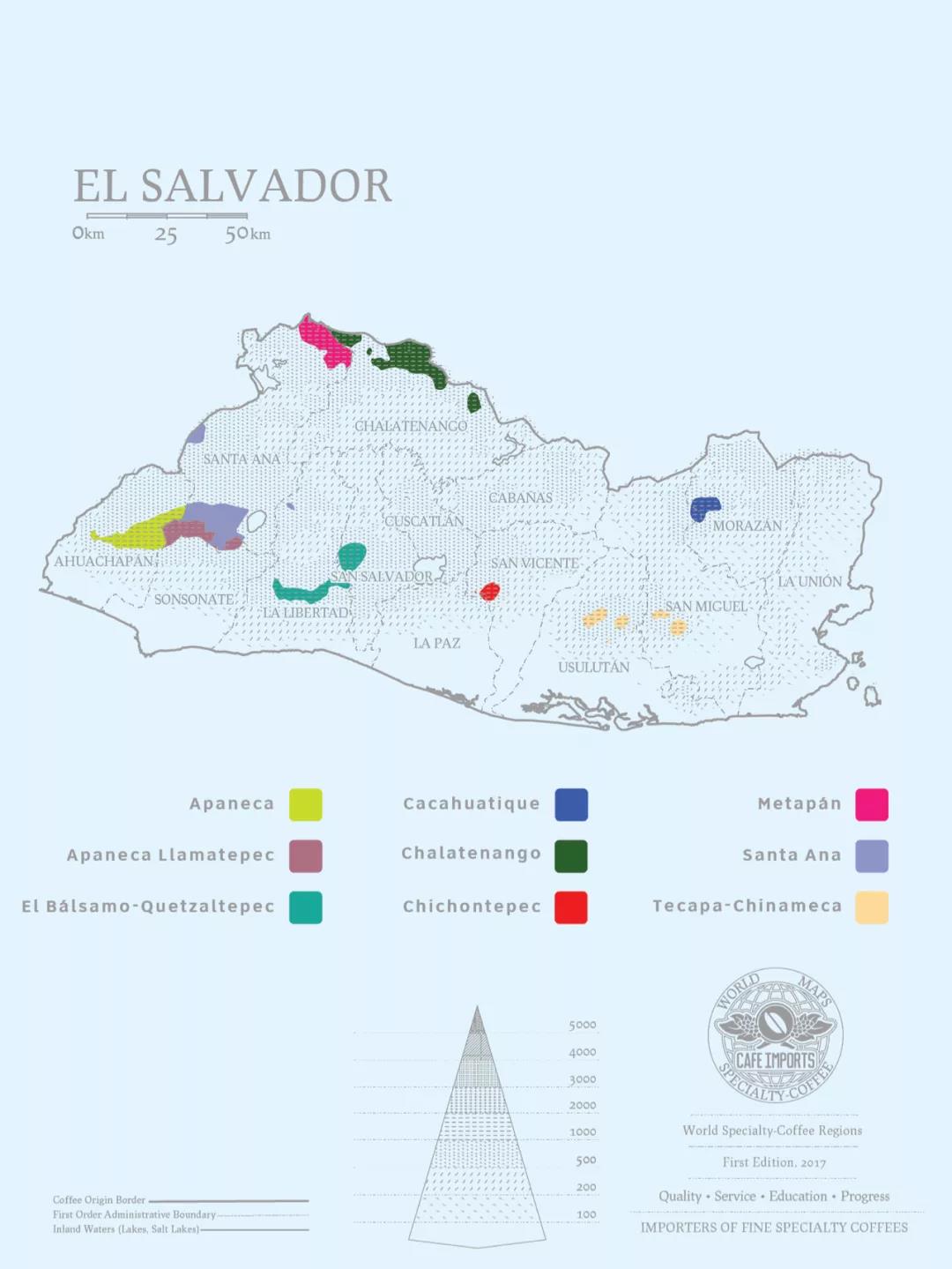
Among the country's nine regions, the Apaneca-Ilamatepec area in the western volcanic belt (1,200–1,600 meters) stands out in particular. At Finca Lemus, for example, Bourbon and Catuai varieties grown at 1,250 meters and given black honey processing show a layered balance of citrus, berry and cocoa.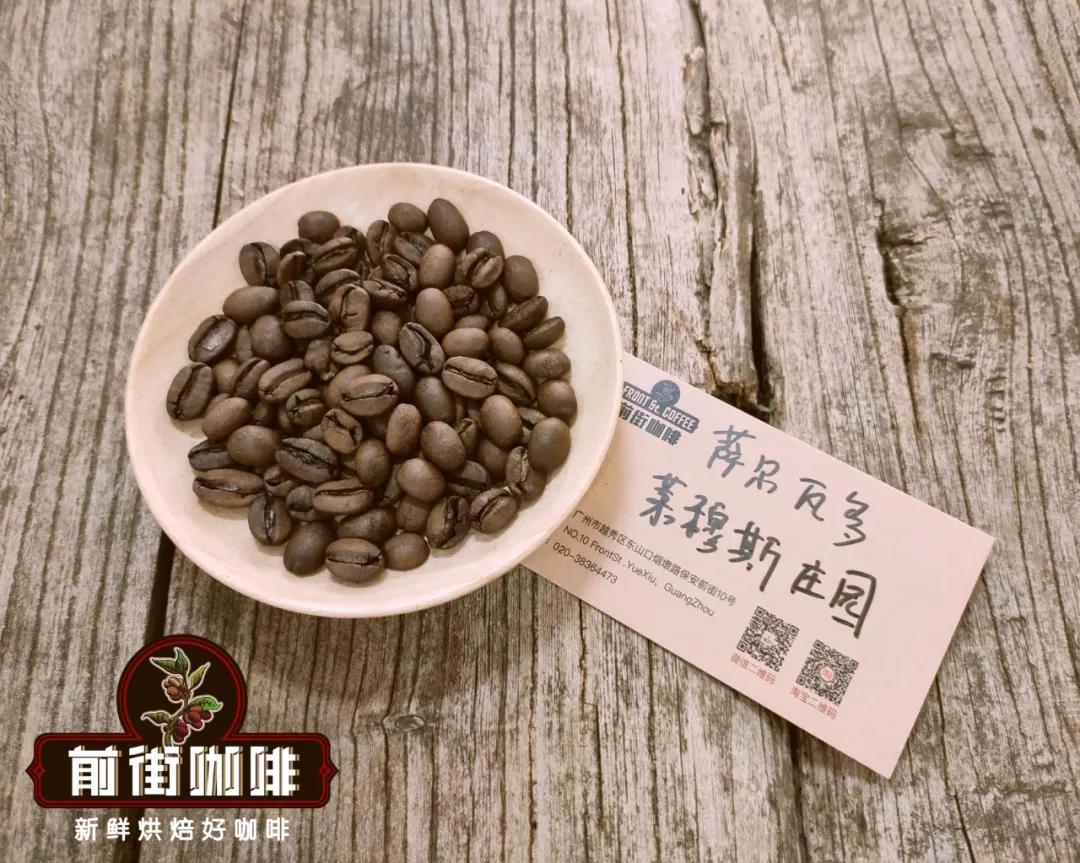
The El Balsamo-Quetzaltepec region in the southwest is known for its creamy smoothness and thick body, while the nutty, chocolatey base notes of Chalatenango in the north show the mellow character of volcanic rock soils. The orange aroma of Chichontepec in the center and the floral-fruity caramel complexity of Metapan form a striking contrast across the flavor spectrum.
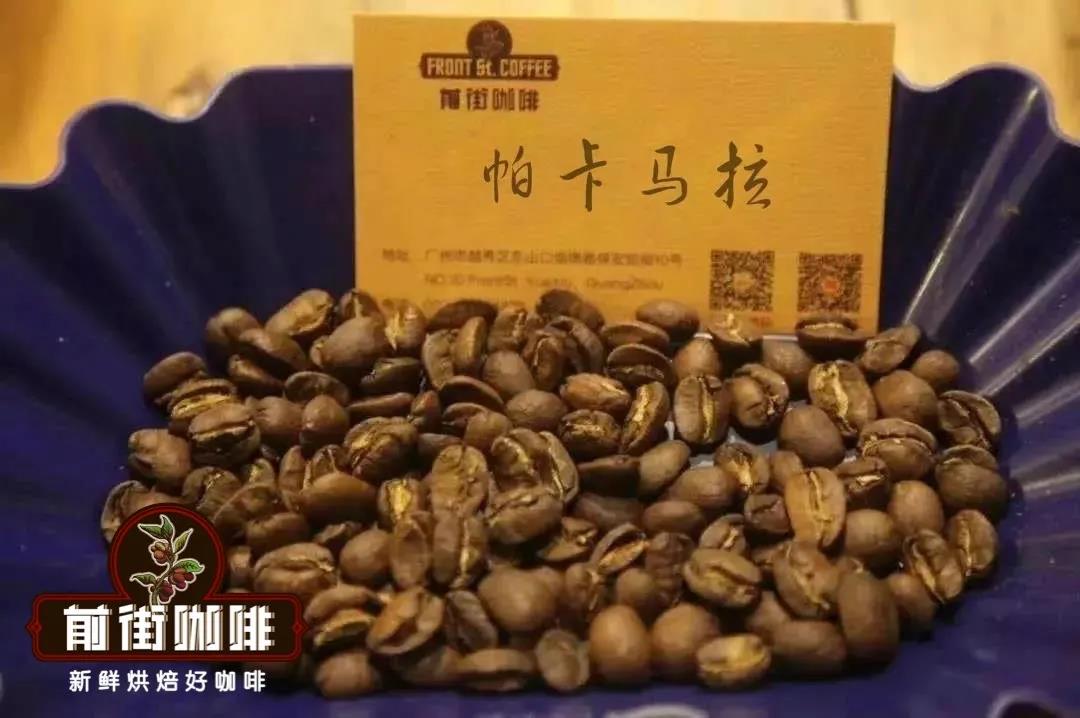
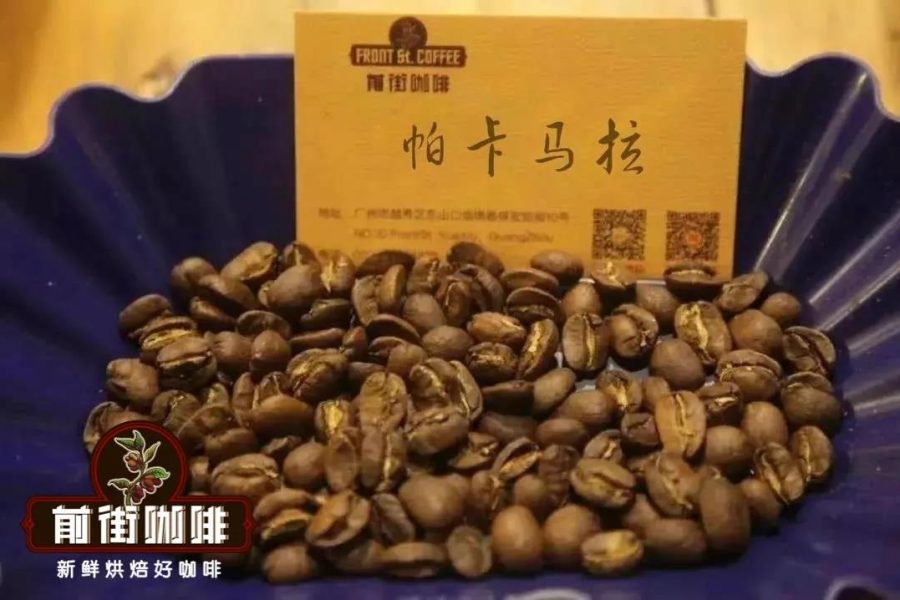
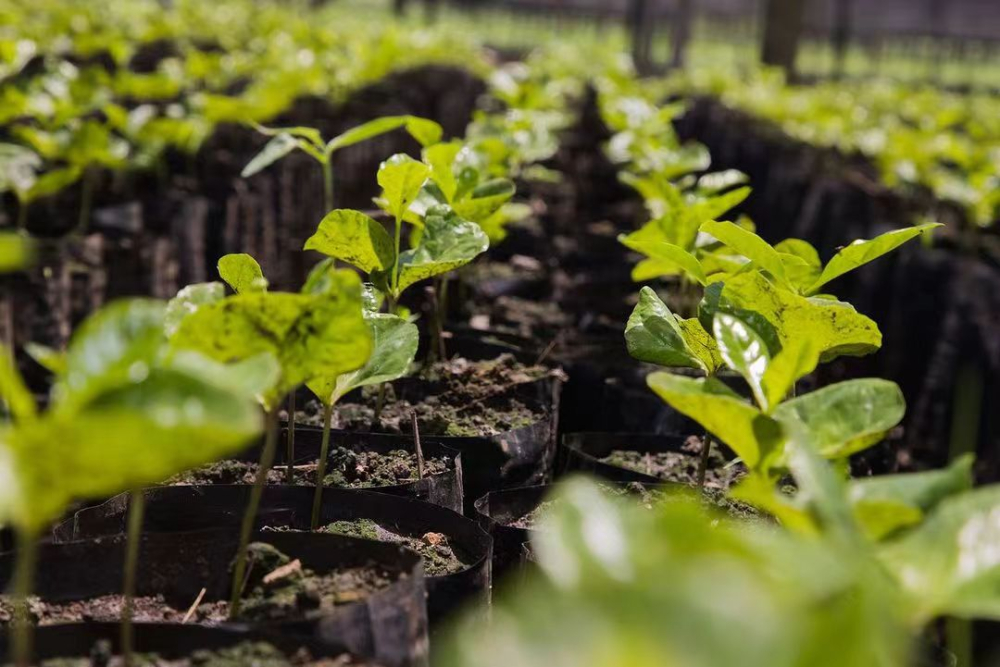
On the variety side, El Salvador is not only the birthplace of Pacamara but also preserves the disease-resistant Pacas—a natural Bourbon mutation discovered in 1935 that has become a pillar of the regions thanks to its high yield and quality. Notably, only 3% of local coffee trees are rust-resistant, a figure that prompted the Ministry of Agriculture in 2016 to launch a program to plant 20 million rust-resistant seedlings.
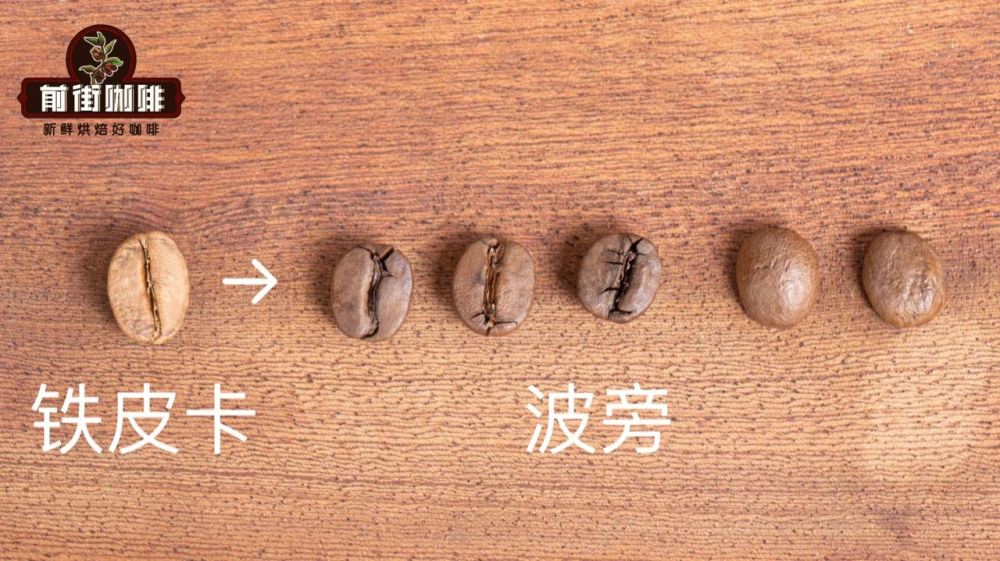
For beans from typical regions, a light-medium roast is recommended to highlight a bright balance of acidity and sweetness. Take Finca Chocolate Lover in the Santa Ana region (1,450 meters, Bourbon variety): a combination of 50% washed and 50% honey processing creates a complex profile with cocoa, caramel and a berry finish.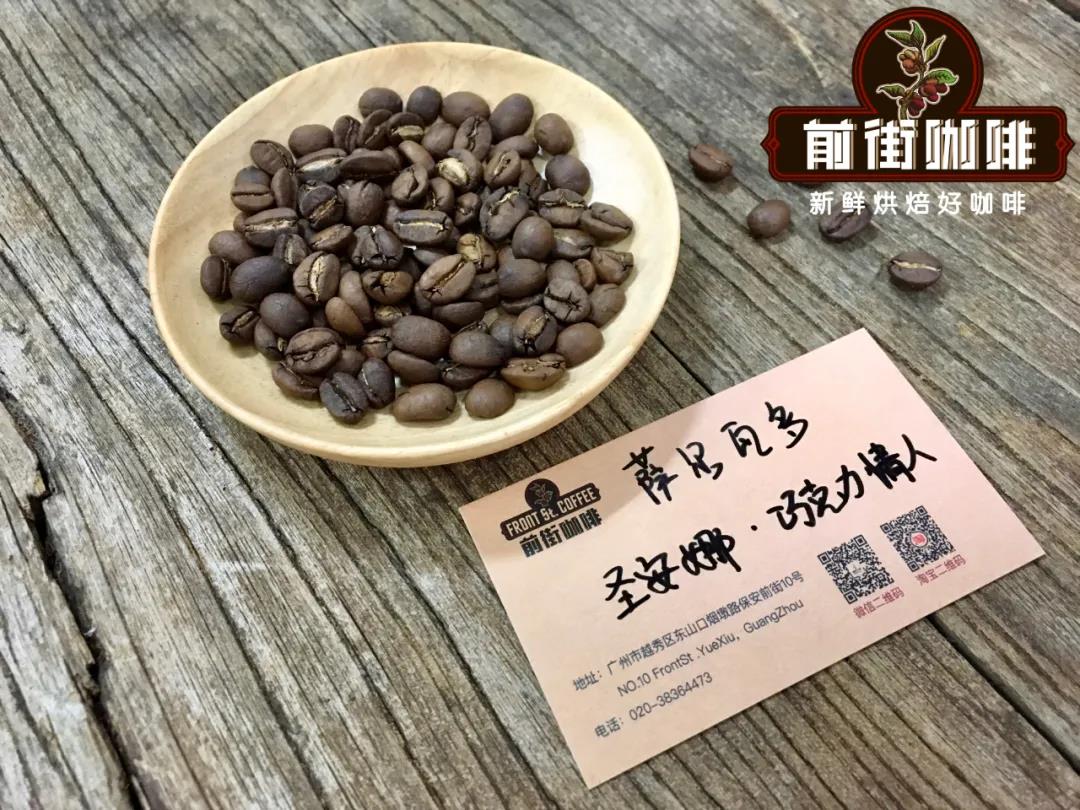
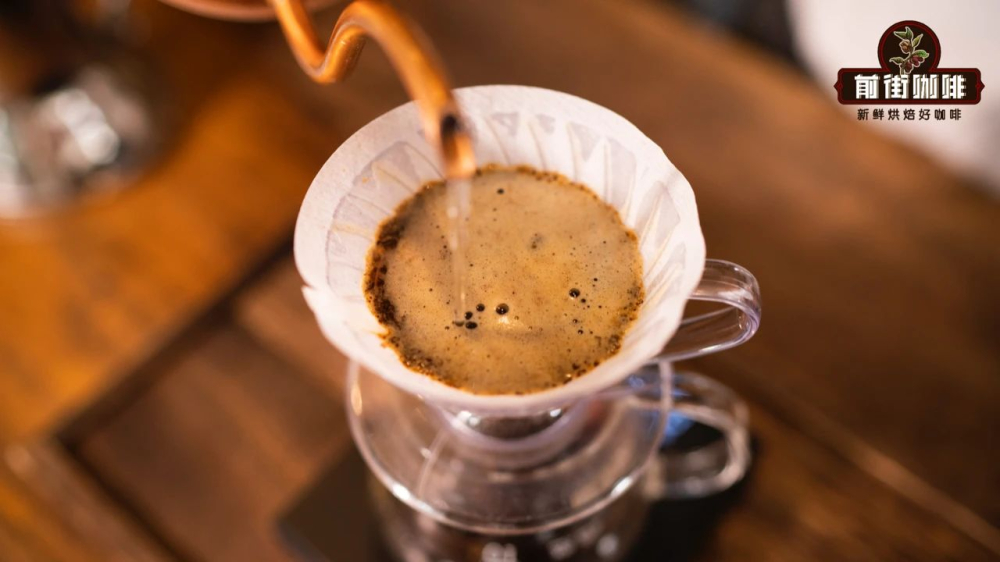
For brewing, a V60 dripper with 90°C water and a 1:15 coffee-to-water ratio (15 grams of coffee to 225 milliliters of water) is recommended. Key parameters: a fine grind with 80% passing a No. 20 sieve; a 30-gram bloom for 30 seconds, then spiral pouring in two stages (first to 125 grams, then to 225 grams), with a total time of 2 minutes. This method effectively reinforces the balance of soft acidity and full body that defines this bean.
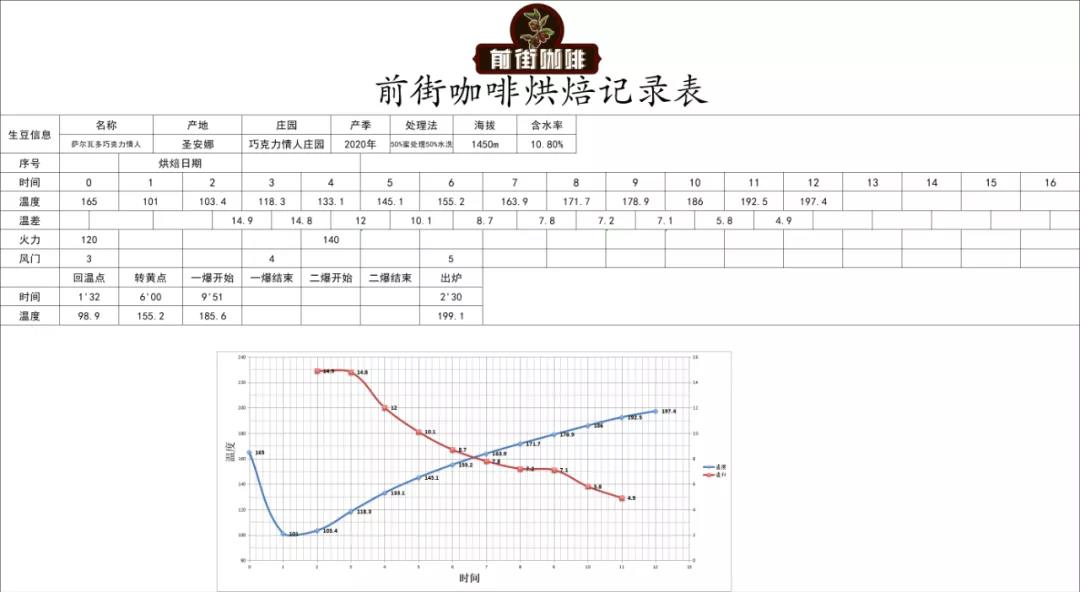
For enthusiasts seeking regional character, pay particular attention to the peachy, creamy notes of Apaneca, the melon sweetness of Tecapa-Chinameca, and the differences in caramelization among estates' black honey processing. These subtle differences are exactly what keep El Salvador coffee competitive in the specialty market.