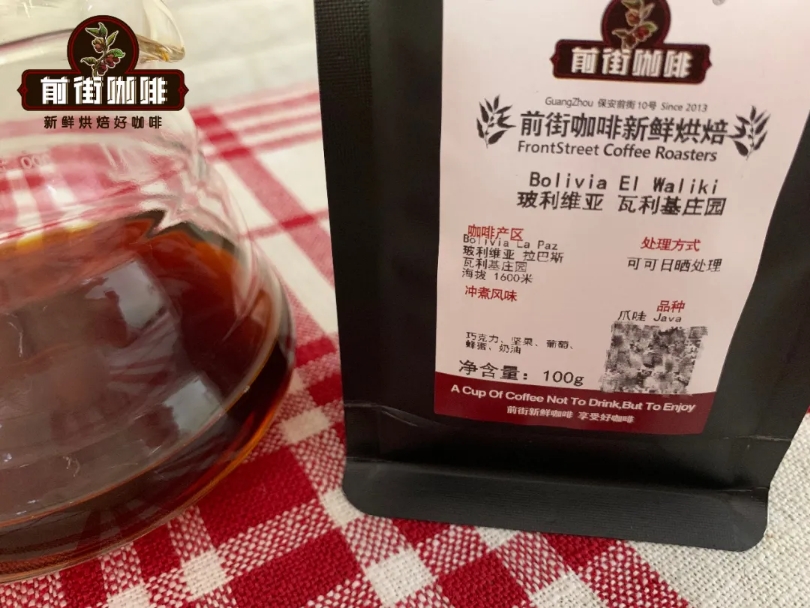
Bolivia High-Altitude Coffee: Valiqui Estate Java Variety Guide
Introduction: Explore the unique charm of Bolivia, a lesser-known coffee region in South America, from its historical challenges to the microclimatic wonders of the Yungas highlands. This article provides an in-depth analysis of how the Valiqui Estate at 1,600 meters uses cocoa sun-drying to balance the fermented and berry notes of Java coffee beans. Includes professional roasting curves and V60 brewing parameters to help you precisely capture the complex flavors of black grape and chocolate.
Although Bolivia lies in the South American coffee belt, it is an exception due to the Andes Mountains—the capital La Paz at 3,660 meters makes traditional Arabica cultivation difficult. The true coffee golden belt is hidden in the northeastern Yungas region, where Finca Takesi at 2,500 meters sets a global record for cultivation altitude, and the Valiqui Estate at 1,600 meters is known for its unique processing methods.
 Modern Bolivian coffee history began in 1880, but the wars from 1932 to 1983 set the industry back decades. The 1991 recovery plan encouraged indigenous cultivation, but the lack of a grading and processing system made it difficult for high-quality beans to circulate. The "Death Road" from Yungas to La Paz causes coffee cherries to ferment easily during bumpy transport, which is the main reason for the scarcity of specialty beans in the country.
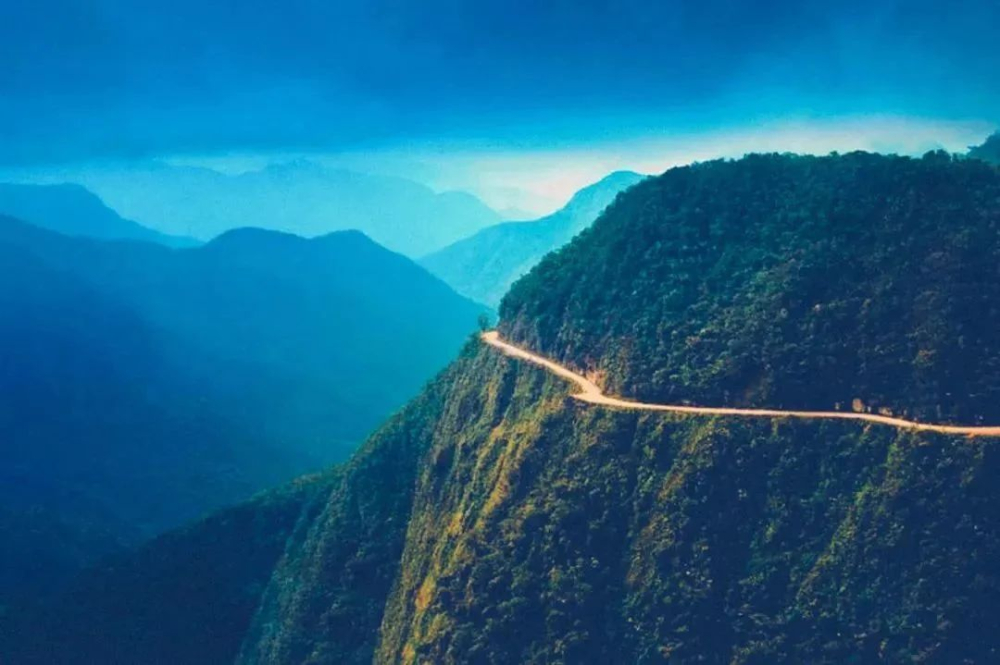 The Yungas agricultural area presents both challenges and opportunities: steep mountain roads hinder logistics but foster unique microclimates of the Andes. The diurnal temperature difference here reaches 15°C, and combined with the minerals in volcanic soil, it gives coffee a bright acidity. In contrast, beans from the northern Caravina region at 1,500 meters tend to have more chocolate notes and slightly less complexity.
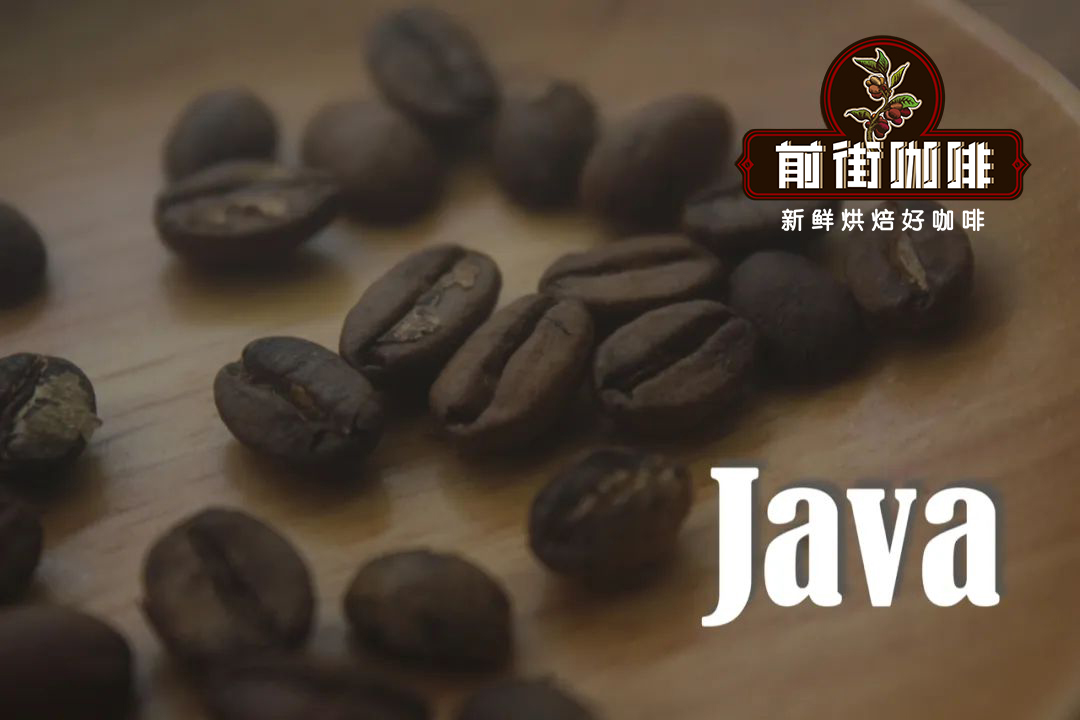 The Java variety selected by Valiqui Estate is actually a descendant of the Ethiopian native variety Abysinia, which was introduced to Indonesia via Yemen and then brought back to South America. Its elongated bean shape (over 18 mm in length) is significantly different from typical Typica, and special care must be taken to remove undersized or deformed fruits during harvest.
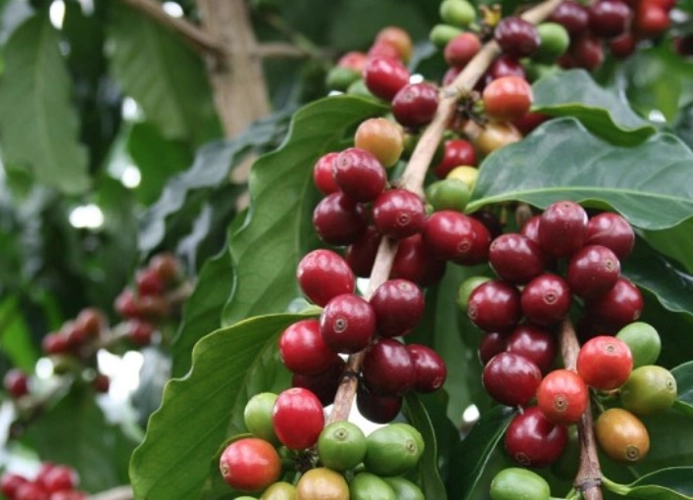 The estate adopts a staged harvesting strategy, training local pickers to only pick ripe red cherries. For transport, ventilated slatted crates are used instead of burlap sacks, with the key control point being to maintain fruit temperature at 18-22°C to prevent premature fermentation. Manually sorted cherries are first rinsed with clean water, then placed on African drying beds and turned every hour to ensure uniform drying.
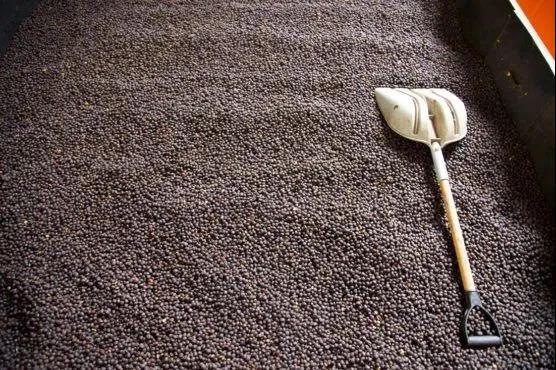
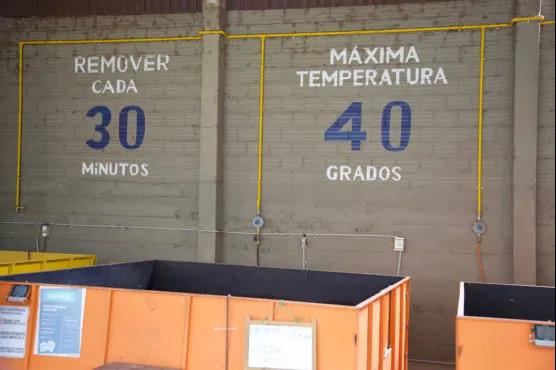 The revolutionary processing technique lies in the use of a cocoa dryer: coffee beans are placed in a steel container below 40°C, mechanically turned every 30 minutes for 35 hours. This temperature-controlled drying method reduces weather dependence by 70% compared to traditional sun-drying, making it particularly suitable for the variable rainy season climate of Yungas. The final bean moisture content is stabilized at 11.2%-11.5%.
 Subsequent processing is completed at a professional facility in La Paz: after the parchment is removed by a huller, defective beans must be removed through dual sorting by ultraviolet and natural light. Consumers should note when purchasing—high-quality Bolivian beans should have less than 0.3% silver skin residue and a dark green to bluish bean color.
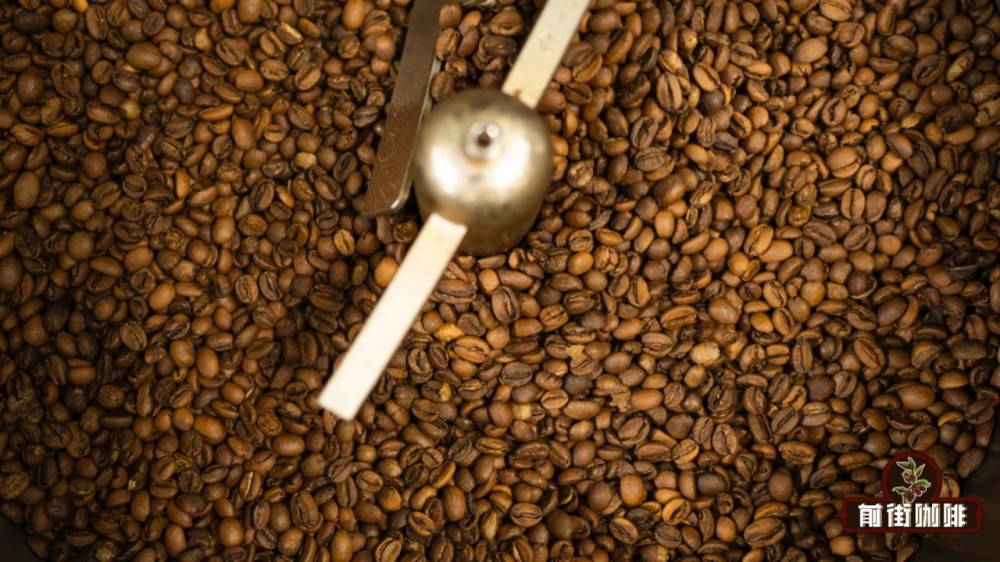
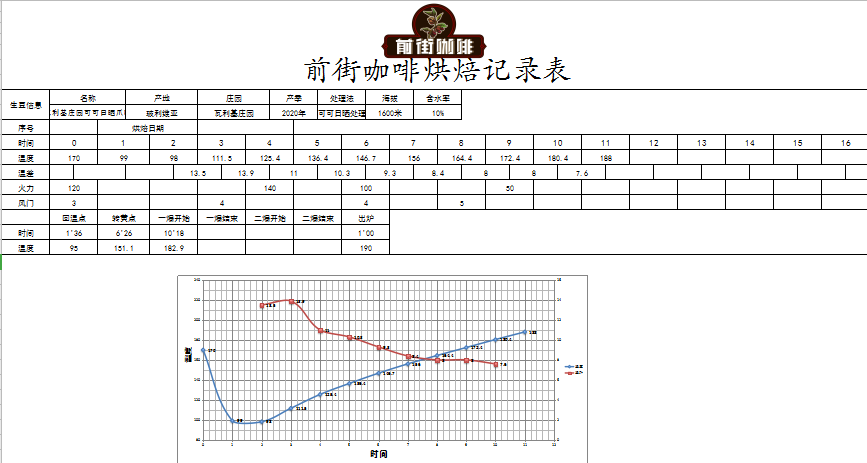 A medium-light roast (Agtron #65-#70) can highlight the berry notes of the Java variety: charge temperature at 170°C and maintain a 120-second drying phase, then reduce heat to 100 at 146°C to avoid scorching the outer layer. Maintain the development phase at 190°C to lock in the fermented aroma, at which point the bean surface should show uniform tiger stripes.
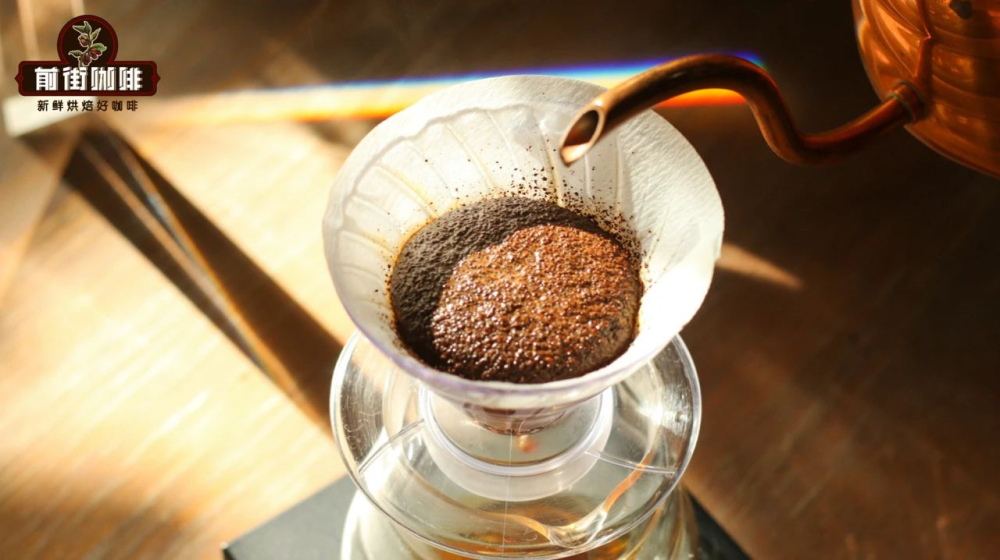
 Recommended V60 brewing parameters: a grind similar to fine sugar with 78% passing through a #20 sieve, 15 g coffee to 225 ml water (1:15 ratio). After a 30-second bloom with 30 g of water, use a center-pouring method; note that the second pour should maintain a steady stream to avoid disturbing the coffee bed structure.
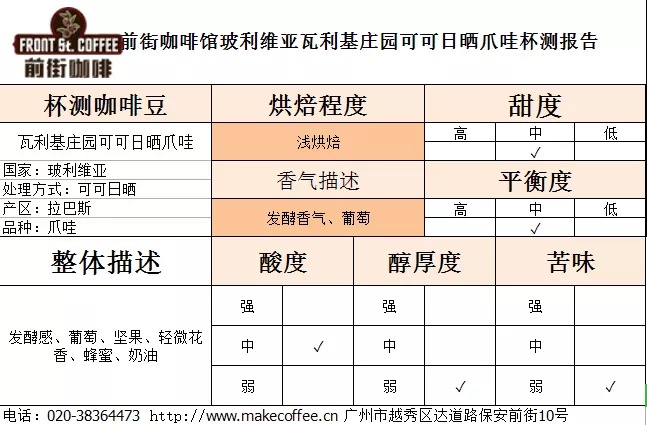 Cupping results show: bright berry acidity (pH 5.4-5.6) accompanied by black raisin sweetness, with a finish of smooth cocoa butter-like texture. The best drinking period is 7-21 days after roasting; store in a sealed container away from light at 18-22°C.
 Common extraction pitfalls: water temperature too high (>93°C) will cause excessive tannin extraction and astringency, while a grind that is too coarse (e.g., 80% passing rate) can lead to sharp acidity and imbalance. It is recommended to use fresh filtered water (TDS 50-100 ppm) to reveal the full flavor layers.