Tanzania Kilimanjaro Coffee: Flavor Profile and Pour-Over Guide

Introduction: Tanzania coffee is famed for its Kilimanjaro region, where washed Bourbon varieties combine citrus notes with gentle sweetness. This article examines the flavor characteristics of beans grown at 1,300-2,000 meters in this region, offers professional-grade roasting and pour-over methods, and compares the potential of emerging southern regions, helping you fully master the brewing secrets of African specialty beans.

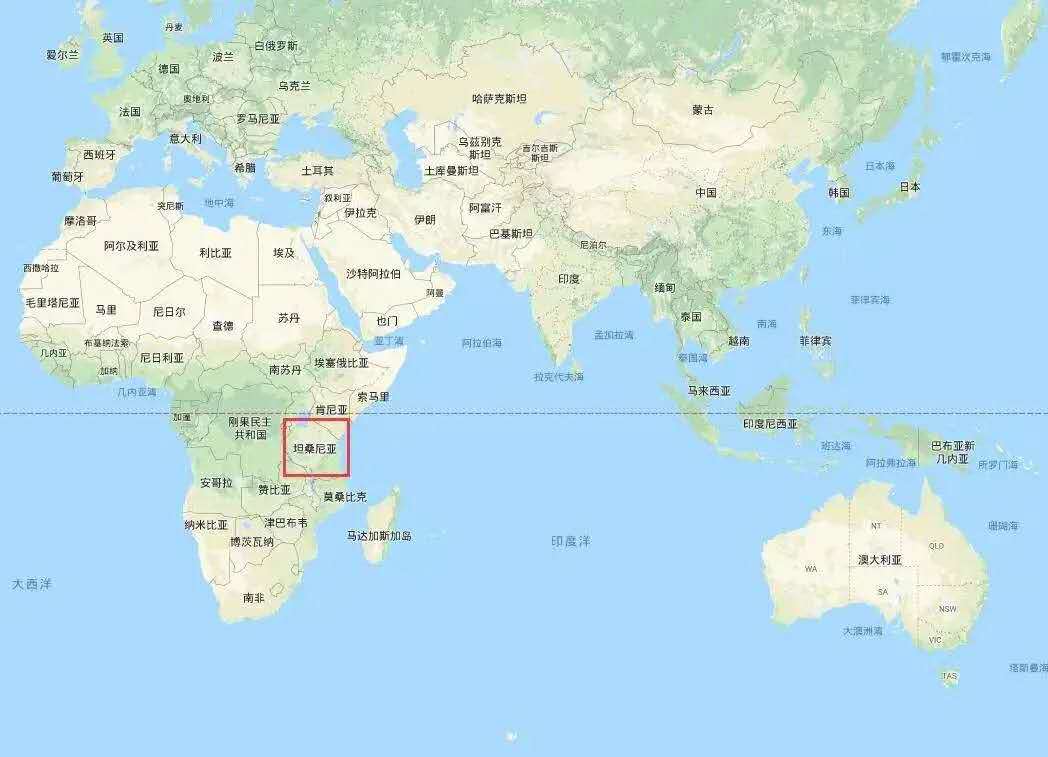
On the African specialty coffee map, Ethiopia and Kenya are often regarded as core regions, but Tanzania's Kilimanjaro coffee also deserves attention. This high-altitude coffee, grown around Africa's highest peak, enjoys the nickname "coffee gentleman" among professional baristas for its distinctive full body and honeyed sweetness.
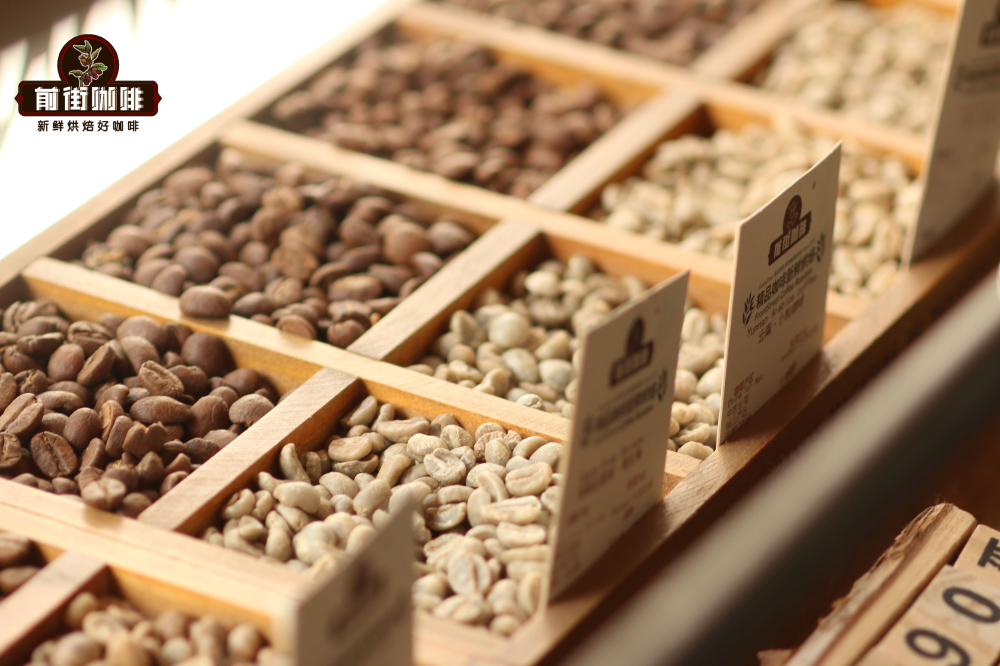
Typical Tanzanian washed Bourbon beans show clear citrus and berry top notes, honeyed sweetness in the middle, and a delicate tea-like finish. Compared with the signature bright acidity of Kenyan beans, Tanzanian coffee displays a softer balance of sweetness and acidity, though its expression of wine-like flavors is relatively mild, making it slightly less recognizable to coffee lovers seeking bold character.

The Kilimanjaro region lies in a volcanic zone at 1,300-2,000 meters, where many coffee trees are planted from old stock over 100 years old. The annual harvest here is concentrated from July to December, and the main varieties grown are Bourbon, Typica and Kent. Notably, the combination of volcanic ash soil and snowmelt water provides unique mineral nourishment for the coffee beans.
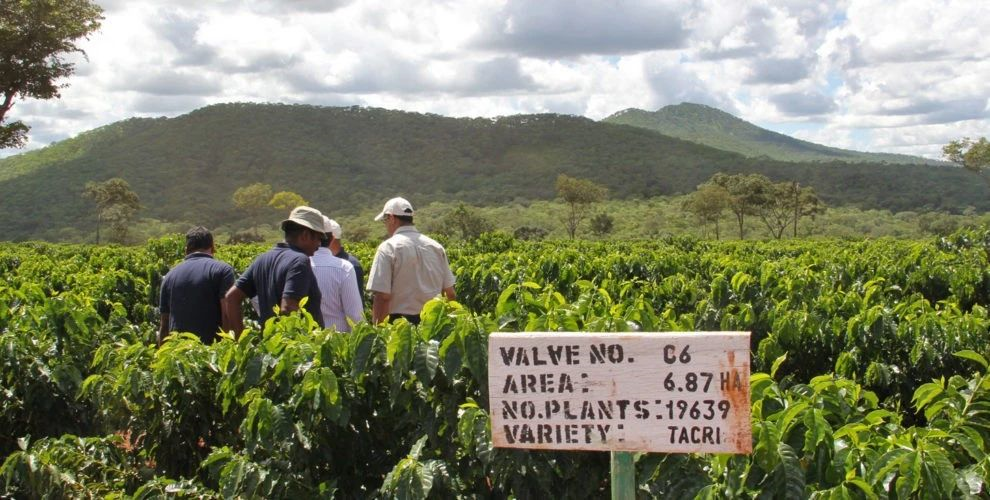
In terms of industry structure, Tanzania's annual output is about 50,000 tons, comparable to Kenya's. Early Arabica stock was introduced from Réunion Island (formerly Bourbon Island) in the French territory, and initial trial plantings succeeded in the Bayamoyo and Mogoro regions. Today, besides the famous Kilimanjaro mountain area, the southern Ruvuma and Mbeya regions are gradually rising—these emerging regions at 1,200-2,000 meters have seen significant quality improvements thanks to technical support from international certification organizations.
The southern regions mainly grow Bourbon, Typica and Kent varieties, with the harvest from June to October. Compared with the north, the climate here gives the coffee more pronounced floral characteristics, but overall output remains limited by infrastructure. Professional roasters recommend paying attention to micro-lot beans from these regions, which often reveal surprising layers of flavor.
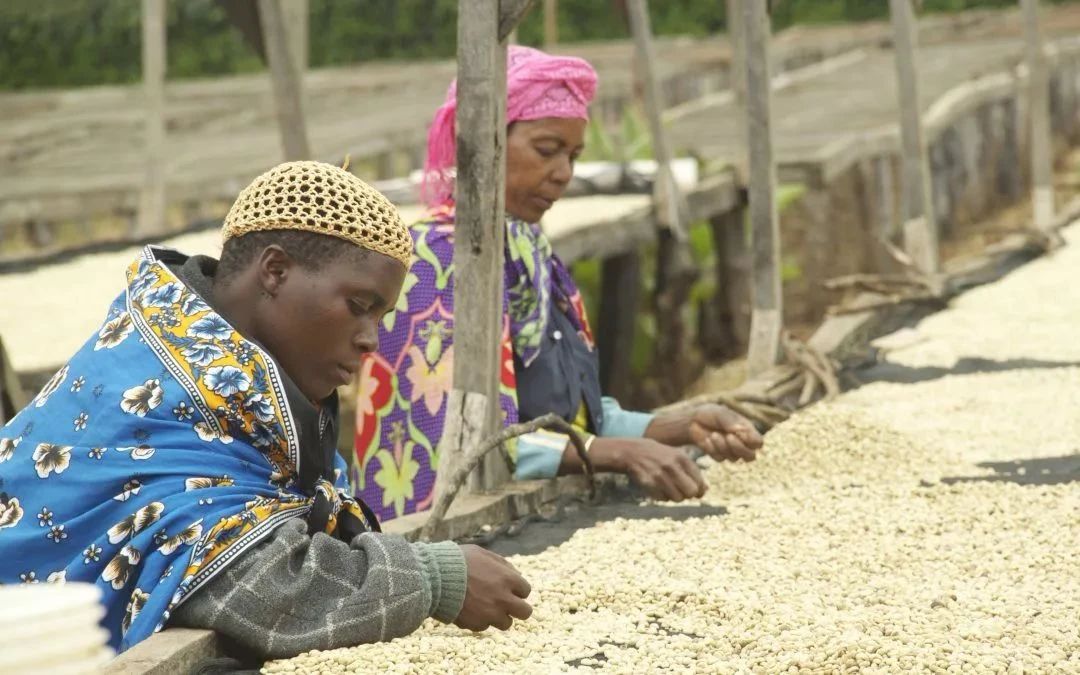
Kilimanjaro, as the largest region, accounts for an important share of the country's coffee export value. Coffee trees grown at 1,300-2,000 meters benefit from sugar accumulation driven by the day-night temperature difference. Local smallholders practice meticulous management: regular pruning of old branches to encourage new shoots, combined with manual weeding and organic fertilizer application—measures directly tied to the cleanliness and fullness of the final bean quality.
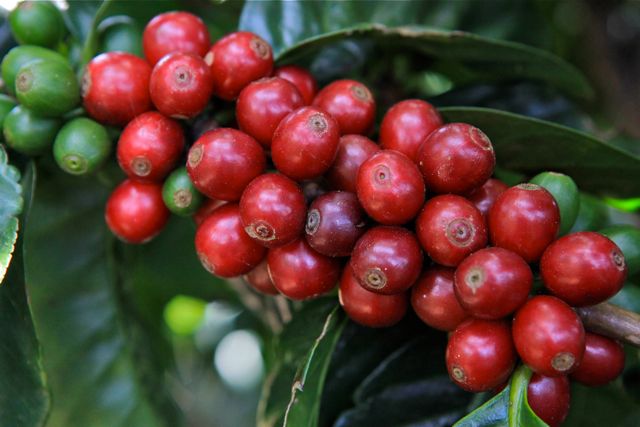
Bourbon, one of Tanzania's main cultivated varieties, has short, round fruit with higher density than regular Arabica. This variety inherits the traits of the original Réunion Island stock: prominent sweetness, bright acidity and a subtle winey aroma. Note that Bourbon beans have weak resistance to leaf rust and require strengthened disease control during cultivation.
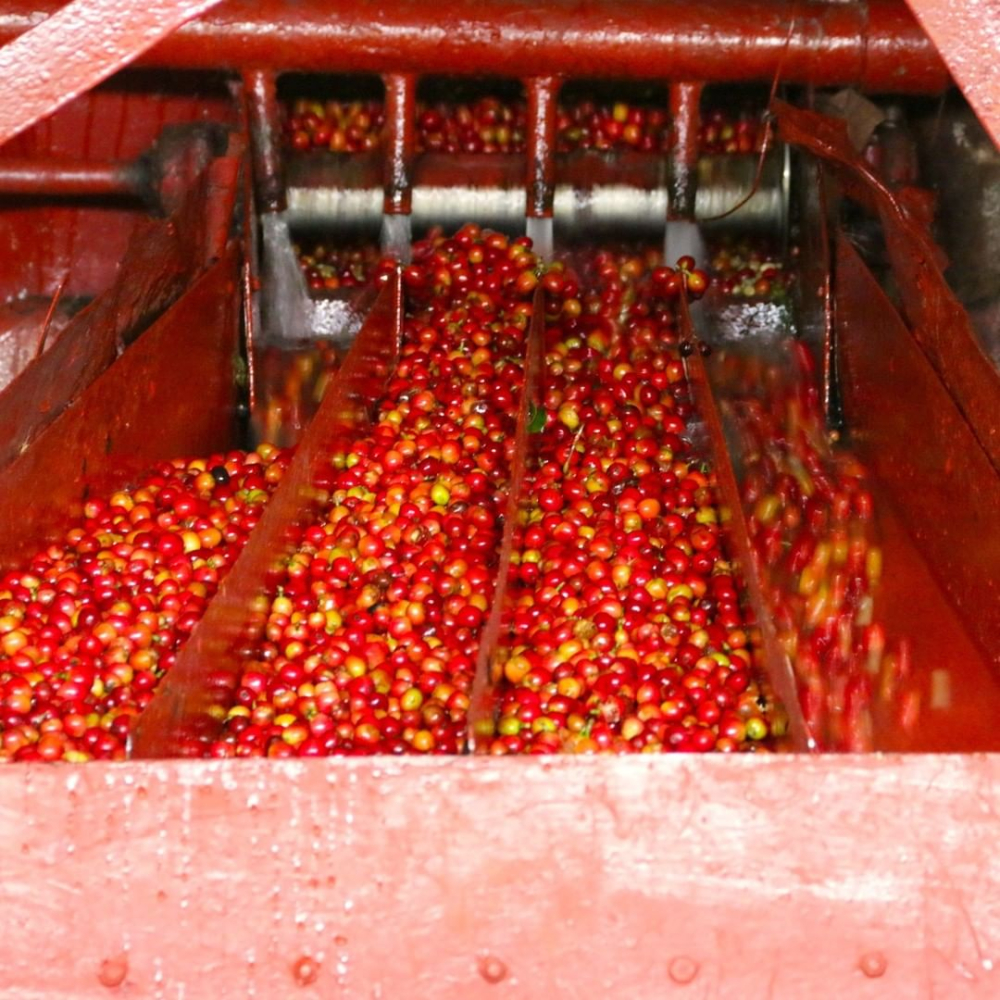
Tanzania generally uses the washed processing method, with the following steps: ① sorting to remove impurities ② removing the pulp and outer skin ③ fermenting in tanks to remove the mucilage layer (usually taking 24-36 hours) ④ rinsing with clean water and drying in the sun. This process preserves the region's native flavor characteristics to the greatest extent while reducing the risk of defects. Professionals recommend choosing washed beans that have dried evenly in the sun, as their acidity is more lively.
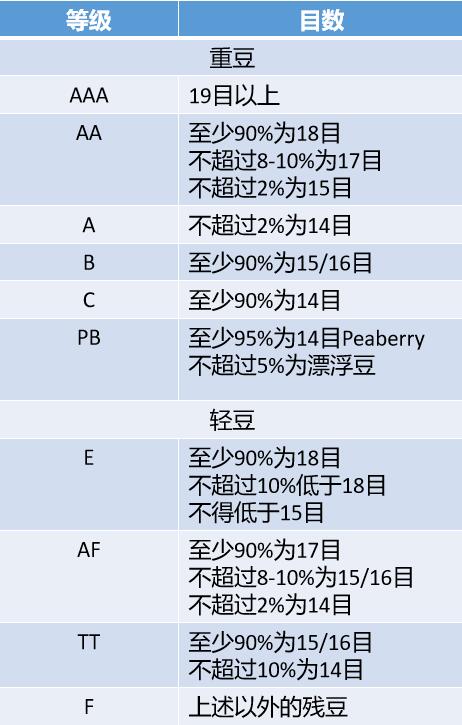
For grading, Tanzania follows Kenya's size-based standards: AA grade denotes large beans with a diameter greater than screen 18 (about 7.1 mm), which usually have richer layers of flavor. Roasters particularly note that large washed beans are suited to light roasting, which highlights their natural sweetness and citrus notes.

Professional light-roast parameters for reference: charge temperature 175°C, initial heat 120, damper setting 3; at the turning point of 1'33" the drum temperature is 115°C, at which point open the damper to setting 4; during the yellowing stage (151.6°C) watch for the fading of grassy notes; before first crack (about 10'16") adjust the damper to setting 5, and after a development period of 1'48" drop the beans at 192°C. This approach strengthens the balanced expression of sweetness and acidity.

For home brewing, a V60 dripper is recommended: water temperature 90°C, coffee-to-water ratio 1:15, medium-fine grind (78% passing a No. 20 sieve). Staged extraction steps: bloom with 30 g of water for 30 seconds → pour in a slow stream to 125 g and pause → when the water level drops to the coffee bed, continue pouring to 225 g → keep the total time at 2'00". Keep the stream steady to avoid over-extraction and bitterness.


