Geisha vs. Blue Mountain: Jamaica Blue Mountain Geisha Review and Brew Guide
Introduction: When Jamaica Blue Mountain, one of the world's top coffee origins, began cultivating the Geisha variety, this half-century rivalry over coffee's crown found a new answer. This article reviews a washed Geisha produced at 1,310 meters on Jamaica's Clifton Farm, analyzing its unique profile that combines Blue Mountain's full-bodied depth with Geisha's floral and fruity notes, and offers professional pour-over parameters and roast curve references to help you capture the essence of this micro-lot.
For coffee lovers of the last century, Jamaica Blue Mountain was the benchmark of quality; this century, Ethiopia's Geisha sparked a flavor revolution. Now these two legends of the coffee world converge in the Jamaica Blue Mountain region—Clifton Farm at 1,310 meters has released its first washed Geisha, marking the traditional giant's proactive embrace of emerging consumer trends.
This Blue Mountain Geisha upholds the region's strict cultivation standards: a Rainforest Alliance-certified farm, precise moisture control at 12-14%, and a defect rate below 0.5% in selected green beans. Unlike regular Blue Mountain No. 1, which uses the Typica variety, the new Geisha lends the coffee bright citrus notes and jasmine aromatics while retaining Blue Mountain's signature chocolate finish.
 Looking back at Blue Mountain's history, before 2019 the region focused on traditional washed Typica, whose balanced, full-bodied cup made it the benchmark of the high-end market. As global preferences shifted toward brighter, fruit-forward specialty coffee, the region began releasing natural Blue Mountain No. 1 from 2020 and the Geisha reviewed here, reflecting its capacity to innovate in response to market change.
Botanically, the Geisha variety's adaptability to Blue Mountain's high-altitude environment is crucial. The 1,310-meter elevation brings day-night temperature swings that promote flavor development, and together with Jamaica's distinctive volcanic soils, this micro-lot Geisha keeps the variety's floral and fruity character while taking on the region's full-bodied base.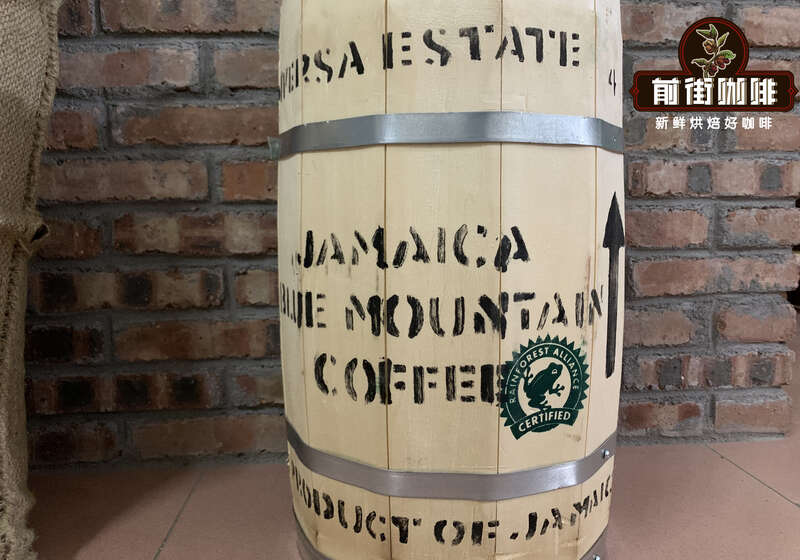 The Rainforest Alliance certification on the wooden cask confirms its compliance with high sustainability standards.
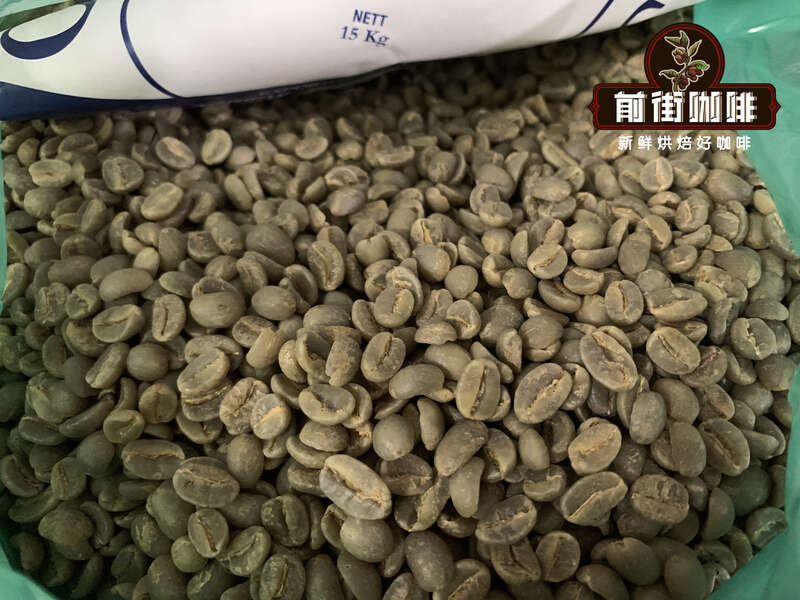
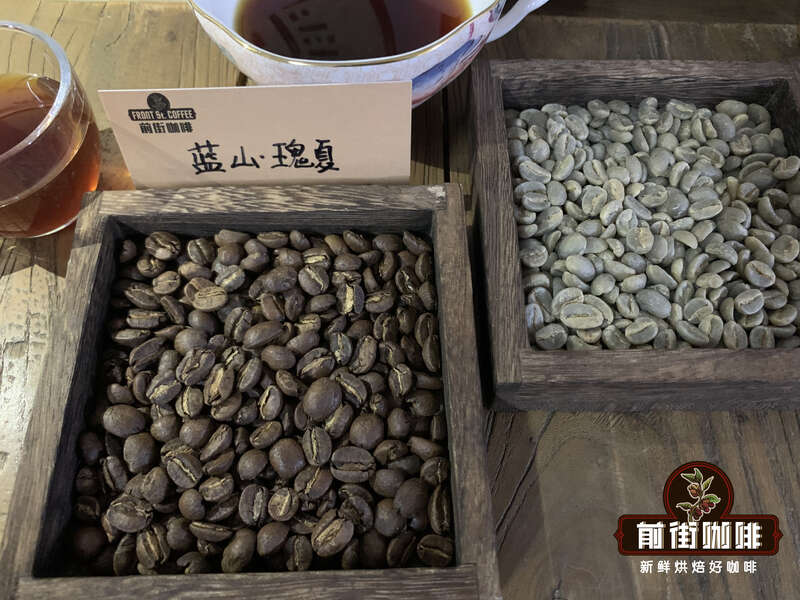
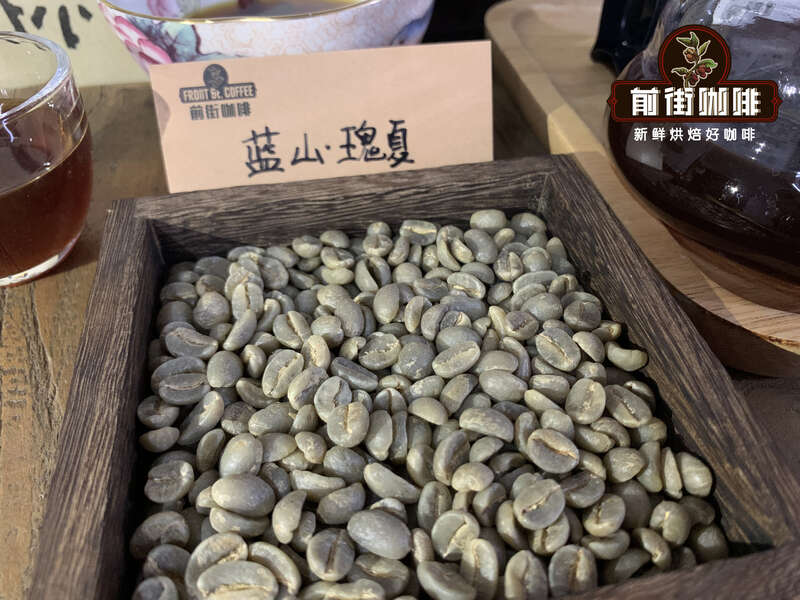
The washed process is key to quality assurance: 12-18 hours of mucilage fermentation removes impurities, three rounds of washing in water channels ensure bean cleanliness, and slow drying under shade nets brings the beans to 12-14% moisture. Together these steps yield green beans with a jade-green color and pointed, elongated shape, reflecting excellent processing control.
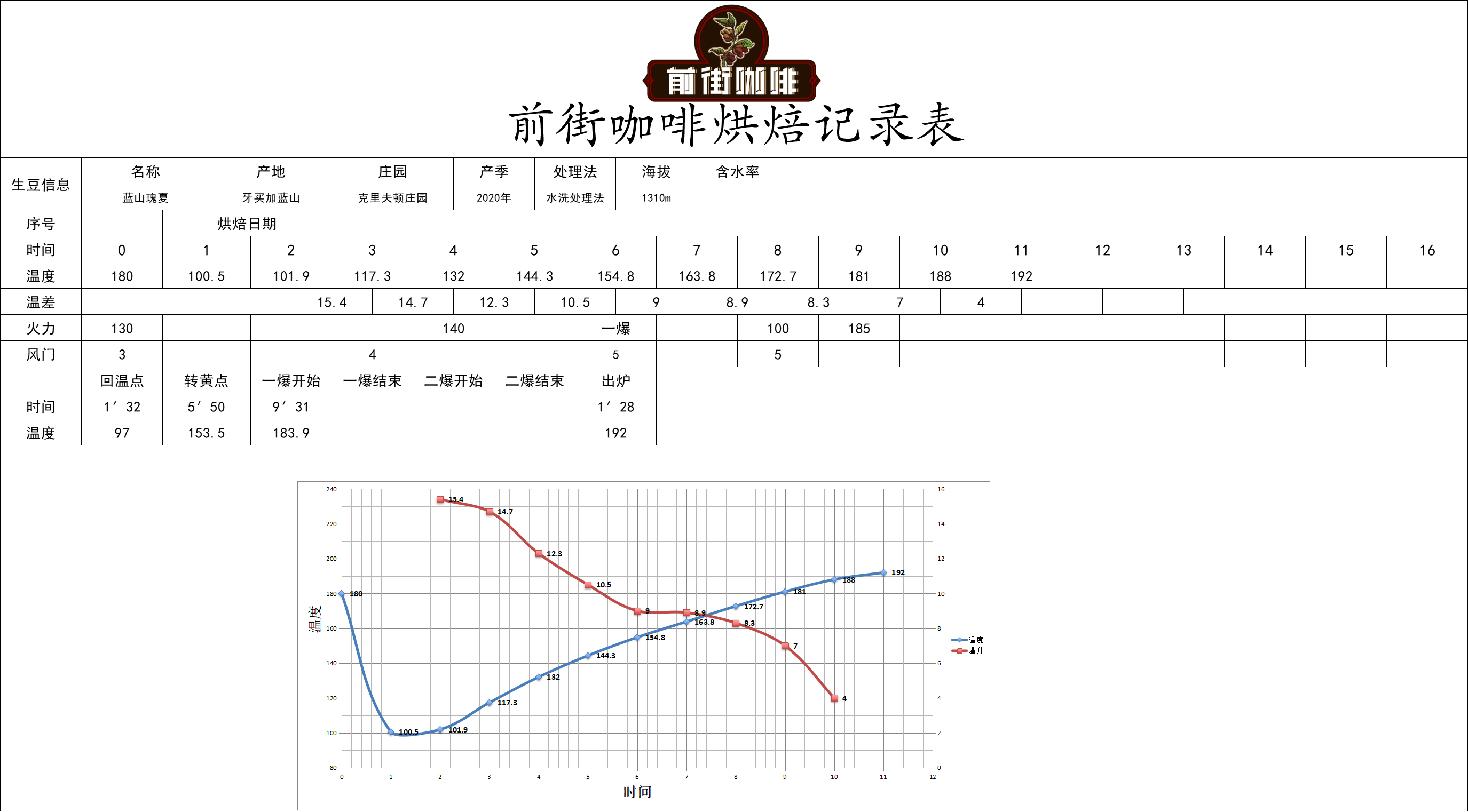
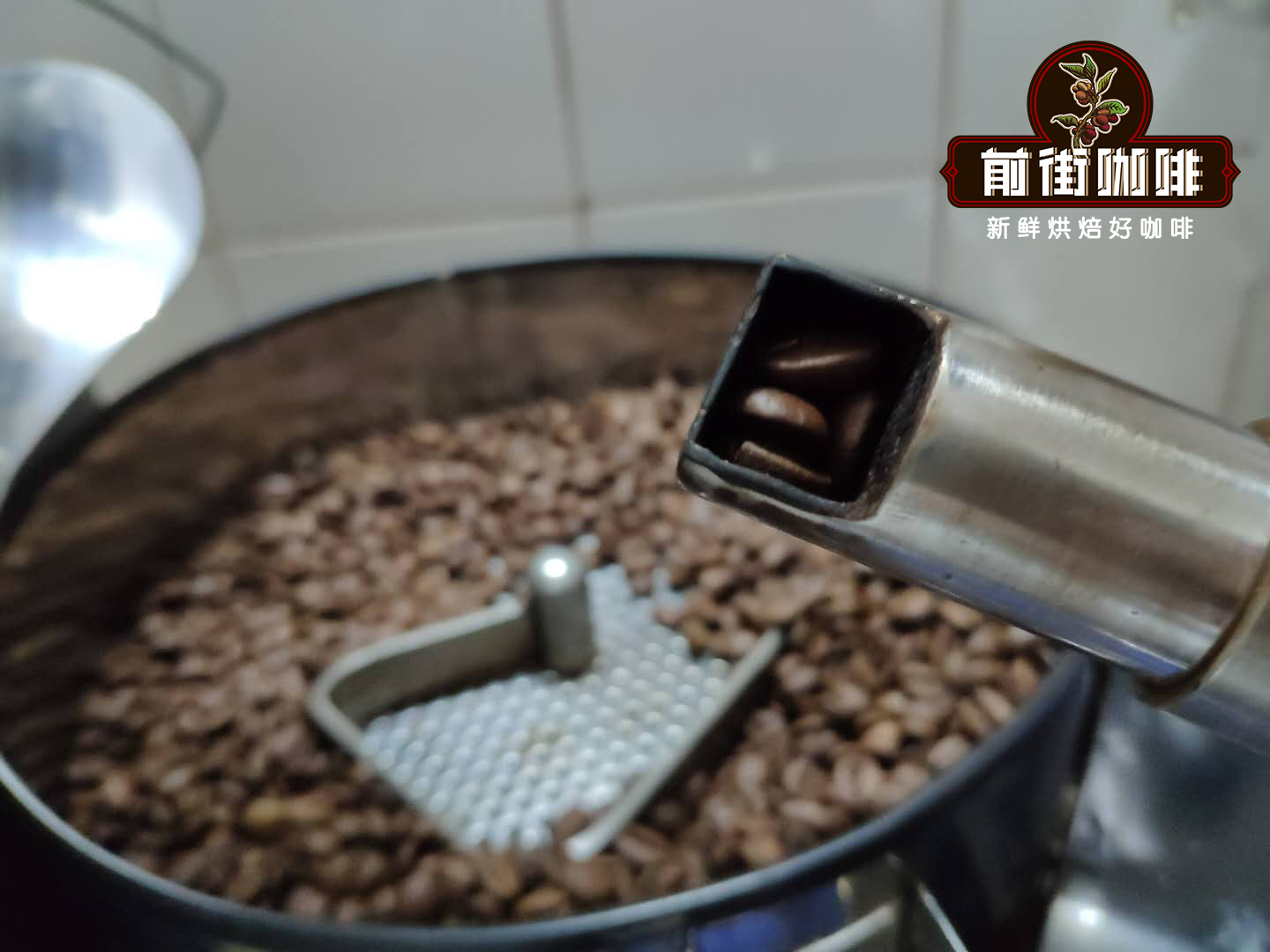
 For professional roasting, a light roast curve is recommended (charge at 180°C, develop 1 minute 28 seconds after first crack, drop at 192°C). This approach highlights Geisha's citric acidity and tropical fruit notes while moderate development preserves the region's layered nutty flavors. Keep the heat steady at 140 before first crack to avoid excessive caramelization masking the floral and fruity aromas.
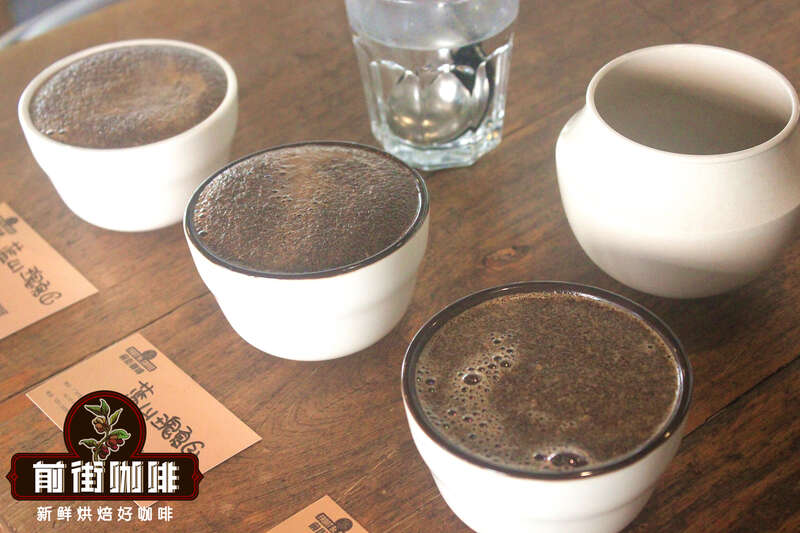
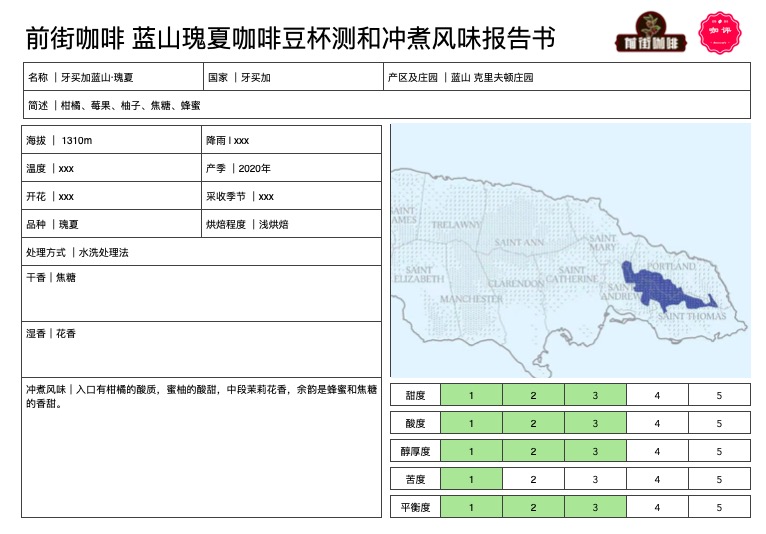
Cupping data (grind: 70-75% passing a No. 20 sieve, water at 94°C): the dry aroma shows white florals mixed with fresh bread, while the wet aroma turns to a blend of citrus fruit and honey. In the cup, bright acidity of gardenia and passion fruit opens, followed by caramelized sugar sweetness mid-palate, and a finish of dark chocolate and cedar typical of Blue Mountain.
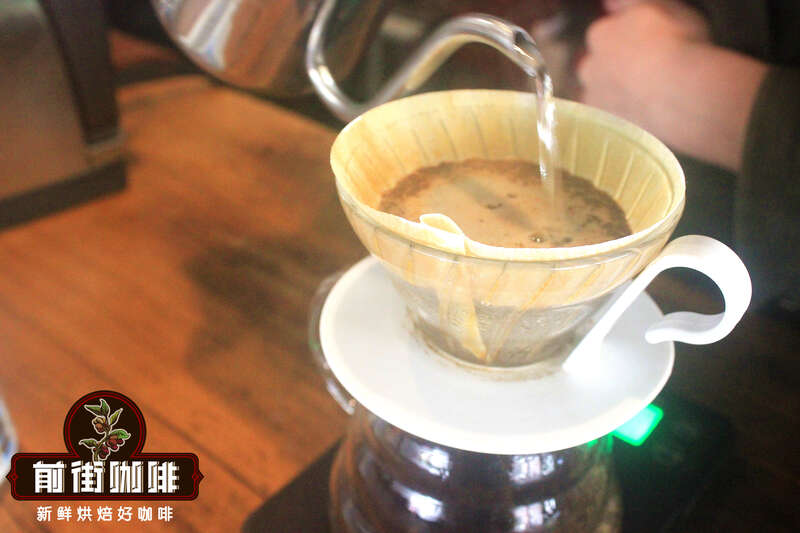
 For home brewing, a V60 dripper is recommended with these parameters: 15 g coffee, 1:15 ratio, 91°C water, grind at 78% passing a No. 20 sieve. The staged pour is: 30 g bloom for 30 seconds, then 100 g in a central spiral (pour rate controlled over 2 minutes), and finally 95 g to reach 225 g total. Maintain an even pouring rhythm throughout; total extraction time is about 1 minute 52 seconds, maximizing the balance of floral-fruity aroma and full body.
Note that this Blue Mountain Geisha is at its best 7-21 days after roasting; store it away from light in a foil bag with a one-way valve. Compared with the balanced, steady style of traditional Blue Mountain No. 1, the new Geisha suits advanced drinkers seeking bright acidity and layered flavors, and its scarcity—under 500 kg per lot—adds collectible value.