Brazil's Queen Farm Coffee Guide: Brewing, Price and Flavor
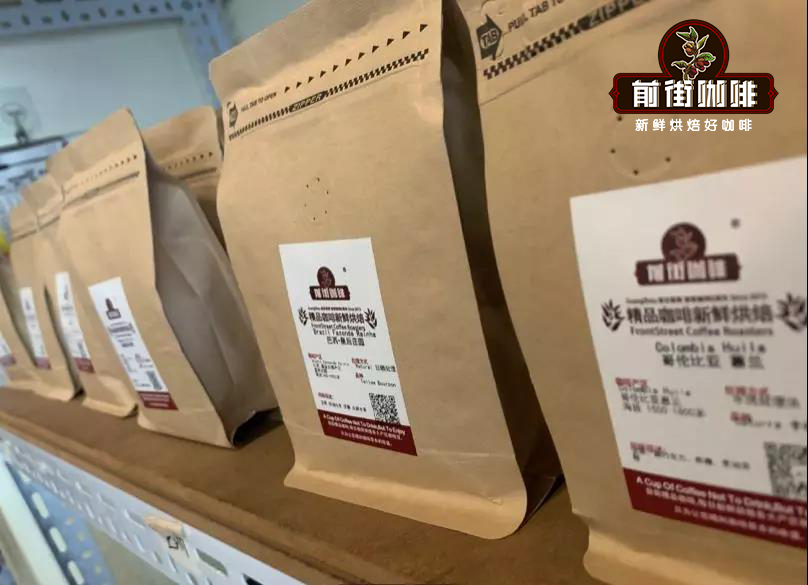
Introduction: Brazil is the world's largest coffee producer, and its coffee beans are known for their unique flavors and consistent quality. This article takes an in-depth look at the correct brewing method, market price range, and classic flavor characteristics of Brazil's Queen Farm coffee, while also guiding you through the complete knowledge system of Brazilian coffee, from its planting history and producing regions to its processing methods, helping you fully grasp the appeal of this coffee giant.
When it comes to Brazilian coffee, it must be mentioned that it is the world's largest coffee producer and also the world's second-largest coffee consumer (after the United States). Brazilian coffee is famous not only for its staggering output but also because its unique geographical environment and long planting history have given rise to coffee beans of diverse styles. From plains to highlands, from natural process to washed process, the world of Brazilian coffee is far richer than one might imagine.
Coffee cultivation in Brazil is mainly concentrated in relatively flat areas. Unlike many traditional producing regions that rely on high altitude and shade growing, Brazil developed improved Arabica coffee trees suited to plains environments decades ago. These coffee trees need neither high mountains nor shade and can be planted directly on sunny grassland. Because the altitude is generally only a few hundred meters, with some regions even located on flat ground, this growing environment causes the coffee cherries to ripen faster, with relatively simple flavor development; the beans' density (hardness) is lower than that of high-altitude regions, fruit acidity is weaker, and the flavor layers are relatively one-dimensional.
There are, however, some special exceptions. For example, Rio coffee from coastal areas sometimes develops a distinctive iodine and salty flavor due to microbial action, but this flavor does not appear every year, and most coffee lovers do not favor it. Only a small number of consumers in Middle Eastern countries, who are accustomed to drinking coffee with sugar, are relatively more accepting of this unique flavor.
Brazil's coffee planting history can be traced back to the 1720s, when coffee was first introduced from French Guiana. According to legend, a Portuguese captain, Francisco de Melo Palheta, succeeded in winning the heart of the wife of the governor of French Guiana, and through her brought coffee seeds into Brazil. Coffee spread rapidly in Brazil, expanding from the north all the way to the southeast, especially São Paulo state. By 1845, Brazilian coffee already accounted for 45% of global production and had become the economic pillar of São Paulo state.
However, the Brazilian coffee industry has also gone through several major crises. Before the 1990s, the government implemented strict price protection and intervention policies for coffee, leading to long-term overproduction. The collapse of the European market in 1940 nearly brought the Brazilian coffee industry to a standstill, and it was only alleviated by large-scale purchases from the United States. Then, during the Cold War in the 1960s, the problem of oversupply broke out again, and global coffee prices even fell below production costs, prompting more than 60 countries to sign the International Coffee Agreement to stabilize prices through a quota system. Unfortunately, the agreement was terminated in 1989, and the coffee crisis remains a shadow that many producing regions find hard to escape.
Today Brazil has about 3.97 billion coffee trees, 75% of which are grown by small farmers. Although coffee's share of Brazil's GDP has fallen to 8%–10%, its influence on global coffee prices remains enormous. For example, climate disasters in the 1950s and the two frosts in 1975 and 1994 all triggered violent fluctuations in global coffee prices.
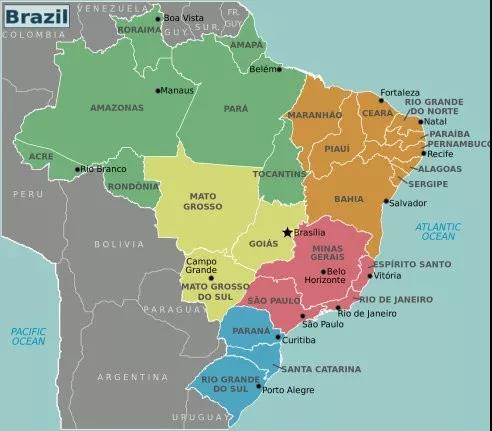
Brazil's main coffee producing regions are concentrated in Minas Gerais, São Paulo, Bahia, and Espírito Santo, which together account for 90% of the country's exports. Among them, Cerrado and Sul de Minas in Minas Gerais are known for higher altitudes and specialty coffee. Cerrado is located in western Minas Gerais, at altitudes of 750 to 1,200 meters; it is a flat plateau with a stable climate and is an ideal region for natural processing. Sul de Minas, at altitudes of 700 to 1,200 meters, has hilly terrain and was the early birthplace of Brazilian coffee commercialization; today it is mostly mechanically harvested.
Other important regions include Mogiana, near southern Minas Gerais, known for a small-scale farm model that combines tradition and modernity; Paraná state, which developed a "closed planting system" to cope with declining yields per unit area; Bahia state, mainly focused on washed processing and Robusta cultivation; and Espírito Santo state, an important export base for Robusta.
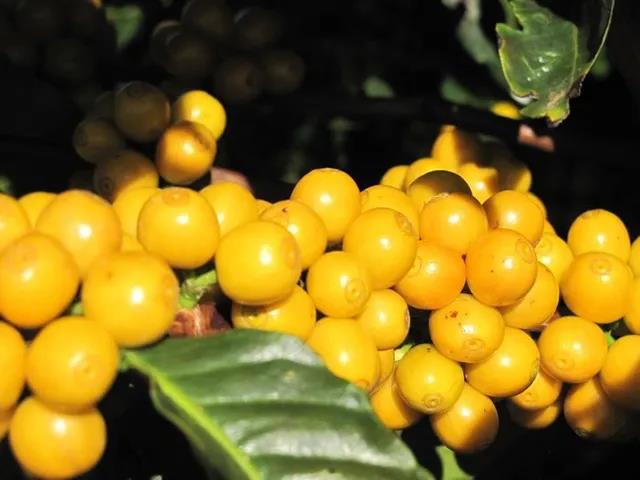
The coffee varieties grown in Brazil are diverse, including mainstream Arabica varieties such as Red Bourbon, Yellow Bourbon, Mundo Novo, and Catuai, as well as small amounts of Caturra, Laurina, and others. It is worth mentioning that Brazil is also one of the world's most important centers for coffee variety improvement; the globally widely planted Catimor variety originated from cooperation between Brazilian and Portuguese scientists.
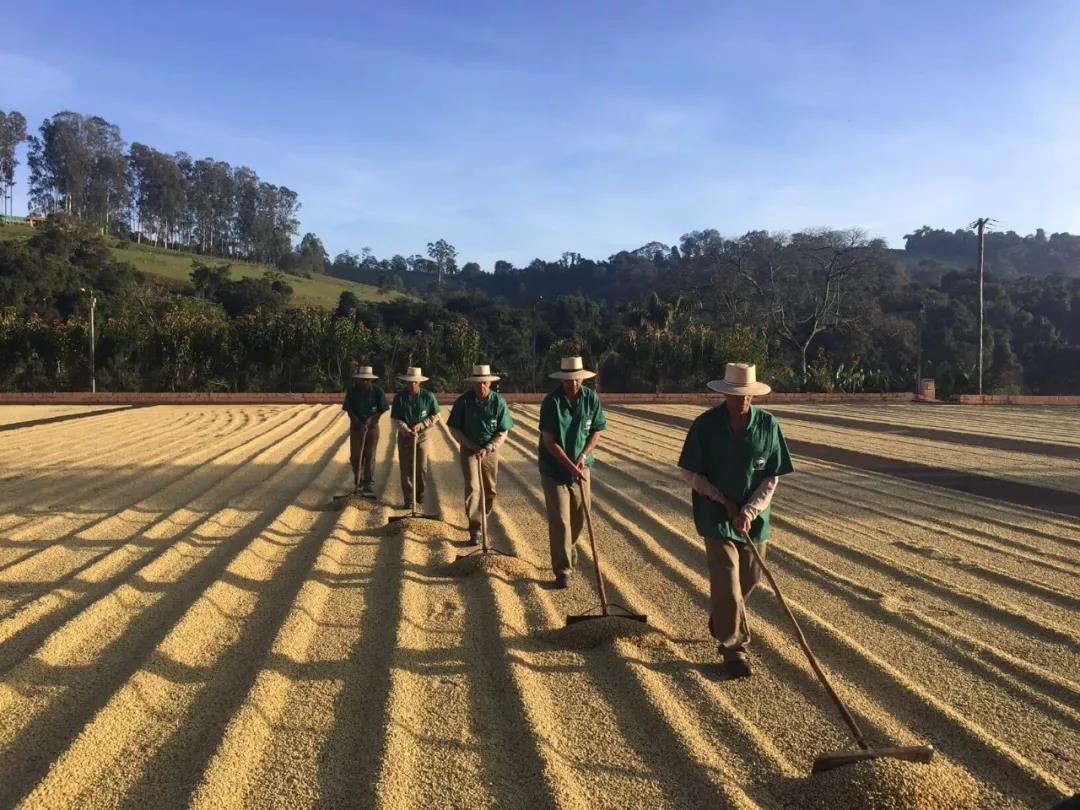
In terms of processing methods, because of its vast land and large volume, Brazil long relied mainly on natural processing, which also led some in the industry to form a stereotype of it as "rough." However, since the promotion of the pulped natural method (removing the skin and pulp along with part of the mucilage, then washing and drying) in the 1990s, the quality of Brazilian coffee has improved significantly, gradually overturning this prejudice.
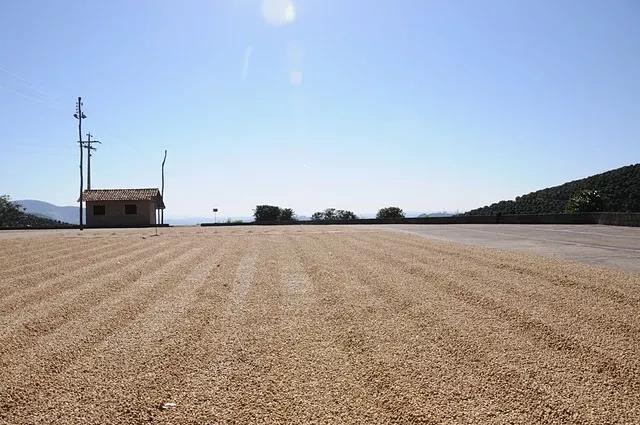
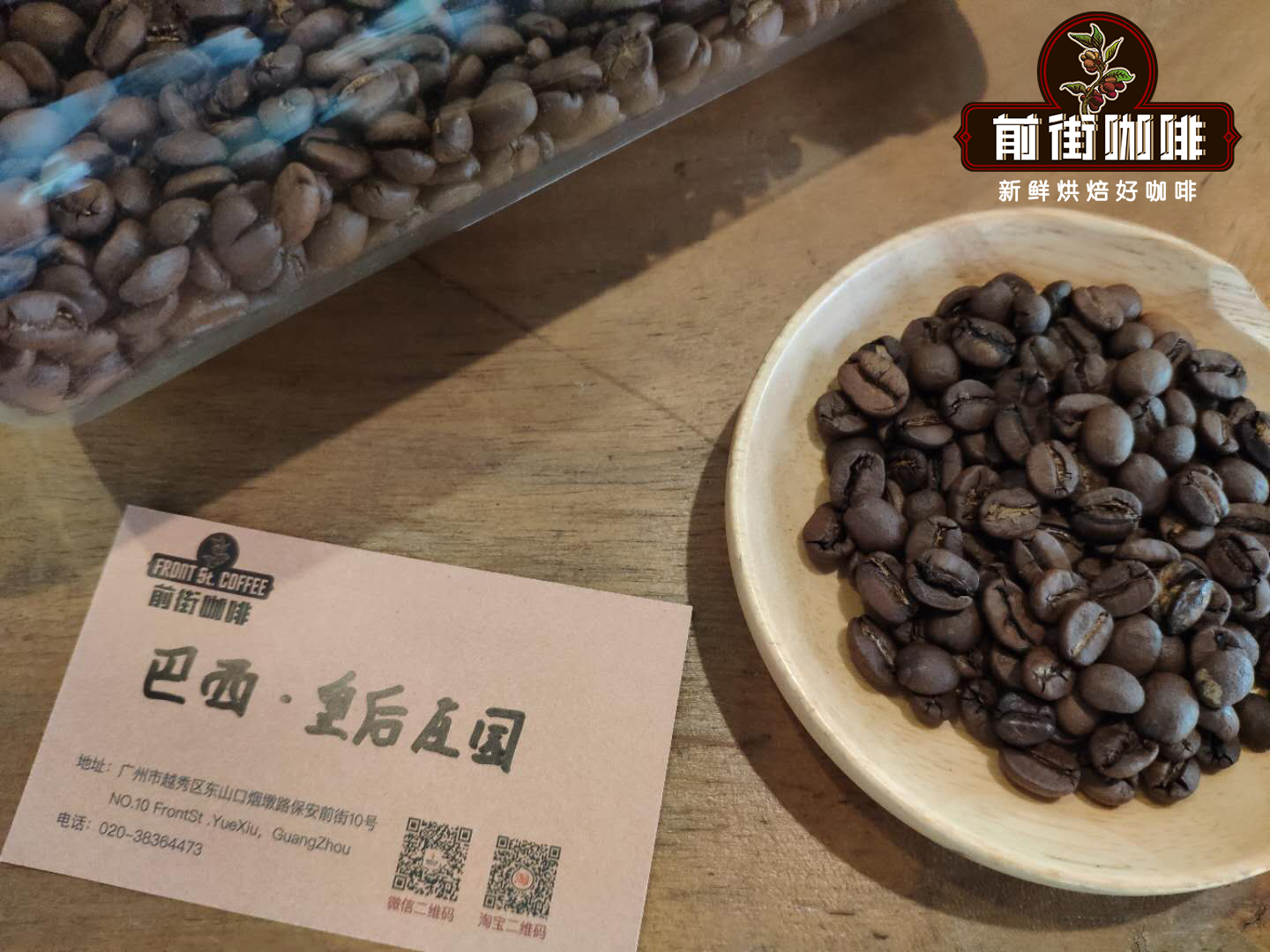
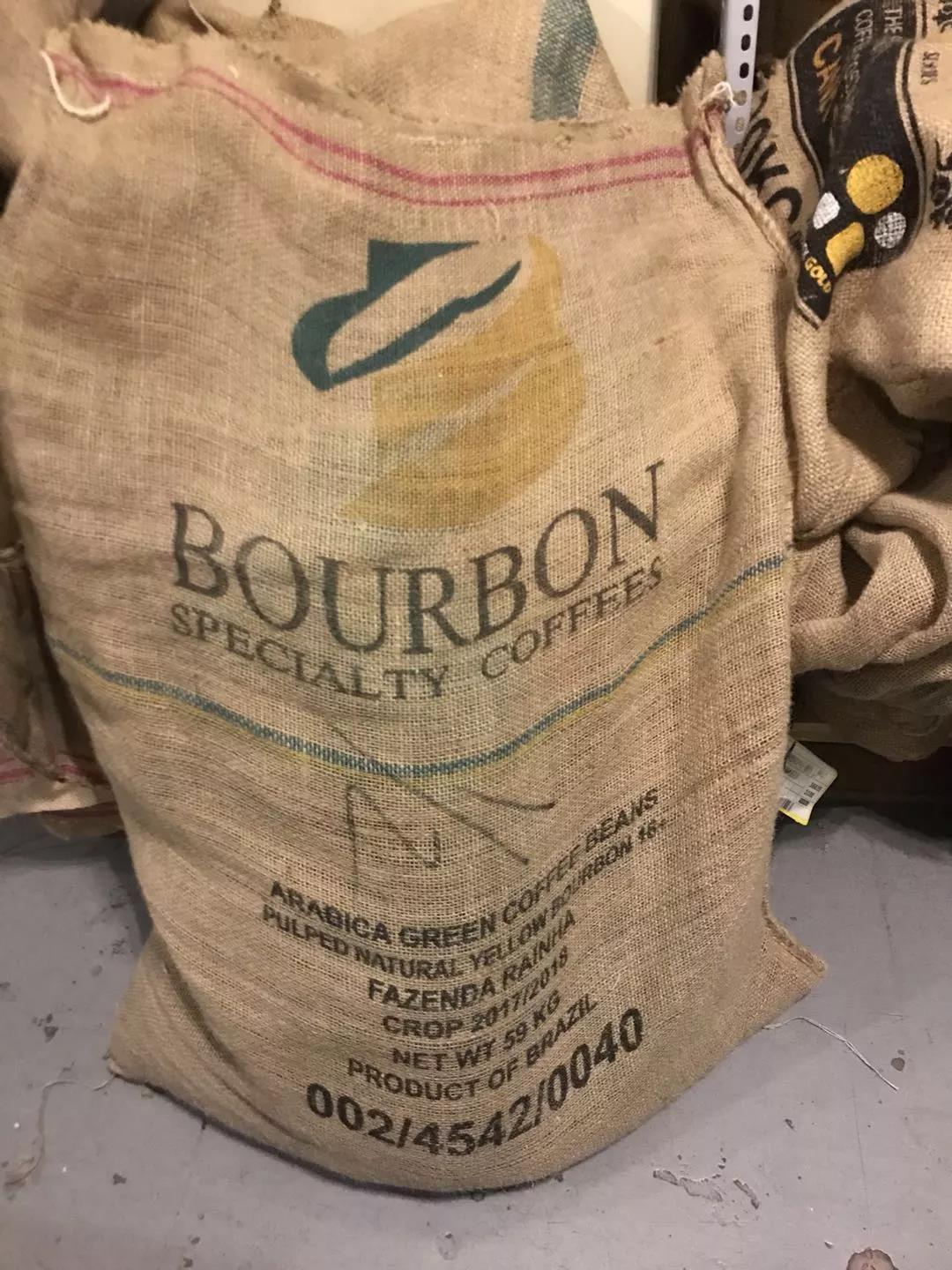
Among the many Brazilian specialty coffee farms, Fazenda Rainha in Mogiana is particularly well known. The farm belongs to the Carvalho Dias family and has won numerous awards since the first Brazil Cup of Excellence competition in 1999, with more than 12 awards in total, including the championship in 2004. Fazenda Rainha lies at altitudes between 1,400 and 1,950 meters, mainly grows the Yellow Bourbon variety, and uses natural processing; it is an excellent choice for experiencing high-quality Brazilian coffee.
For brewing Queen Farm coffee, a V60 dripper is recommended, with water temperature controlled at 90°C, a coffee-to-water ratio of 1:15, and a medium-fine grind (similar to BG#6S). A staged extraction can be used: first bloom with 30 grams of water for 30 seconds, then pour in a slow circular stream until the water reaches 125 grams and pause, then continue pouring until 225 grams when the water level is about to expose the coffee bed, and remove the dripper when the bed is exposed again; the whole process takes about 2 minutes. This method fully brings out the coffee's layers and sweetness.
In terms of flavor, this coffee shows pronounced sweetness and a soft lemon aroma, with nutty flavors running throughout and a rich dark chocolate note in the finish. The overall mouthfeel is round and full, possessing both the typical characteristics of Brazilian coffee and a unique lively personality, making it very suitable for coffee lovers who enjoy balanced taste and rich layers.
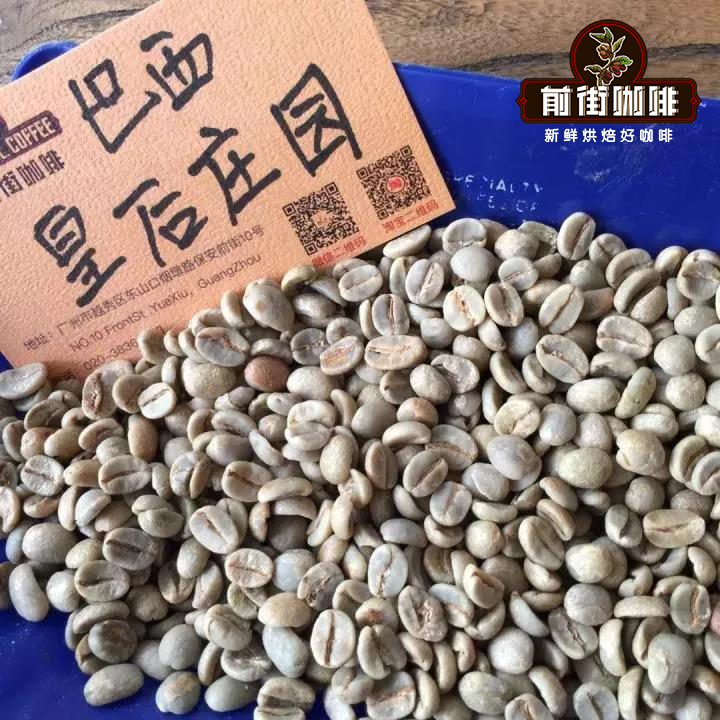
In summary, Brazilian coffee is not just about "big volume and full bellies"; it also holds a position in the specialty coffee world that cannot be ignored. Whether for daily drinking or in-depth tasting, understanding Brazilian coffee's producing regions, varieties, and processing methods will help you better savor the terroir and craftsmanship behind every cup.