Brazil's Queen Farm Coffee: Grading, Bourbon Varieties and Pour-Over Guide
Introduction: As the world's largest coffee producer, why is Brazil's Queen Farm Yellow Bourbon coffee so highly regarded? This article takes a deep look at Brazil's coffee grading system and Queen Farm's award history, explains the differences between the Yellow Bourbon and Red Bourbon varieties, and provides professional-level roasting and pour-over parameters. From growing altitude to processing method, it helps you fully grasp the flavor code of Brazilian specialty coffee.
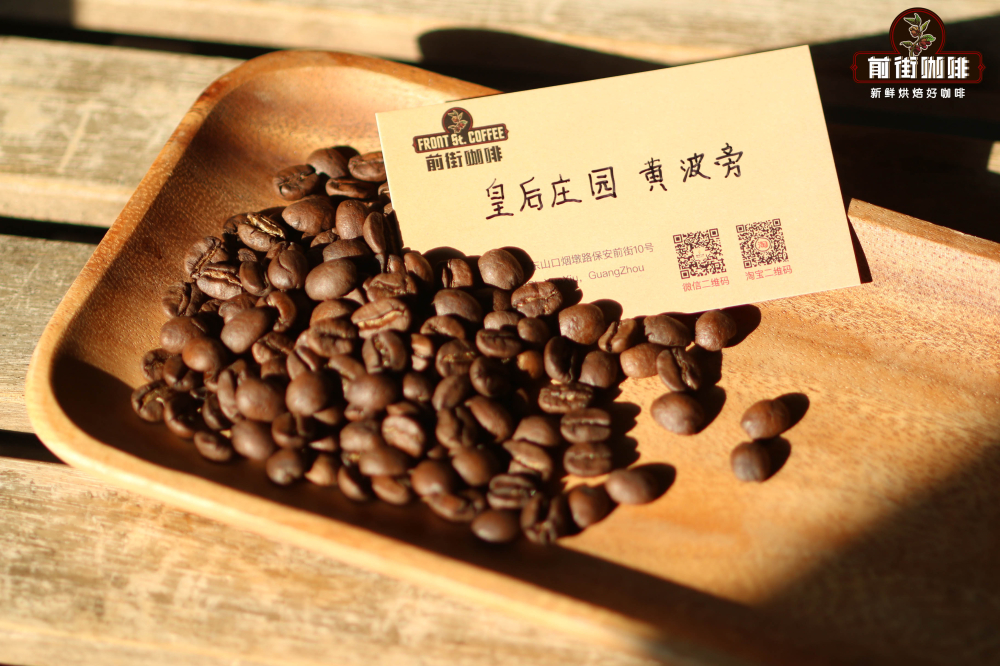
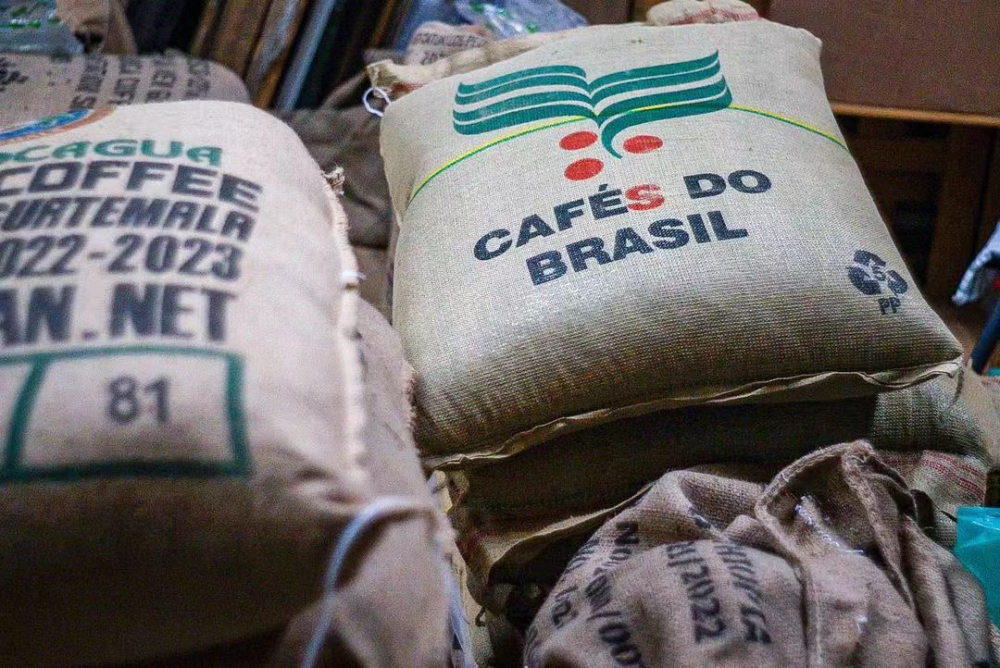
Brazil firmly holds the top spot in world coffee production, and Queen Farm in São Paulo State, at an altitude of 1,400–1,950 meters, has become a model of the country's terroir with its Yellow Bourbon coffee, which has a nutty, creamy character. Belonging to the Carvalho Dias family, the farm has won more than 12 awards since the first Brazil Cup of Excellence in 1999, and in 2004 it took first, second and third places among other honors.
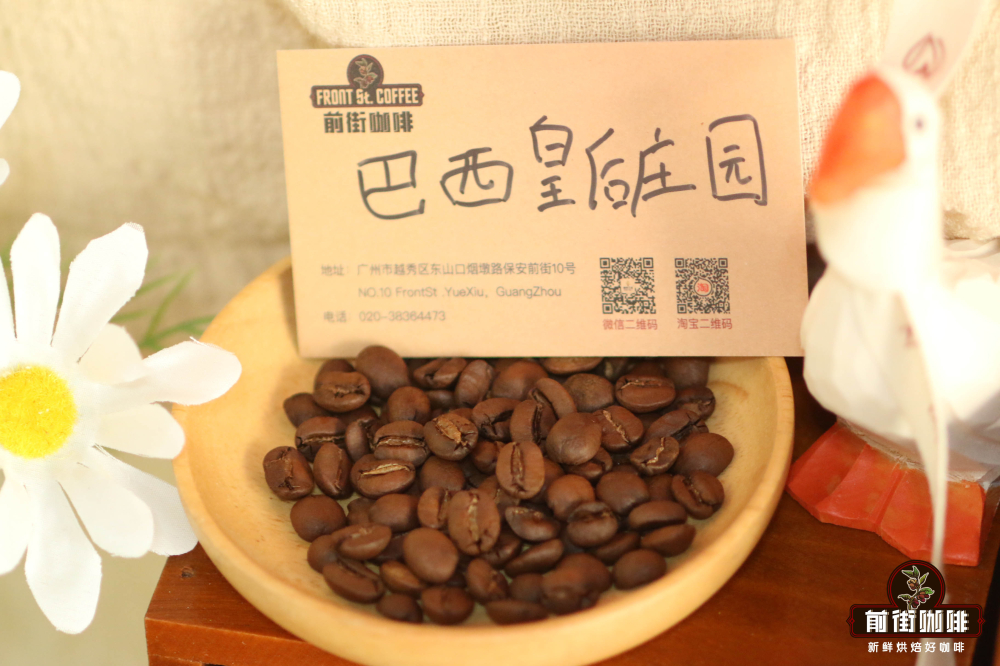
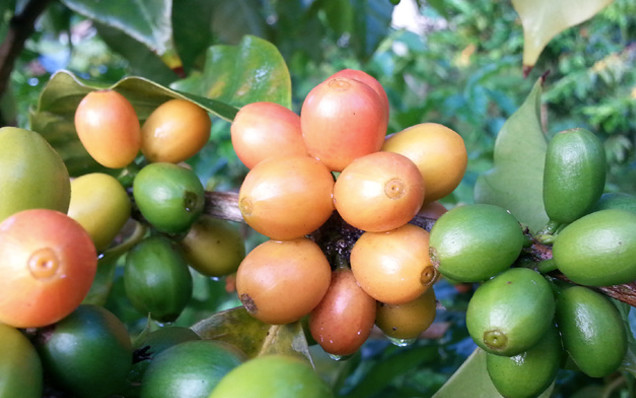
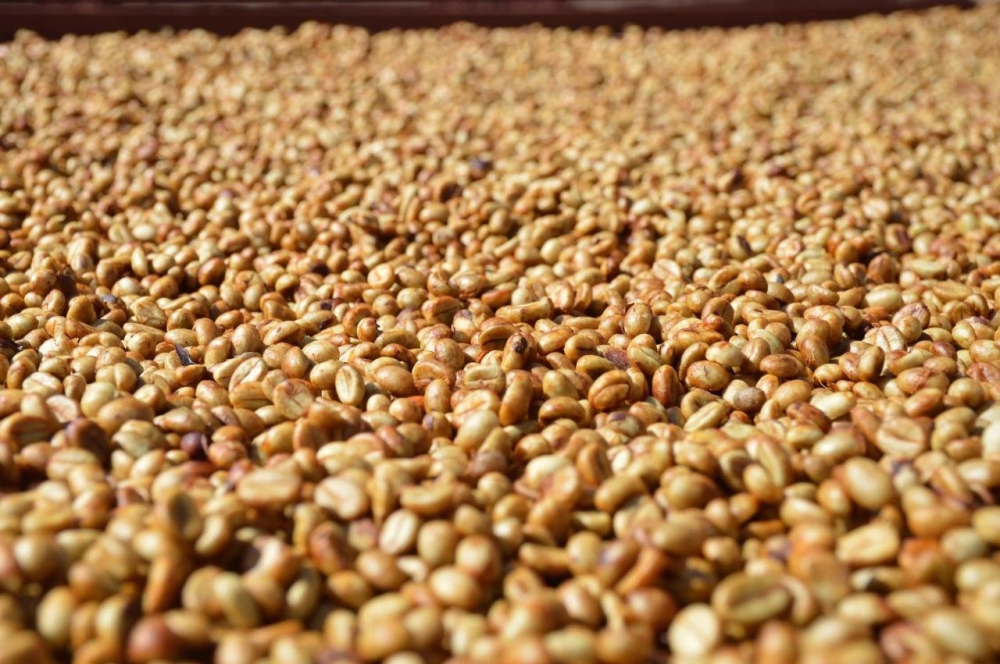
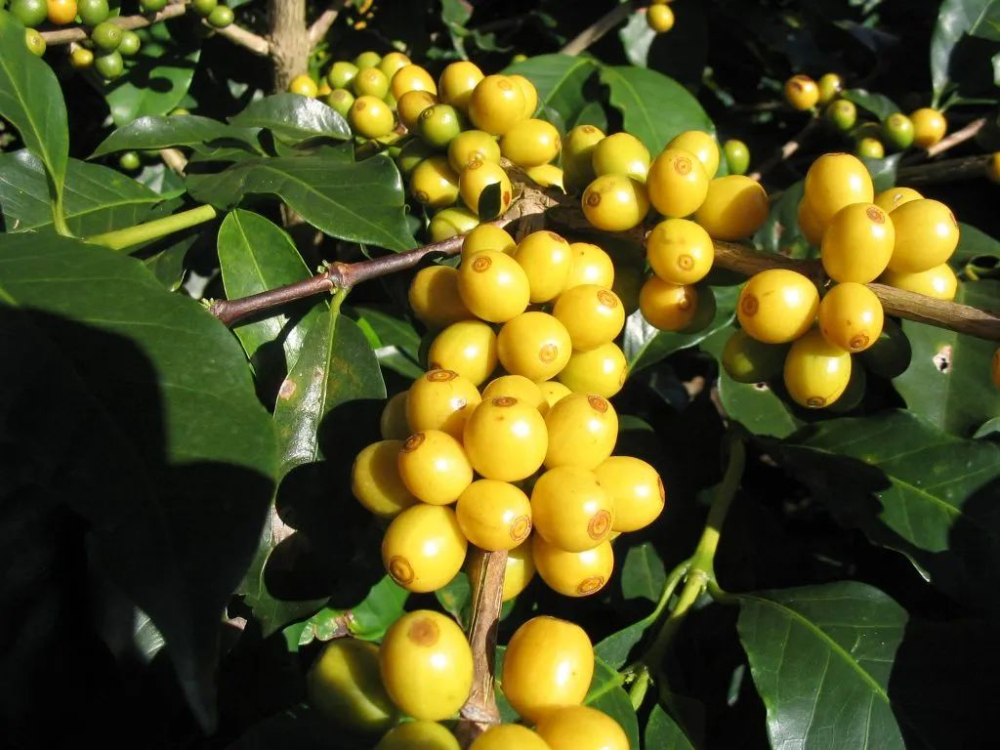
The farm is located in an area unsuitable for mechanization, and it insists on fully hand-picking high-altitude Yellow Bourbon—a Bourbon genetic mutation that turns a distinctive orange-yellow when ripe. Compared with ordinary Red Bourbon, the high-altitude environment gives it brighter acidity and rich nutty-chocolate flavors, with particularly prominent cane-sugar sweetness. For processing, it uses the semi-washed (pulped natural) method, which avoids the off-flavors that traditional Brazilian natural processing easily produces while shortening the drying cycle through precise water control.
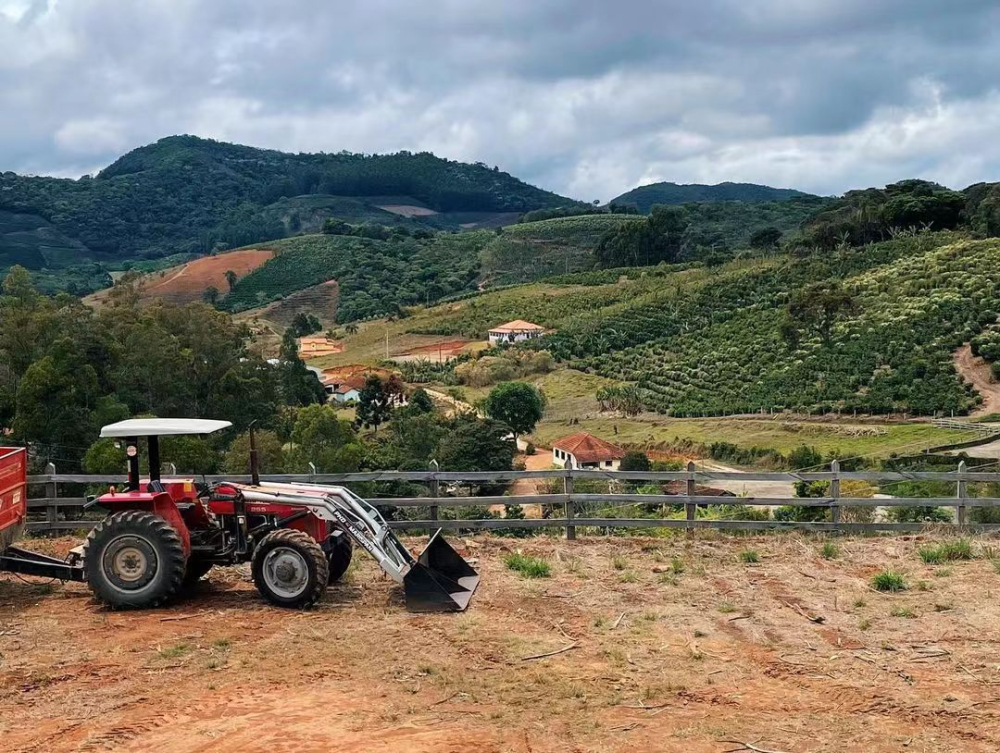
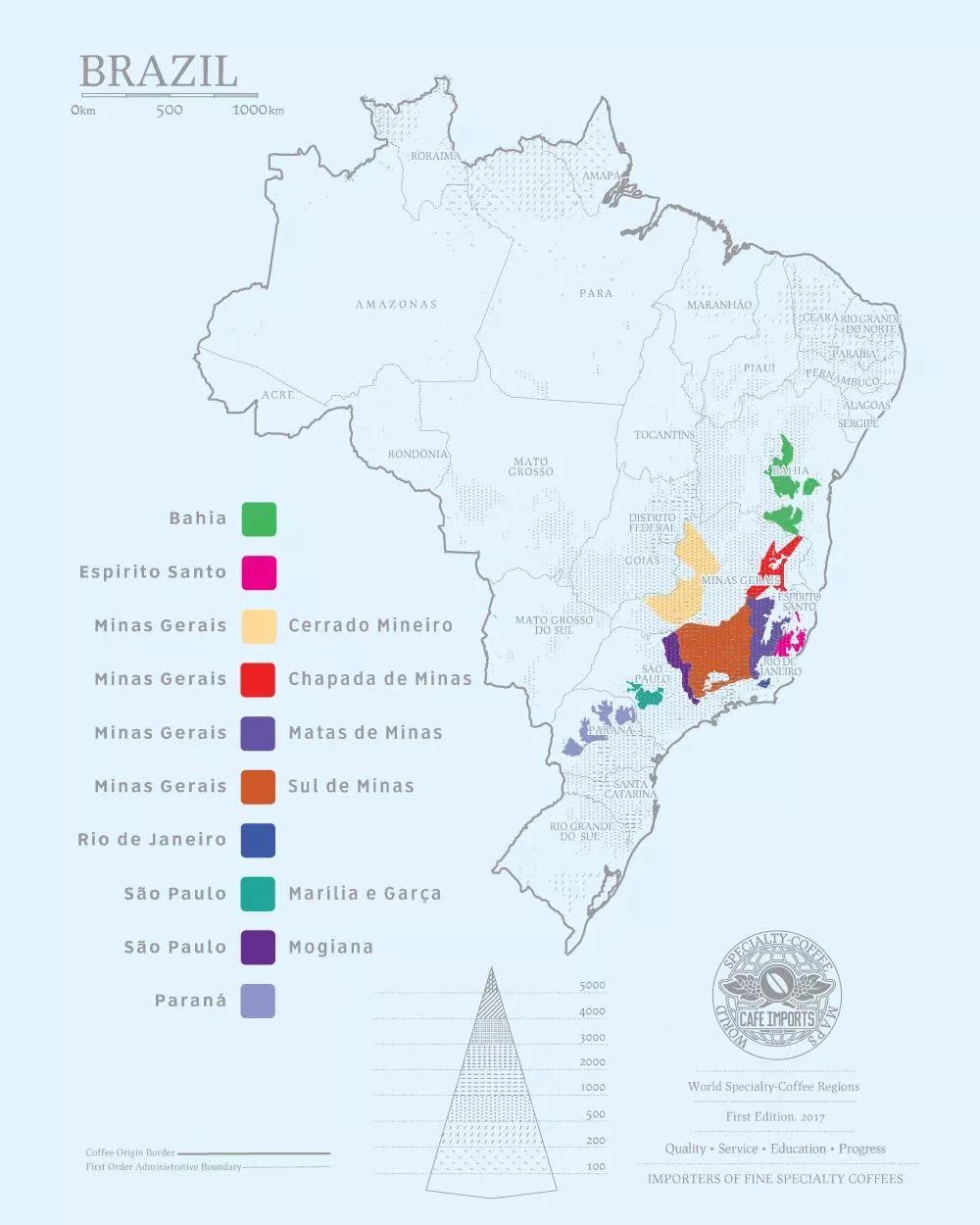
Brazil straddles the Equator and the Tropic of Capricorn, with one-third tropical rainforest climate and two-thirds tropical savanna climate forming an ideal growing belt. Of the country's 17 coffee-producing states, the four southern states contribute 98% of output, and São Paulo State is known for its shrub-intercropping model. The combination of modern cultivation techniques and traditional hillside farming, together with volcanic soil, has created the cradle of specialty coffees like Queen Farm.
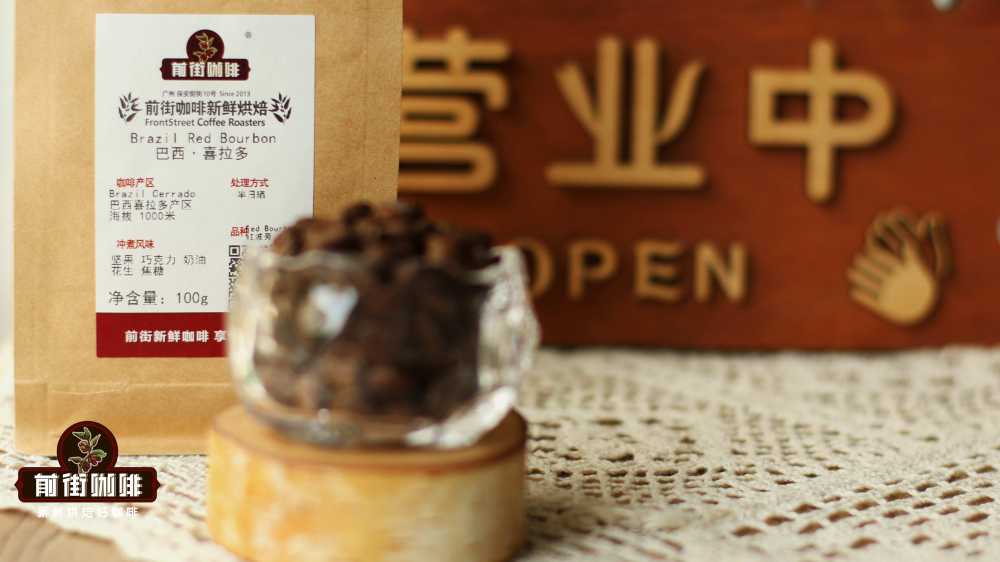
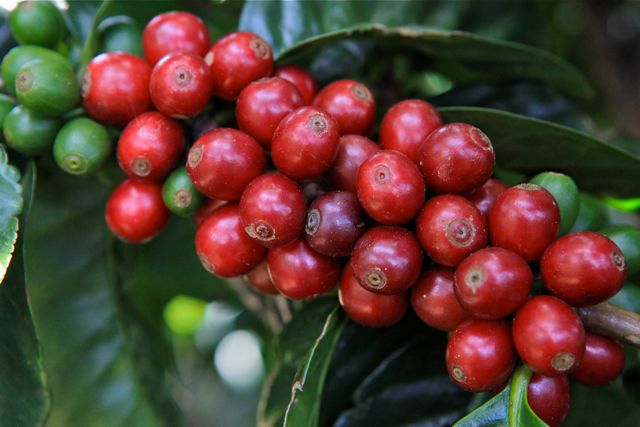
As a standout variant of the Bourbon family, Yellow Bourbon turns its signature orange-yellow once the fruit ripens. Compared with common Red Bourbon, high-altitude Yellow Bourbon usually has a richer nutty base, a silky creamy texture, and layers of complexity from fermented fruit.Note in particular that the Bourbon variety was first discovered on Réunion Island (formerly Bourbon Island) and arose as a natural mutation of Typica; existing derivatives include the rare Pink Bourbon.
Brazil's coffee grading system is unique: rather than relying on the concept of high-altitude hard beans, it evaluates coffee on four dimensions: bean size (17–18 screen is top grade), defect rate (NY.2 standard: no more than 6 defective beans per 300 g), cupping score (FC grade is the quality benchmark), and flavor (six levels from Strictly Soft to Rioy). The spread of semi-washed processing further highlights its technical innovation—this method combines the advantages of natural and washed processing and, where water resources are limited, controls fermentation after removing the mucilage, significantly reducing the risk of mold and improving cleanliness.
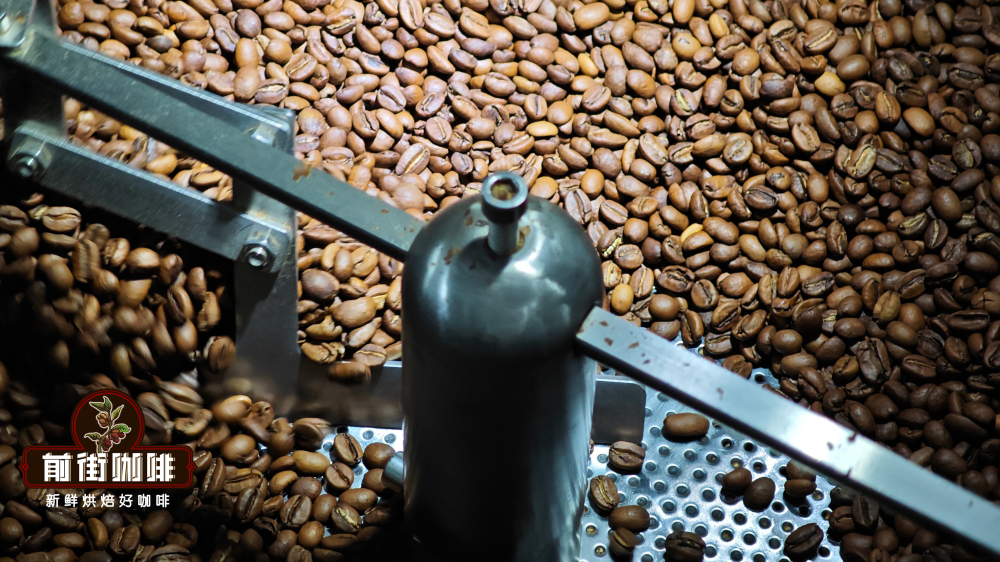
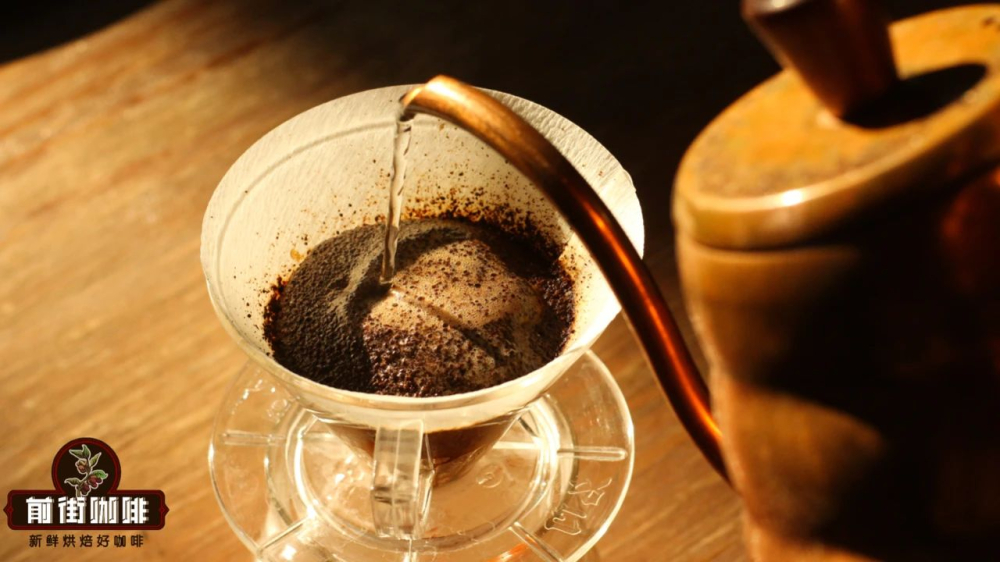
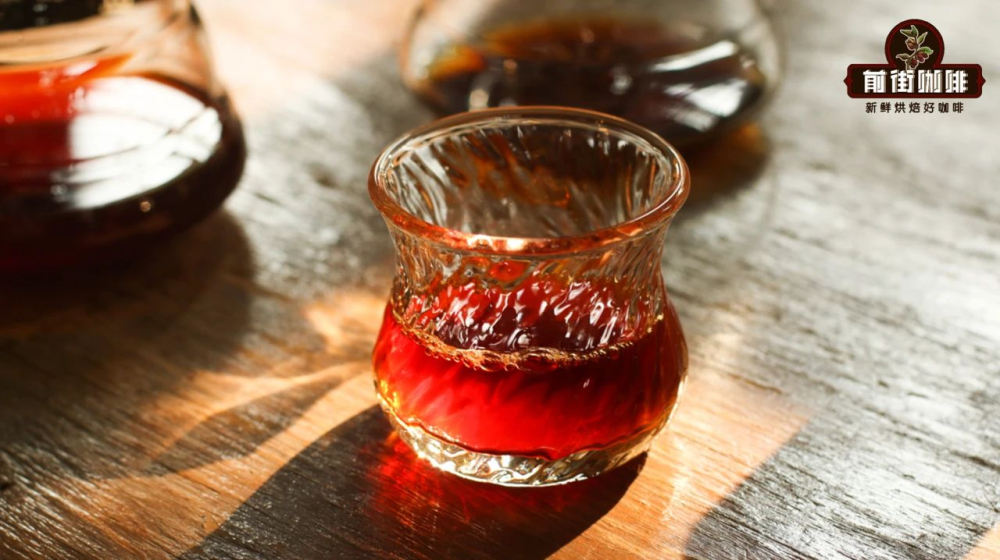
For the Yellow Bourbon variety, a medium-dark roast on a Yangjia 800N roaster is recommended: during the initial high-temperature dehydration stage at 200°C, keep the heat at 150; after wrinkling appears at 8'20", lower to 80°C for a slow roast at low heat, and keep the first-crack development phase to 3 minutes to fully release caramelized compounds.Suggested pour-over parameters: a KONO dripper with 15 g of coffee, 90°C water, a medium grind with 70% passing through a No. 20 sieve, a 30 g bloom for 30 seconds, then staged pouring up to a total of 225 g, with extraction completed in about 2 minutes. This approach balances the almond-cocoa base with a vivid cane-sugar sweetness for a full, rich drinking experience.
From the family's inherited ecological farming (such as using waterfall hydropower and maintaining native forest ecosystems) to its strict harvesting standards, every step at Queen Farm embodies the essence of Brazilian specialty coffee. Whether exploring the evolutionary history of the Bourbon family or putting the precise water-control techniques of semi-washed processing into practice, this South American land continues to offer coffee lovers around the world a rich flavor map and technical inspiration.