A complete guide to Asia's specialty coffee regions: flavors and representative varieties
Introduction: Asian coffee is known for its full, robust body. Different regions develop distinct flavors due to differences in climate and processing methods. This article provides an in-depth analysis of the geographical characteristics, mainstream processing techniques, and representative bean varieties of major Asian coffee regions such as Indonesia, Yunnan, and Papua New Guinea, helping coffee enthusiasts understand the diverse flavor layers ranging from earthy spice notes to bright fruit acidity, and grasp the key elements for selecting high-quality Asian coffee beans.
When Asian coffee is mentioned, most people first think of its full, steady body. Coffee from this region generally has a full body, noticeable sweetness, and relatively low acidity, though aroma complexity and brightness are more moderate. The mainstream processing methods are predominantly wet-processed and semi-wet-processed, with green beans having a uniform appearance, among which semi-wet-processed beans tend to have a darker color. These characteristics give Asian coffee a unique position in the global market.
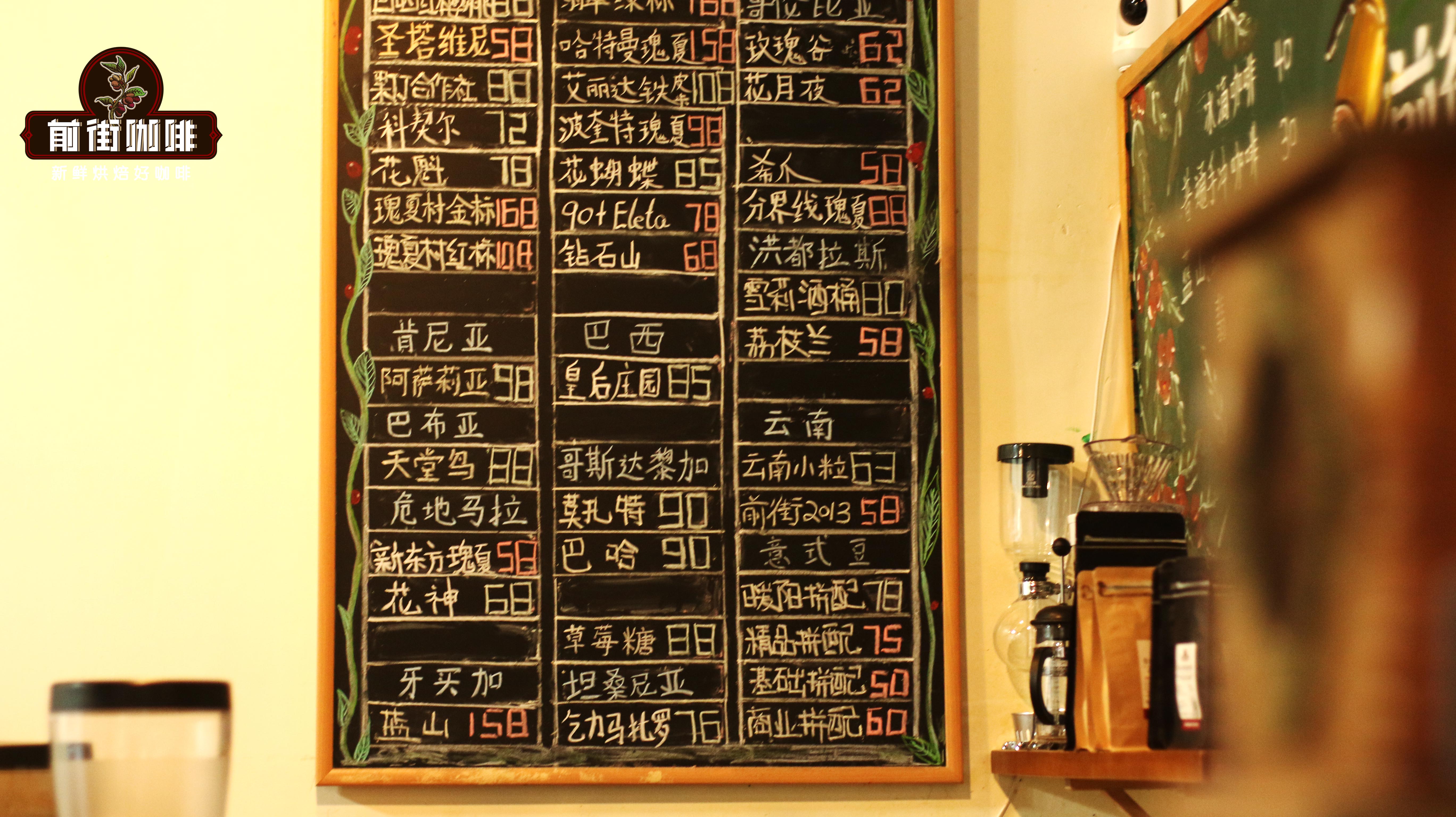
The overall style of Asian coffee can be summarized as follows: body exceeds that of Central and South American and African regions, acidity is soft, and it often carries notes of aged wood, herbs, spices, and earth; its low, muted fragrance is more recognizable than high-pitched acidity. Island-region coffees tend toward a lighter, milder profile with elegant tones. Next, we will focus on three typical regions and analyze their terroir codes and representative bean varieties.
Indonesia has the world's highest robusta production and is also an important arabica origin. The Dutch introduced coffee cultivation in 1696, initially succeeding on Java; later, an outbreak of leaf rust in 1877 nearly wiped out arabica, leading to large-scale planting of disease-resistant robusta. Currently, robusta accounts for 90%-94% of Indonesian coffee, while arabica accounts for only 6%-10%, with Mandheling being the most well-known arabica variety.
Indonesia's three major quality regions are Sumatra, Sulawesi, and Java. Sumatra is known for low acidity and high sweetness, and its coffee often shows caramel and dark chocolate base notes; Sulawesi coffee has a clear structure; Java's arabica retains bright fruit acidity and clean fruit aromas. Indonesia lies in a tropical rainforest climate zone, with an average annual temperature of 25-27°C, annual rainfall of 1600-2200mm, volcanic soil rich in minerals, and cultivation elevations concentrated between 900-2100 meters (main regions at about 1200 meters).
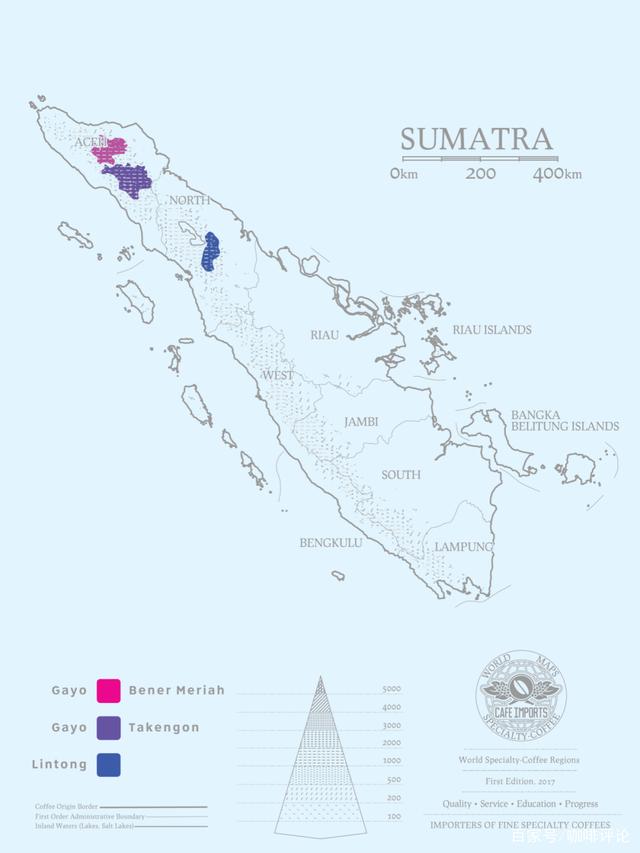
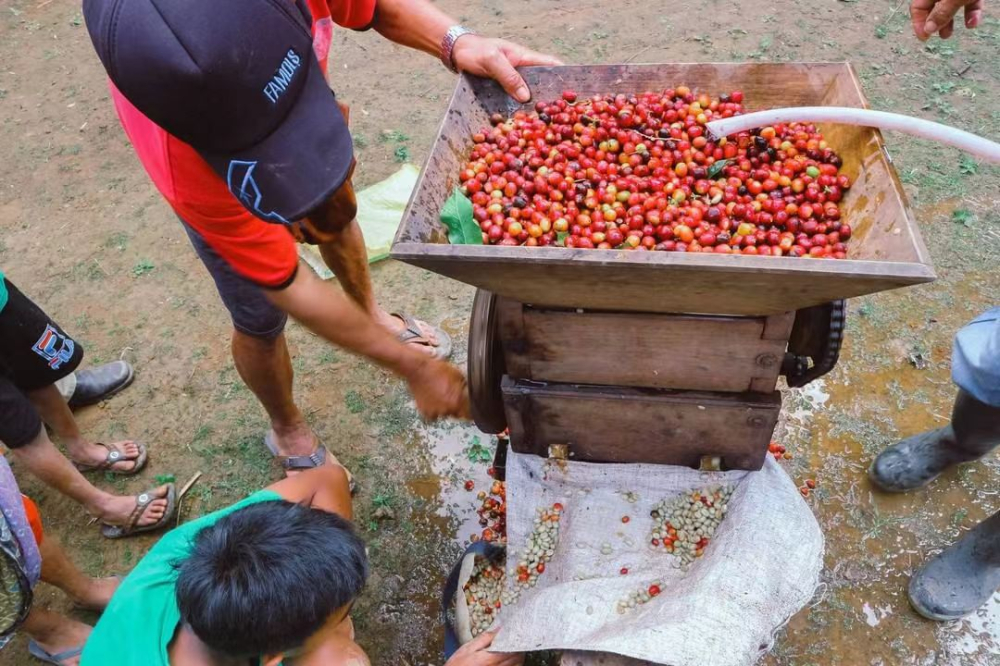
Indonesian coffee has two harvests per year: the main season is September-October, and the secondary season is May-June. The country's coffee planting area exceeds one million hectares, of which more than 95% is produced by smallholders, about 66% uses modern estate management, and the rest is distributed among traditional small farms. Notably, Indonesia developed the unique wet-hulling method (giling basah). Because the rainy season is long and sun-drying is difficult, and economic conditions limit the popularity of the washed method, this method removes the parchment after partial drying and then dries again, creating the classic flavor of low acidity, heavy body, and earthy/spice notes.
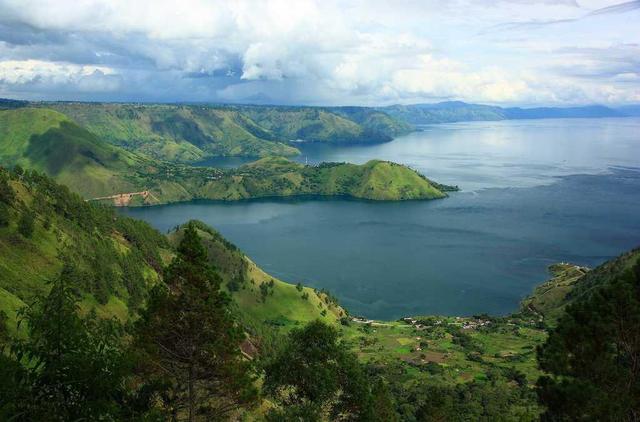
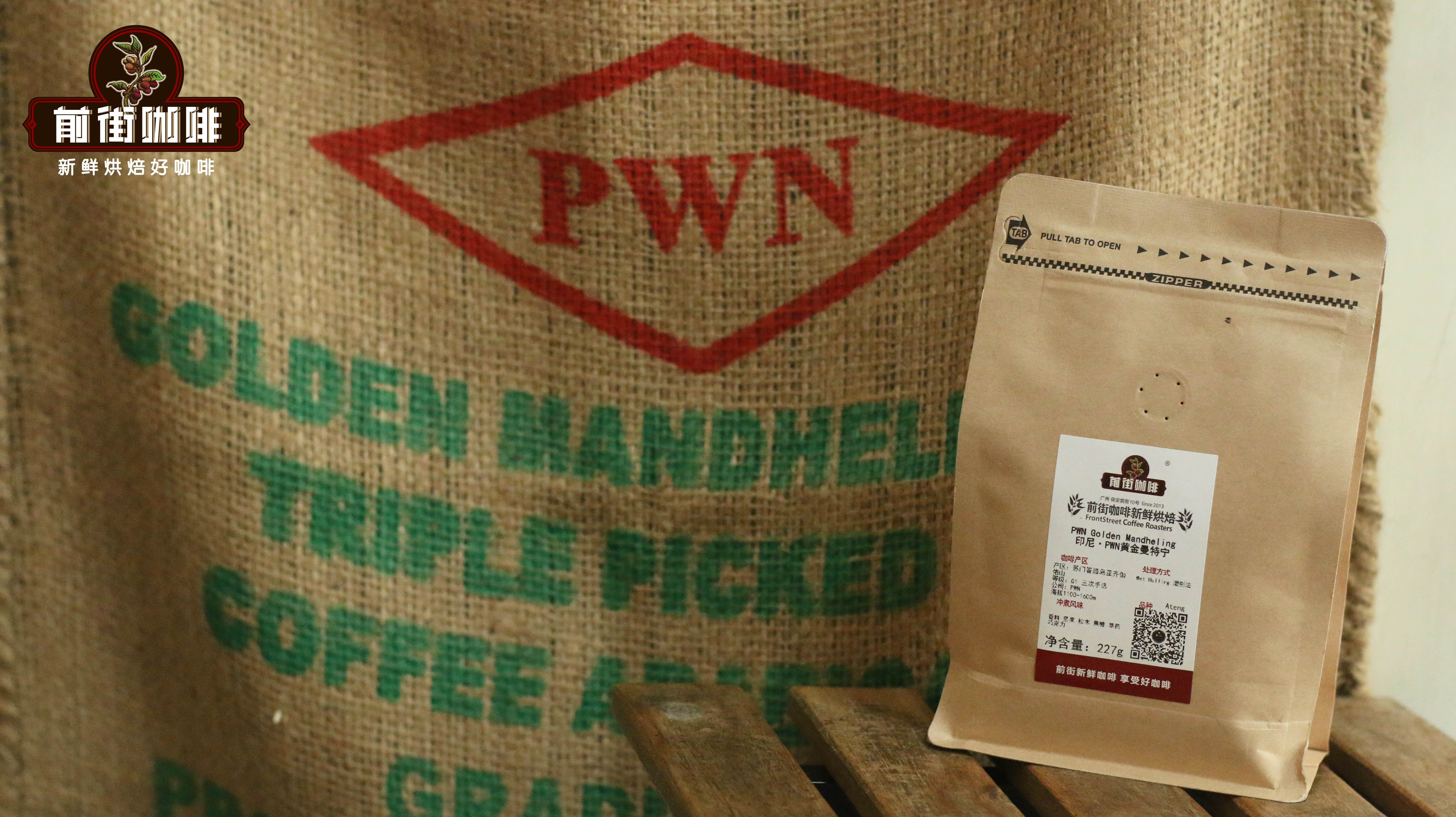
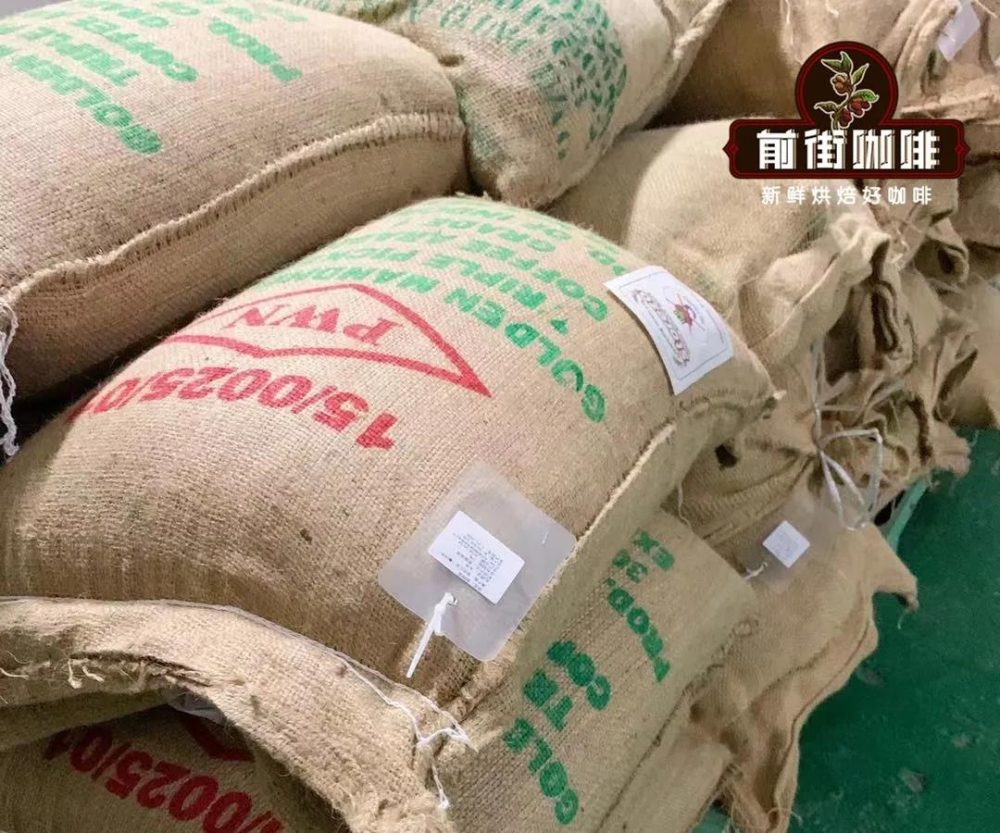
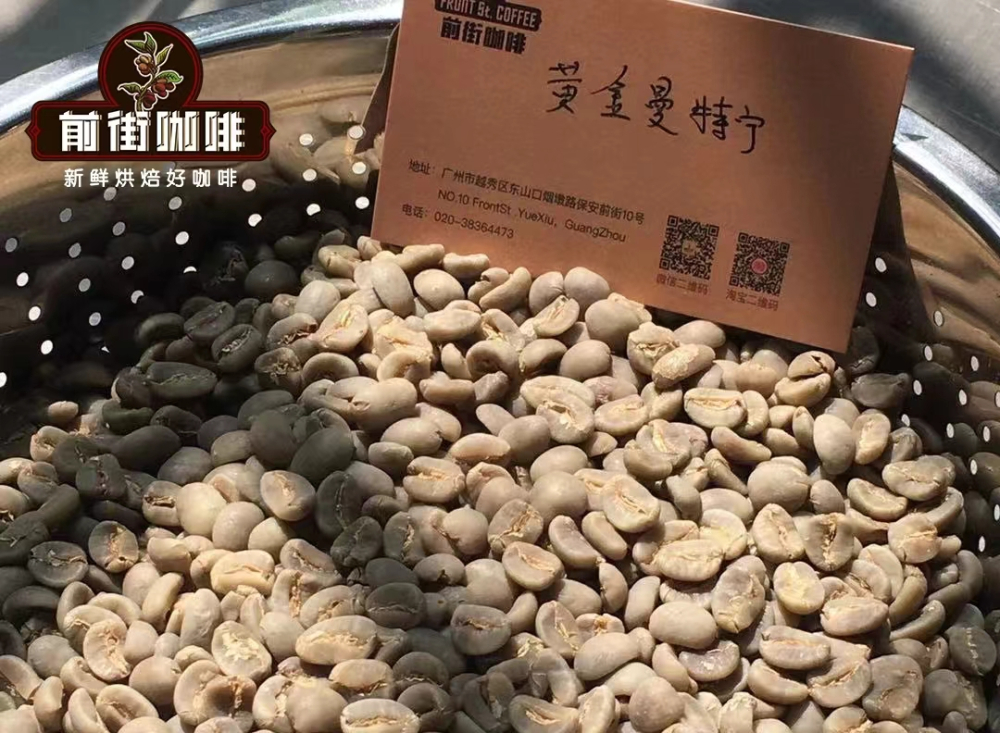
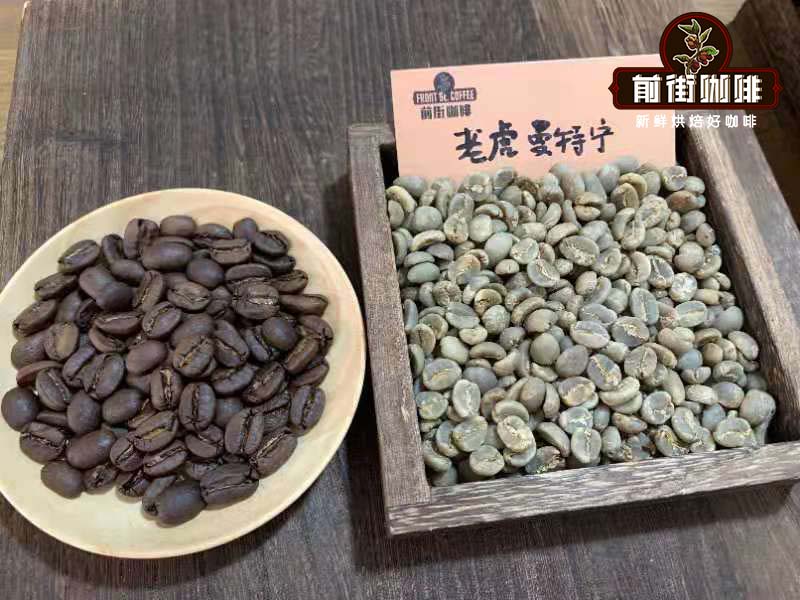
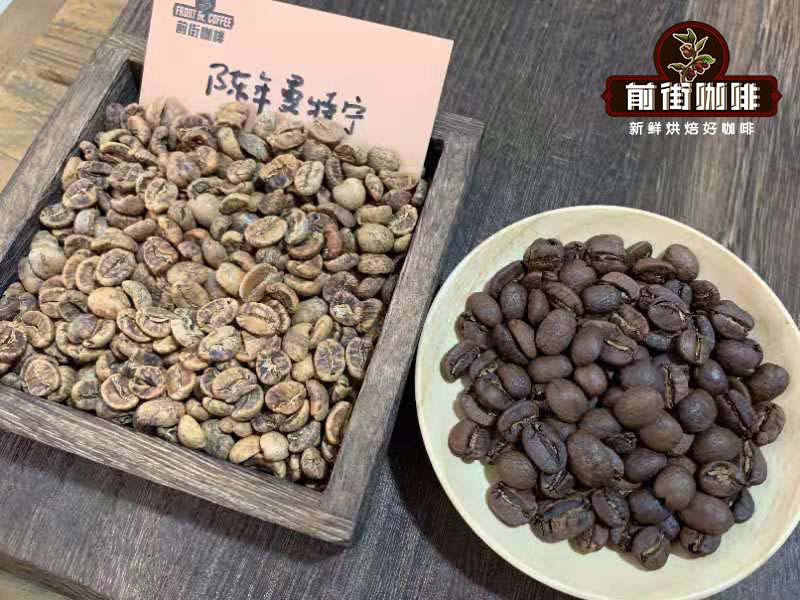
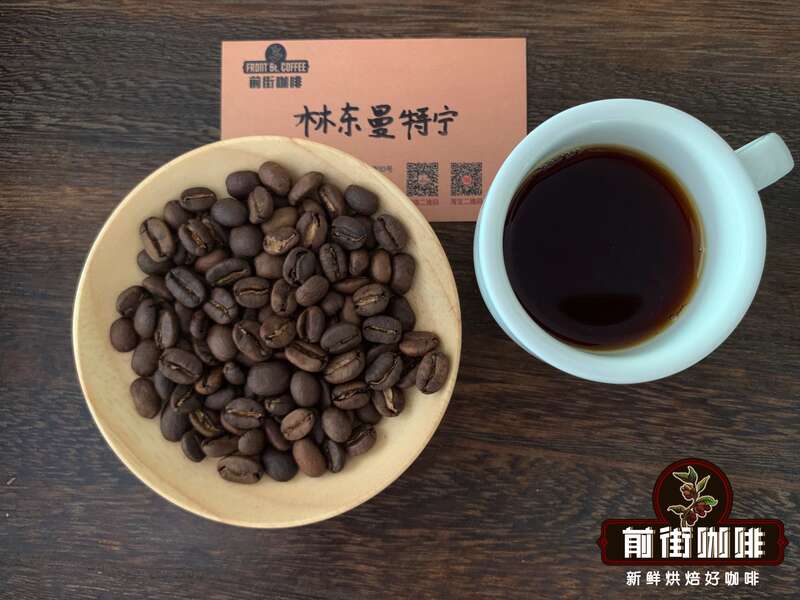
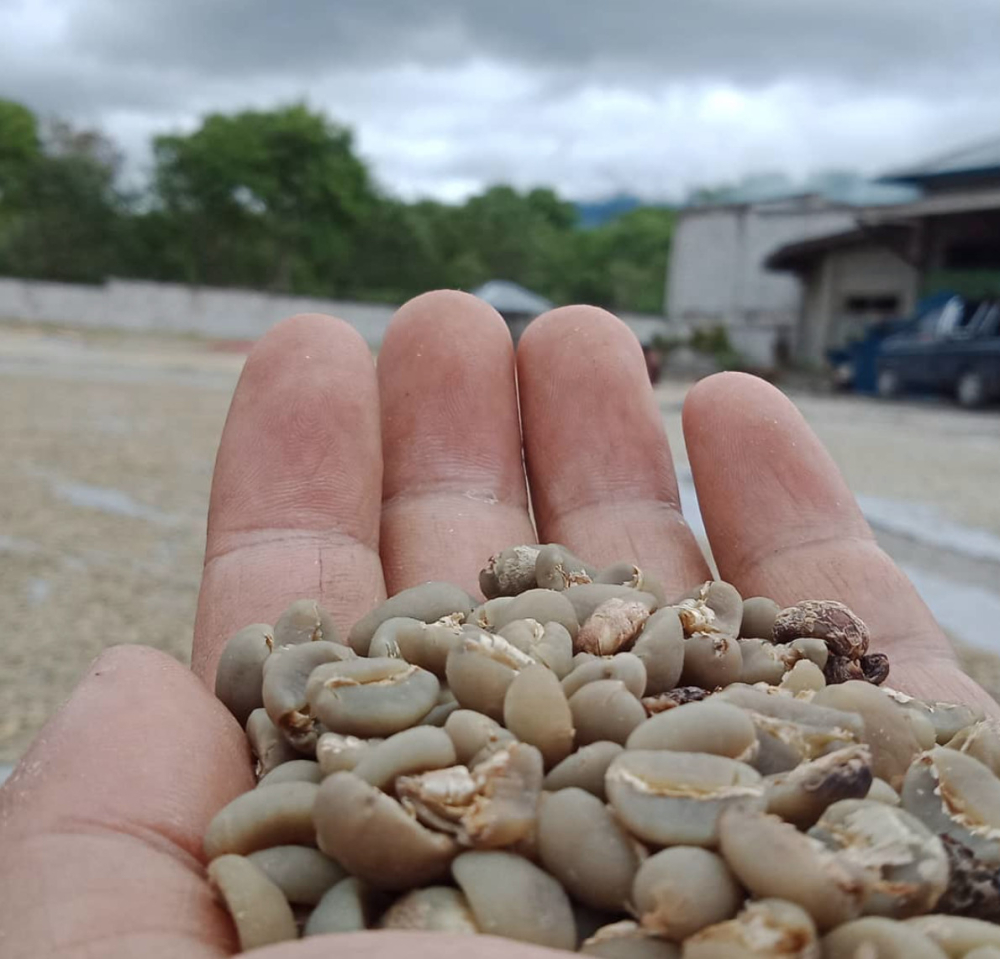
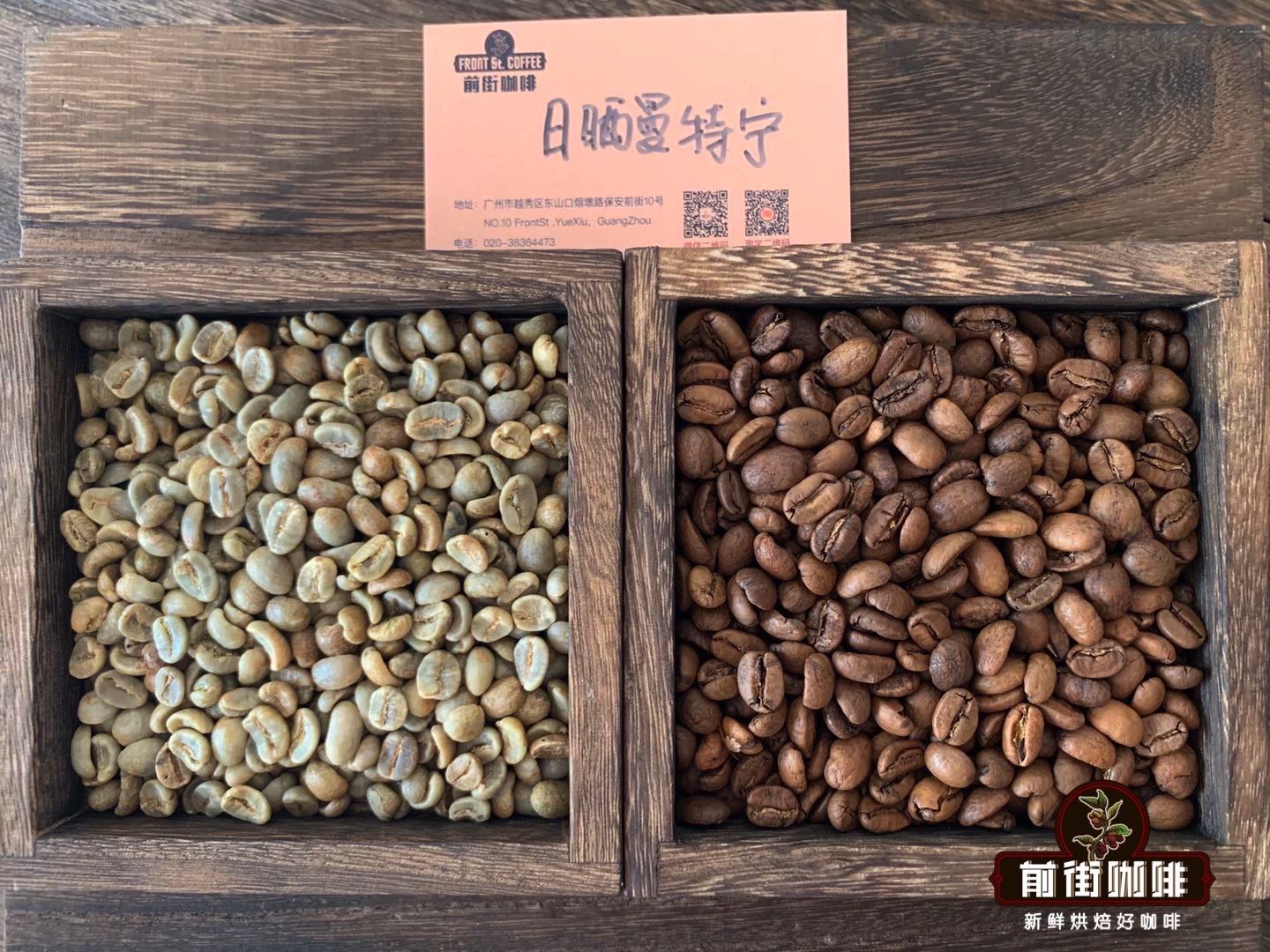
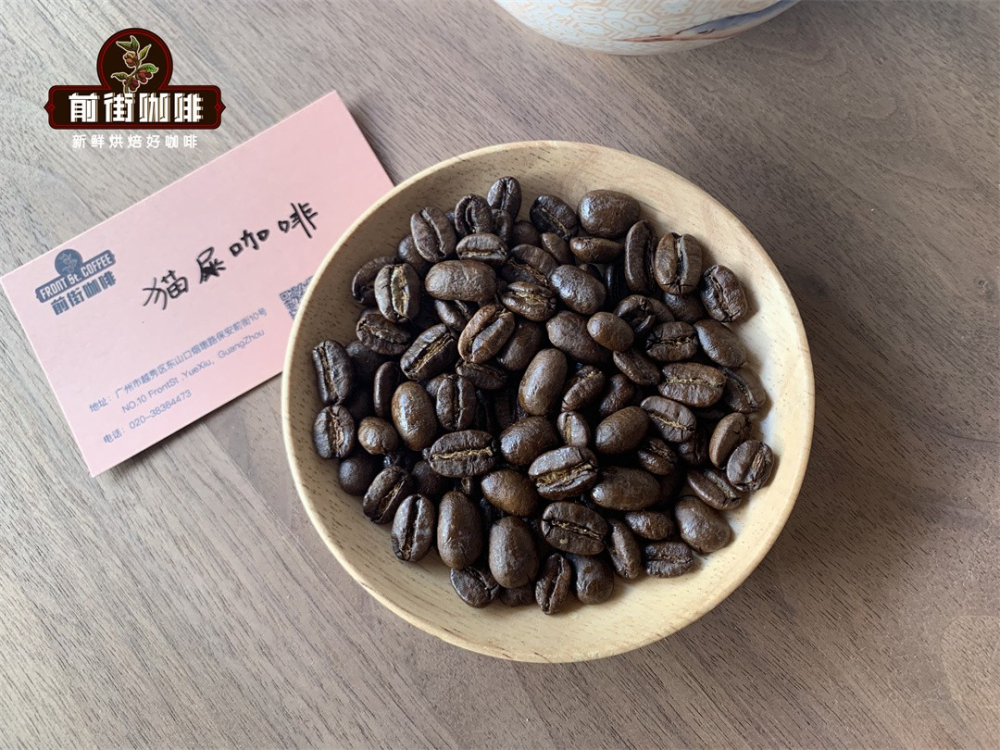
Sumatra Mandheling is the benchmark variety of Indonesian coffee. Its name comes from a historical misunderstanding—Japanese colonizers mistook a local tribal name for the coffee's name, and it later spread through trade and became a variety designation. Mandheling is mainly processed using the wet-hulling method: the skin and pulp are removed first and fermented for 3 hours, then initially dried to 30-50% moisture content, after which the mucilage layer is removed and drying continues to 12-13%. This process gives the coffee complex flavors such as smoke, spice, and dark chocolate, and because the beans are compressed, they easily form unique patterns (commonly called goat-foot beans). Aged Mandheling requires 2-3 years of storage; after the acidity transforms into sugars, it develops a mellow, refined, mature mouthfeel.
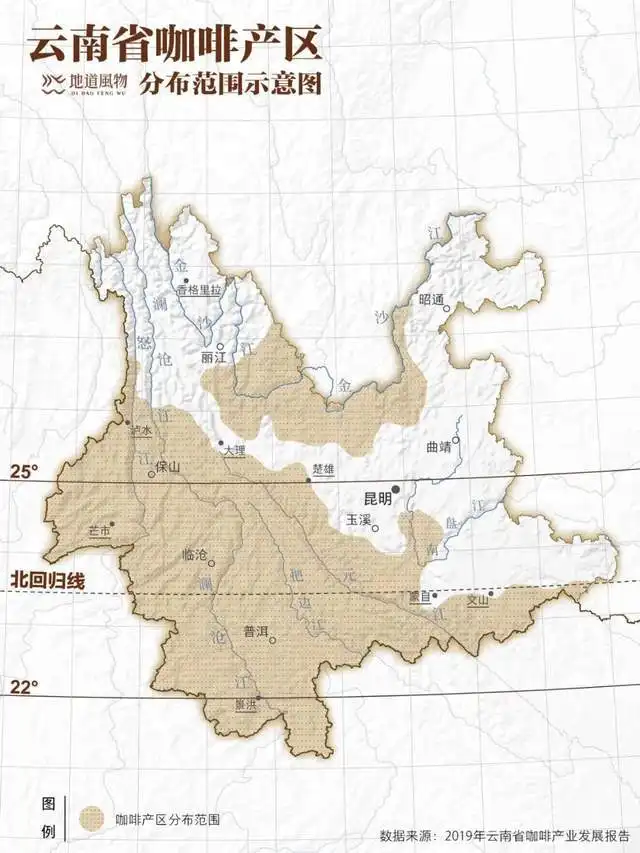
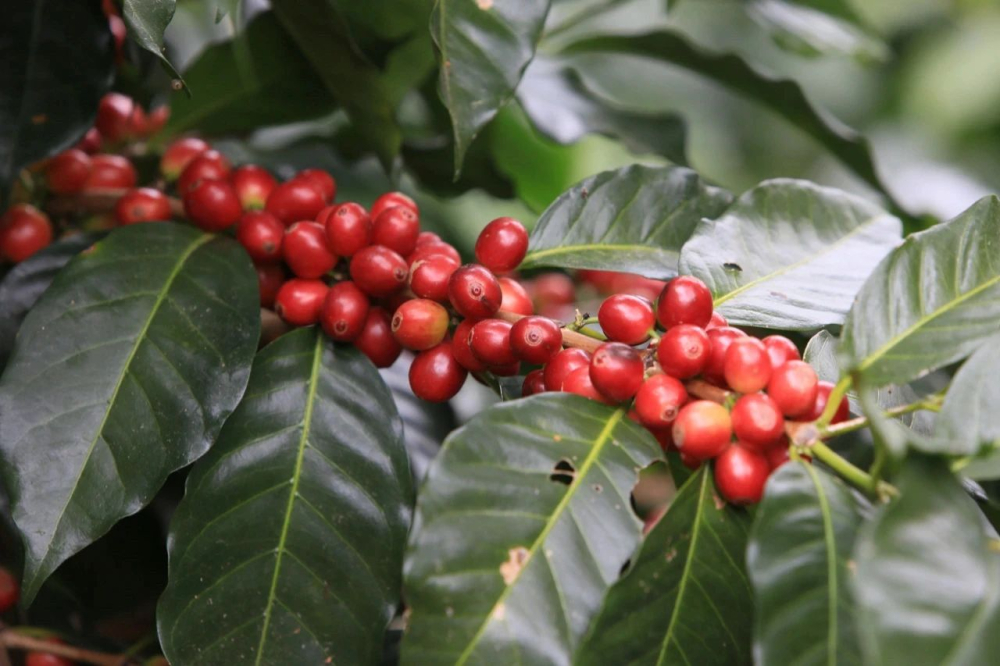
Yunnan coffee was introduced by French missionaries to Binchuan County in 1892 and gradually developed. It now accounts for 70% of the country's planting area and 83% of production, making it the core region of China's coffee industry. The climate in this area is similar to Colombia's; low latitude, high altitude, and significant day-night temperature differences nurture a fragrant small-bean coffee (arabica) whose flavor approaches international specialty standards. The main planting areas are distributed in Baoshan, Pu'er, Xishuangbanna, and other places. The mainstream variety is Catimor (disease-resistant and high-yielding), with a small amount of Typica.
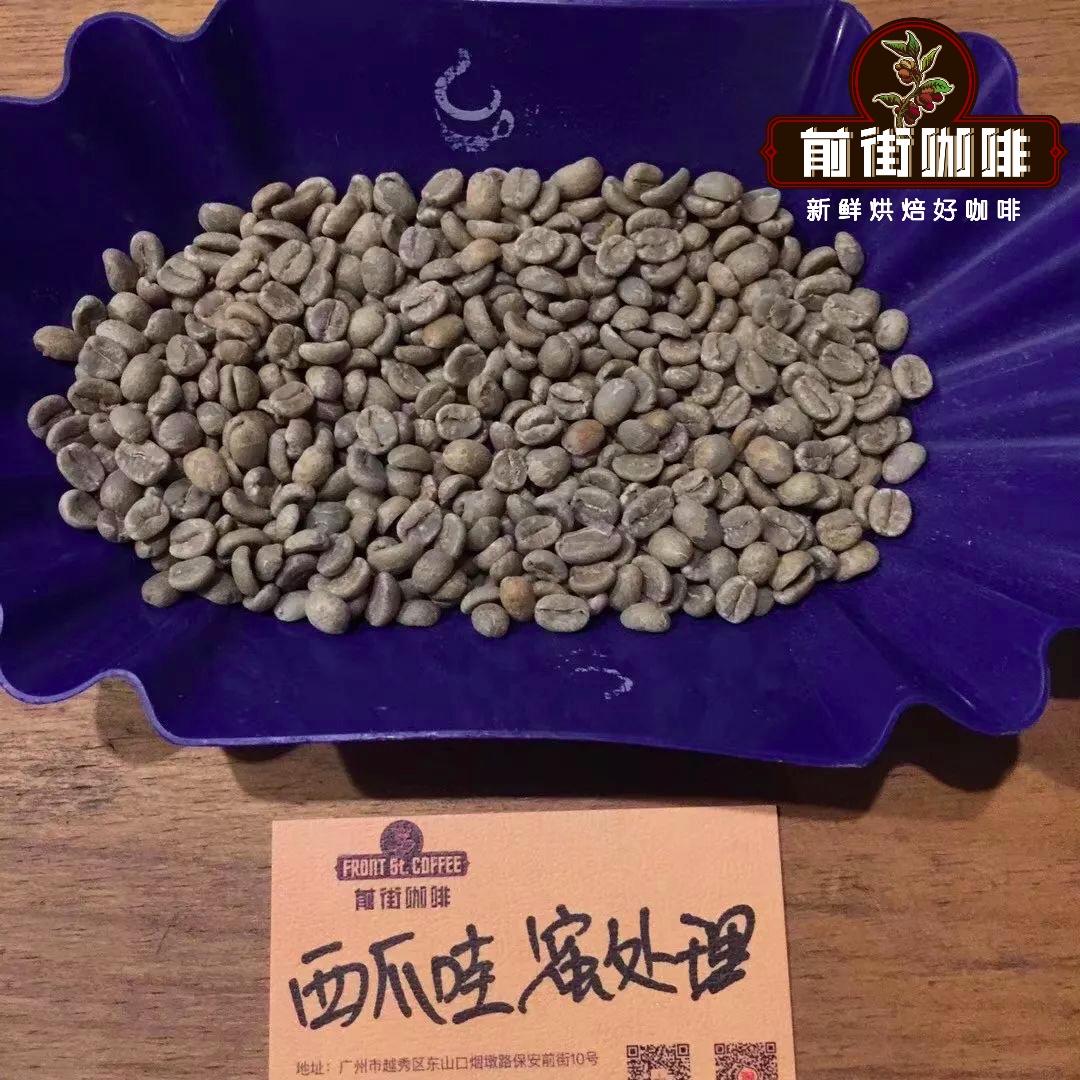
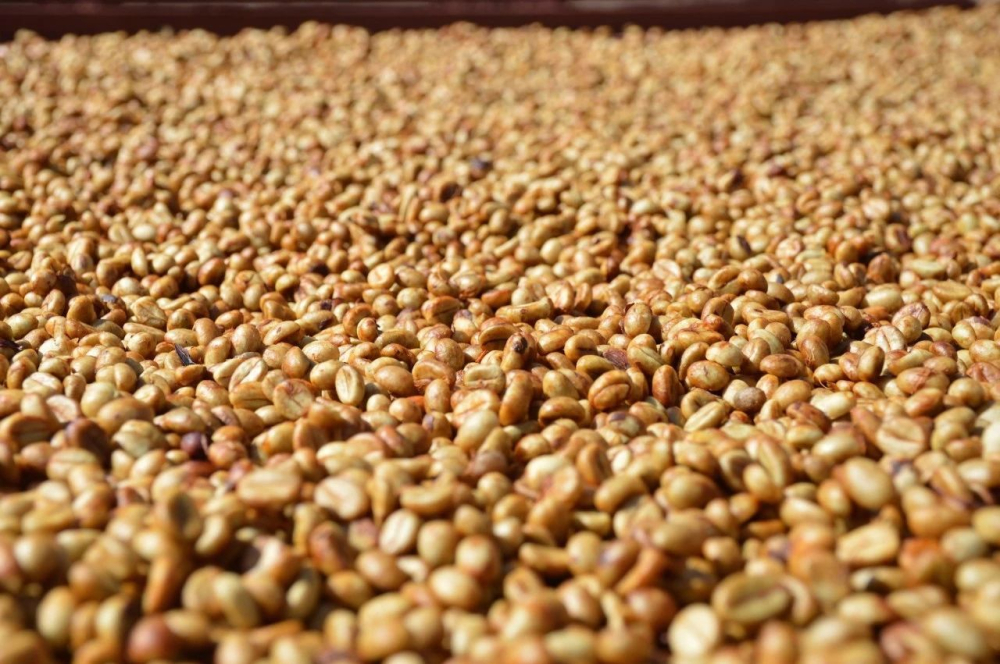
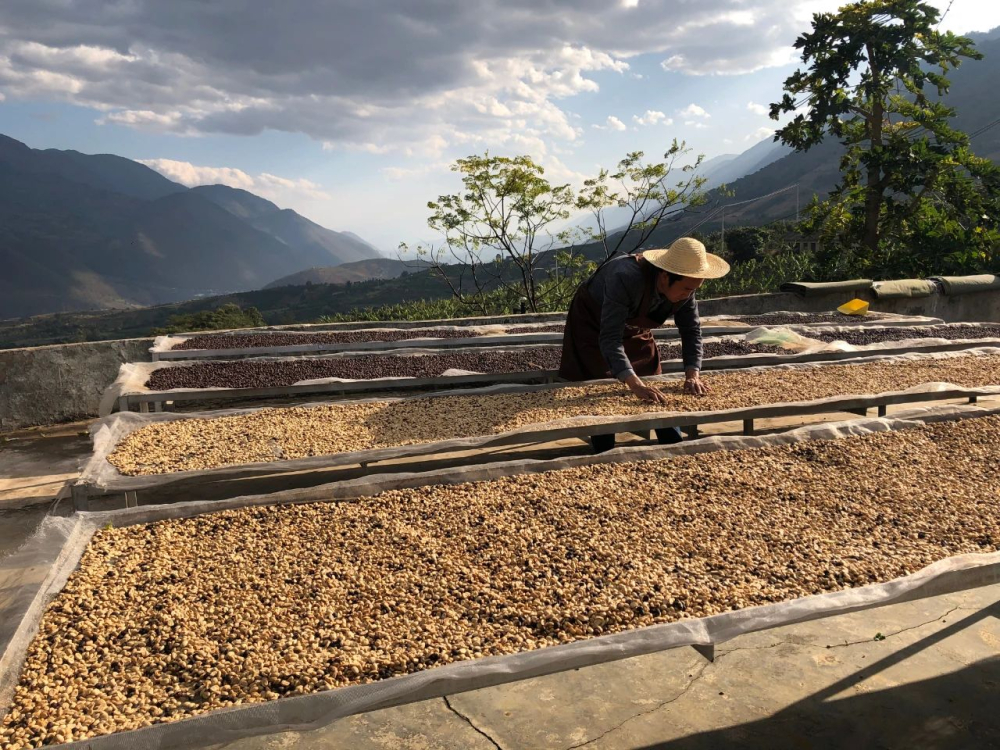
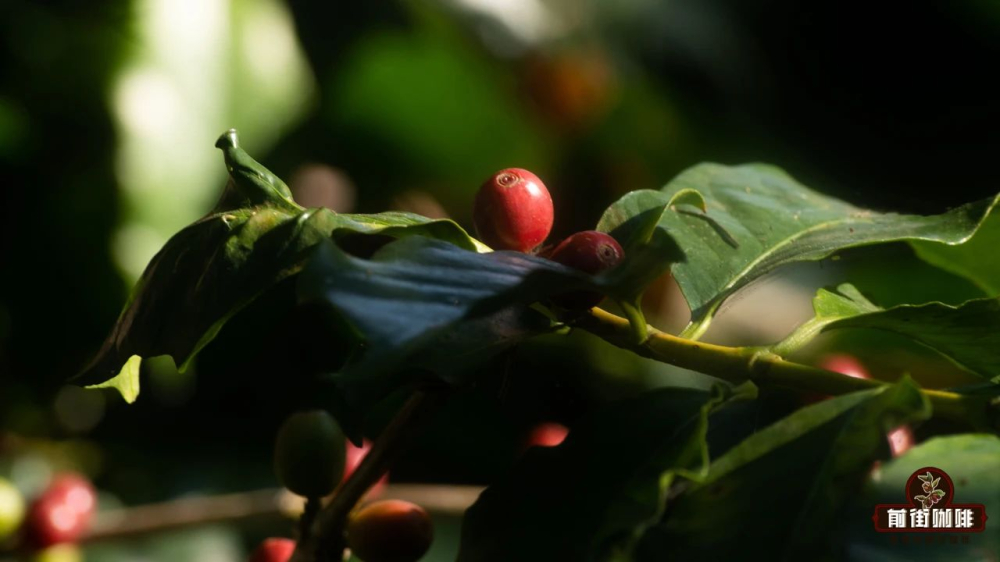
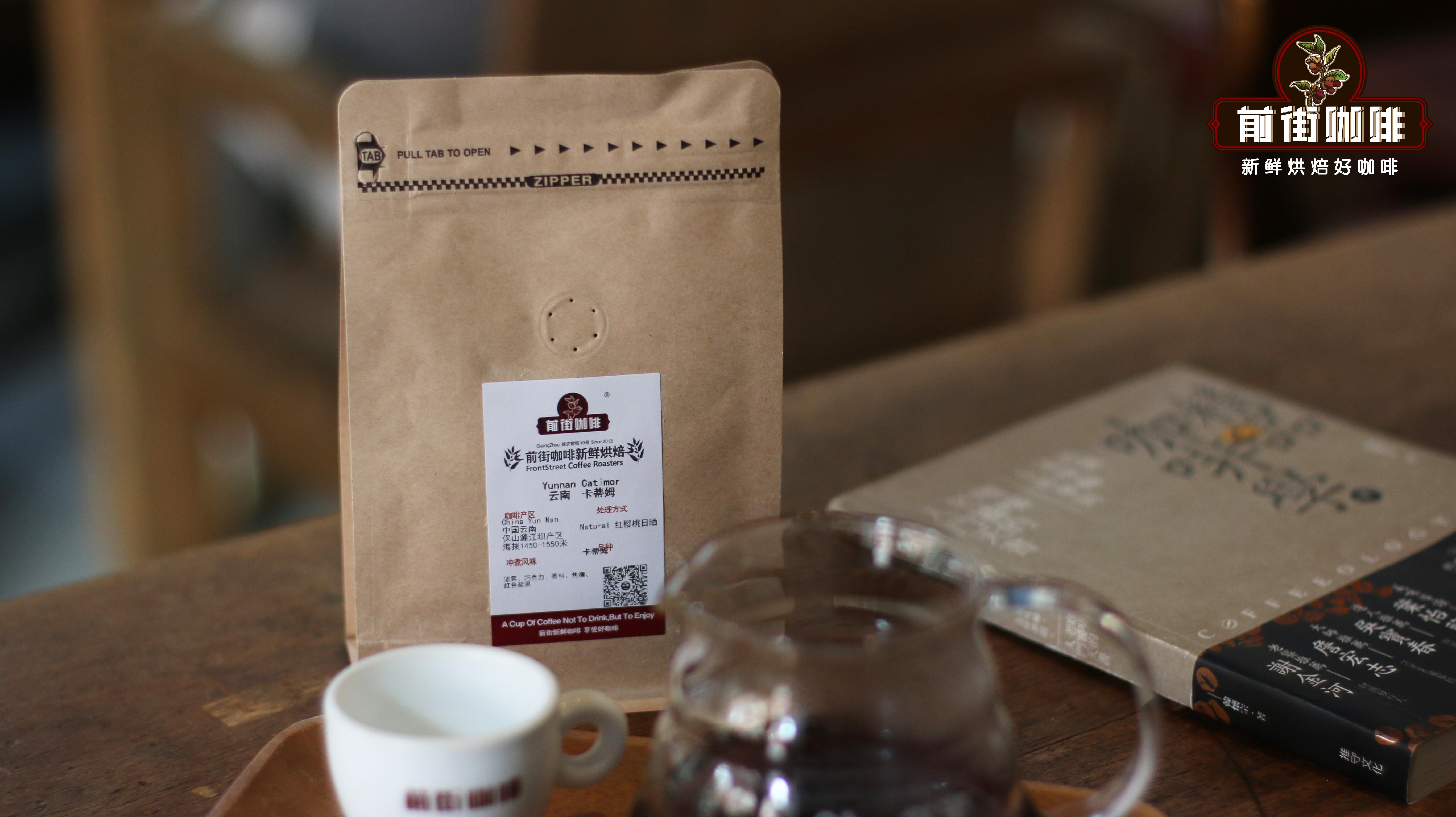
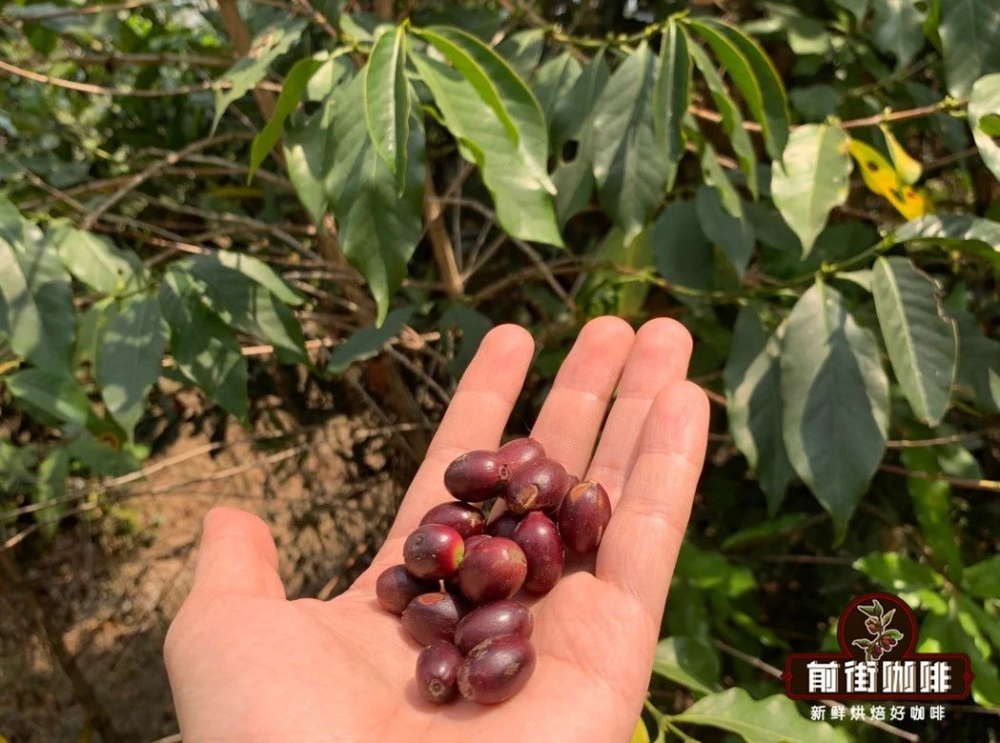
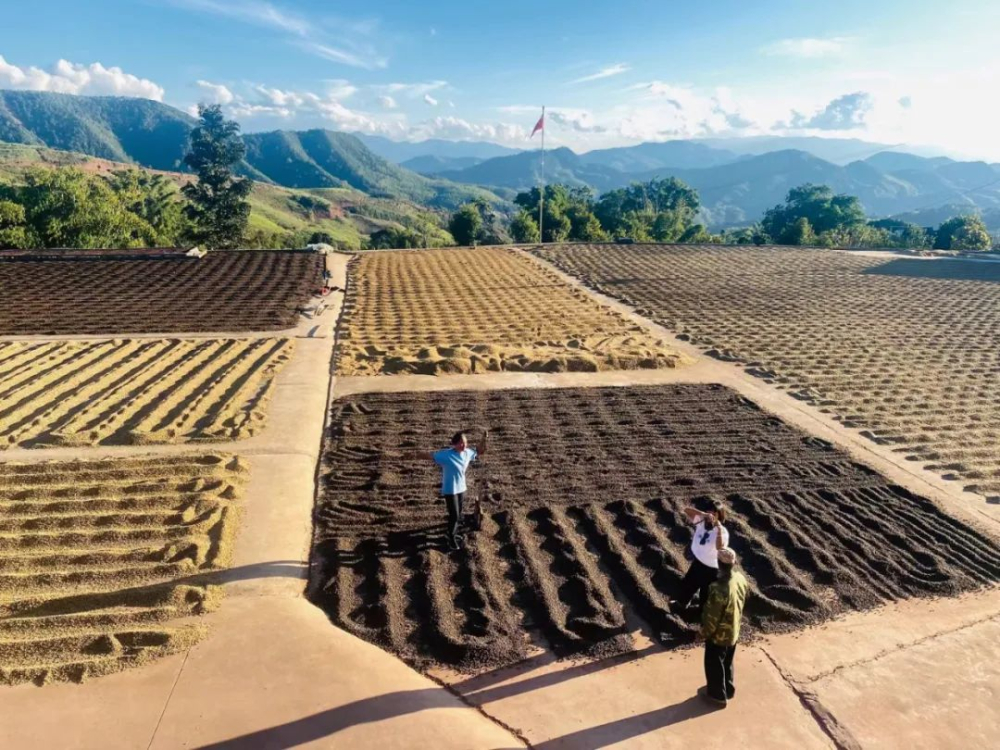
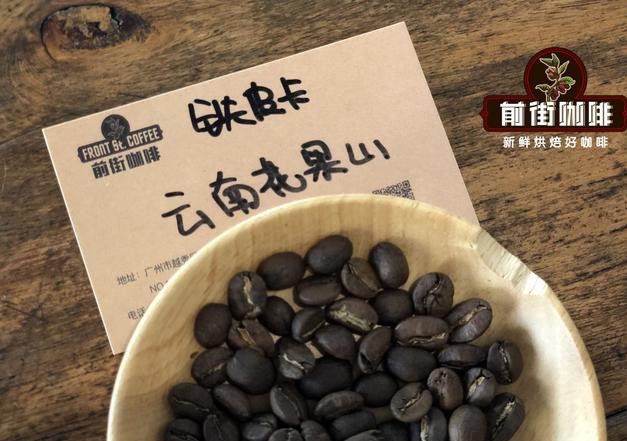
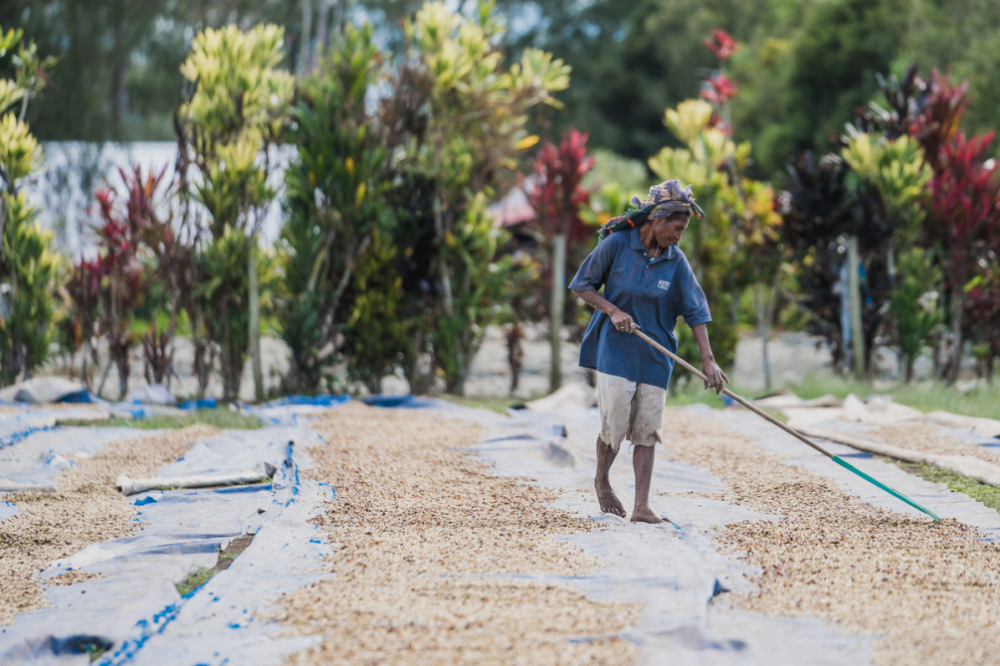
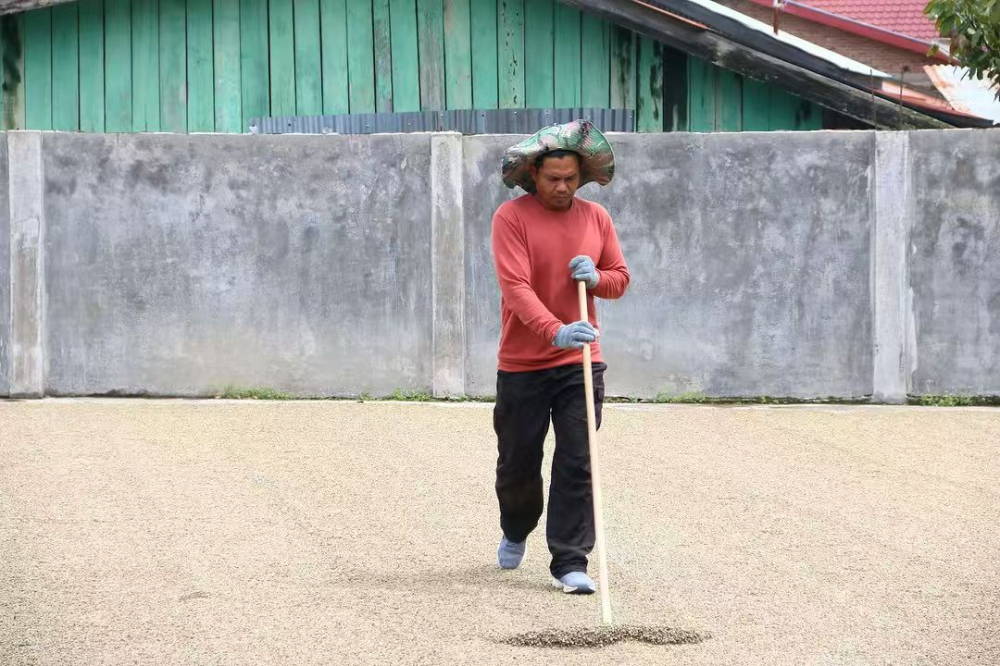
Yunnan's Baoshan region is known for its red-cherry sun-dried Catimor: fully ripe red cherries are selected, and drying off the ground enhances sweetness and body, presenting caramel, dark chocolate, and herbal-woody notes. Washed Yunnan small-bean coffee shows citrus, fermented fruit, and nutty flavors with bright acidity. The Typica variety (such as Huaguoshan) retains richer floral and fruity acidity, with distinct layers of melon and black tea notes, suitable for consumers who prefer a fresh profile.
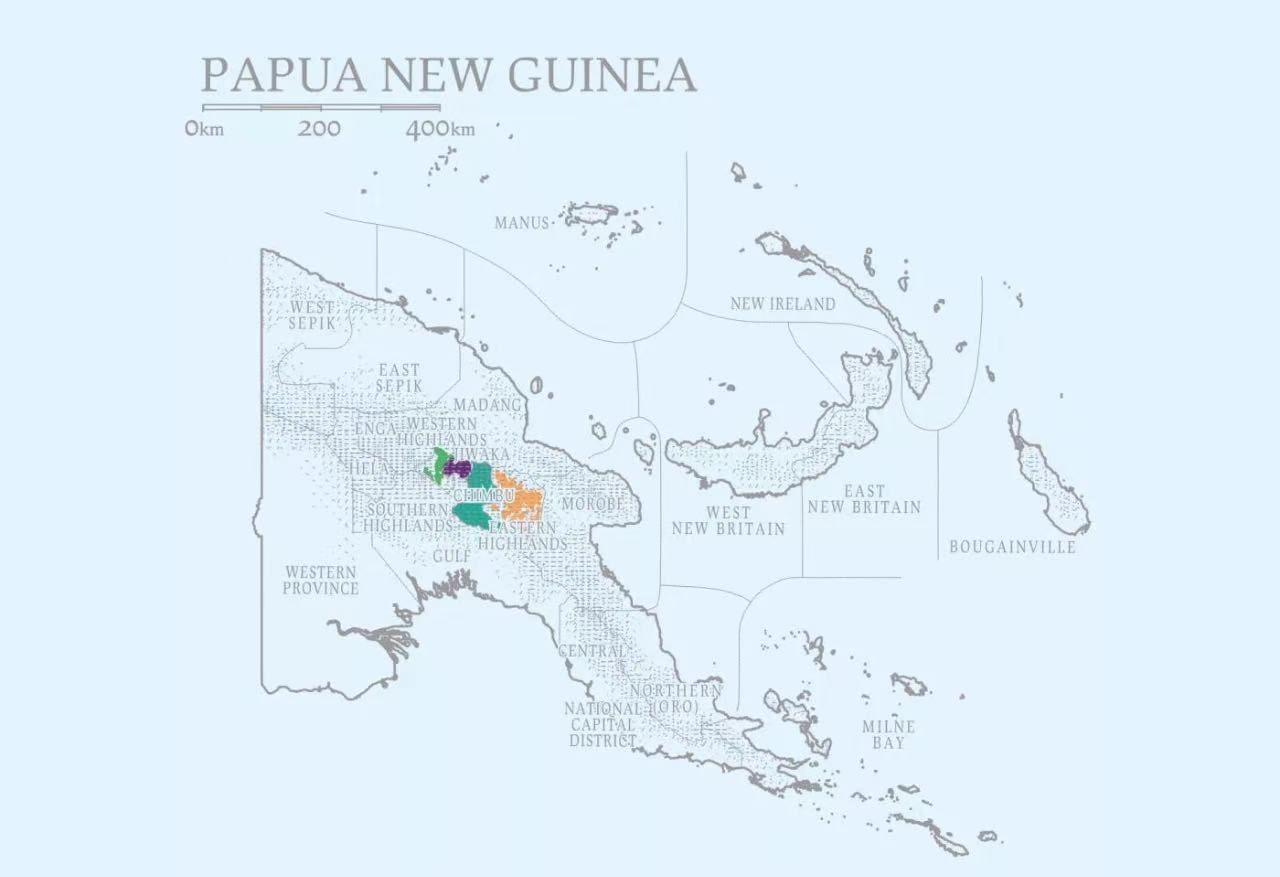
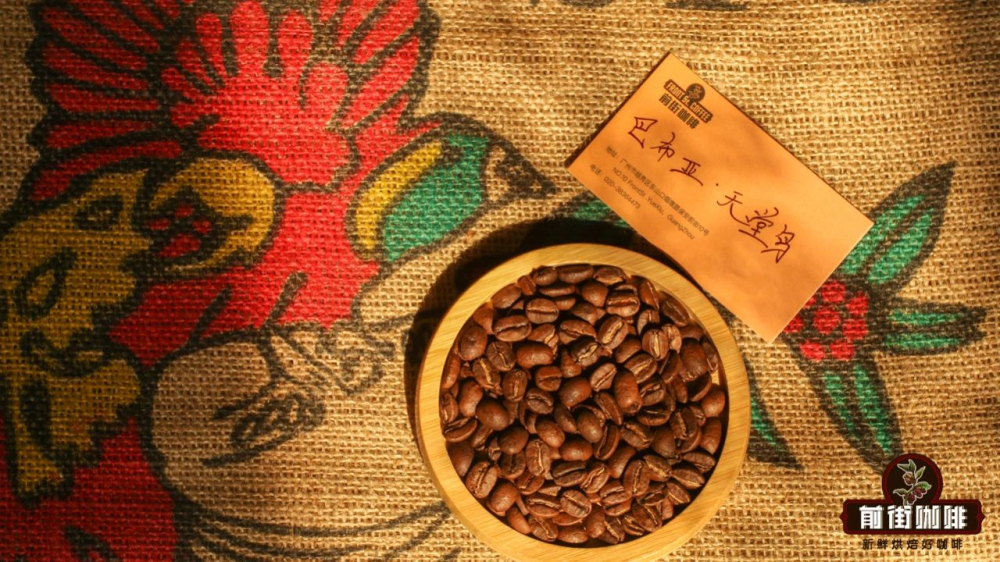
Although Papua New Guinea coffee falls within Indonesia's geographical scope, it presents a very different style. Its plantation sizes vary significantly: small estates focus on washed organic beans (without earthy notes) and carefully sun-dried beans (with delicate flavors), while large-estate products are clean in the cup but somewhat less distinctive. Local coffee trees are mostly hybrids of Jamaican Typica and Tanzanian varieties; the overall texture is light, close to the performance of high-quality Central American beans, with outstanding sweet-acid balance.
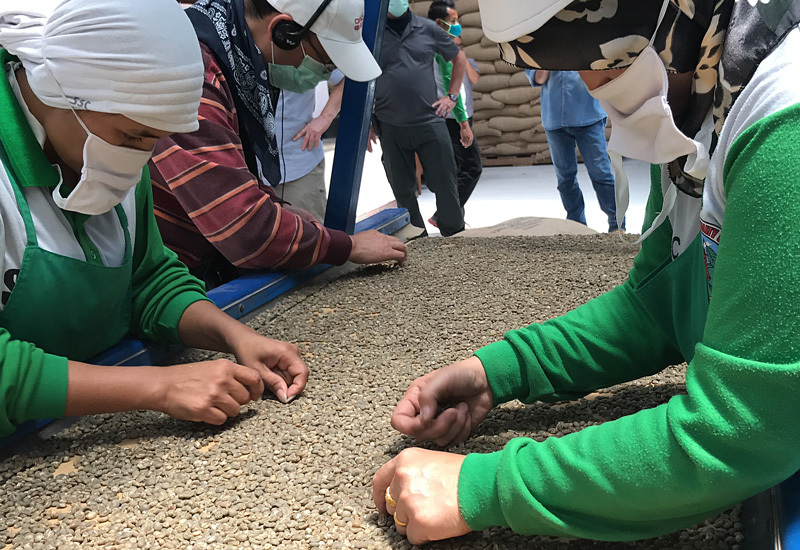
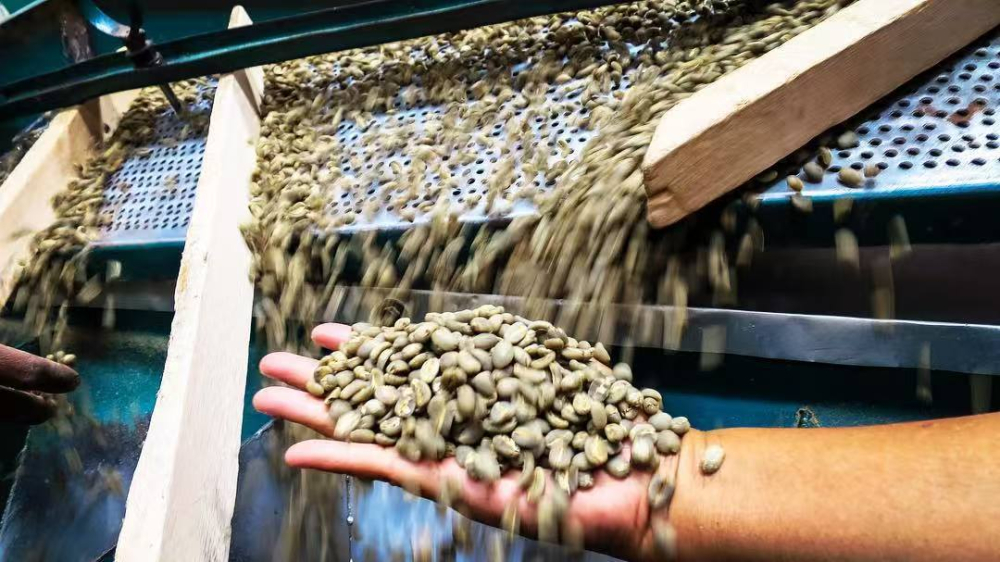
Processing methods in Asian regions directly affect the final flavor: Indonesia's wet-hulling method reinforces body and earthy notes, Yunnan sun-drying enhances sweetness and fruit aromas, and Papua New Guinea washing preserves fresh characteristics. Consumers can choose according to personal preference—those seeking a heavy mouthfeel can choose Sumatra Mandheling, those who love bright fruit acidity can try Yunnan Typica, and those who prefer balance and refinement can consider small-estate beans from Papua New Guinea. Mastering these regional characteristics will help you achieve a more precise tasting experience when exploring Asian coffee.