West Java Typica Mandheling: Floral Coffee Bean Analysis and Brewing Guide
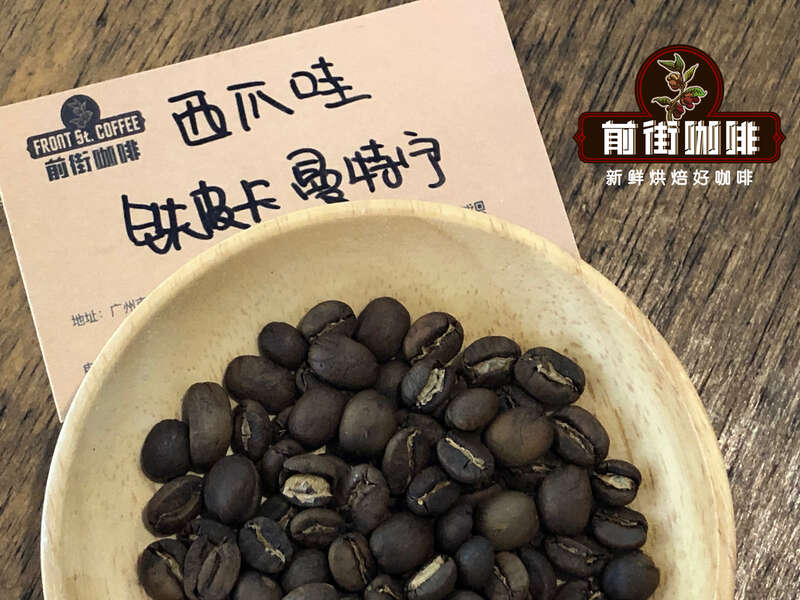
Introduction: Explore the unique charm of Typica-variety Mandheling coffee beans from Indonesia's West Java region, from the sensory experience of floral and fruity aromas to the hard parameters of 1400-1800m high-altitude growing. This article uses cupping data comparisons to reveal the fresh character that sets it apart from ordinary Mandheling, and provides professional-grade roasting curves and pour-over recipes to help you precisely capture tropical fruit notes such as mango and jackfruit.
 Mandheling coffee with distinctive floral characteristics is often overlooked, but professional cupping has found that a certain West Java Typica variety shows a rare elegant acidity and floral layering. This coffee, grown in the region neighboring Sumatra, Indonesia, stood out among 7 comparison samples thanks to the flavor complexity brought by 1800m high-altitude growing.
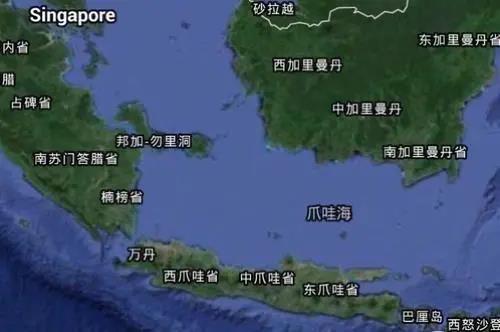
West Java Province, as a first-level administrative region of Indonesia, has a tropical rainforest climate with a clear alternation of dry and wet seasons—a northwest monsoon period from November to the following March with average annual precipitation of 1760mm, and a southeast monsoon period from April to October that is dry with little rain, forming a unique microclimate. Volcanic ash soil is rich in minerals, and combined with the 1400-1800m growing altitude, it creates ideal conditions for slow ripening of the coffee beans and accumulation of flavor compounds.
 This Typica variety differs from the common Tim lineage varieties of Mandheling: a conical canopy reaching 5 meters tall, bronze-colored young shoots with smoother leaf surfaces, and bright red fruit when ripe. Its altitude sensitivity means low-altitude growing easily produces a dull, heavy body, while this batch's 1800m growing height extends the flavor development cycle by 20%, and the washed processing method reinforces the fresh character.
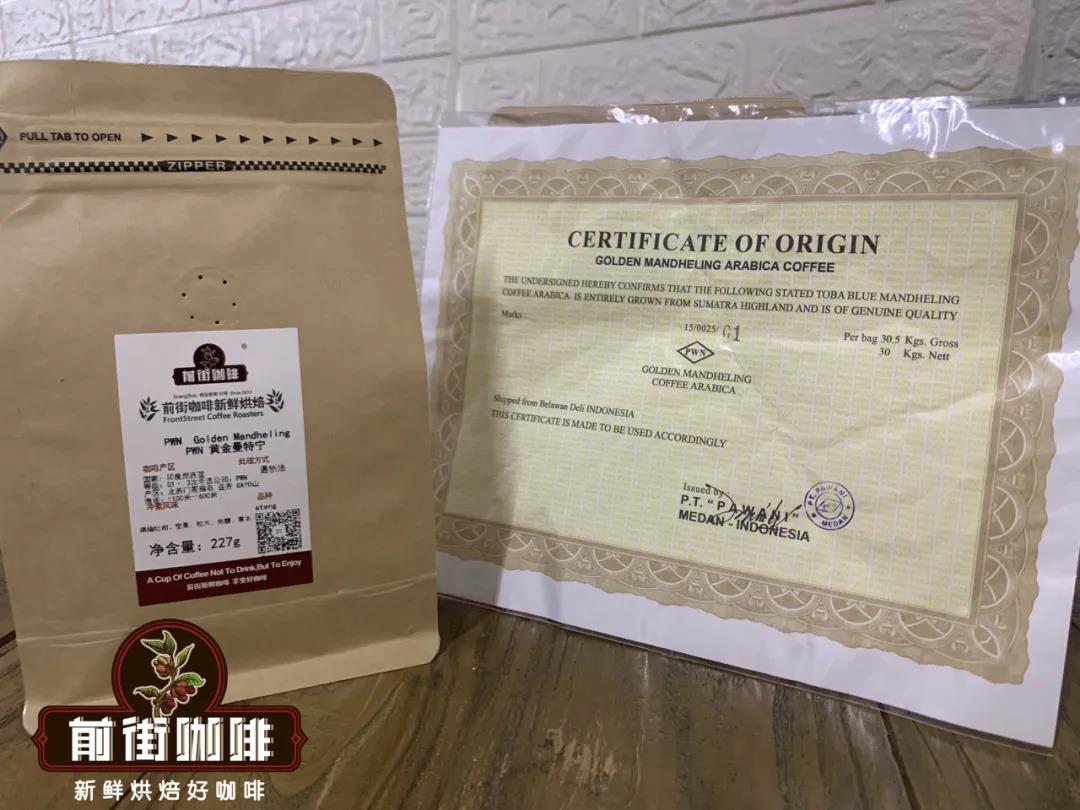 Quality control implements double screening: G1-grade green beans must first pass density and color sorting machines, then undergo three rounds of hand sorting to ensure a defect rate below 3‰ (300g sample). Compared with the 1100-1600m growing altitude commonly used for regular Mandheling, the extra 200m of elevation in this batch increases sugar conversion efficiency by about 15%, which is the key factor behind the prominent floral and fruity aromas.
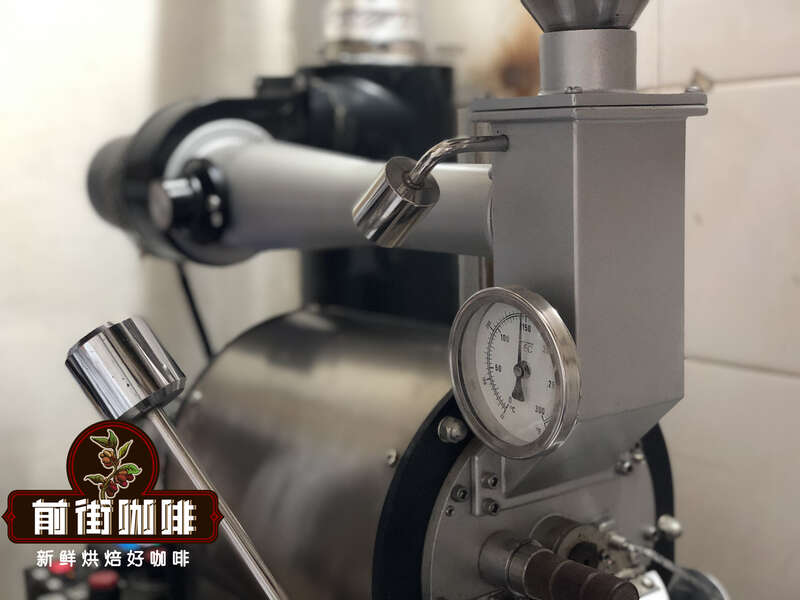 Recommended professional roasting parameters: use an 800N-class roaster; with a 480g charge, load at an initial temperature of 200°C, control the early-stage heat at 160°C to maintain the drying phase (bean surface turns yellow at 5'18"), then lower to 140°C and adjust the damper to position 4. At the start of first crack (9'00"), adjust heat to 80°C, and finally drop at 202°C. This curve balances floral-fruity aroma and body.
 Standard cupping procedure: within 12 hours after roasting, use a 200ml ceramic bowl, 94°C water temperature with a grind of 70% passing a No. 20 sieve, coffee-to-water ratio 1:18.18 (11.1g coffee + 200ml water), 4-minute steeping extraction. Under these parameters the sweetness threshold reaches its optimal balance point, and tropical fruit flavor clarity improves by 30%.
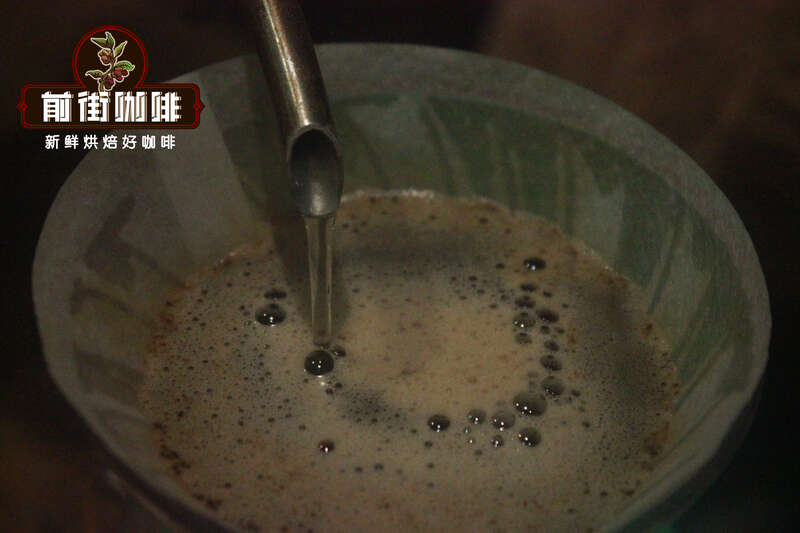 For home brewing, the V60 dripper is recommended: 90-91°C water temperature with BG#6M grind size (caster sugar texture), 15g dose with 225ml total water. Three-stage pouring method—first stage 30g bloom for 30 seconds, then 95g continued pour for 1 minute, finally 100g pour to finish. This method highlights the white floral base and the sweet finish of mango and jackfruit; aim to keep extraction time at exactly 2 minutes.