West Java Arabica: Flavor Analysis and Brewing Guide
Introduction: Indonesian coffee is known for Sumatra Mandheling, but Arabica beans from West Java present a completely different flavor profile. This article takes an in-depth look at this natural honey-processed coffee from the Amani Estate on Mount Tilu, covering the growing environment, processing method, and flavor performance, and offers professional pour-over parameter suggestions to help you explore the diversity of Indonesian coffee.
As an important coffee-producing region globally, Indonesia's coffee culture is known for the herbal, heavy body of Sumatra Mandheling. But it is little known that Arabica beans from western Java show a markedly different flavor map—volcanic soils at 1,000–1,800 meters here nurture specialty beans with bright fruit notes, and among them the natural honey-processed coffee from the Mount Tilu area of West Java is particularly special.
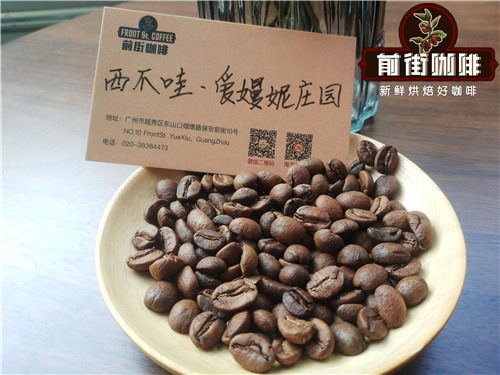
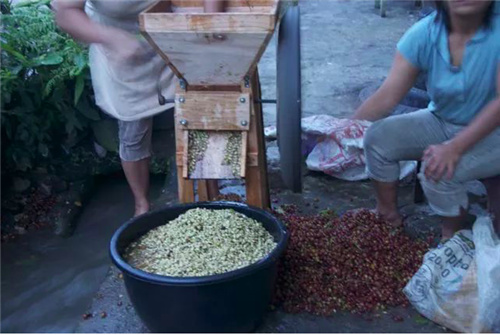
This region has a typical tropical rainforest climate, with abundant annual rainfall and a significant day-night temperature difference, combined with potassium-rich soil formed from volcanic ash, providing ideal growing conditions for coffee trees. Unlike the common washed process, this coffee uses a natural honey process: after harvesting, the coffee cherries are floated to remove defects, then part of the mucilage layer is retained for slow sun drying, with several turnings each day forming unique fermentation layers. This process gives the final coffee a rich fruit character reminiscent of mango and red wine, along with the freshness of peach juice and a sweet, mellow finish of jackfruit.
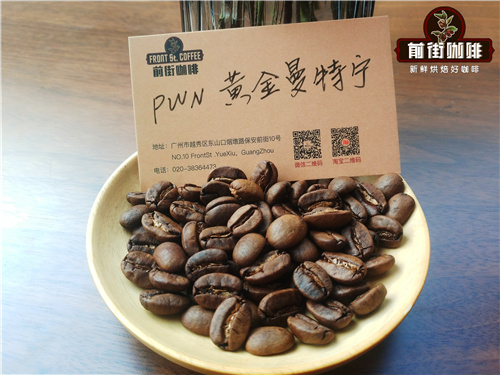
The difference in processing directly creates flavor divergence. Compared with the common Indonesian wet-hulled process (such as that used for Sumatra Golden Mandheling), which reinforces woody and earthy notes due to the need for rapid drying, the natural honey process extends the mucilage contact time, raising the sweet-sour balance to a pH range of 5.2–5.5, creating bright acidity closer to Ethiopian Yirgacheffe, but with about 30% higher fruit intensity. Cupping data show a sweetness score of 8.2/10, with body ranging from medium to full.
The uniqueness of West Java coffee also stems from its varietal advantage. The currently dominant S-795 variety is a disease-resistant cultivar developed by Indonesian botanists through three generations of hybridization, with parentage including Typica and Liberica; it not only inherits the flavor finesse of traditional Arabica but also has strong resistance to leaf rust. This variety replaced Bourbon-line coffee trees that were wiped out by rust in the late 19th century and remains the main cultivated variety on Java today. Trace elements from the volcanic geology (such as potassium and phosphorus levels 15%–20% higher than in plains areas) further enhance the coffee's sweetness.
For home brewing, the following parameters are recommended to capture the best flavor:
• Dripper choice: KONO cone dripper (increases bed permeability)
• Water temperature: 88±2°C (too high easily extracts bitter tannins)
• Coffee-to-water ratio: 1:15 (15 g coffee per 225 ml water for one serving)
• Extraction rhythm: bloom with 30 g water for 30 seconds → pour in stages to 125 g → continue pouring to 225 g to finish
Be careful to avoid water temperatures above 92°C, which can volatilize fruit acids, and use fresh grinding (medium-fine, similar to fine sugar granules).
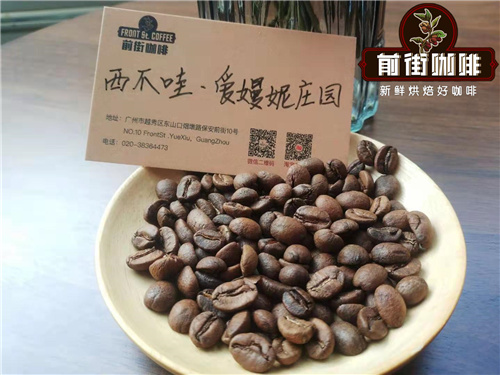
When tasting, focus on three stages of flavor change: the initial jackfruit sweetness and citrus acidity, the mid-palate red wine tannin texture, and the lingering honey sweetness in the finish. Compared with the dark-roast preference for other Indonesian regions, this bean is recommended at a medium roast (Agtron 65–70) to preserve floral and fruit notes. Common brewing mistakes include pouring too fast, causing channeling, or grinding too coarse, causing under-extraction; these can be improved by adjusting water flow stability.
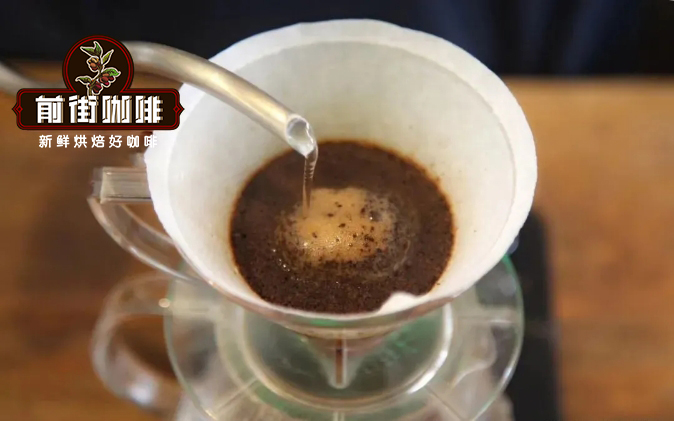
As one of the representatives of Southeast Asian specialty coffee, West Java Arabica retains the full-bodied base characteristic of Indonesian coffee while showing a distinct fruit-forward dimension through modern processing techniques. Whether enjoyed on its own or paired with Southeast Asian food, it offers a unique taste experience. Once you master the correct brewing parameters, this coffee—with both complexity and balance—will become a distinctive choice on your bean list.