Flavor Analysis and Pour-Over Guide for Ethiopia's Three Classic Coffee Regions
Introduction: A deep dive into the coffee characteristics of Ethiopia's Yirgacheffe, Guji Uraga and TOH champion regions, covering the differences between natural and washed processing, variety genetics background and sensory characteristics. Professional roast curve references and V60 pour-over recipes help coffee lovers precisely master the balance of berry notes, citrus acidity and floral nectar sweetness in high-altitude heirloom varieties.
 As the birthplace of coffee, Ethiopia's southern highlands nurture the world's most diverse coffee gene pool. Since the 2020s, regions around Yirgacheffe have continued to produce specialty beans that astonish the world, among which TOH competition-winning lots have become industry benchmarks thanks to their unique processing methods and regional flavors. This article focuses on the Yirgacheffe core area, the Guji Uraga sub-region and the TOH double-champion beans, offering a comprehensive interpretation from growing altitude and processing methods to brewing performance.
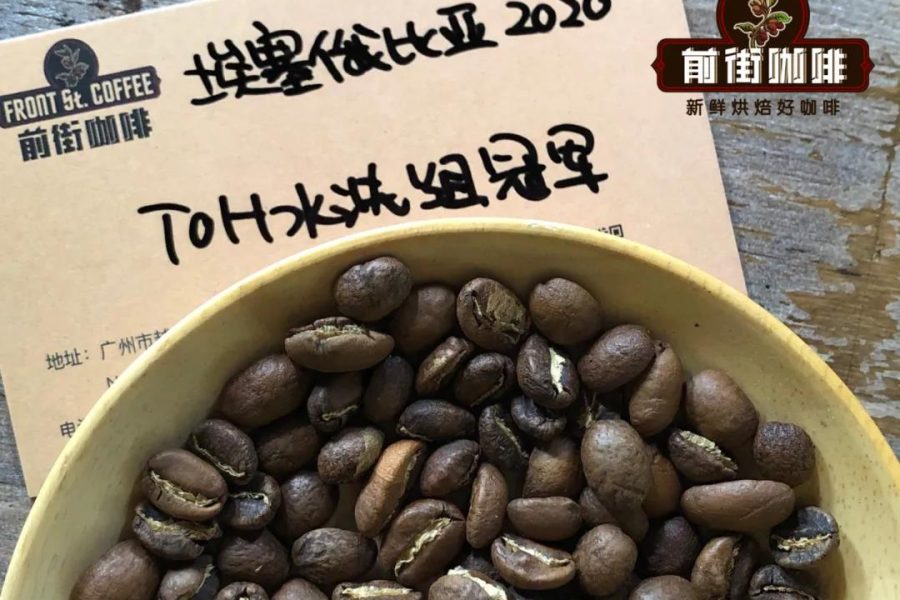
The Taste of Harvest (TOH), Africa's most authoritative green bean competition, saw its washed-category champion from the Uraga region first introduced to the Chinese market in 2020.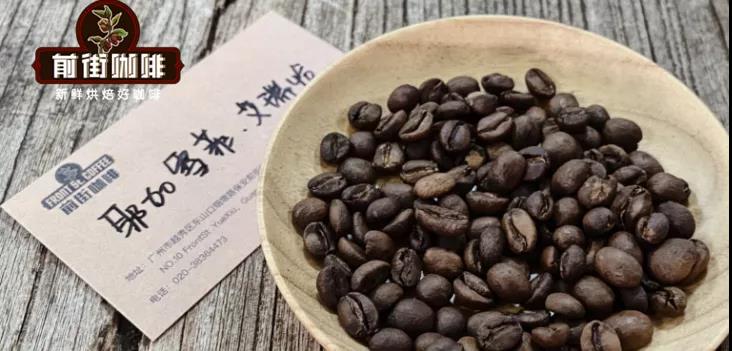 The event is on par with South America's Cup of Excellence, each year selecting top coffees from 12 producing countries ranging from Kenya to Congo. Notably, the Guji region to which Uraga belongs only became independent from Sidamo after 2010; its western highlands, adjacent to Yirgacheffe, are often mistaken for the same terroir, but in fact possess their own distinct microclimate characteristics.
Aricha kebele under the Yirgacheffe system is located in the Gedio area, only 8 kilometers from the main town. This micro-administrative district of only about 3,500 people produces roughly 18.2 tons of specialty coffee a year, yet contains 20-30 wild mixed varieties. The native-forest coffee trees grown above 1,850 meters have their fruit processed by the Aricha processing station using a strict natural method: selected red cherries are sun-dried for 14 days, and the mucilage layer is stripped only when moisture content reaches 12%, a process that maximally locks in tropical fruit flavors such as blueberry and mango.
By contrast, the Sela Gajaba processing station in the Uraga region demonstrates a completely different technical path. Its location at 2,300 meters gives the coffee a bright acidity foundation; the processor uses 18-36 hours of controlled fermentation to thoroughly remove mucilage in a flowing-water system. The key parameter is maintaining the fermentation tank temperature at 20-22°C, combined with a slightly alkaline mountain spring water environment of pH 6.5-7.0, ultimately forming the signature combination of lemon black tea and honey finish.
Both champion beans use Ethiopian heirloom varieties, the largest extant coffee gene pool in the world.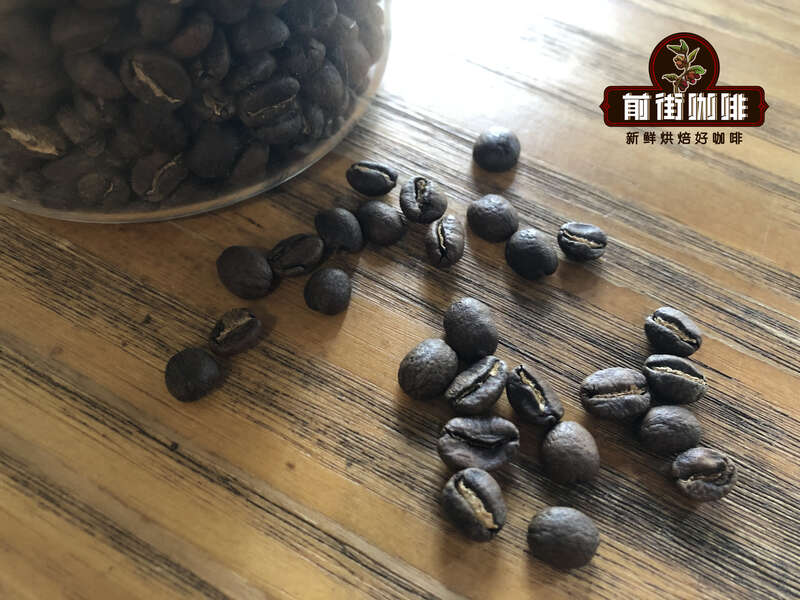 It contains about 12,000 undomesticated varieties, mainly divided into the JARC series bred by the Jimma Agricultural Research Center (such as the disease-resistant variety 74110) and wild mixed varieties. During actual harvesting, bean size within a single lot can vary by as much as 30%, requiring density sorting machines to ensure even roasting.
Roasting strategies differ significantly for the two processing methods: Natural beans are best roasted medium-light (Agtron 65-70), with a charge temperature of 165°C to gently initiate the Maillard reaction, and the first-crack development phase extended to 1'45" to strengthen caramelization layers; washed beans suit a slightly higher-temperature fast roast (charge temperature 180°C), preserving more acidity-active compounds by shortening development time. Professionals recommend that when using a 300-gram roaster, the drop temperature difference between the two be kept within 1.8°C to ensure flavor consistency.
V60 pour-over practical parameters (based on 15 grams of grounds):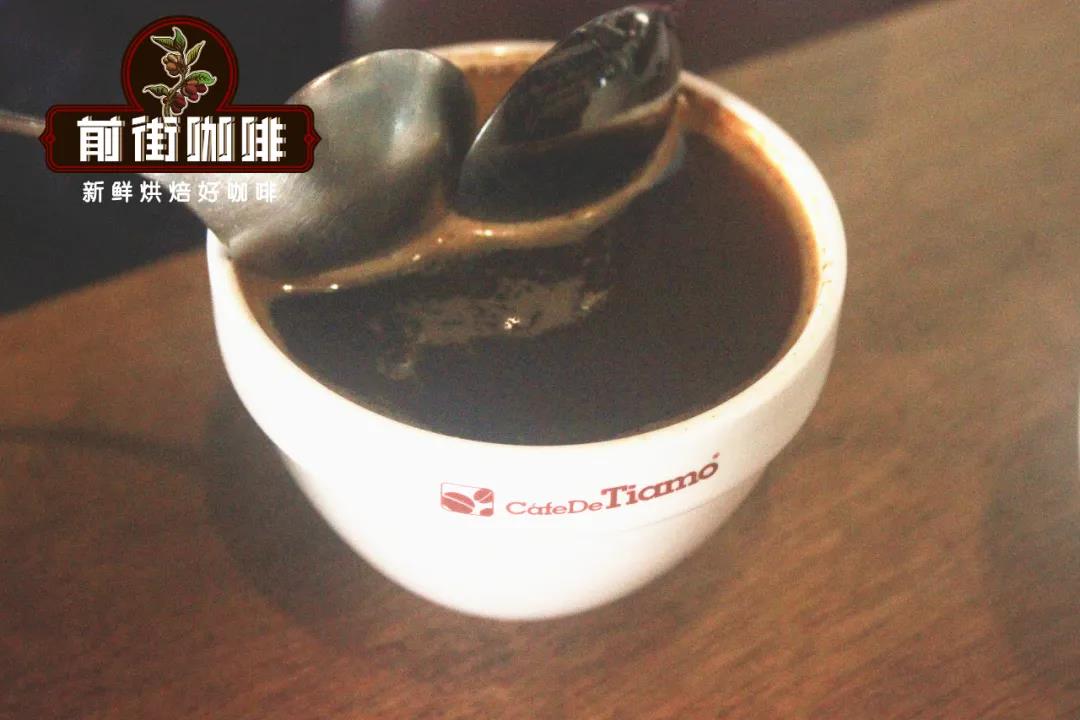 Water temperature 90±1°C, grind fineness 78% passing a No. 20 sieve. For natural beans, use a three-pour method—bloom with 30 grams of water for 30 seconds, then pour in circles until 125 grams, and complete extraction with a total of 225 grams of water within 2'00". For washed beans, increase the flow rate by 10% and move the second pour earlier to the 120-gram mark, which effectively suppresses astringency caused by over-extraction. Actual tasting shows that the optimal flavor window for both is 7-14 days after roasting.
Sensory comparison dimensions: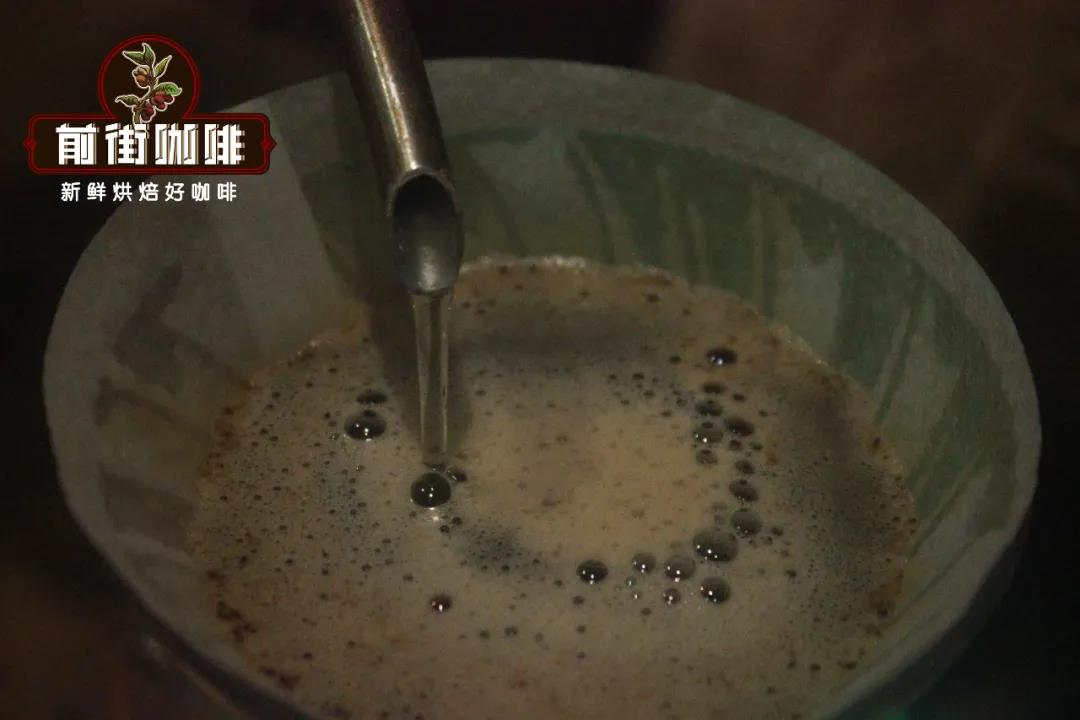 Natural Aricha presents an explosive fruit aroma matrix, releasing a complex sweet-tart blend of grapefruit and red raspberry on entry, with creamy texture and jasmine florals emerging mid-palate, and a finish that lingers over 90 seconds with lychee sweetness. Washed Uraga is led by citrus forefront aromas, transitioning with green tea freshness into manuka honey sweetness; its acidity brightness scores 8.2/10, with a medium-light body (Body 3/5), particularly suited to summer cold-drip extraction.


