Yemen Mocha Coffee Beans: Varieties, Regions, Flavor and Brewing Guide

Introduction: Yemen, the birthplace of Arabica coffee, produces Mocha coffee beans renowned worldwide for their unique flavor. This article examines the historical origins of Yemeni coffee, the flavor differences among six core producing regions, the characteristics of the Typica variety, and the secrets of full natural processing. Through on-site flavor evaluations, it guides you through this ancient coffee bean with its red wine and spice notes, and covers the key points for selecting and brewing it.
When people mention Mocha coffee, most first think of the espresso-and-milk mixed drink, but true Mocha coffee beans come from Yemen's ancient port of Mocha—the starting point of the coffee trade and the home of the world's oldest single-origin coffee. Due to regional instability in recent years, the circulation of authentic Yemeni Mocha beans has sharply declined, yet their signature complex aroma still fascinates coffee lovers. This article systematically lays out the full picture of Yemeni coffee.

Yemen lies in the southwest of the Arabian Peninsula, adjacent to the Red Sea and the Gulf of Aden; its 1,906-kilometer coastline makes it a shipping hub connecting Asia, Africa, and Europe. As early as the 17th century, European merchant ships carried the first commercial coffee out of Yemen's port of Mocha, and these beans from the Arabian Peninsula were collectively called "Mocha coffee." Notably, the origin of the Arabica species name is also closely tied to "Arabia"—75% of global coffee consumption currently comes from this variety, and Yemen grows its oldest Typica branch almost throughout the entire country.

Yemen's coffee regions show striking topographic differences: the Mokha Mattari region is located in remote mountains 2,000–2,400 meters above sea level west of the capital Sana'a; the steep terrain makes transport difficult, but the high altitude gives the beans a dense structure. Mokha San'ani drops to about 1,650 meters, with soft fruit acidity yet a distinct fermented ripe-fruit character. The central Mokha Ismaili region, because some plantations sit on slopes at 2,438 meters, produces round, plump beans. In the south, Mokha Yafeh, a rare representative of "South Yemeni flavor," has very small output and mostly supplies neighboring UAE. There are also niche regions such as Mokha Rimi and Mokha Mafi, each with distinct terroir characteristics.
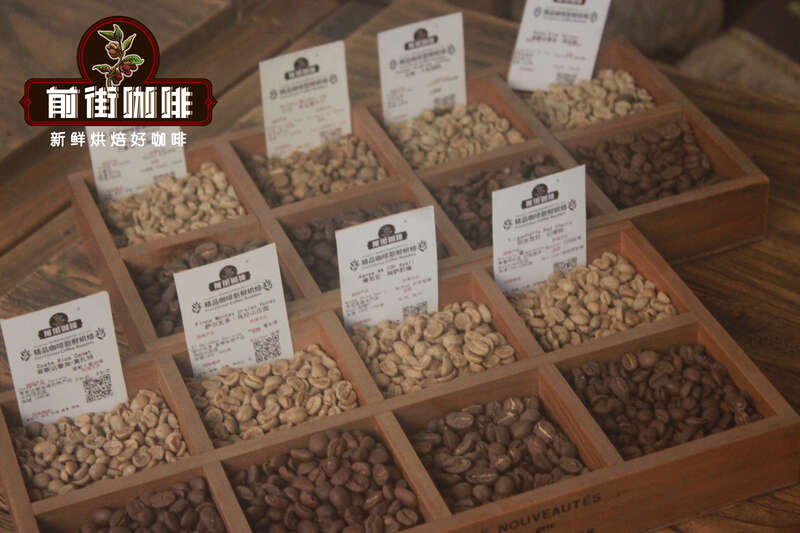
Yemeni coffee is dominated by the Typica variety, an ancient landrace originating in Ethiopia that offers citrus notes and a clean finish but has weak disease resistance. Particular care is needed to distinguish it: the commonly seen Bourbon, though also part of the Arabica family, accounts for a very low share of planting in Yemen. Compared with Robusta's high caffeine and rough mouthfeel, Typica better meets specialty coffee's demand for flavor complexity, but its yield of less than 1 ton per hectare limits commercial promotion.

Constrained by an arid climate and economic conditions, Yemen continues a five-century-old traditional processing method—full natural drying. Annual precipitation locally is only 400–750 mm, and coffee farmers leave ripe cherries directly on the branch, relying on mountain morning mist and afternoon sun to dehydrate them together. Some farmers spread the whole fruit on rooftops or mud ground to dry, using the day-night temperature difference to concentrate sugars. This extreme process creates the signature wild flavor of Yemeni coffee: dark roasting brings out black chocolate and smoky notes, while medium-light roasting highlights spice notes such as dried blueberry and cinnamon.
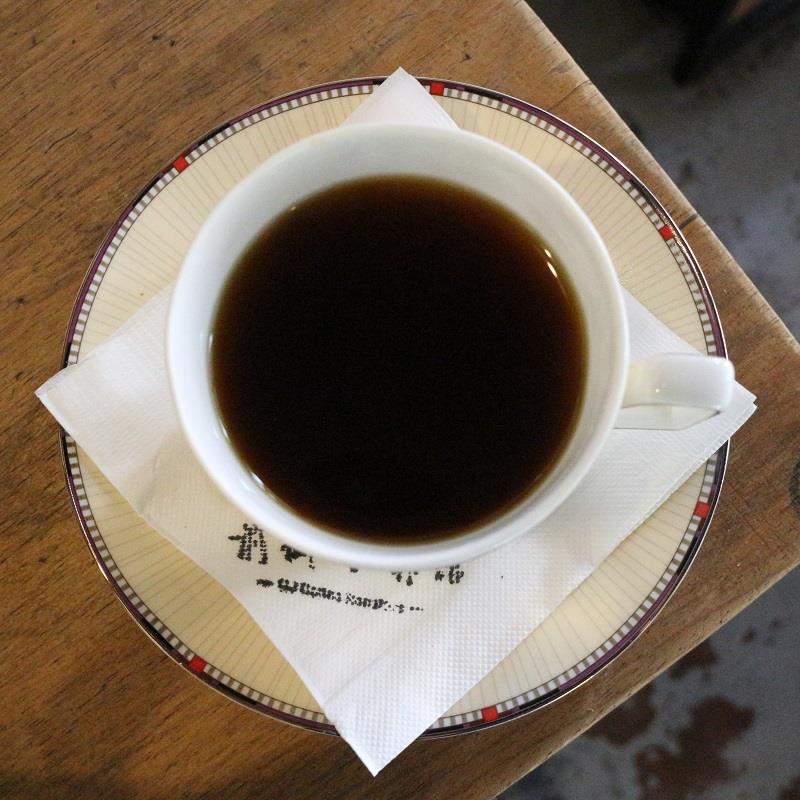
Actual brewing experience shows that Yemeni Mocha beans are best ground medium-fine (75% passing a Chinese standard No. 20 sieve), with water temperature controlled at 90–92°C. When using a V60 dripper, a coffee-to-water ratio of 1:15 is recommended, with 50 grams of water poured within the first 30 seconds; focus on the red berry acidity and woody spice notes that emerge in the early stage. Note that full natural beans have higher density, so the resting period should be extended to more than 14 days to balance an overly strong astringency. Professional cupping notes often include compound descriptions such as "leathery texture" and "caramel finish," confirming a complexity far beyond ordinary single-origin coffee.


