Yemen Coffee Regions and Varieties: Mocha Origins and Flavor Guide

Introduction: Yemen is one of the first countries in the world to cultivate coffee on a large scale, and its coffee beans are known for their unique natural processing method and complex flavors. This article takes an in-depth look at Yemen's main coffee regions and classic varieties such as Mocha Mattari, reveals the history of Mocha Port, and provides professional pour-over parameters and flavor descriptions to help you fully understand this wild, ancient coffee.

When people mention mocha coffee, most first think of a drink made with chocolate and milk, but true mocha coffee actually comes from Yemen. This Middle Eastern country is not only an important hub in the history of the coffee trade but also the birthplace of many classic coffee varieties. Yemeni coffee occupies a unique place in the global specialty coffee world thanks to its strong regional character and complex processing methods.
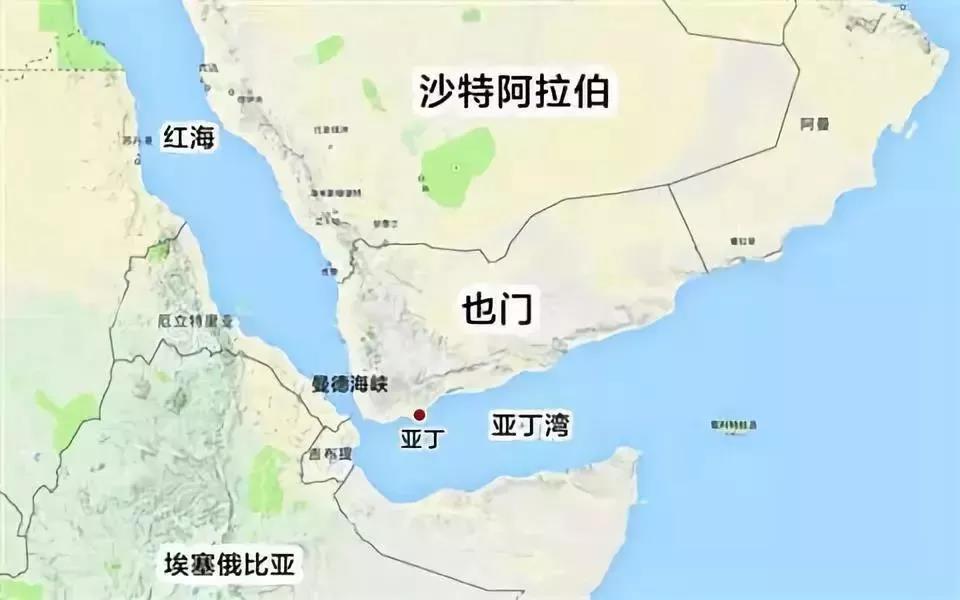
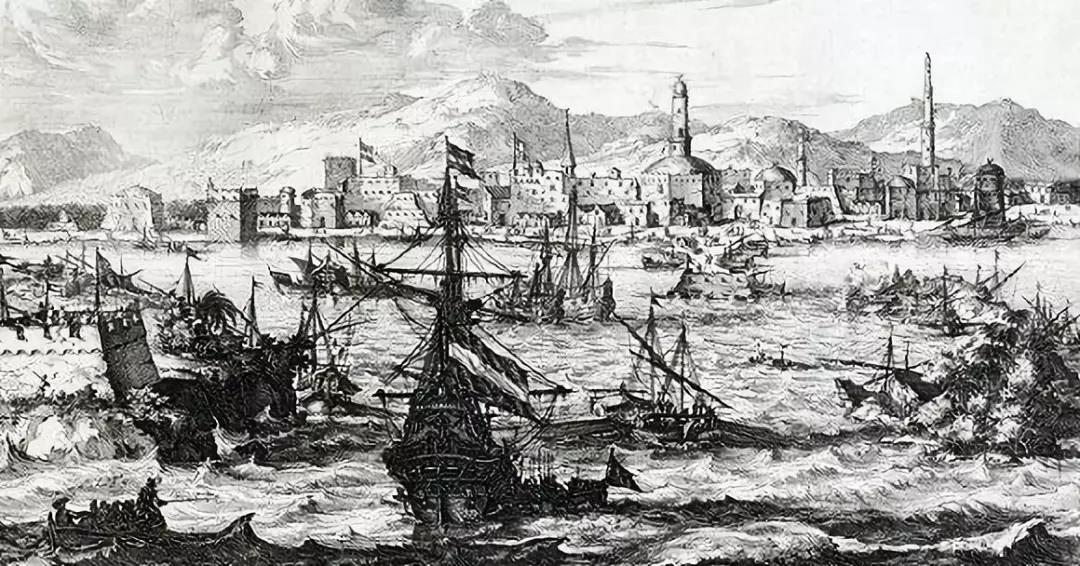
Yemen can be considered a pioneer of coffee agriculture, having led the way in commercial coffee cultivation as early as the 17th century. Coffee beans exported through the ancient port of Mocha at the time won over the European market with their full body and layered flavors. Notably, the etymology of the modern term "Arabica" is also closely linked to this port—European merchants originally called the coffee here "Arabian coffee," which eventually evolved into the common classification name for the coffee variety.
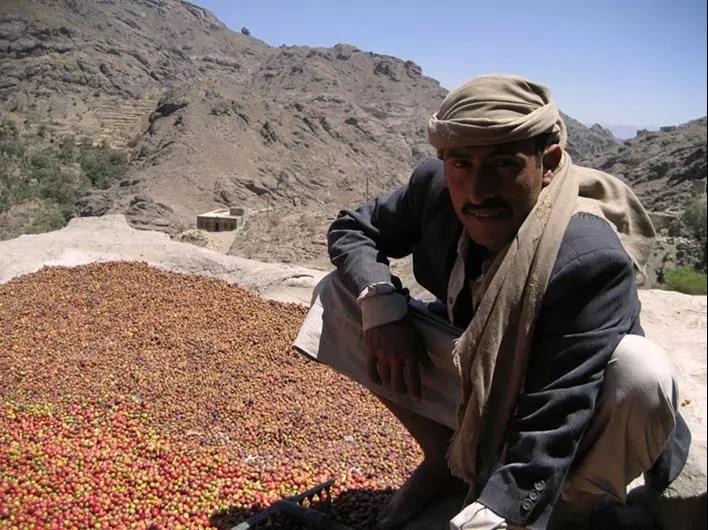
The most distinctive feature of Yemeni coffee lies in its unique processing method. Unlike the common natural or washed methods in Ethiopia, Yemeni farmers wait for the coffee cherries to fully ripen and dry naturally on the tree until they turn purplish-black before picking. After about 20 days of sun drying, the outer pulp is removed by hand to extract the coffee beans. This traditional craft creates the signature intense fermented aroma and low acidity of Yemeni coffee, and its flavor complexity is unmatched in specialty coffee.
Local farmers also show remarkable resourcefulness—they turn the dried coffee pulp into a specialty tea or sell it directly, a sustainable practice that is extremely rare in coffee-growing regions. Yemen's special geographical environment also affects coffee quality: the country's average annual rainfall is only 400-750 mm, and farmers cleverly use hillside terraces to retain water; combined with diverse microclimates, this produces coffees with distinct flavors.
When it comes to Yemeni coffee varieties, the most representative is the ancient Typica variant known as "Mocha" (called Udaini locally). This small-bean variety has a distinct wild character, and the special aromas produced by its natural fermentation may not be acceptable to all drinkers. Compared with the fresh floral and fruity notes of Ethiopian Yirgacheffe, Yemeni coffee shows a deeper, more mysterious character, with a unique wildness and unpredictable flavor variations.
Coffee from different Yemeni regions has its own characteristics: the Mocha Mattari region (1,300-1,900 meters above sea level) is known for its red-wine-like richness and intense fruity aroma, and at a dark roast it can develop a captivating chocolate finish; the Arabian Mocha region is known for its high viscosity and vinous aroma; and coffee from the Sanani region shows bold floral notes. These differences stem both from the influence of altitude and from the unique microclimates of each area.
The Yemeni coffee industry currently faces serious challenges: persistent water shortages and farmers switching to the cash crop khat have led to a decline in coffee quality. However, the country still maintains the world's only pure natural-sun-dried coffee production system, and this traditional craft gives the coffee a one-of-a-kind flavor profile.

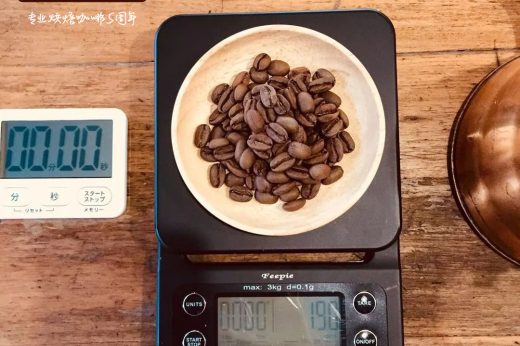
For pour-over enthusiasts, the following professional parameters are recommended for brewing Yemeni Mocha coffee: use a Kalita trapezoidal dripper (its special rib design optimizes airflow), set the grind to medium-coarse (about the size of granulated sugar, 70-75% passing through a No. 20 sieve), use a water temperature of 90°C and a coffee-to-water ratio of 1:15. In practice, first bloom with 30 g of water for 30 seconds, then use a pulsed pouring method—first pour to 125 g, wait for the water level to drop, then continue pouring to 225 g to complete extraction, with a total time of about 2 minutes. This method fully brings out the rich layers of Yemeni coffee, including a faint grape-like acidity, a long-lasting spice finish and a full body like Middle Eastern milk tea.