Yemen Mocha Coffee Explained: How to Choose This Distinctive Hand-Brew Bean
Introduction: As one of the earliest countries in the world to cultivate coffee on a large scale, Yemen has a coffee culture and growing methods all its own. This article takes you deep into Yemen's core coffee regions, traditional processing methods, and the signature flavor characteristics of Mocha coffee. From terraced farming to sun-drying, from regional differences to brewing advice, it helps you master the key points for selecting and tasting this classic coffee bean.
Yemen is not only the first country in the world to grow coffee as a large-scale crop, but also has a long history of coffee cultivation. Its coffee production—from terraced growing patterns and unique processing methods to the entire supply chain—shows distinctive regional character.
Yemeni coffee is mainly distributed in the central highlands, where coffee trees grow in terraced environments. Because of the high altitude, artificial irrigation is needed to ensure growth. The four core regions—Sana'ani, Mattari, Ismaili, and Hirazi—together shape the diversity and uniqueness of Yemeni coffee.
It is worth noting that the word "Mocha" originally referred to the name of the port from which Yemeni coffee was exported, and later gradually evolved into a term describing the strong, intense style characteristic of Yemeni coffee. Today, Mocha has become a highly recognizable category in the coffee world.
Yemeni coffee is picked entirely by hand, and after harvest the beans are mainly processed by the sun-dried method. In most cases, farmers dry the coffee on their own rooftops, but limited space often leads to uneven drying and even mold problems. This traditional yet challenging processing method also gives Yemeni coffee its distinctive complexity of flavor.
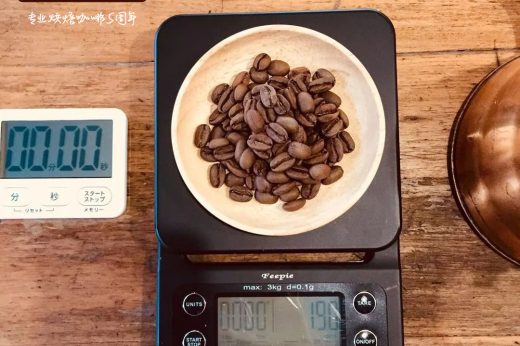
The coffee beans produced in Yemen belong to the Arabica species, and Mocha beans are usually smaller than ordinary coffee beans. Despite their small size, these beans often carry a bright and lively fruity acidity, which is a major highlight of their flavor.
For enthusiasts who enjoy trying hand-brewed coffee, Yemen Mocha is well worth experiencing for its unique acidity and layered character. When brewing, a medium-fine grind is recommended, with water temperature controlled between 90-93°C, using a staged extraction method to better bring out its bright fruity acidity and rich flavor layers.
Overall, Yemeni coffee, with its historical heritage, unique growing environment, and traditional craft, has earned an irreplaceable place in the specialty coffee world. Whether you are exploring the origins of coffee or looking for beans with a special flavor, Yemen Mocha is worth a try.