Rwanda Coffee Beans: Bourbon Varieties, Washed vs Natural Flavors, and Brewing Guide
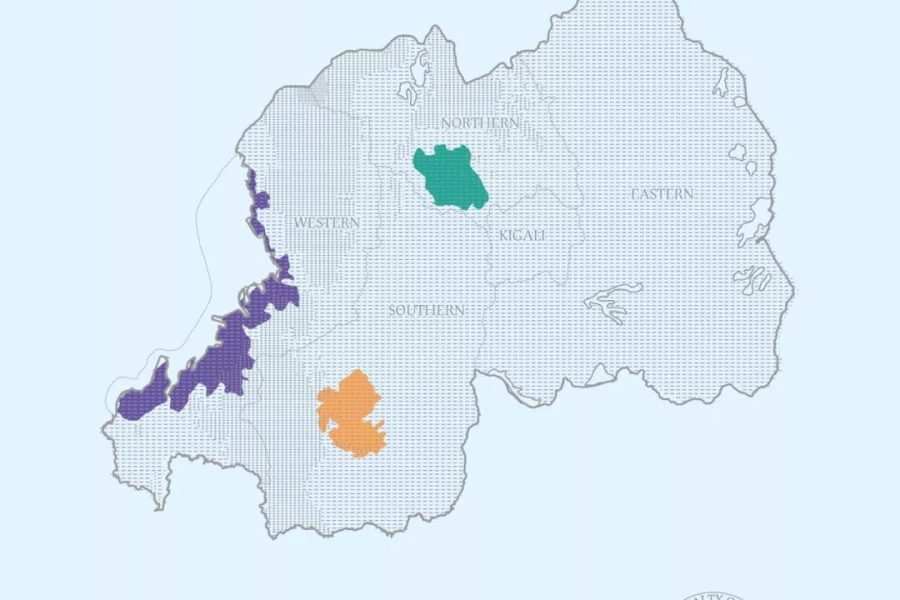
Introduction: Rwanda coffee is gradually becoming a favorite in the specialty coffee market thanks to its unique terroir and refined processing. This article examines the growing advantages of this 'Land of a Thousand Hills,' details the characteristics of Bourbon and other mainstream varieties, compares the flavor differences between washed and natural processing methods, and provides professional roasting advice and brewing parameters to help you fully understand the appeal of Rwanda coffee and key buying points.
Since November, as dynamics in the international coffee market heat up, Rwanda coffee has once again drawn consumer attention. This landlocked country in east-central Africa, though limited in land area, produces exceptional coffee beans thanks to its exceptional geographical environment. Its coffee industry has shown strong resilience amid global market fluctuations in recent years, with promotional efforts in the Chinese market in particular continuing to intensify.

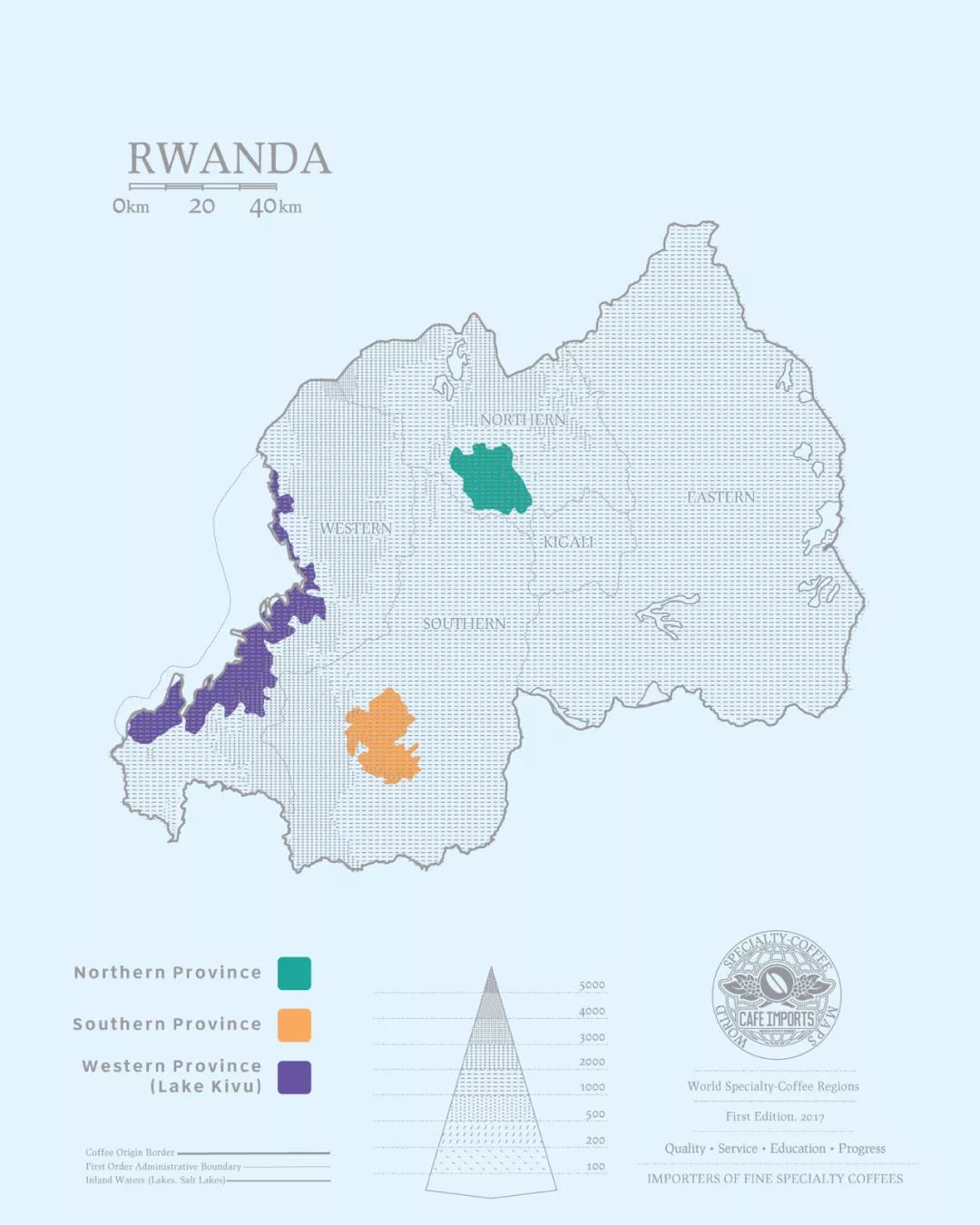
Rwanda is known as the 'Land of a Thousand Hills,' with over a thousand hills and five volcanoes across its territory, including the famous Mount Muhabura. This mountainous terrain creates rich microclimates, with elevations generally between 1,400 and 2,000 meters, and major producing regions such as Nyamasheke reaching 1,700–2,000 meters. Combined with mild average temperatures of 24–27°C and ample rainfall, the volcanic soil rich in minerals such as potassium and phosphorus provides ideal conditions for coffee trees. Compared with Kenya, also in Africa, Rwanda coffee has a more restrained and balanced flavor, with bright but not sharp acidity.
International cooperation in Rwanda's coffee industry continues to deepen. In 2020, China and Rwanda reached several cooperation intentions through online platforms, including the signing of a coffee trade memorandum and e-commerce livestream promotional events. Data show that in a single livestream, 3,000 bags of Rwandan specialty coffee beans sold out quickly, equivalent to the product's total sales over half a year in previous years. These measures not only helped local farmers through the difficulties of the pandemic but also provided Chinese consumers with more quality choices.
In terms of varieties, Rwanda mainly grows Arabica varieties such as Bourbon, Caturra and Catuai. Among them, Bourbon is the most classic; its fruit shows a gradual change from green to dark red as it ripens, and high-altitude Bourbon usually exhibits richer aromatic layers. Caturra, a natural mutation of Bourbon, is characterized by higher yields and compact plants; Catuai is a hybrid of Caturra and Timor, with more prominent disease resistance and environmental adaptability. Together these varieties give the coffee typical flavor notes of citrus and nuts, among which Red Bourbon (i.e., the common Bourbon variety) has dark red fruit when ripe and usually possesses brighter acidity and a more complex aroma structure.
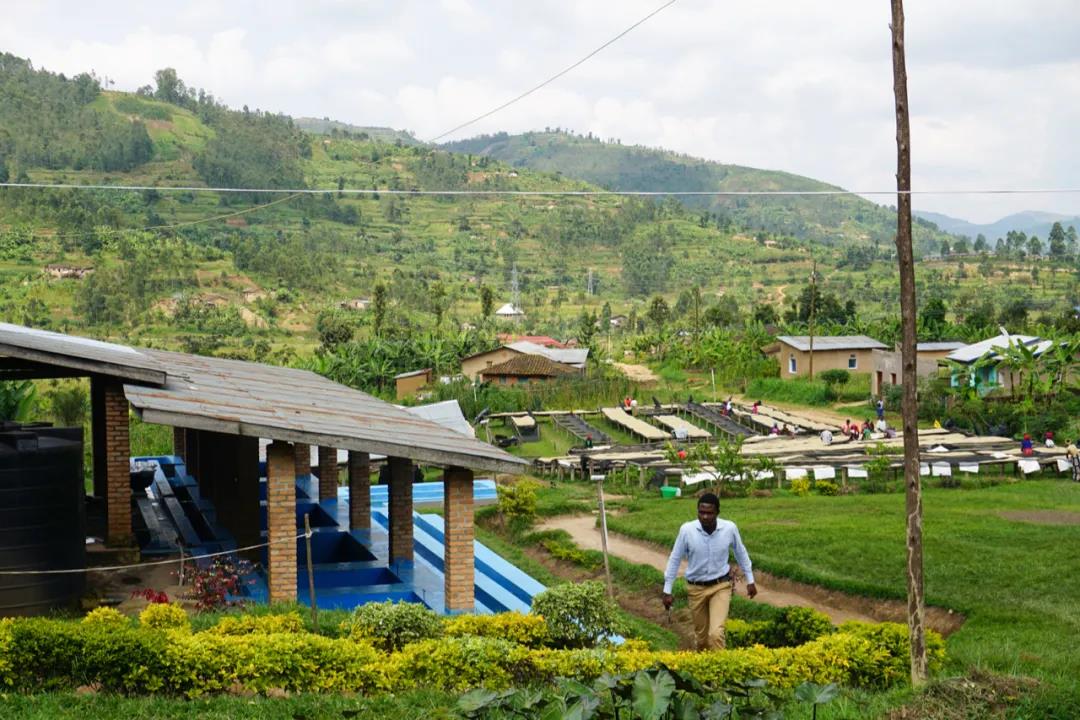
In processing, Rwanda coffee is mainly processed by refined washing. The standard process includes: manual selection of ripe fruit → depulping and removing the pulp → low-temperature washing fermentation for 12–18 hours (temperature controlled at 18–22°C) → multiple rinses with clean water to remove mucilage → drying on raised beds (turned 3–4 times daily, reducing moisture content to 11–14%). Some producing regions also try natural processing, developing richer sweet aromas of blueberry and tropical fruit by extending drying time (usually 21–28 days). Washed processing highlights clean, bright acidity and clear citrus notes, while natural processing enhances sweetness and body; each has its own distinct character.
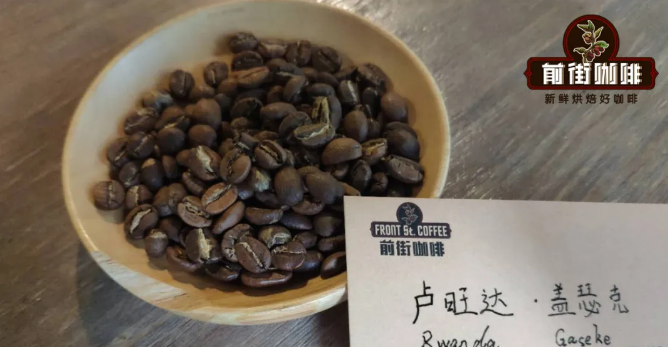
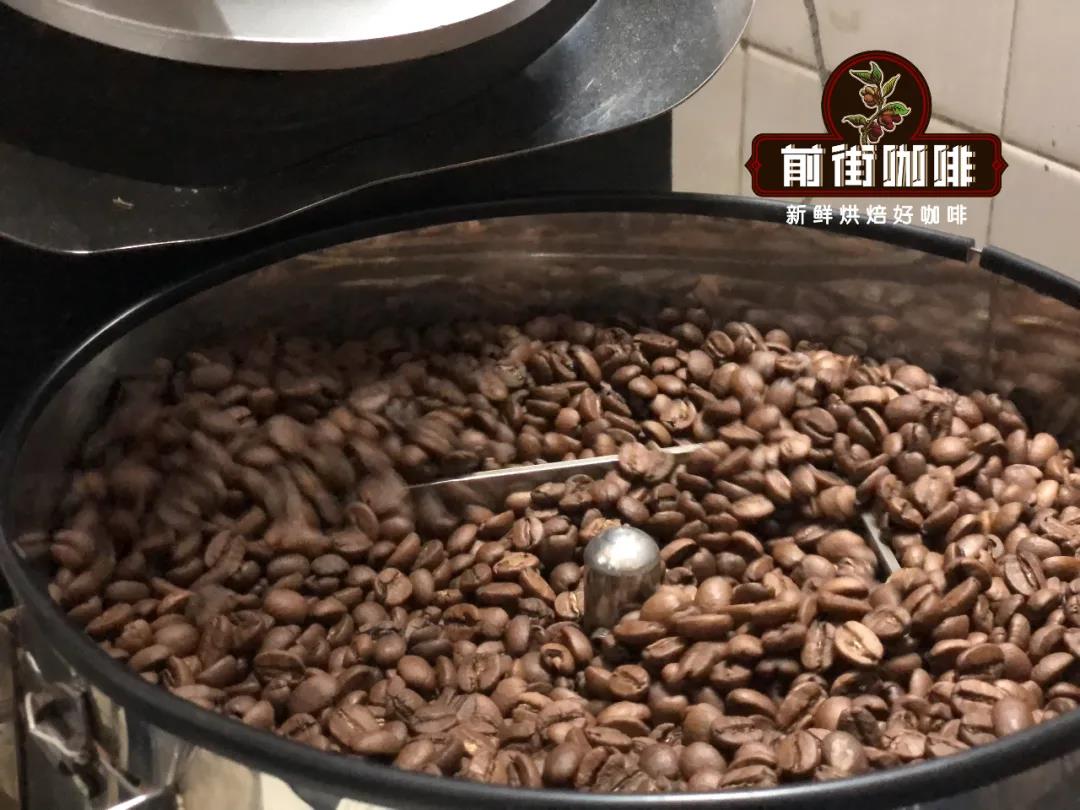
For washed Rwanda coffee beans, professional roasting suggests a medium-light roast (development time about 1:15–1:30). Taking a 550g batch as an example, the initial drum temperature can be set at 175°C, with staged adjustments (e.g., opening the damper to 4 at the turning point of 1'36", and to 5 at the start of first crack) to preserve floral and fruity acidity. Roast to 1 minute 30 seconds after first crack, with the final drop temperature controlled at 190–195°C; at this point the beans show a pale blue-green luster with little silver skin remaining.
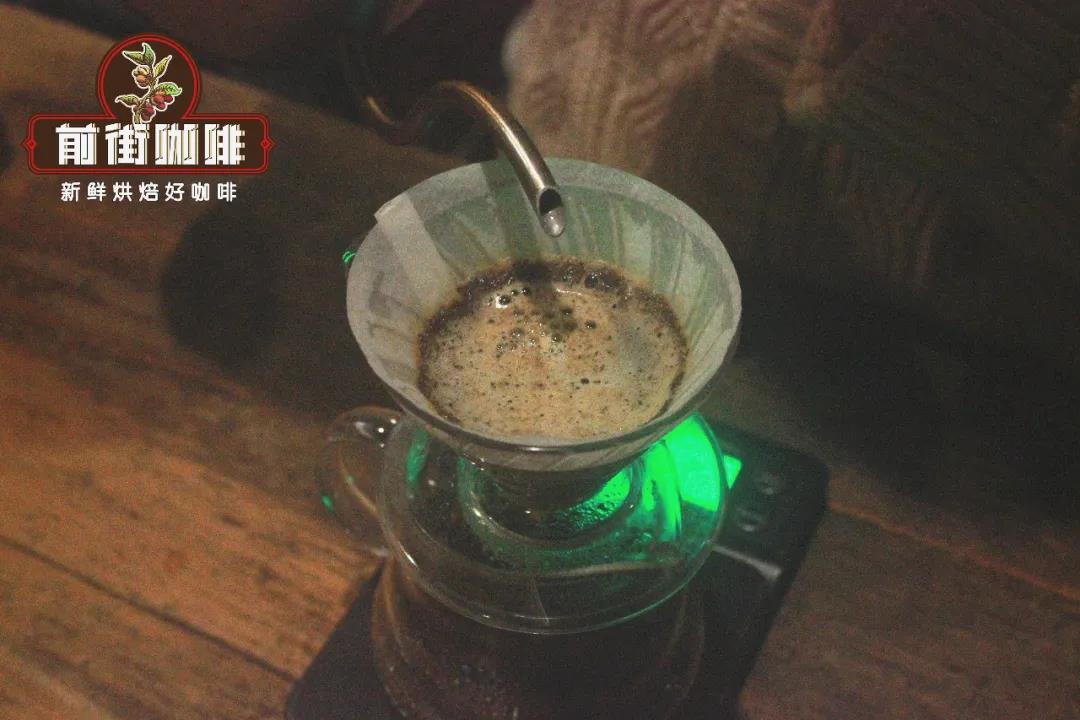
Recommended brewing parameters: when using a V60 dripper, a water temperature of 90–92°C, a coffee-to-water ratio of 1:15–1:16, and a grind similar to 80% passing a Chinese standard No. 20 sieve (similar to BG#6M). The operation is divided into three pours: the first pour of 30g water for a 30-second bloom, the second pour in circles to 125g in stages, and the final pour to 225g to end extraction (total time 2:00–2:15). These parameters effectively balance acidity, sweetness and bitterness, highlighting bright flavors of citrus and plum with a honey finish.
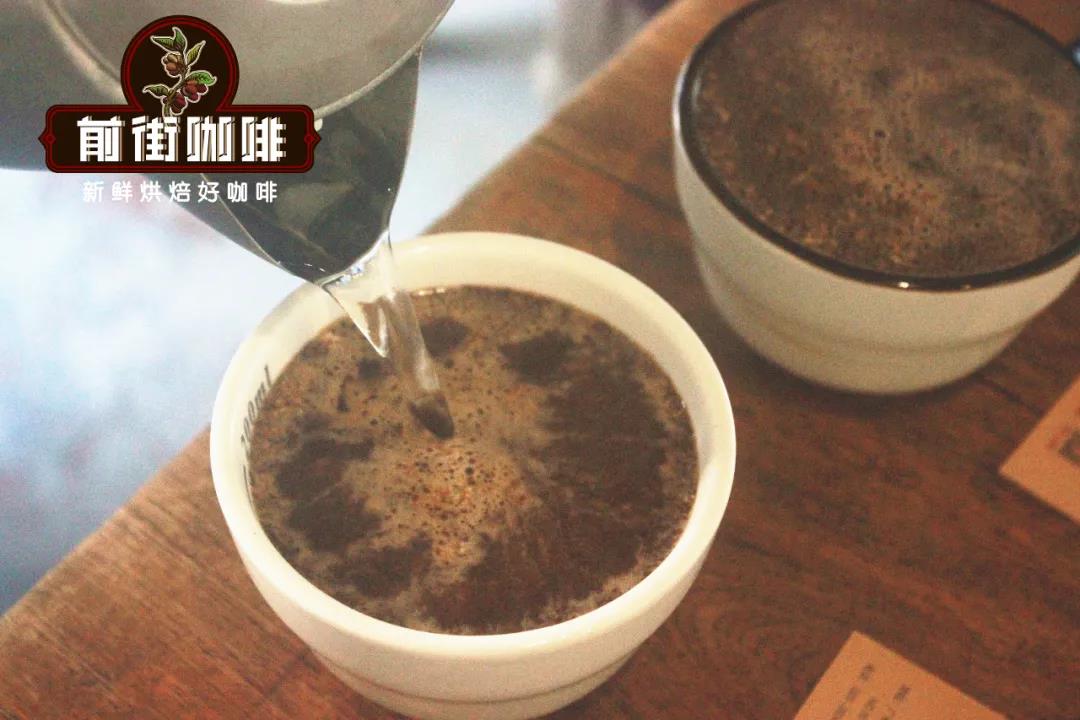
In terms of flavor, high-quality washed Rwandan beans typically show: a dry aroma with fresh floral and lemon notes; on the palate, bright citrus acidity and red plum flavors, transitioning in the mid-palate to nutty notes of almond and hazelnut, with a lingering honey sweetness in the finish; as the temperature drops, slight berry characteristics may emerge. The natural-processed version emphasizes tropical fruit sweetness and a rich, mellow texture like liqueur chocolate.
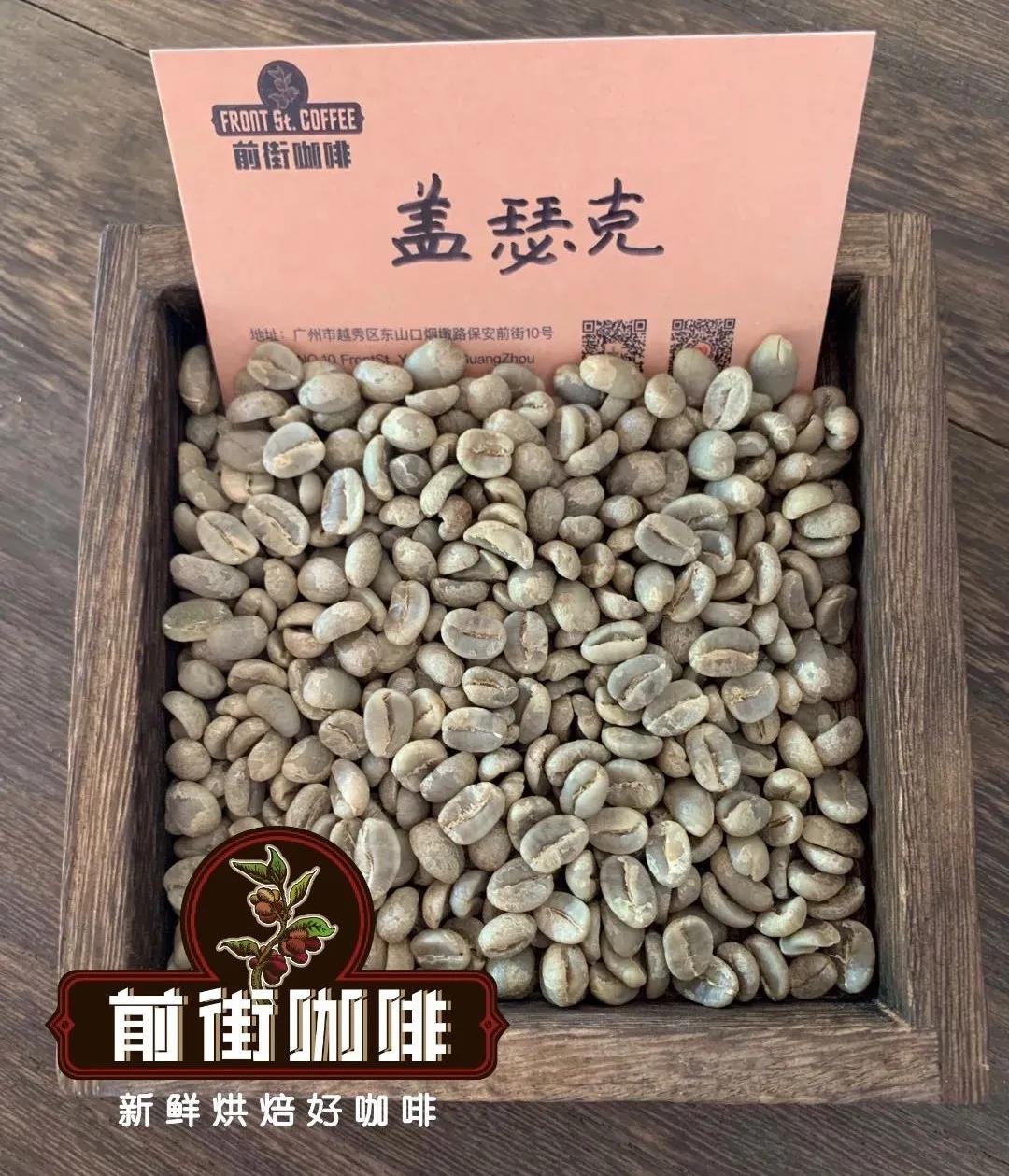
When buying, note: high-quality Rwandan green beans should show an even blue-green color with a defect rate below 3%; after roasting, they should be consumed within 14–21 days for the best flavor. For beginners, start with washed medium roast and gradually try the flavor differences of various processing methods and producing regions. As the global specialty coffee wave develops, the coffee potential of this 'Land of a Thousand Hills' is being discovered by more professionals and may bring more surprises in the future.


