2025 Drip Bag Coffee Buying Guide and Brewing Tutorial: Flavor Analysis + Optimal Parameters
Introduction: Thanks to its convenience and near pour-over quality, drip bag coffee has become a popular choice for everyday specialty coffee. This article selects five typical flavor profiles of drip bag coffee, covering fruity, floral, fermented and full-bodied tastes, with detailed explanations of each one's flavor characteristics and origin background. It also provides professional-grade brewing parameters and step-by-step instructions with photos to help beginners precisely control water temperature, coffee-to-water ratio and pouring technique, easily restoring coffee's original flavor layers.
In 1990, Japan's Yamanaka Sangyo Co., Ltd., inspired by tea bags, invented the drip filter coffee bag and obtained a patent. As demand for specialty coffee grew, drip bag coffee became popular for requiring no complex equipment and being ready to drink instantly. This article focuses on five best-selling single-origin drip bags, from fresh fruity notes to rich full body, to satisfy different palate preferences.

Tea-like flavor representative: Yirgacheffe Washed Drip Bag
Produced in the high-altitude Gedeo Zone of Yirgacheffe, Ethiopia (1,900-2,300 meters), using the traditional washed process on heirloom coffee beans. This coffee centers on bright citrus acidity, accompanied by jasmine floral notes and honey sweetness, with a fresh green tea-like finish; the balance of sweet and sour suits beginners experiencing the layered complexity of specialty coffee. Key parameters: altitude 1,900-2,300 meters, washed process, heirloom beans.
Prominent floral type: Panama Volcanic Region Blend
Coffee beans grown in the Barú volcanic area of Boquete, Panama (1,600 meters altitude), blending Geisha (70%), Catuai and Caturra varieties. The special microclimate's abundant rainfall and day-night temperature difference give it prominent black tea-like floral notes, clear berry and citrus flavors, and a finish with slight nuttiness; acidity is soft and bitterness low. Note the full-bodied base brought by its 1,600-meter altitude.
Rich fruity choice: Honey-Processed Geisha Blend
From Mirazu Estate in the Tarrazú region of Costa Rica (1,700 meters altitude), using the raisin honey process to retain complete mucilage. Through precise selection of ripe berries, raised-bed drying and slow drying, the dried-fruit fermentation feel and caramel sweetness are enhanced; when brewed it shows jasmine freshness and soft fruit acidity with a clear almond finish. The key lies in zero-water processing and at least three days of drying.
Strong fermented flavor: Colombia Double Anaerobic Natural
From Finca La Divisa in the Huila region (1,700 meters altitude), Sidra variety, double anaerobic natural process. Fermentation produces rich berry aroma; on the palate passion fruit, grape and almond burst forth, with a pronounced chocolate sweet aftertaste. Note how anaerobic processing enhances fruit aroma concentration.
Balanced body representative: Brazil Natural Yellow Bourbon
Selected Yellow Bourbon variety from the Mogiana region (1,400-1,950 meters altitude), using the semi-natural (pulped natural) process. Lower-altitude growing gives it a natural nutty base and chocolate sweetness; acidity is mild, sweetness prominent and cleanliness high, with some lots showing tropical fruit notes. Semi-natural processing balances the contradiction between body and acidity.
Full-bodied choice: Indonesian Golden Mandheling
Ateng variety from the Gayo region of Sumatra, Indonesia (1,400-1,600 meters altitude), wet-hulled after strict selection by PWN. The selection system ensures plump, uniform beans, and wet-hulling enhances body; flavors show a complex aroma of herbs, pine, caramel and dark chocolate, with a long sweet aftertaste and distinct herbal notes. Wet-hulling is the key to Sumatra coffee's heavy mouthfeel.
Making quality drip bag coffee requires controlling three core steps: first, thoroughly clean equipment before grinding to avoid flavor cross-contamination; second, precisely control grind size to match the drip filter design—too fast a flow causes under-extraction, too slow over-extraction; finally, use nitrogen-flushed automated packaging to extend shelf life and avoid flavor degradation from oxidation.
Recommended professional brewing parameters
Each drip bag typically lists a net content of 10 grams (confirm the packaging label), using a 1:15-1:16 coffee-to-water ratio (about 140-150 ml of coffee liquid). Control water temperature at around 90°C (2-3 minutes after boiling, with heat off and lid open), fine-tuned according to room temperature.

Step-by-step brewing process
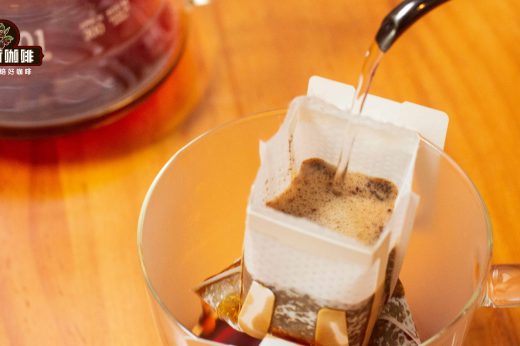
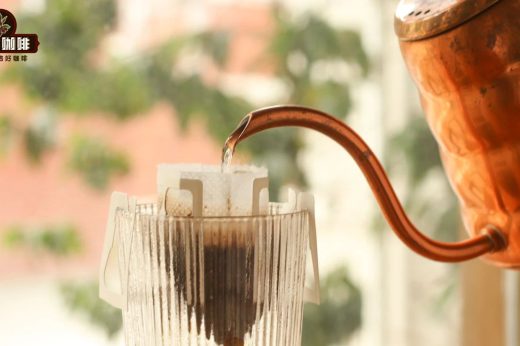
- Tear open the sealed top of the drip bag, unfold the filter paper "ears" on both sides and hang them on the cup rim, gently shake to level the coffee bed;
- For the first pour, just wet the coffee bed and let it sit for 30 seconds of blooming to activate the aroma;
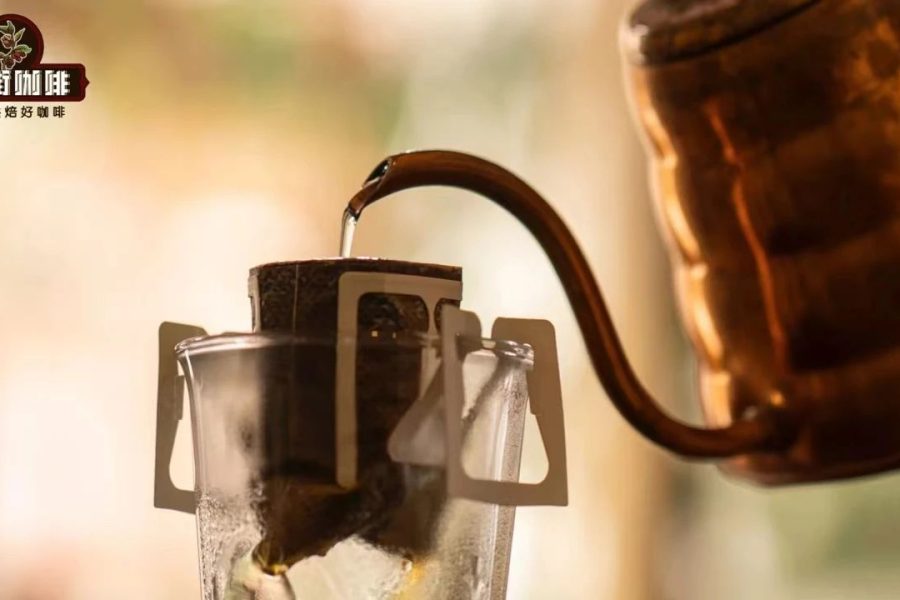
- Then pour in a small stream in circles; after the coffee bed settles, continue pouring to the target volume, about 1 minute total;
- For precise control, pre-measure 150-160 ml of water and remove the drip bag as soon as pouring is done.



Master these points and you can consistently reproduce each drip bag coffee's unique flavor characteristics.