Drip bag coffee caffeine content: daily safe intake and brewing guide
Introduction: Drip bag coffee, with its convenience and flavor advantages, has become the daily pick-me-up of choice for many office workers. But people sensitive to caffeine often worry that too much will affect their sleep. This article explains the caffeine calculation logic for drip bag coffee, combines it with authoritative health standards to clarify the daily safe drinking limit, and offers brewing tips and flavor buying advice to help you enjoy coffee's stimulating effect scientifically.
Coffee's role as a workplace stimulant needs no elaboration. But for office workers who prefer single-origin flavors yet lack access to professional equipment, drip bag coffee offers a perfect solution—no grinding, no complex devices, just hot water and a cup to recreate a freshly ground taste. However, some caffeine-sensitive people may experience insomnia from even a small intake, which raises the core questions: how much caffeine does a cup of drip bag coffee actually contain? And how many bags can an office worker drink per day at most without overdoing it?
The prototype of drip bag coffee dates back to 1990, when Japan's Yamanaka Sangyo Co., Ltd. first invented a single-sided drip bag structure and applied for a patent, but the early design had an ear on only one side and was unstable. In 1996, Daiki Shoji Co., Ltd. improved it to a single-side drip ear at the lower edge of the filter bag, which still had a tilting problem. It was not until 1999 that the company submitted a dual-sided drip ear invention patent to the European Patent Office, allowing the filter bag to stand steadily on the cup rim with its opening fully expanded—a design still in use today and now the market mainstream. In 2001, drip bag coffee was officially patented and brought to market, and with its purer aroma and convenience compared with instant coffee, it now accounts for about 15% of regular coffee consumption in Japan.
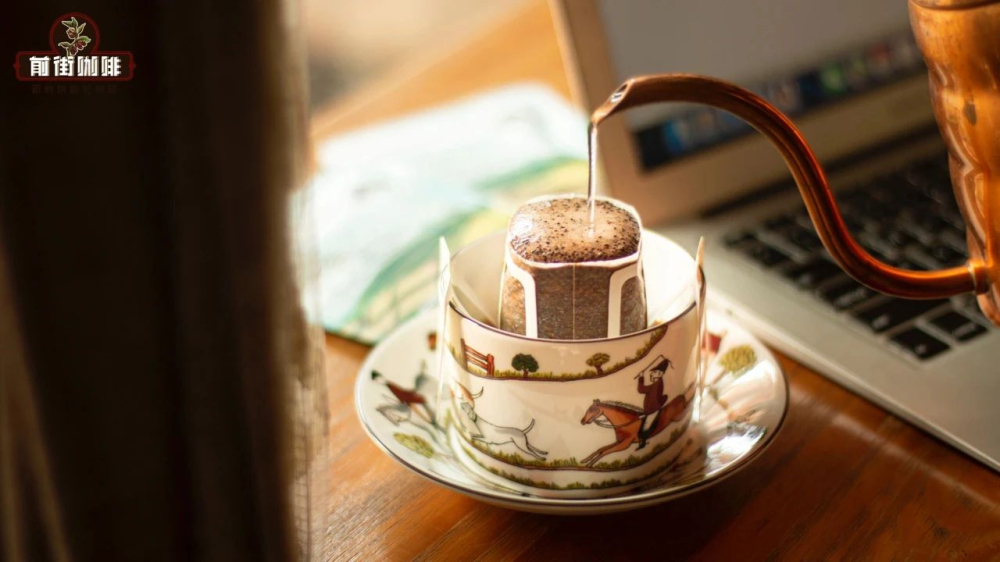
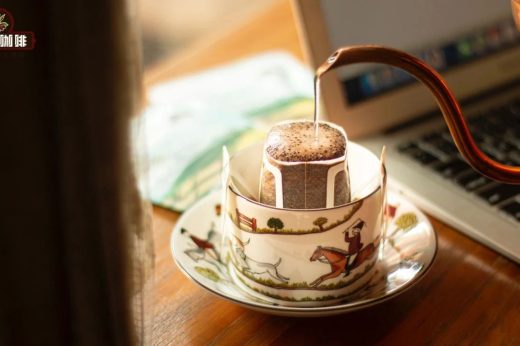
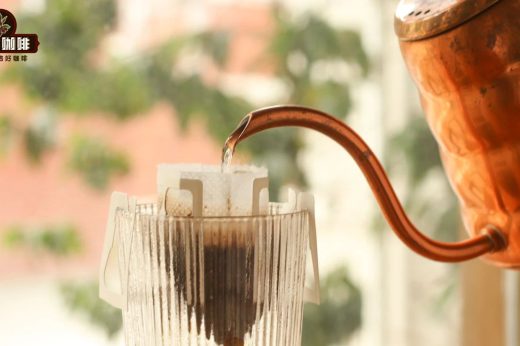
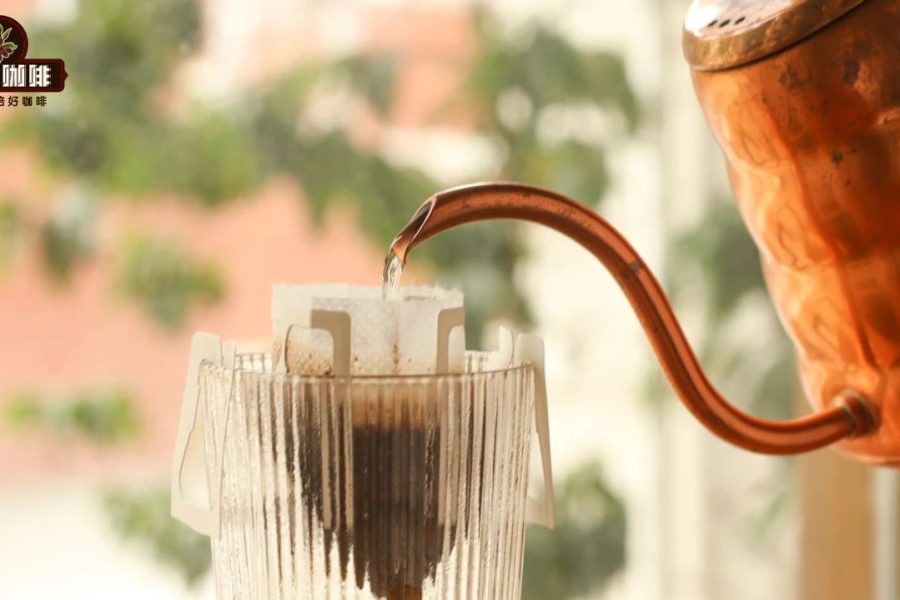
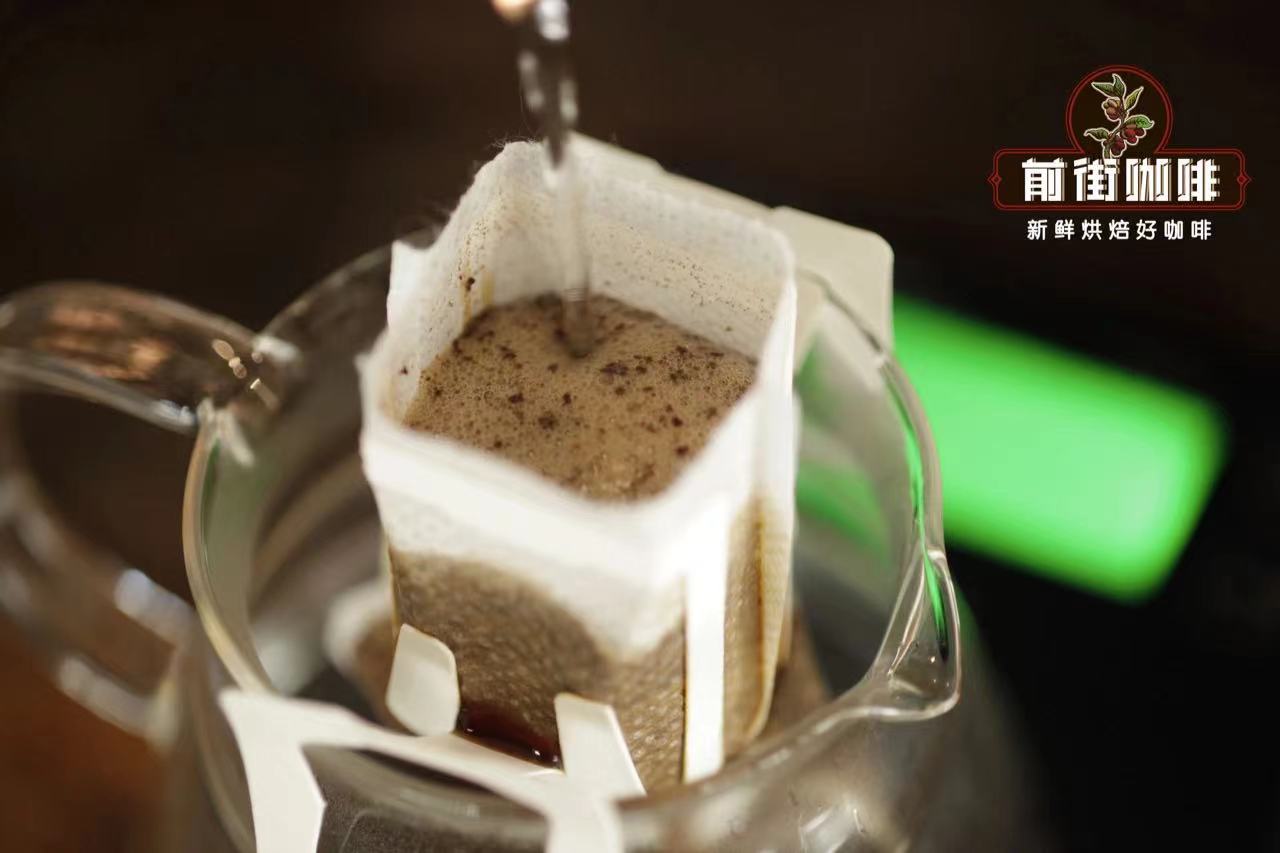
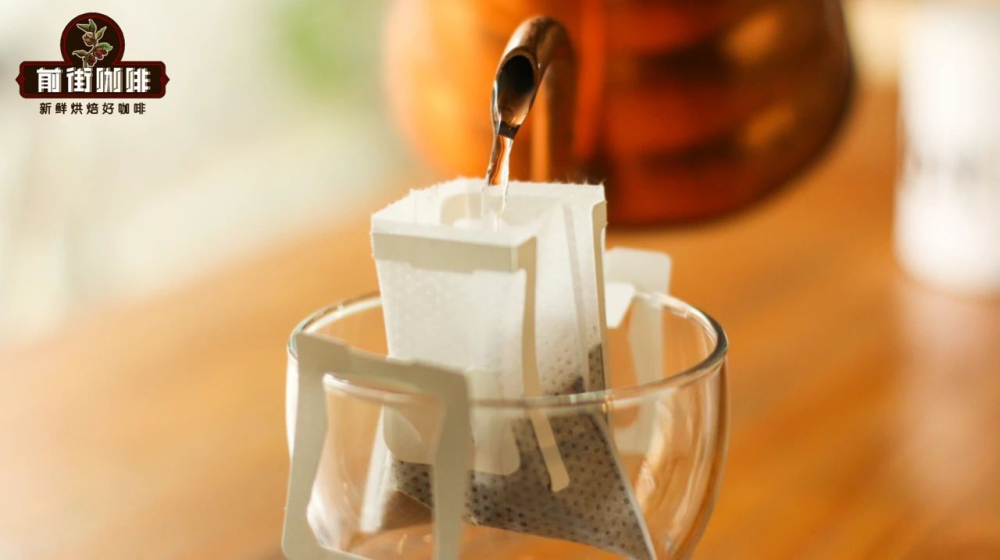
The popularity of drip bag coffee is no accident. Its biggest advantage is "convenience without compromise": all you need is hot water (85-95°C recommended) and a cup that holds about 200 ml, no professional pour-over gear required, and brewing is done in 30 seconds. Compared with the chemical additives and one-dimensional flavor of instant coffee, drip bags preserve the coffee beans' original regional character and aromatic layers, making them especially suited to offices and other settings where grinding equipment cannot be used.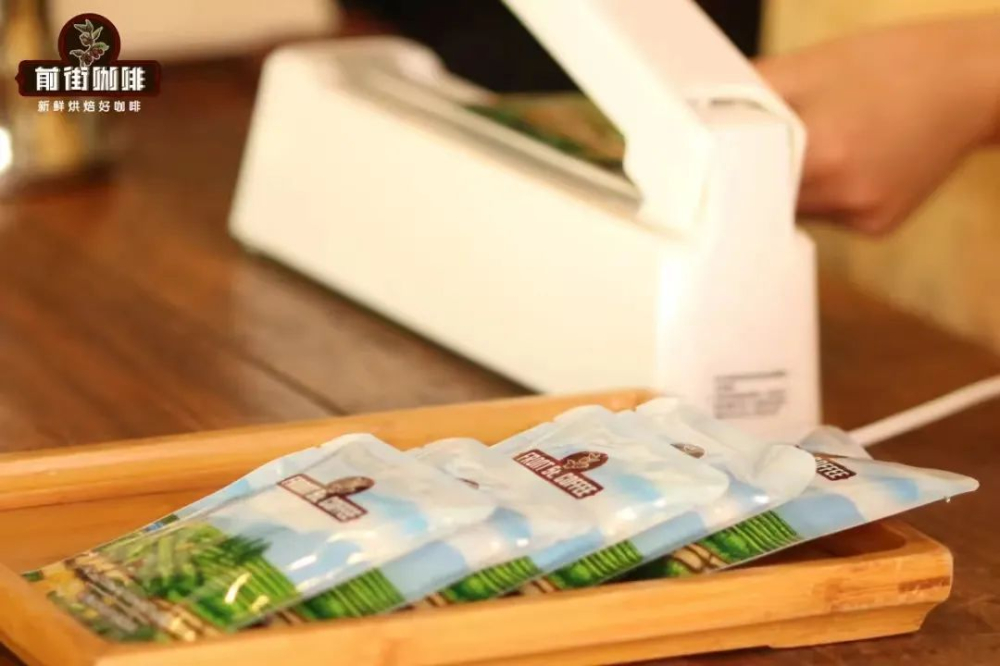
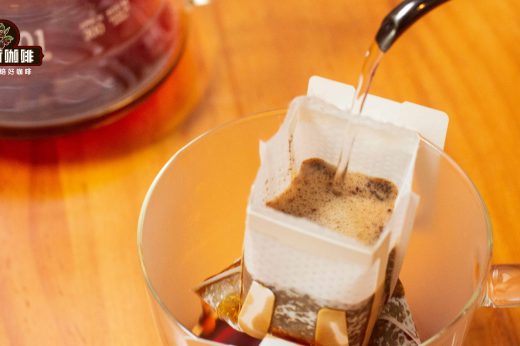
The steps for brewing drip bag coffee are simple but have their finer points: a standard single bag usually holds 8-12 grams of grounds (check the packaging for the exact figure), and the recommended amount of hot water is 120-180 grams (about 120-180 ml), adjustable to taste—reduce to 120 grams for a stronger cup, increase to 180 grams for a lighter one. Note that the coffee grounds must stay in the filter bag, because they contain large amounts of insoluble plant fiber and other matter; pouring the grounds straight into water produces a noticeably gritty texture that hurts the flavor (a common mistake: treating drip bag grounds like instant powder and tipping them directly into water).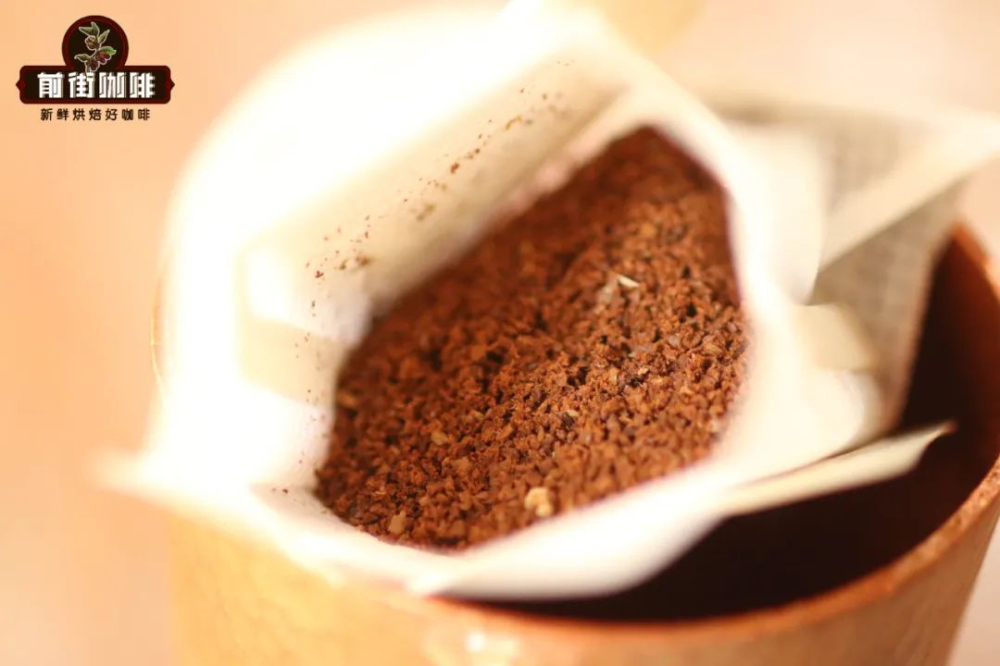
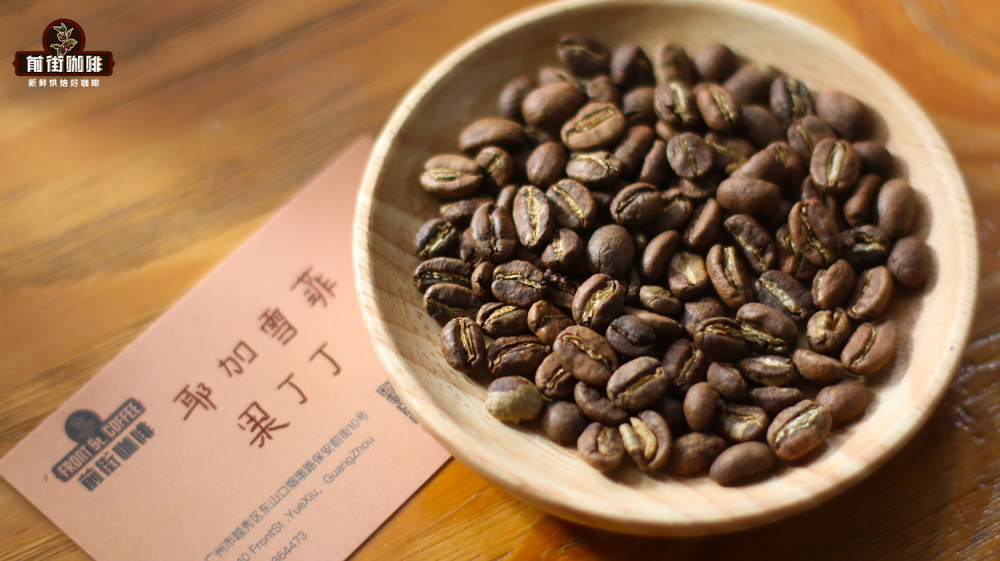
How do you choose the drip bag that suits you? Consider three dimensions: freshness (choose products within 1 month of the roast date), bean origin (flavor differs markedly between regions), and flavor type. Common flavor directions include: fruity (such as Ethiopia's Yirgacheffe region, typically showing citrusy acidity and jasmine aroma), floral (such as Panama Geisha, whose high-altitude cultivation gives it bright acidity and floral notes), fermented/winey aromas (with a mellow feel reminiscent of fruit wine), and high-body dark roasts (balanced bitter-sweetness, suited to those who prefer intense flavors).
Back to the core question: how much caffeine does drip bag coffee actually contain? Taking a single 10-gram bag (a common middle value) as an example, the formula is: caffeine content = grounds weight (grams) × extraction rate (ideal value 18%) × caffeine proportion in the beans (about 1.2% for Arabica). Plugging in the numbers gives: 10 × 0.18 × 0.012 = 0.0216 grams, or about 21.6 mg per bag (actual values may range from 18 to 28 mg depending on the grounds weight). According to the U.S. Food and Drug Administration (FDA), the safe daily caffeine limit for adults is 400 mg, which works out to roughly 18-22 bags per day (estimating 20 mg per bag). Note, however, that individual sensitivity to caffeine varies enormously—some people may have their night's sleep affected by just 1-2 bags, while long-term heavy users may develop "tolerance" and need more caffeine to achieve the same stimulating effect.
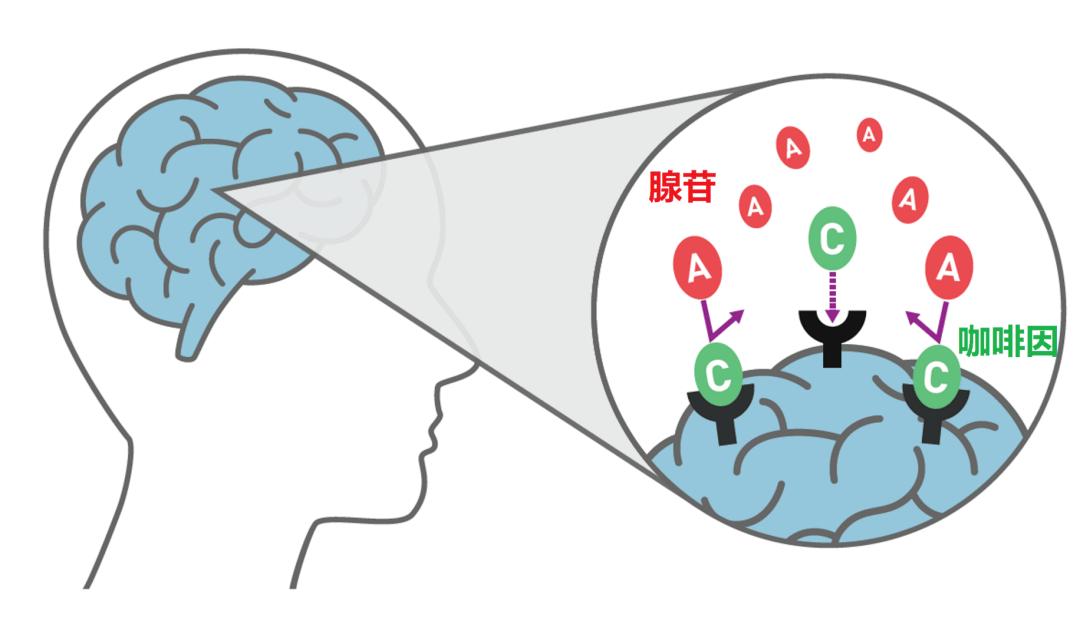
Caffeine's stimulating mechanism works by occupying adenosine receptors in the brain and blocking the transmission of fatigue signals. But medical research points out that sensitive individuals may experience palpitations, insomnia and other reactions even from small intakes, and "tolerance" is not a health advantage—it may instead mask the body's need for rest. So it is advisable to adjust your intake according to how you feel, giving priority to the authoritative 400 mg daily limit, and to control it flexibly in light of your sleep quality, changes in heart rate and other bodily feedback.