Costa Rica Coffee Guide: Honey-Processed Beans and Pour-Over Tips
Introduction: A deep dive into the core growing regions and processing characteristics of Costa Rican specialty coffee, focusing on the differences in honey processing among representative beans from the Tarrazú region. From Caturra to Villa Sarchí, it explains in detail how the pectin retention ratio of yellow/red/black honey affects flavor, and provides detailed parameters and brewing suggestions for well-known beans such as the Musician series, helping you precisely match your personal taste preferences.
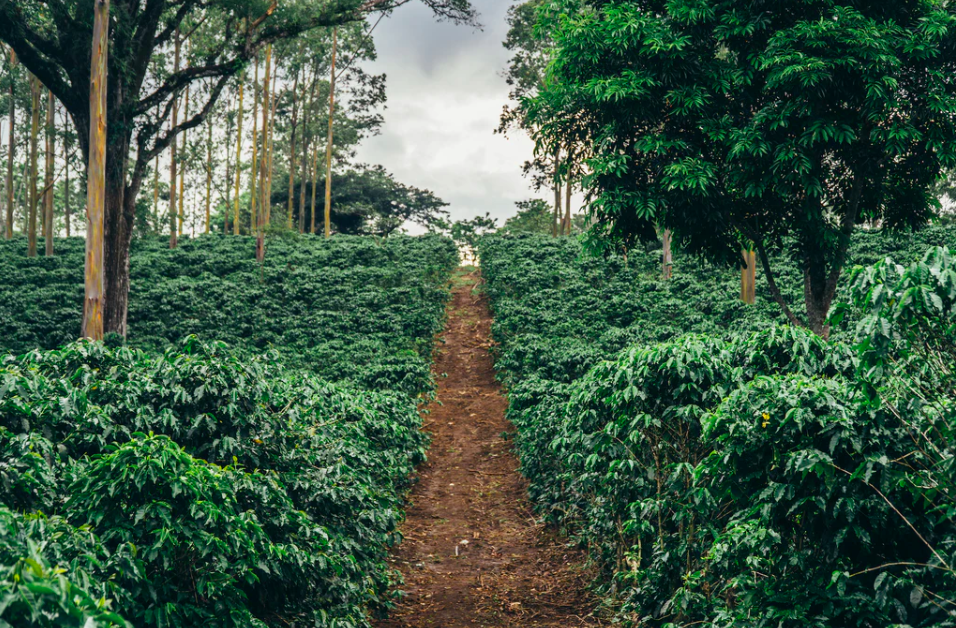
In the global coffee consumer market, Costa Rica occupies an important position thanks to its stable quality and unique processing techniques. This Central American country, the first to introduce Cuban coffee varieties, has developed a diversified coffee processing system relying on varied altitude gradients and volcanic soil. In addition to conventional washed and natural methods, honey processing is widely applied here and continuously innovated.
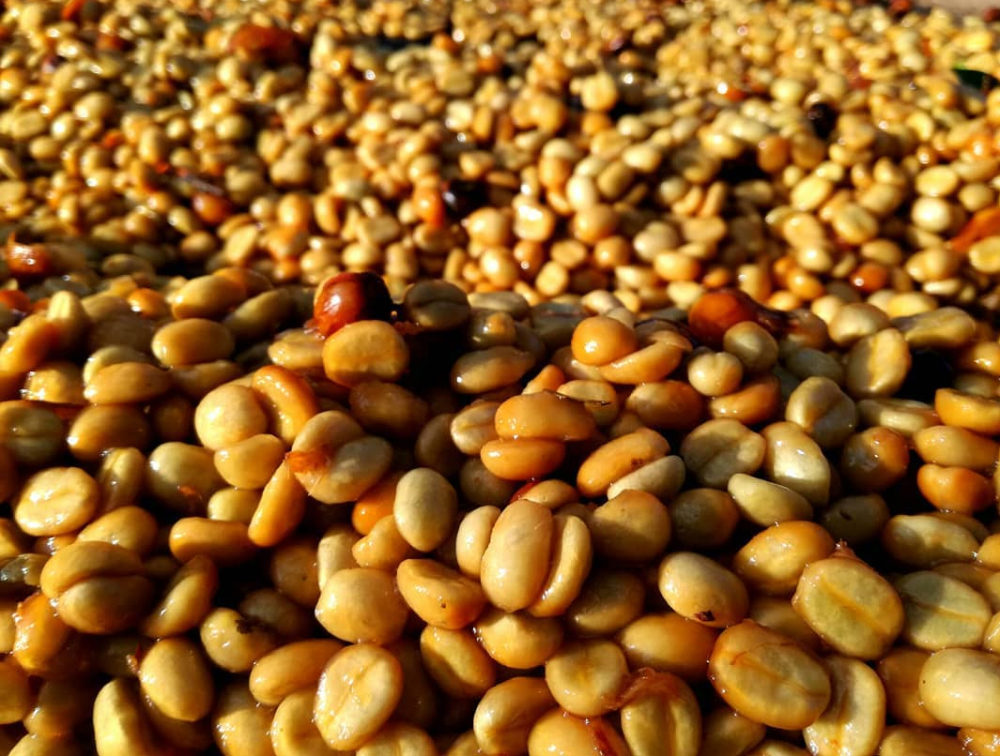
Among the many processing methods, honey processing is widely favored because it retains more sugars. Its core lies in the differentiated handling of the pectin layer—after flotation, the parchment beans are divided into three categories by residual pectin: yellow honey retains about 40% pectin, red honey about 25%, and black honey retains almost all of it. This technique not only shortens the drying cycle but also reduces water demand by about 30%, making it especially suitable for growing areas with limited water resources.
Take the Tarrazú region as an example. As one of Costa Rica's oldest coffee belts, its microclimate characteristics significantly influence the final flavor. Typical beans processed as yellow honey often present bright fruit acidity such as strawberry and apple, accompanied by layers of honey and caramel sweetness. Black honey beans, because almost no pectin is removed, develop richer compound flavors of dark chocolate and tropical fruit during slow drying. Growing areas at around 1,950 meters, combined with the high-quality genetics of the Caturra variety, create the balanced body and lasting sweet aftertaste of such beans.
The flavor differences among honey processing grades can be observed quantitatively through specific parameters: yellow honey (40% pectin retained) typically brings citrus acidity and toffee sweetness, with a recommended optimal extraction water temperature of 90-92°C; red honey (25% pectin) tends toward stone fruit notes such as apricot and plum, suited to a slightly lower water temperature of 88-90°C; black honey (nearly 100% pectin) requires extending the bloom time to 45 seconds to fully unlock its dark berry and spice aromas.
Another feature of the Tarrazú region is the exquisite application of the traditional washed method. After removing the pulp with clean water, the pectin layer is broken down by microbial fermentation, then the beans are washed with mountain spring water and spread out evenly to dry. Beans produced this way generally have higher purity, commonly showing bright orange-juice-like acidity and caramel sweetness, with excellent acid-bitterness balance, making them especially suitable as everyday drinking beans or a blend base. The defect rate of washed processing is usually below 3%, far better than the industry average.
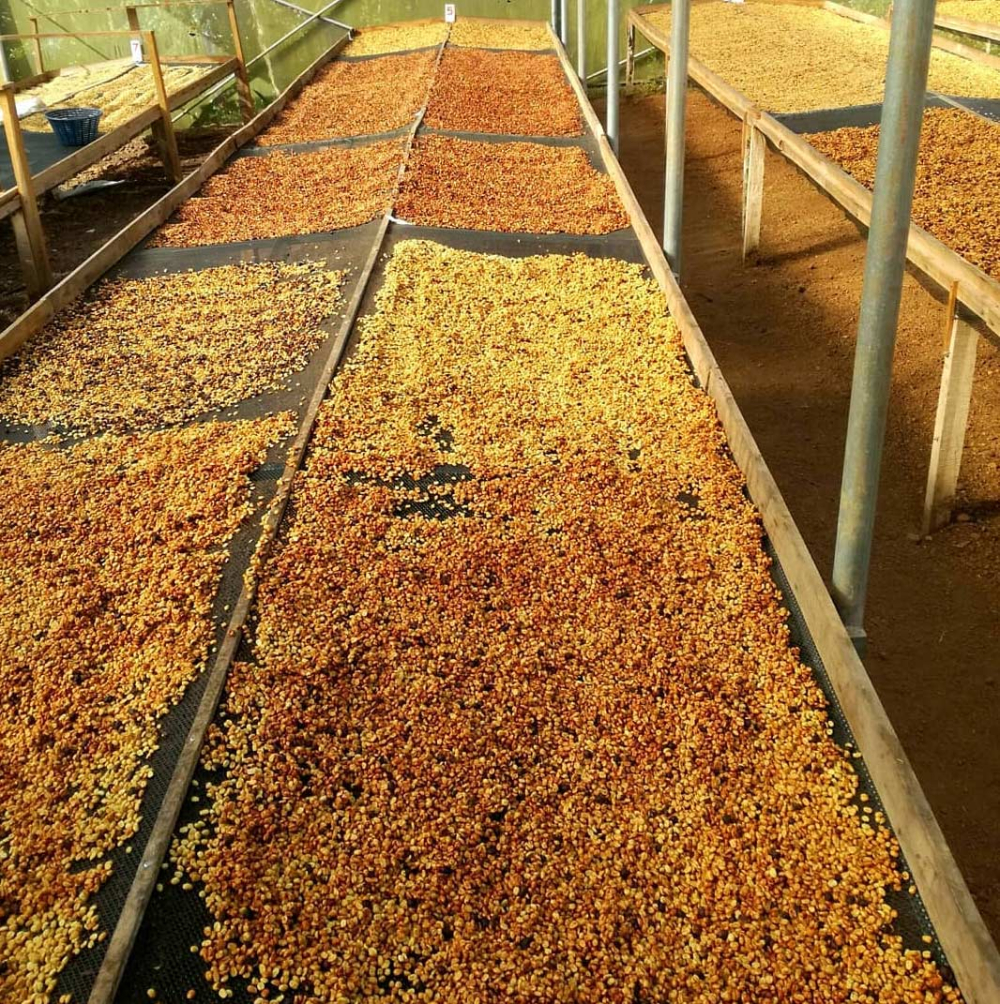
Costa Rica's variety choices are also worth noting. The dominant Caturra and Catuai are both dwarf Bourbon variants; the former is known for high yield and disease resistance and suits mid-altitude zones of 1,800-2,000 meters; the latter inherits Caturra's rust resistance and the robust stature of the Timor variety, performing especially well at high altitudes above 1,500 meters. The niche Villa Sarchí variety requires specific conditions—altitude must exceed 1,600 meters, and it must be planted with shade trees—but its unique nut and spice flavors make it a collector's target for specialty coffee lovers.
Government-level quality control systems also play an indispensable role. Since chemical pesticides were banned in 1989, officials have safeguarded quality through measures such as distributing disease-resistant seedlings free of charge and establishing grading standards. Among them, the Strictly Hard Bean (SHB) certification requires a growing altitude of no less than 1,200 meters, ensuring the beans have sufficient density and flavor complexity.
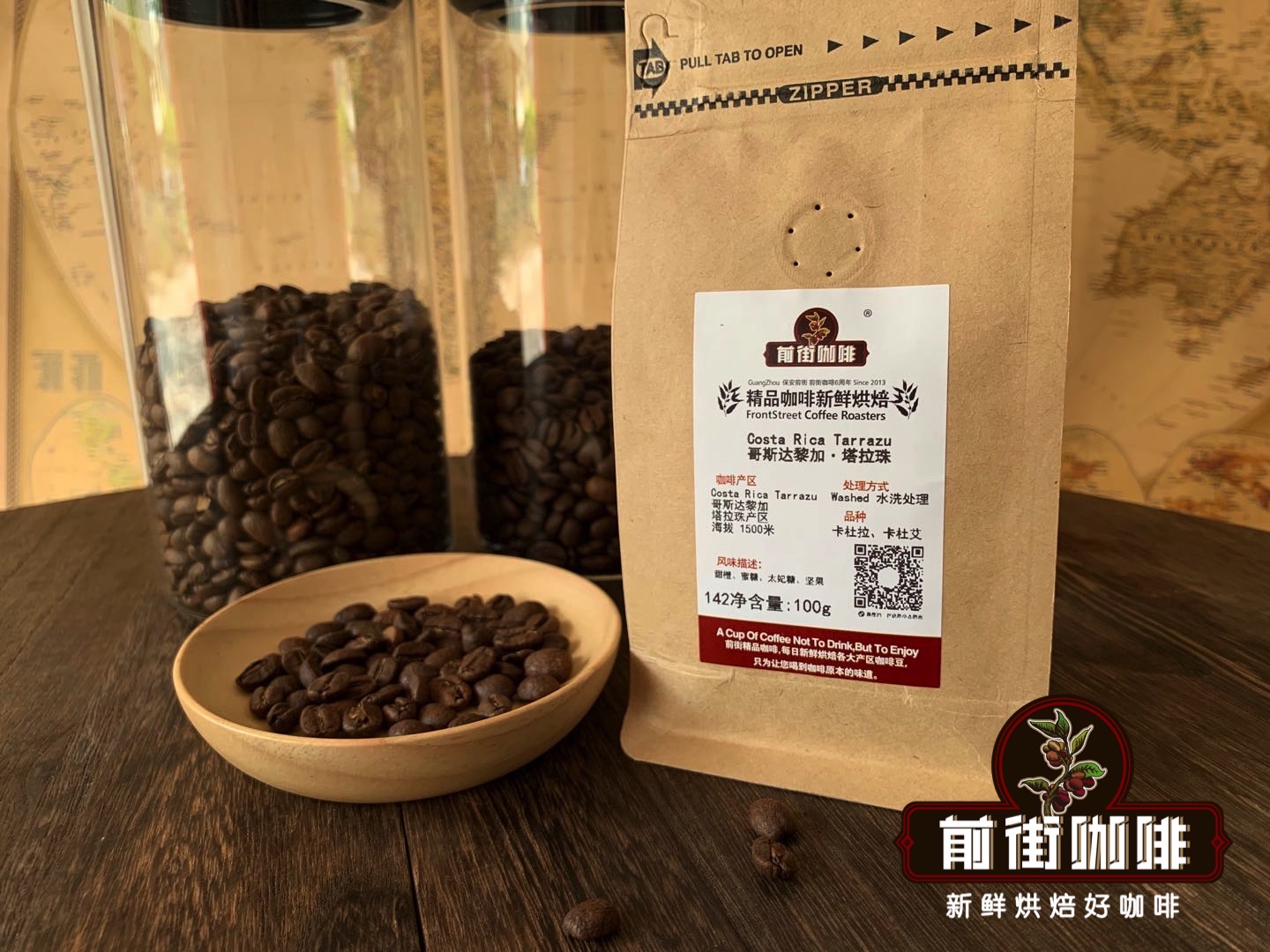
Brewing suggestions for different processing methods:
• Honey-processed beans (such as yellow/red honey): when using a V60 dripper, coffee-to-water ratio 1:15, medium-fine grind (70% passing a Chinese standard No. 20 sieve), first pour 30 g for a 30-second bloom
• Washed beans: a Kalita wave dripper is recommended, coffee-to-water ratio 1:16, coarse grind (60% passing), pulse pouring while keeping water temperature stable at 90±1°C
• Black honey beans: extend the pre-infusion time to 45 seconds, and keep total extraction time within 2 minutes 30 seconds to avoid over-extraction
Detailed parameter references for typical beans are as follows:
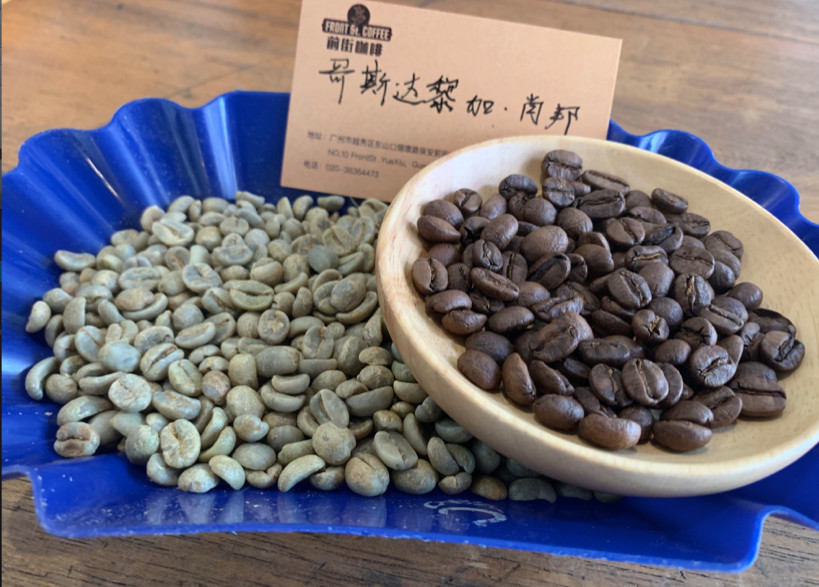
Tarrazú Yellow Honey Caturra (1,950 m): flavor keywords include strawberry, lemon and honey; recommended roast level medium-light (Agtron 65-70)
Tarrazú Washed Yellow Catuai (1,900 m): presents green grape and vanilla notes, with refreshing acidity like kiwi; best drinking period 7-14 days after roasting
Raisin Honey Catuai (1,800 m): blends apple, rose and dark chocolate flavors, with a body close to the texture of milk chocolate