Indonesian Kopi Luwak Flavor Profile: Acidity, Characteristics, and Brewing Tips
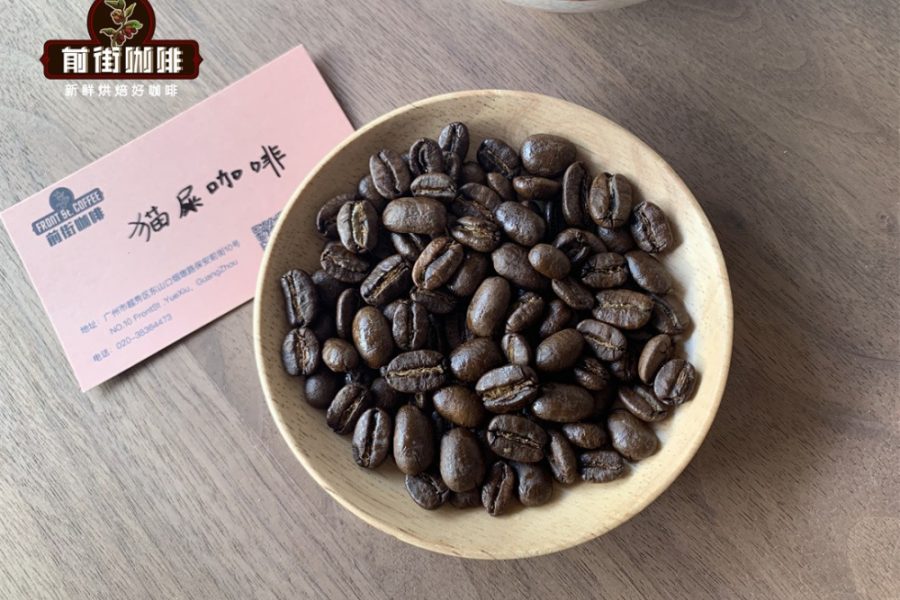
Introduction: Kopi Luwak, commonly known as cat poop coffee, has attracted much attention due to its unique production process and scarcity, while also sparking ethical controversies. This article provides an in-depth analysis of this special coffee from the perspectives of flavor characteristics, production methods, and market status, helping readers understand why cat poop coffee is so expensive, whether it is worth trying, and how to brew it correctly to present the best flavor.
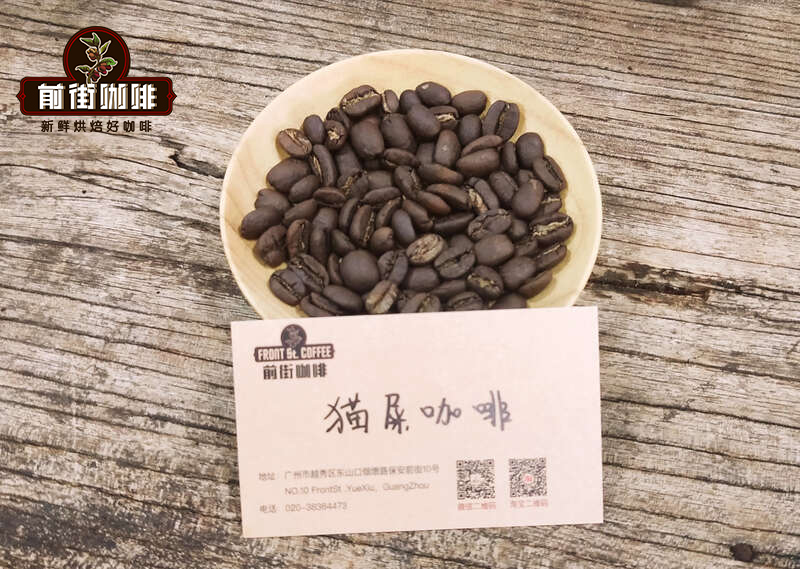
Kopi Luwak, also known as cat poop coffee, is a special coffee category originating from Indonesia. Despite its high profile, it is highly controversial in the specialty coffee world, mainly because it involves inhumane keeping and use of wild animals. Traditionally, this coffee relies on civets (such as the Asian palm civet) eating ripe coffee cherries, undergoing special fermentation through their digestive tract, and then farmers collecting and cleaning the coffee beans from the feces.
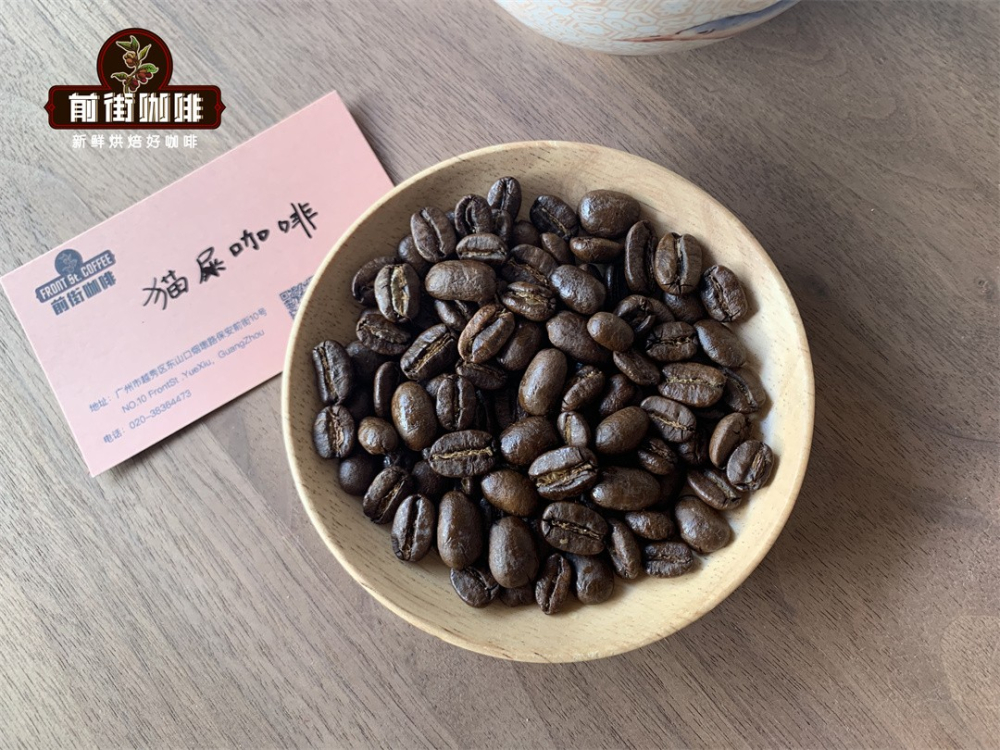
This processing method eliminates the complex steps of conventional coffee picking, pulping, fermentation, washing, drying, or mechanical drying, and instead relies on the natural fermentation environment inside the civet. According to relevant information, this process imparts a special aroma and mouthfeel to the coffee beans, but due to extremely low yield, prices remain high, which is one reason cat poop coffee is sought after in the market.
The coffee varieties grown locally in Indonesia are mainly hybrids, such as the common Catimor, which is a cross between Caturra and Timor, the latter containing a small amount of Robusta genes, so these coffees typically have higher sweetness and lower acidity. Normally, civets prefer to eat coffee cherries of varieties such as Timor, but this is not absolute; individual differences also affect the final flavor expression.
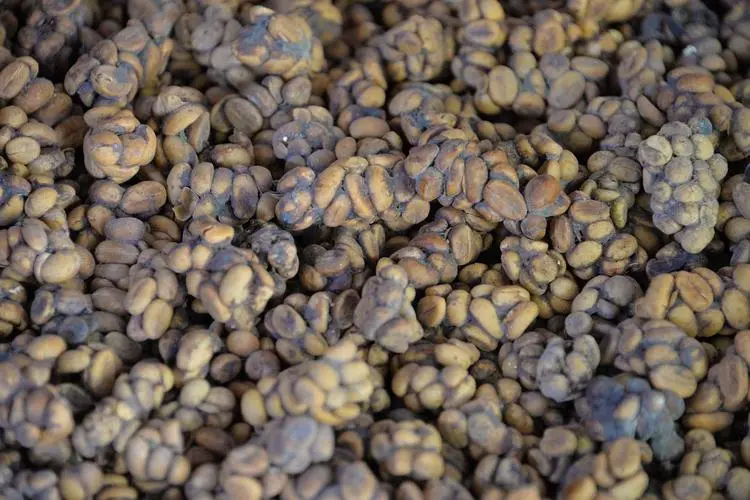
Besides Indonesia, similar products like "bird poop coffee" have appeared in Brazil. Some local birds like to eat coffee cherries, and farmers collect and process the coffee beans from their feces. This coffee is said to have more pronounced nutty notes, stronger sweetness, and a softer mouthfeel. Similar to the Indonesian practice, it also uses the animal digestive system to bring about unique flavor changes, but the two still have obvious differences in flavor expression and ethical issues.
It should be noted that most of the "cat poop coffee" currently circulating on the market does not follow traditional collection methods. Some unscrupulous merchants, in pursuit of profit, keep civets confined in small spaces for long periods and feed them only coffee cherries, causing harm to the animals' health and resulting in unstable quality and a lack of flavor complexity in the coffee beans. This practice not only violates animal welfare but is also considered an important reason why the specialty coffee industry boycotts such products.
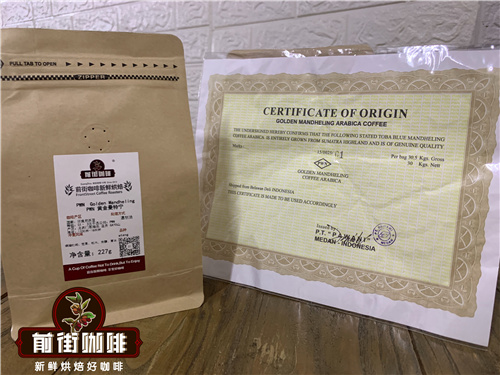
Setting aside ethical controversies and discussing only from a flavor perspective, Indonesian-origin Kopi Luwak is often described as having a thick mouthfeel and a special "earthy" or "herbal medicine" aroma. For consumers accustomed to mild acidity and fresh fruity notes, this rich and slightly gamey coffee may be hard to accept. However, some coffee professionals point out that if one is not sensitive to the "old taste" or gamey astringency common in aged beans, one might instead appreciate its distinctive depth and complexity.
Regarding whether cat poop coffee is "acidic," according to most tasting feedback, its overall acidity is low, with flavors leaning toward heaviness and mellow bitterness, and more prominent herbal and woody notes. Therefore, if you prefer high-acidity, bright coffees like Ethiopia's Yirgacheffe, cat poop coffee may not be an ideal choice. But for coffee enthusiasts seeking a special mouthfeel experience, it still has some value for trying.
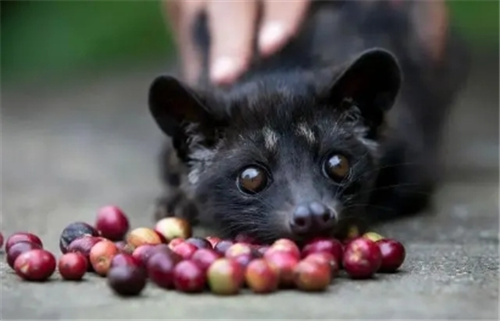
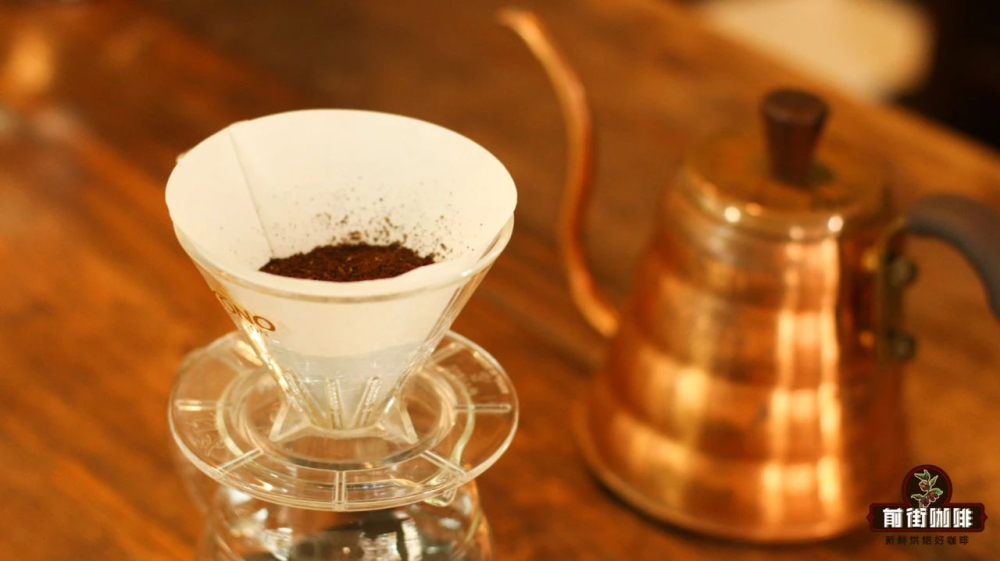
For roasting recommendations, medium-dark roast is a common way to showcase the flavor advantages of cat poop coffee. This roast level helps bring out its herbal, soil, and mellow qualities while suppressing excessive astringency or off-flavors. During brewing, it is recommended to use a coarser water stream with a water temperature of about 88°C to fully extract the flavors without over-extracting bitter compounds. For example, using a KONO dripper can better balance flow rate and extraction uniformity, suitable for the characteristics of medium-dark roasted beans.
In addition, there are "cat poop coffee-like" products from other regions, such as Vietnam's "egg coffee." Although unrelated to Kopi Luwak, its creation also stemmed from a special historical background and resource limitations. In the 1940s, due to the scarcity of fresh milk, Vietnamese baristas tried whipping egg yolks, condensed milk, and sugar into a "cream" and mixing it with strong coffee, creating a unique drink that is rich and sweet and can be enjoyed without milk. This affordable coffee is still popular today, simple to make and low in cost, and represents another distinctive coffee culture.
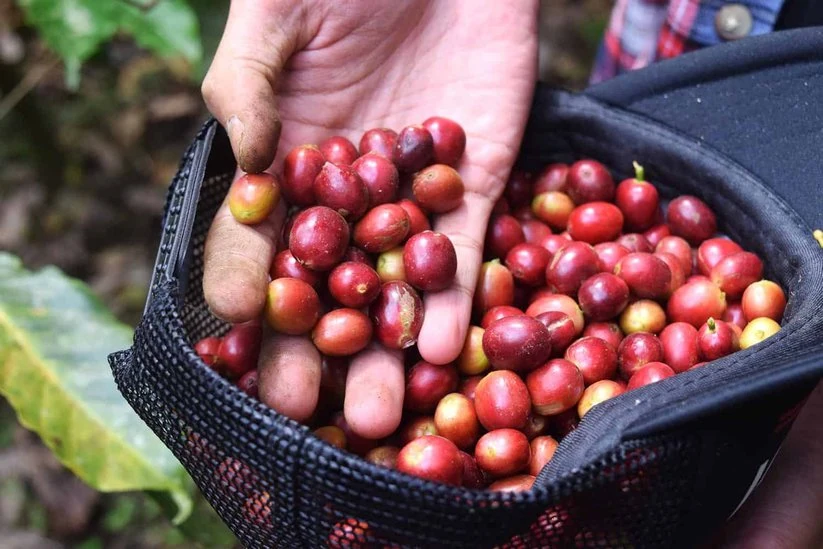
Overall, the appeal of cat poop coffee comes both from its mysterious production process and from its unique and intense sensory experience. However, from the perspective of modern specialty coffee values, its production methods are controversial, and consumers should pay more attention to ethics and sustainability when choosing. If purely out of curiosity or seeking novel flavors, one can try to understand its flavor characteristics and brewing points, but it is still recommended to prioritize coffee products that meet humane and environmental standards.