Uganda Elgon AA Coffee Review: Flavor Profile and Pour-Over Guide
Introduction: Although Uganda has long been regarded as a primarily Robusta-producing region, its Arabica coffee is quietly on the rise. This article takes an in-depth look at the distinctive flavors of Uganda Elgon AA coffee—from bright citrus notes to a mellow, woody finish—and offers professional-grade pour-over parameter recommendations to help you precisely capture the flavor layers of this African coffee with great potential.
When it comes to African specialty coffee, Ethiopia's Yirgacheffe and Kenya's bright acidity are usually the first to come to mind, while Uganda has kept a low profile due to its long-standing focus on Robusta cultivation. But recent data shows that this landlocked East African country has climbed to become the world's tenth-largest coffee producer—its Arabica coffee is emerging with a distinctive terroir. The Elgon region on the shores of Lake Victoria is especially known for producing AA-grade specialty beans that combine floral and fruity aromas with body.
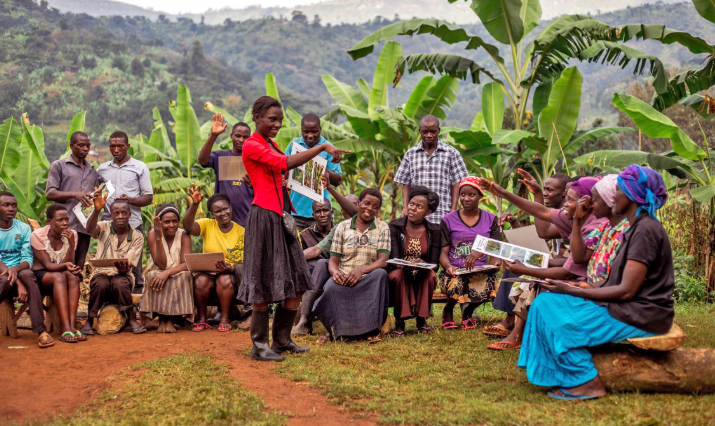
About 500,000 farming households across Uganda are engaged in coffee cultivation, accounting for a quarter of the country's population. Although 94% is disease-resistant Robusta, the Arabica-growing areas in the northern Elgon Mountains, the southwestern Rwenzori Range and the northwestern West Nile region produce full, complex specialty beans thanks to high altitude and volcanic soil. Among them, the Elgon region lies near the Kenyan border, and its microclimate, nourished by volcanic lakes, gives the coffee a distinctive sweetness balance.
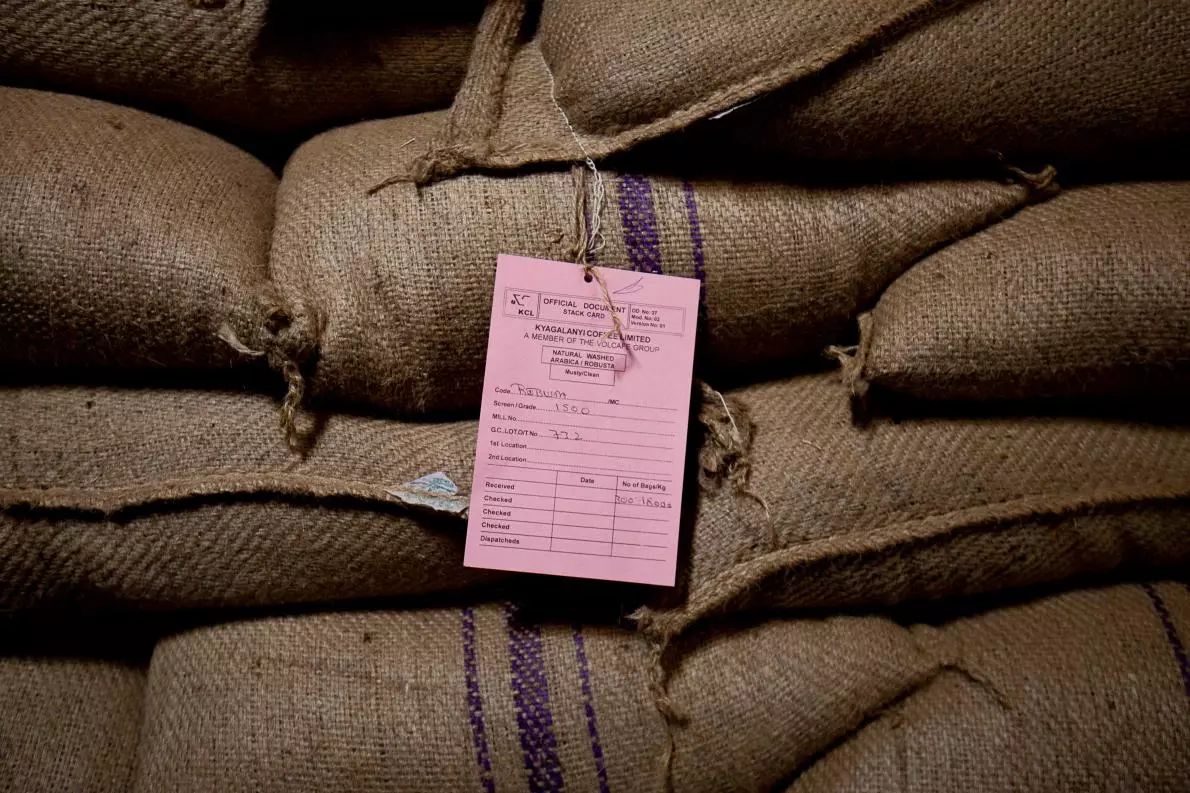
The country's coffee grading follows the Kenyan system: AA grade (17-18 screen) is the highest grade, requiring uniform beans free of defects; AB grade (15-16 screen) makes up the largest share; and the special AA+ designation refers to premium lots whose flavor performance exceeds that of the same grade. It is worth noting that coffee of the same grade may vary significantly in quality due to differences in estate management, and careful sorting and processing directly affect the final flavor presentation.
Mount Elgon is a dormant volcano whose slopes are rich in minerals, and the year-round cloud cover provides ideal conditions for coffee trees to grow. The natural irrigation system formed by the volcanic lakes ensures a steady water supply for the coffee cherries during ripening. The Arabica coffee produced here usually has a pronounced plum acidity, accompanied by a sweet tropical-fruit finish, with a fuller mouthfeel than traditional African beans.
The main varieties grown locally, SL14 and SL28, originate from Kenya's Scott Laboratories. SL14 is highly drought-resistant and has a short time to first harvest, making it suitable for smallholder farmers; SL28 is known for its bronze-green bean shape, and its flavor spectrum covers sharp citrus acidity and the full-bodied richness of dark berries. It is worth noting that both varieties are extremely sensitive to processing methods, and different processing methods will significantly change the final flavor direction.

Ugandan coffee farmers use both washed and natural processing: the washed method removes the mucilage layer through fermentation tanks, producing a clean, bright acidity structure; while natural processing requires drying the whole cherries on raised beds for 25-30 days until the moisture content drops to 11%. The latter retains more sugar conversion products, forming a signature caramel finish and woody spice notes. Professional roasters recommend that naturally processed Elgon beans are better suited to showing their complex fruity fermentation layers.
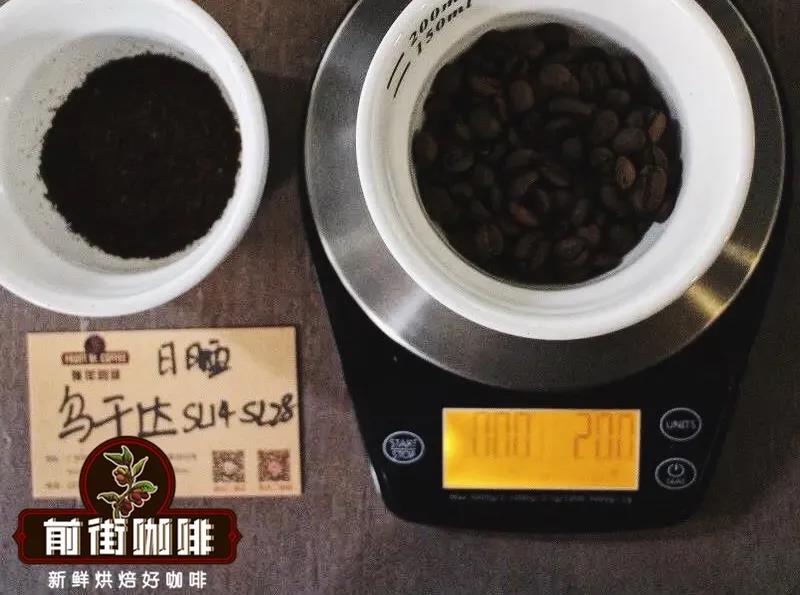
For the manual roasting of Elgon AA natural beans, particular attention should be paid to temperature control during first crack. Typical parameters are: charge temperature 200°C, reduce heat to 130°C at the yellowing point of 168°C, and shorten development time after a clear cracking sound appears (about 198°C). Because such beans accumulate more sugar through natural processing, a medium-light roast is recommended to preserve the balance of sweetness and acidity, avoiding over-development that would make woody flavors prominent.

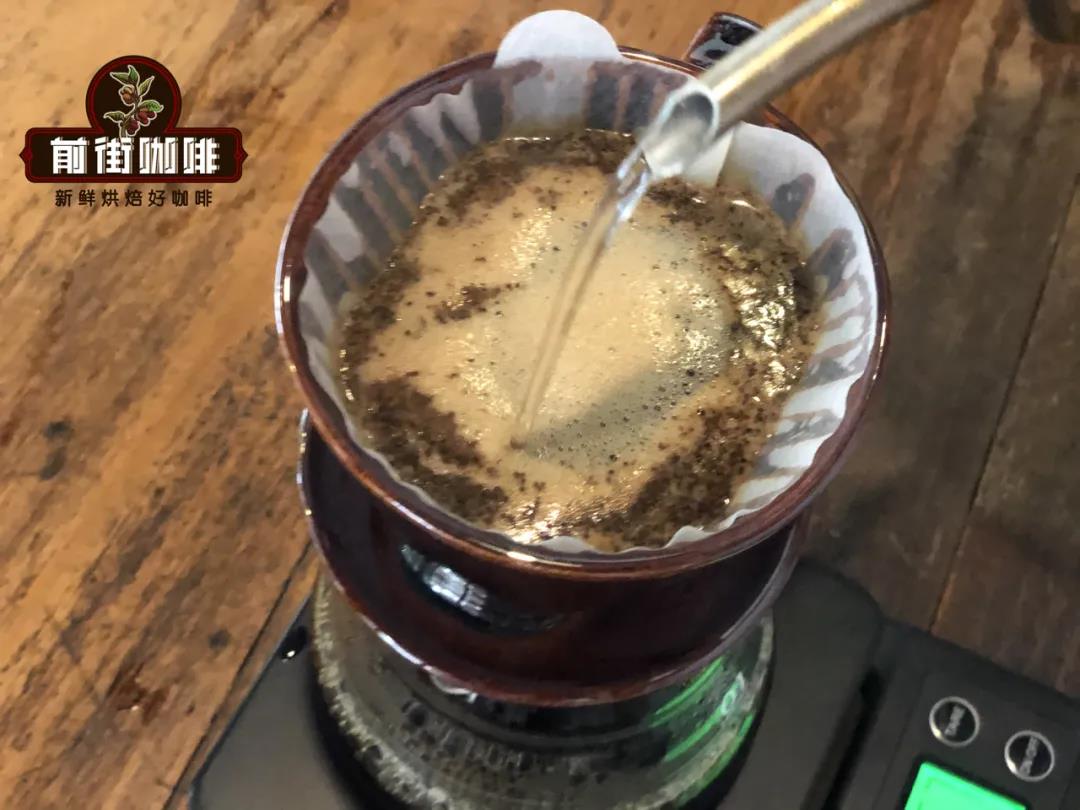
Actual brewing tests show: use 15 g of medium-coarse grind (70% passing a Chinese standard No. 20 sieve), bloom with 30 g of water at 90°C for 30 seconds, then pour in stages to a total of 225 g. The key operation is to slow the circling speed after the second pour to prevent fine particles from settling too early and causing bitterness. In terms of flavor, citrus acidity is released first, followed by a complex aroma of blueberry and cinnamon, with a clear dark chocolate finish and a slight smoky note in the tail.
For enthusiasts new to African beans, it is recommended to first try washed Elgon AB beans—their cleaner acidity structure and moderate body help build a foundational understanding of the region's terroir characteristics. More advanced drinkers can compare the differences between natural and washed versions to gain a deeper appreciation of the decisive role processing plays in shaping coffee flavor.