Ethiopia Yirgacheffe Konga Washed Beans: Pour-Over Guide and Flavor

Introduction: An in-depth analysis of the washed coffee beans from the Konga cooperative in Yirgacheffe, Ethiopia, covering everything from growing altitude and native varieties to the unique processing method, fully decoding the flavor secrets of this classic bean. This article provides a professional pour-over plan covering key parameters such as grind size, water temperature, and pouring rhythm, along with a description of flavor characteristics, to help you precisely master the brewing technique for this high-value, entry-level washed bean.
Among Ethiopia's many specialty coffee regions, Yirgacheffe has become the first choice for beginners exploring single-origin coffee thanks to its signature bright acidity and citrus flavors. Among these, the washed beans produced by the Konga cooperative are widely praised among coffee enthusiasts for their consistent quality and highly layered mouthfeel.

This region is located on the southern highlands of Ethiopia, with an average growing altitude of 1700-2200 meters. It is worth noting that Yirgacheffe originally belonged to the northern part of the Sidamo region, and was later designated as an independent region because of its unique floral and lemon notes. The coffee trees here mostly grow in mineral-rich red soil, and the temperature difference between day and night brought by the high altitude provides ideal conditions for the fruit to accumulate flavor compounds.
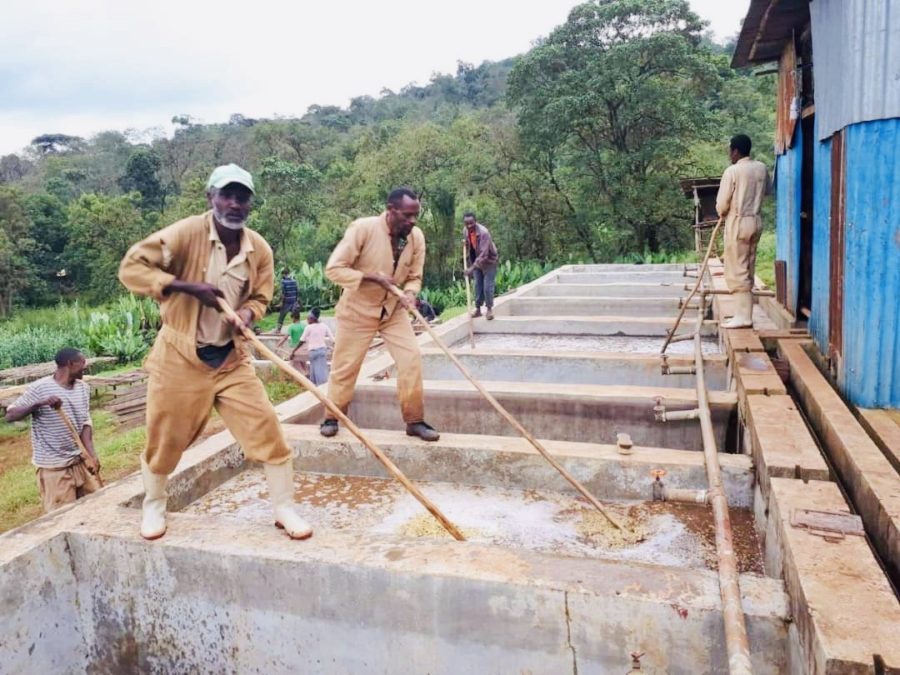
The Konga cooperative is located south of Yirgacheffe town in the Gedeo region, at a consistently stable altitude above 1800 meters. The soil in this area is notably rich in iron; a deep soil layer exceeding 1.5 meters not only ensures nutrient absorption by the roots but also significantly improves fruit development quality by promoting chlorophyll synthesis. The local annual rainfall and the climate characterized by distinct wet and dry seasons, together with the harvest window from October to February of the following year, jointly shape the high-quality characteristics of the coffee beans.
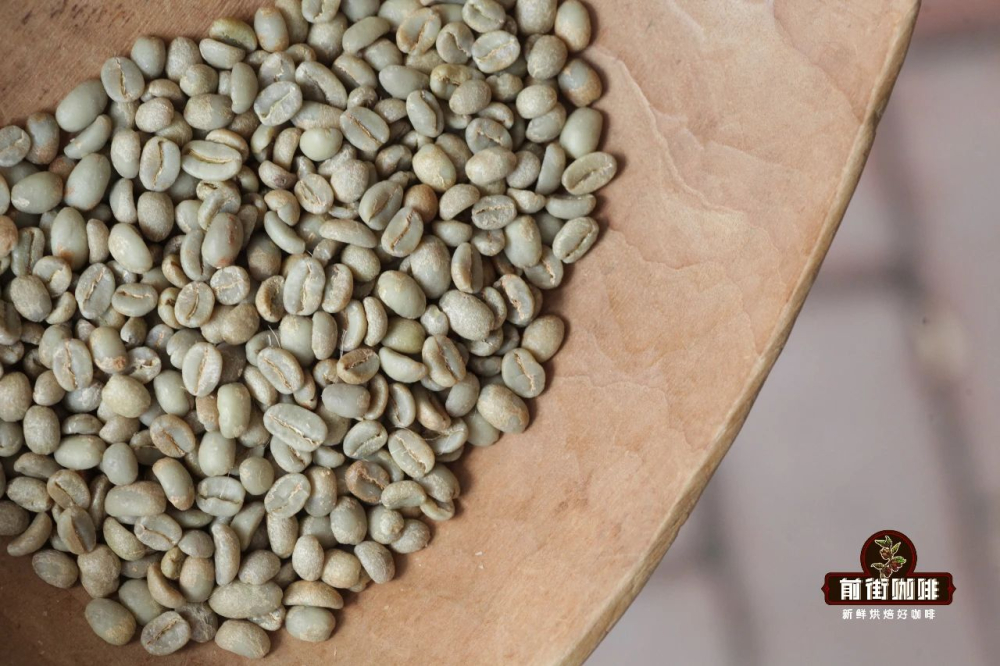
From a variety perspective, these coffee trees are native landraces without artificial intervention. Because of Ethiopia's genetic diversity as the birthplace of Arabica, mixed planting and harvesting are permitted locally, resulting in natural differences in bean shape—and this very characteristic is what creates the complex and varied acidity expression.
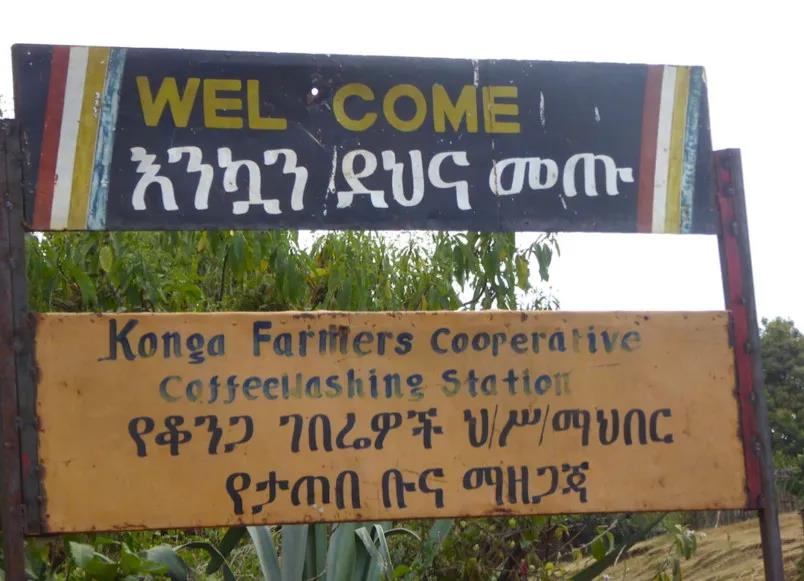
The washed processing method is the core technical highlight of this bean: after picking, the coffee cherries must first be processed through a depulper, and then the beans, still carrying mucilage, undergo a temperature-controlled fermentation of 18-36 hours to break down the pectin. Temperature control at this stage directly affects the final intensity of acidity; the beans are then thoroughly cleaned of residue through water channels, and finally dried strictly to a moisture content of 12% and hulled to remove the parchment. Compared with the natural method, washed processing significantly enhances the clarity and purity of the acidity.
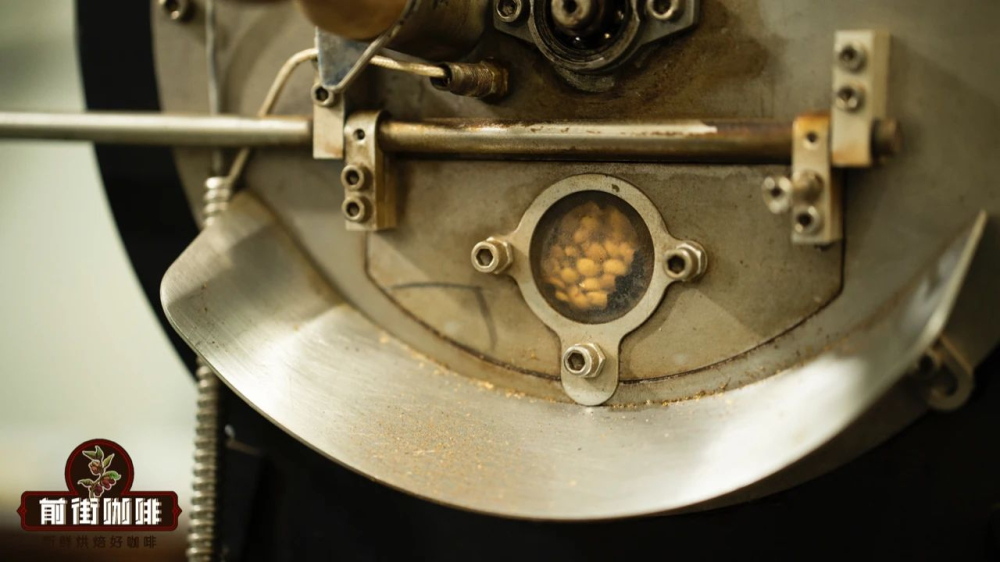
The roasting strategy for this bean needs to balance acidity and aroma with sweetness: the charge temperature is recommended to be set at around 175°C, with the initial stage maintaining a heat setting of 130 and air damper at position 3 so the bean surface heats evenly. When the temperature drops to 140°C, gradually adjust the air damper to position 4; as the bean color turns yellow (about 150°C), closely observe the fading of grassy notes. The wrinkling stage before first crack appears (about 8 minutes 48 seconds) is the key point for developing flavor; at this time adjust the air damper to position 5 and control the development time after first crack to about 50 seconds, finally completing the roast at 189°C to preserve the citrus notes to the greatest extent.
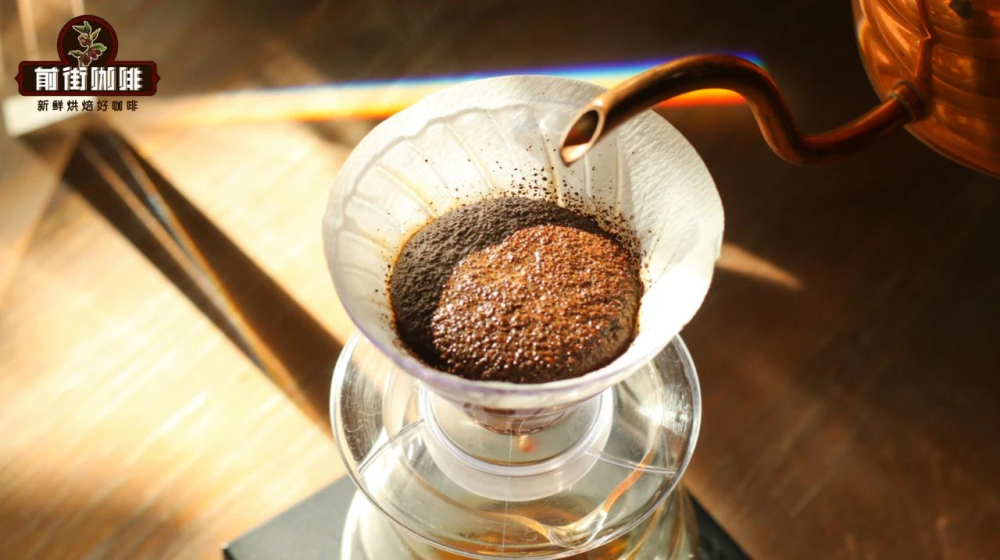
For the actual pour-over, it is recommended to use a V60#01 dripper with a water temperature of 90°C, a 1:15 coffee-to-water ratio (15 grams of coffee to 225 milliliters of water), and a grind size of fine granulated sugar with 80% passing through a #20 sieve. The staged pouring rhythm is as follows: first pour 30 milliliters of water in a circular motion around the center for a 30-second bloom; then at 1 minute pour up to 125 milliliters and wait for the water level to drop to two-thirds of the coffee bed; finally at 1 minute 40 seconds pour the remaining water up to 225 milliliters, with the total extraction time controlled at about 1 minute 59 seconds. This combination of parameters can effectively highlight the bright lemon acidity and sucrose sweetness while avoiding over-extraction caused by high temperature.
In terms of flavor performance, this Konga washed bean shows a distinct three-stage layering: the first sip offers fresh lemon and citrus acidity, the middle transitions into jasmine floral aroma and honey sweetness, and the finish carries a soft oolong tea-like aftertaste with a clean citrus sweetness returning. The overall mouthfeel is refreshing and transparent, with extremely low bitterness, making it very suitable for morning drinking or pairing with light meals. For beginners just getting into pour-over, it is recommended to try this bean first as a benchmark for building flavor awareness.