Panama Green Label Geisha Coffee: Origin, Flavor, Brewing & Growing Story
Introduction: This in-depth analysis of Panama Hacienda La Esmeralda's Green Label Geisha coffee beans covers the growing environment at 1,700 meters in the Boquete region, the unique flavors brought by natural processing, and a practical brewing recipe using 15 grams of coffee at a 1:15 coffee-to-water ratio. From the discovery of the Geisha variety to the logic behind the three major plot divisions, this guide helps you fully grasp the flavor characteristics and brewing key points of this Green Label bean.
Among Hacienda La Esmeralda's Geisha coffee series in Panama, Green Label Geisha has become a daily choice for many coffee enthusiasts thanks to its balanced flavor and accessible positioning. This naturally processed coffee, grown at 1,700 meters in the Boquete region, is centered on the Geisha variety and presents elegant floral notes of rose and honeysuckle, accompanied by fresh fruity aromas of sweet potato and grapefruit, with a gentle sweetness of black tea and cane sugar in the finish.

Hacienda La Esmeralda is located in Boquete, the highest-altitude region in Panama, at the foot of Baru Volcano. Before the estate became famous, the area was named after Baru Mountain, until Swedish-American financier Rudolph Peterson retired and bought the land as a vacation farm in 1964. His son Price Peterson introduced Caturra and Catuai varieties in 1987 and built a wet mill in 1994, laying the foundation for the later rise of Geisha.
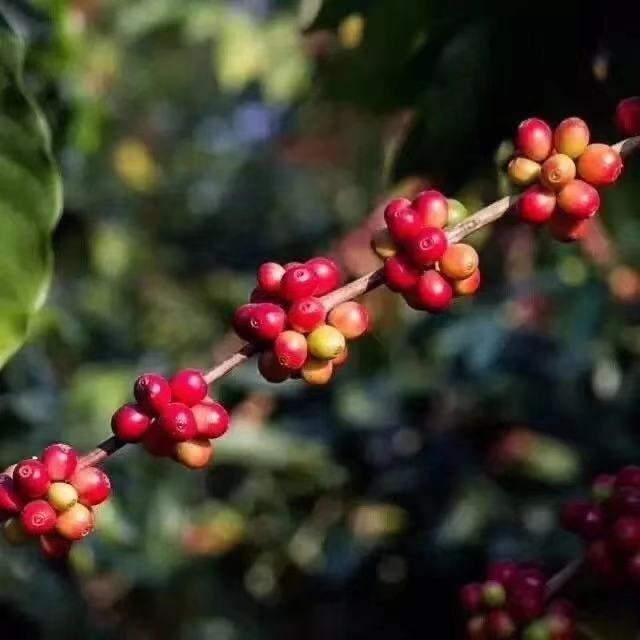
In 1996, the Peterson family purchased the neighboring Jaramillo estate. This highland, at 1,600–1,700 meters, drew attention for producing coffee with a distinctive fruity aroma. Although these coffee trees had once been used as windbreaks, cupping showed their flavor far exceeded that of ordinary varieties. In 2004, the estate's Geisha beans won the BOP competition and were identified as a native Ethiopian variety, thus beginning the legendary path of Geisha.
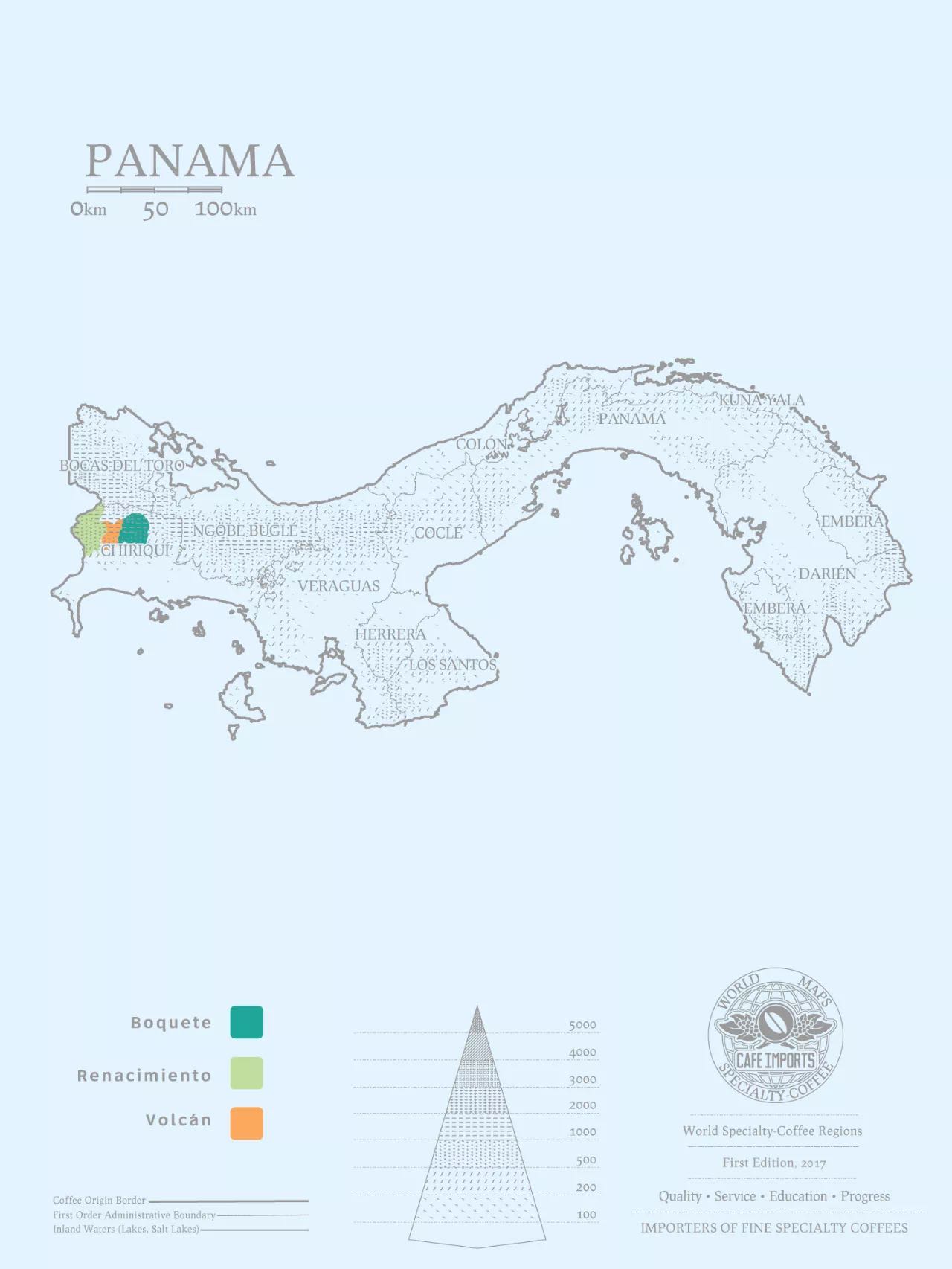
Hacienda La Esmeralda's Geisha cultivation is concentrated in three core plots: Jaramillo (1,600–1,700 meters, annual rainfall 4,000 mm), Canas Verdes (1,600–1,800 meters, annual rainfall 3,500 mm), and the El Velo plot purchased in 2012 (1,700–1,900 meters). Jaramillo is subdivided into five small plots including Mario and Noria; Canas comprises nine areas including Lino and Coronado; and El Velo grows Geisha mixed with Catuai and trials new varieties such as Laurina.
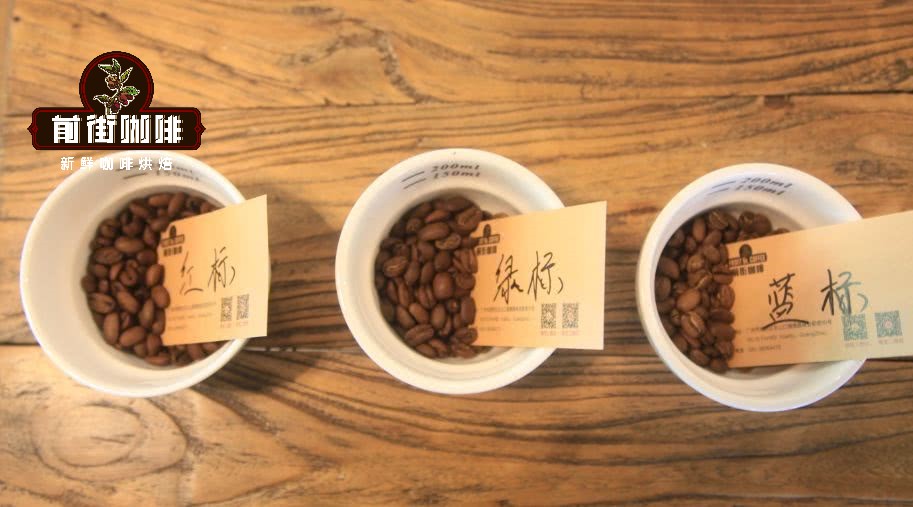
The estate divides its Geisha product line into three iconic grades: Red Label (auction-level Geisha selection), Green Label (private collection micro-lots), and Blue Label (Geisha 1500). Red Label uses only single-plot beans from Jaramillo and Canas at 1,600–1,800 meters and must be sold through a separate auction channel; Green Label is a blend of multiple plots at the same altitude and, although not entered in the auction, retains a similar flavor complexity; Blue Label uses mixed cherries from 1,400–1,500 meters, with a natural-process version added starting in 2020.
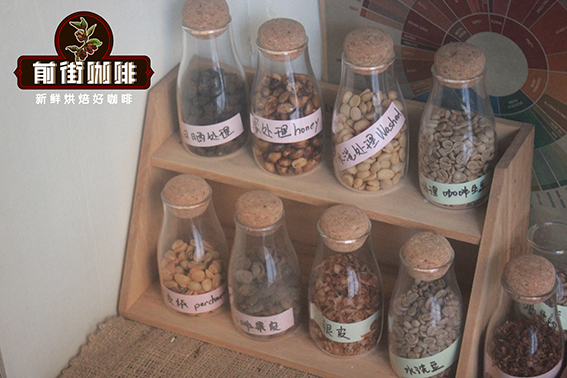
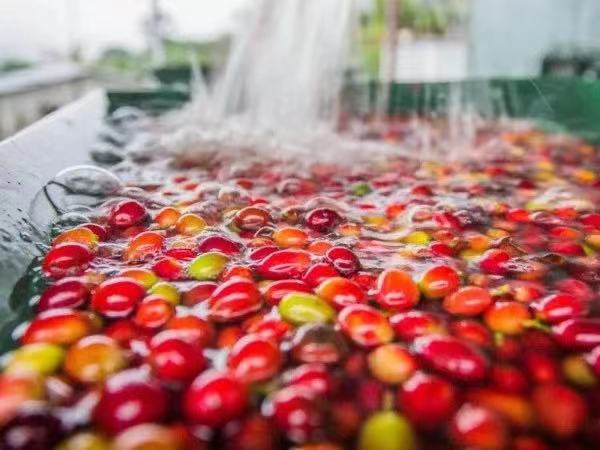
Processing directly affects flavor expression: when Green Label Geisha undergoes natural processing, it requires 27–30 days of natural drying, during which the coffee cherries' moisture content gradually drops to 11%. The specific process includes hand-sorting ripe cherries, spreading them on raised beds, regularly turning them to ensure even drying, and finally removing residual mucilage through hulling and polishing. Compared with the clean acidity of washed processing, the natural version gains enhanced sweetness and body through fermentation; the Green Label natural beans focused on in this analysis fall into this category.

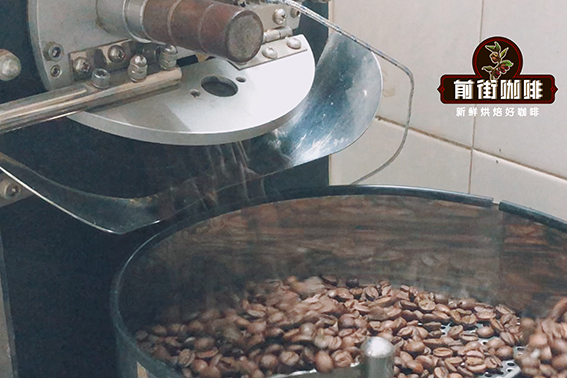
The roasting strategy must match the characteristics of the Geisha variety: a light roast (charged at 160°C, first crack development for 1 minute 20 seconds, dropped at 192.5°C) can highlight its signature jasmine aroma and citrus notes. The roaster needs to control the dehydration pace around the yellowing point (about 153.3°C) to avoid over-development that dissipates floral and fruity aromas. It is worth noting that naturally processed Green Label beans, due to their higher sugar content, require a longer Maillard reaction time during roasting to balance sweetness.

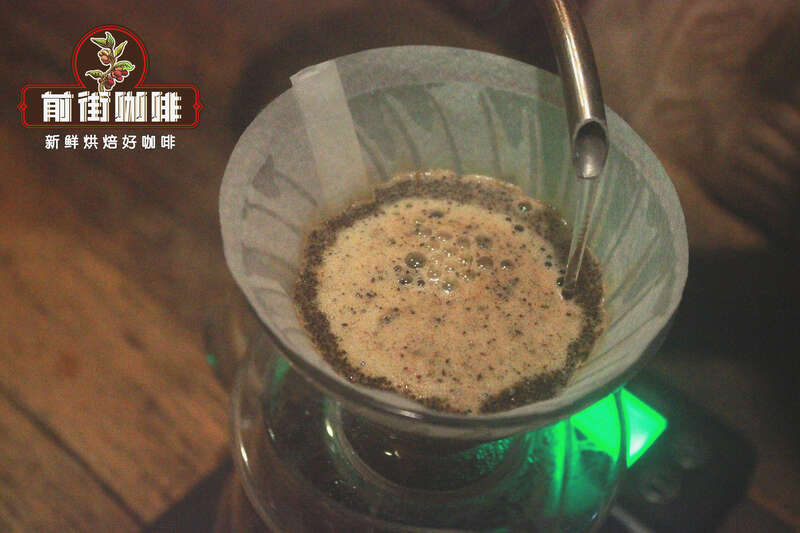
For brewing parameters, a Hario V60 dripper is recommended, with 90°C water, 15 grams of coffee, and a 1:15 coffee-to-water ratio. Use a medium-fine grind (80% passing a Chinese standard No. 20 sieve) with a three-pour method: first pour 30 grams of water and bloom for 30 seconds to activate the aromas, then pour in a small stream in circles to 125 grams, and when the water level drops to the coffee bed, continue pouring to 225 grams to complete extraction (total time 2 minutes). These parameters can effectively extract the sugars from naturally processed beans, strengthening the honey-like finish.
The flavor description should be adjusted according to the brewing method: naturally processed Green Label Geisha typically presents a layered symphony of flowers and fruit, with fresh jasmine and honeysuckle dominating the initial stage, bright grapefruit-juice-like acidity and berry sweetness emerging in the middle, and transitioning to the richness of sweet potato puree and the gentle astringency of black tea in the later stage. The finish continuously releases complex aromas of citrus peel and cantaloupe, with a cane-sugar-like sweetness running throughout. Compared with the sharp personality of Red Label, the Green Label version has a rounder flavor transition.
When purchasing, note the differences among the three labels: Red Label, due to its auction nature, is the most expensive and has the sharpest flavor, suitable for enthusiasts seeking the ultimate experience; Green Label's blending strategy brings more stable quality, and its 1,700-meter altitude gives it greater complexity than Blue Label, with a significant value advantage; Blue Label, although extended to the 1,400-meter growing belt, is limited by altitude and thus slightly less refined in flavor. Consumers can choose flexibly according to budget and drinking occasion.

For storage, it is recommended to place unopened Geisha beans in a light-proof, sealed container with ambient humidity kept below 50%. Ground coffee should be used within 15 minutes to preserve volatile aromatic compounds. For naturally processed Green Label beans, appropriately extending the resting period (5–7 days recommended) allows sweetness and acidity to reach a better balance.
The growing history of this Green Label Geisha confirms the key role of altitude and terroir: the volcanic soil of Boquete is rich in minerals, and the diurnal temperature difference (daily average 19–25°C / nighttime 11–15°C) promotes the accumulation of flavor compounds. Through plot subdivision and independent processing, the Peterson family has fused traditional agricultural wisdom with modern specialty coffee concepts, ultimately creating this naturally processed Geisha that combines historical depth with drinking value.
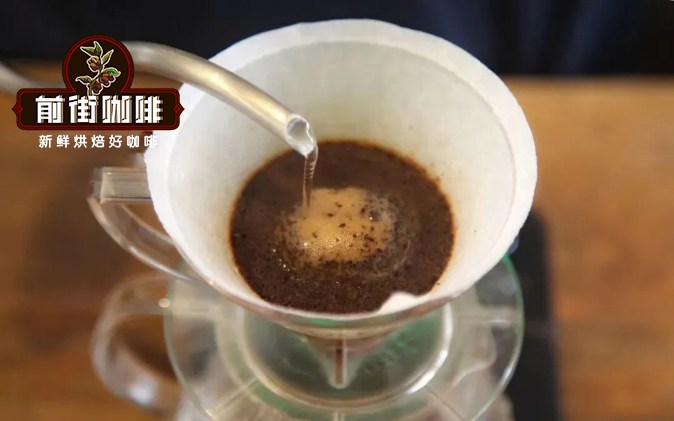
Brewing practical tips: if you prefer brighter fruit acidity, you can raise the water temperature to 92°C and use a finer grind (85% sieve passage rate); for a fuller body, lower the water temperature to 88°C and use a coarse-sugar-sized grind. Whatever the parameters, keeping the pouring stream steady and the coffee bed level are the core elements for even extraction.