Panama Geisha Coffee Bean Grading Guide: Esmeralda Red and Green Label Differences and Pour-Over Parameters
Introduction: Why can Geisha coffee beans become one of the most expensive coffees in the world? This article provides an in-depth analysis of the grading system of Panama Esmeralda Geisha, compares the core differences between Red Label and Green Label in terms of origin altitude, processing methods, and flavor characteristics, and offers a professional pour-over recipe. It also includes the 2022 auction lot price record and flavor wheel analysis to help you accurately choose the Geisha experience that suits you.
Geisha coffee beans can be considered the top star of the coffee world, second only to Jamaican Blue Mountain.This rare variety, originally from the Kaffa forests of Ethiopia, became famous after being transplanted to Panama in 1931 and displaying astonishing flavors. Hacienda Esmeralda, as an important promoter of Geisha commercialization, saw its value multiply after winning the 2004 auction.

Panama's volcanic terrain provides an ideal growing environment for Geisha.The fertile volcanic soil and regular rainfall in the Boquete production area, combined with high altitudes above 1,400 meters, create Geisha's signature floral aroma and fruity acidity. It is worth noting that Boquete, where Hacienda Esmeralda is located, and the neighboring Volcán production area can produce Geisha lots with very different flavors due to microclimate differences.

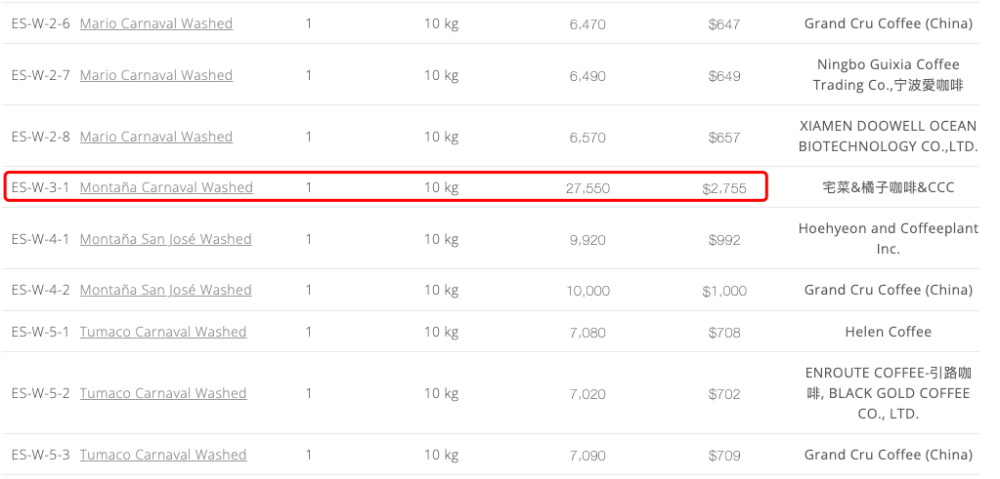
Hacienda Esmeralda's Geisha grading system has undergone multiple adjustments. Before 2022, it used a Red/Green/Blue Label system, now upgraded to Auction, Red Label, and Green Label.Auction lots (Esmeralda Auction) must be obtained through global auctions; the 2022 ES-W-3-1 lot set a record of $2,755 per kilogram. Red Label is positioned as high-end, grown at altitudes of 1,600-1,800 meters, with a cupping score exceeding 90 points, representing the estate's top quality.

The processing of Red Label Geisha is particularly meticulous.Only high-altitude plants from the Jaramillo and Cañas Verdes production areas are selected, using washed or natural processing. Its flavor profile includes bright notes of rose and citrus, accompanied by complex layers of genmaicha and berries, with significantly higher body than ordinary lots.

Although Green Label Geisha does not participate in auctions, its quality is still outstanding.Coffee beans mixed from multiple plots, with an altitude range overlapping with Red Label, create similar acidity. Naturally processed Green Label often presents a sweet balance of passion fruit and floral tea, while the washed version highlights jasmine tea notes.

Consumers are often confused about choosing between Red and Green Label.Red Label can be traced to specific small plots, offering stronger flavor uniqueness; Green Label achieves stable output by blending different plots, with an obvious cost-effectiveness advantage. Both are grown at altitudes above 1,600 meters, but Red Label's plot selection standards are more stringent.

Professional brewing suggestions: Use a water temperature of 91°C with a fine grind (about fine granulated sugar size) that passes 80% through a Chinese standard No. 20 sieve.A 1:15 coffee-to-water ratio and a total extraction time of 2 minutes can balance Geisha's bright acidity and full body. For staged extraction, a 30-gram bloom for 30 seconds fully releases carbon dioxide, then pour with a small stream until the water reaches 225 grams and stop extraction.
The flavor wheel shows:Red Label is centered on rose and citrus, extending into the sweetness of apricot and honey; Green Label has jasmine and citrus as its main axis, accompanied by fresh elements such as cantaloupe and orange peel. Both maintain Geisha's signature high sweetness and clear layers.

Common market misconceptions include excessive pursuit of auction lots.Although Hacienda Esmeralda's 2022 auction price set a record, regular Red Label can already present the essence of Geisha. For enthusiasts with limited budgets, blended beans such as Panama Butterfly are also an affordable way to experience Geisha flavors.

Storage suggestions: Freshly roasted Geisha beans need a resting period of 4-7 days after roasting before drinking.Storing whole beans can slow oxidation; if purchasing ground coffee, it is recommended to grind just before use. For brewing equipment, a V60 dripper can effectively highlight Geisha's clean flavor characteristics.

Additional notes: Besides Hacienda Esmeralda, Panama Deborah Estate and others also produce high-quality Geisha.Quality production areas worldwide above 1,500 meters all have the potential to cultivate excellent Geisha, but Panama's microclimate remains the gold standard for this variety's flavor expression.

Technical parameter notes:Light-roasted Geisha beans have a lower extraction yield, requiring higher water temperatures (90-93°C) to compensate for extraction efficiency. Overly fine grinding can easily cause channeling; it is recommended to adjust the grind setting by observing the flow rate.

Flavor persistence tests show that Geisha's citrus and floral components decay noticeably within 6 hours after extraction.It is recommended to drink within 15 minutes after brewing for the best sensory experience. The freshness period varies by processing method; natural lots typically maintain an active flavor period 2-3 days longer than washed lots.

Extended options: When the budget is limited, consider blended beans containing more than 30% Geisha.Blends such as Costa Rica Mirazu and Colombia Hanami can provide aroma complexity close to single-origin Geisha at a price of around one thousand yuan, making them an economical choice for daily tasting.