Where Does Coffee Sweetness Come From? Pour-Over Tips and Sweet Bean Picks
Introduction: Many people wonder why unsweetened coffee can taste sweet; in fact, this sweetness comes from a combined sensory experience. This article reveals how the trace sugars in coffee are transformed, explains how acidity, bitterness and aroma work together to create the impression of sweetness, and offers a plan for optimizing brewing parameters. Finally, it recommends several coffees that readily display sweet characteristics, helping you taste coffee's natural sweetness more clearly.
When you first heard someone describe black coffee as "sweet," did you feel puzzled too? There's no sugar in it, so where does this sweetness come from? Unlike the direct sweet stimulation of everyday candy, coffee's sweetness is more like a sensory concerto—it requires the combined participation of taste contrast, aroma guidance and mouthfeel.

Green coffee beans themselves contain about 50% carbohydrate substances, but the sucrose-type compounds that actually contribute sweetness account for only about 8% of green bean weight (mainly from Arabica). These sweet components undergo dramatic changes during roasting: as temperature rises, sucrose gradually breaks down and converts into non-sweet substances such as caramel, and the conversion is more complete in dark roasts. In the end, extremely little sugar remains, making acidity and bitterness the leading flavors.

The coffee sweetness we perceive is actually the result of multiple mechanisms stacking together. At the taste level, appropriate acidity and bitterness can create a contrast effect—for example, bright fruit acidity can heighten the mouth's sensitivity to sweetness, while the sweet aftertaste produced when a high-quality bitterness finishes is often mistaken for added sweetener. The olfactory system is equally key: when coffee vapors carrying aromatic compounds such as furaneol and maltol pass through the retronasal passage, the brain automatically associates them with sweet memories such as honey and caramel, and this association strengthens the overall perception of sweetness.

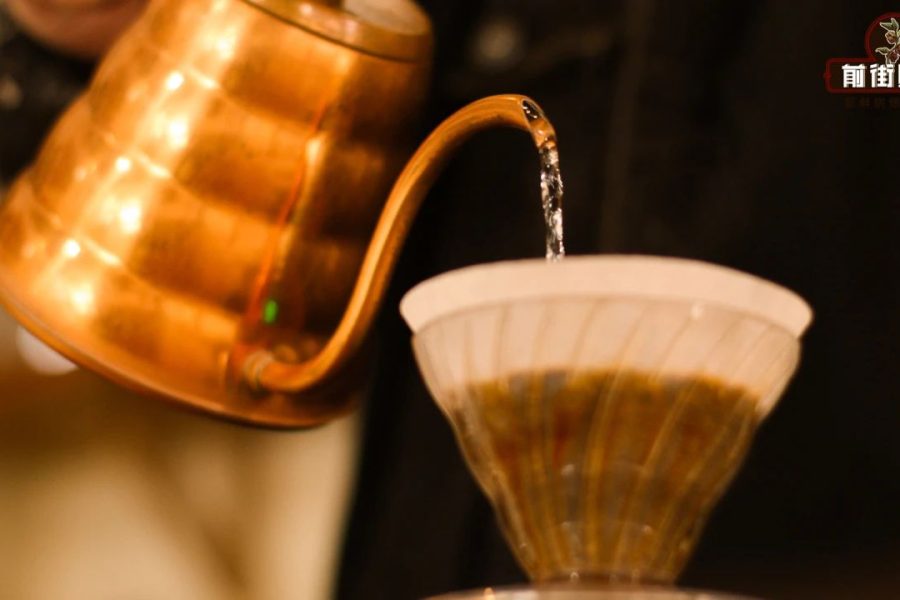
To increase the perceptibility of coffee's sweetness, a three-step approach is recommended: first, choose properly processed medium-light roast beans, which usually retain more intermediate products of sugar conversion; second, adjust the extraction plan, keeping the water temperature in the 90-93°C range and using a coffee-to-water ratio of 1:15-1:16, and when pouring, make sure to cover the coffee bed evenly to avoid local over-extraction; finally, at the tasting stage, after slurping, keep the coffee in your mouth for 3-5 seconds and exhale with your mouth closed so the aroma fully contacts the palate, which helps strengthen the synergistic effect of sweet aroma and taste.

A special reminder for beginners about two common pitfalls: excessively pursuing high-temperature extraction will cause bitterness to mask sweetness, while pouring too quickly tends to extract too much tannic acid and upset the balance. Observing the amber-colored crema that forms when water meets the coffee grounds (appearing within about 20-30 seconds) can serve as a reference indicator of moderate extraction.

If you want to experience obvious natural sweetness, give priority to coffees with the following characteristics: naturally processed Ethiopian beans often carry a dried-blueberry sweetness, washed Geisha from Colombia's Finca Emerald shows citrus and honey notes, and Brazilian Yellow Bourbon varieties generally have a nutty-chocolate finish. Because of differences in origin microclimate and processing methods, these varieties each have advantages in retaining sugars and synthesizing aromatic compounds.

Professional roasters suggest that home brewers pursuing sweetness can adjust the grind to medium-fine (about 75% passing through a Chinese standard No. 20 sieve) and use a three-pour method: the first pour adds 30% of the total water for a 30-second bloom; the second pour circles until 100 ml, then pause; after the liquid level drops 1 cm, continue pouring to the target volume. This technique can effectively slow the release of tannins and highlight the dissolution rhythm of sweet substances.

Remember, coffee sweetness is essentially the art of flavor balance. When acidity is bright but not sharp, and bitterness is soft with a clean finish, the mouth naturally conjures sweet associations like caramel pudding or fresh apricot. This experience requires no added sugar—only the correct extraction logic and perception methods.