Yirgacheffe Coffee Bean Flavor Guide and Processing Methods

Introduction: Explore in depth three classic coffee beans from Ethiopia's Yirgacheffe region—from Aricha to Royal Selection to the Kochere area—with detailed explanations of each bean's unique processing methods, flavor characteristics and brewing suggestions. By comparing the differences between washed and natural methods, this guide helps you master the essence of G1-grade Yirgacheffe, whether you are a beginner or a seasoned enthusiast, you can find the flavor code.
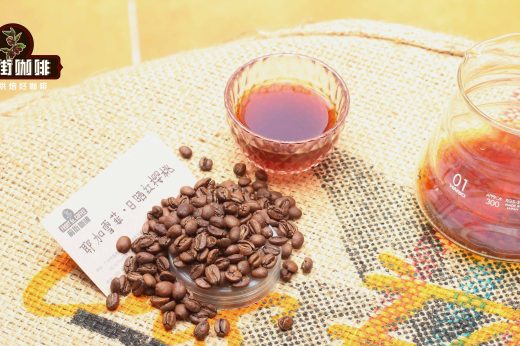
The coffee beans from the small town of Aricha in Yirgacheffe are sourced from fully ripe coffee cherries in the primitive forest. The local processing station uses the raised-bed natural method, placing coffee cherries with the fruit pulp on drying racks off the ground to avoid moisture and earthy off-flavors from the ground. After more than 14 days of precisely temperature-controlled drying, the coffee cherries gradually turn dark brown, and strict turning ensures even drying. After hulling, unripe beans and over-fermented beans are manually sorted out; this rigorous process keeps it firmly at the top of the G1 grade.
This batch of green beans bursts with distinct snow pear sweetness and elegant wine notes; on the palate it presents clear citrus acidity, accompanied by honey-like pure fermented fruit sweetness. In the middle, delicate floral notes and light wine aromas emerge, and the finish transitions from fresh sweetness to lasting sweet moisture; the overall cleanliness and layering are regarded as the benchmark for washed Yirgacheffe.
The Royal Selection coffee from the Gedeb administrative area, meanwhile, gathers the wisdom of more than 600 smallholder farmers, with members of the Worka cooperative contributing particularly prominently. Also processed by the raised-bed natural method, this Skal organic-certified G1-grade bean shows a completely different wild charm. High altitude and native varieties give it a full juicy body, and intense sunlight brings out explosive fruity aromas of melon, strawberry and blueberry.
The moment you grind it, you can catch a bold tropical fruit storm, with a robust Earl Grey tea-like base and a silky texture. Within a balanced sweet-acid structure, the finish continuously releases varied berry sweetness, perfectly interpreting the unique advantages of biodiversity in the Yirgacheffe region. It is worth noting that such natural beans need an extended resting period to fully develop their complexity.
Processing grade system: Yirgacheffe coffee beans are divided into two major camps by process. The washed group follows SCAA standards and is divided into G1/G2 (the smaller the number, the higher the grade); classic G1 presents the signature lemon-citrus tone and jasmine aroma. The natural group includes G1/G3/G4/G5; top natural G1 subversively releases rich fruity aromas like passion fruit, and is a model of “coffee as fruit.” The so-called “Yirgacheffe flavor” specifically refers to its signature golden triangle combination of jasmine freshness, citrus acidity and stone-fruit sweetness.
Coffee trees in the region are mostly intercropped with bananas, cardamom and other crops in farmers' yards; small-scale cultivation safeguards the expression of a unique terroir. For brewing, use a water temperature of 85-90°C and adjust the coffee-to-water ratio flexibly between 1:12 and 1:18. AeroPress users should note: with fine grounds and high temperature, shorten the extraction time to within 1.5 minutes; with coarse grounds, it can be extended to 2 minutes, to avoid over-extraction and bitterness.
Medium-light roasting is key to preserving Yirgacheffe's floral and fruity character; over-roasting will mask its delicate flavors. The native Heirloom variety from Adulina's Kochere area, after fully washed processing, shows textbook-level cleanliness. Compared with regular G2 washed beans, this batch's bright lemon acidity is even more transparent, layered with ginger flower honey sweetness to form a unique fresh-style flavor profile, as bright and lovely as a girl's smile.
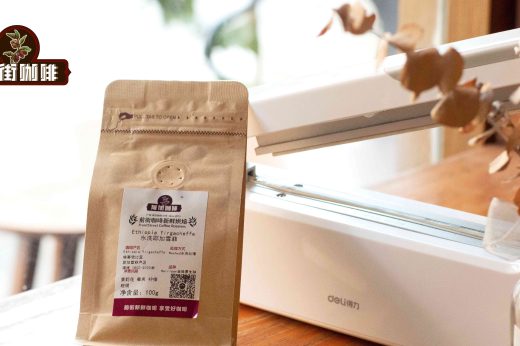
Professional tip: Yirgacheffe is extremely sensitive to freshness; it is recommended to drink within 7-21 days after roasting. For storage, use an aluminum foil bag with a one-way exhaust valve and keep it away from light at 15-20°C. First-time tasters can start with G2 grade to adapt to the acidity, then gradually advance to G1 natural to experience the complete flavor spectrum.