Colombia Huila Coffee Flavor Profile and Drip Bag Brewing Guide
Introduction: An in-depth look at the characteristics of specialty coffee beans from Colombia's Huila region, from the geographic environment to the washed processing method, with a full analysis of what gives them their nutty, chocolatey flavor and full-bodied mouthfeel. This article also explains the correct way to brew drip bag coffee, water temperature control, and the misconception of reusing a bag, helping coffee lovers fully experience the layered charm of this medium-dark roasted bean.
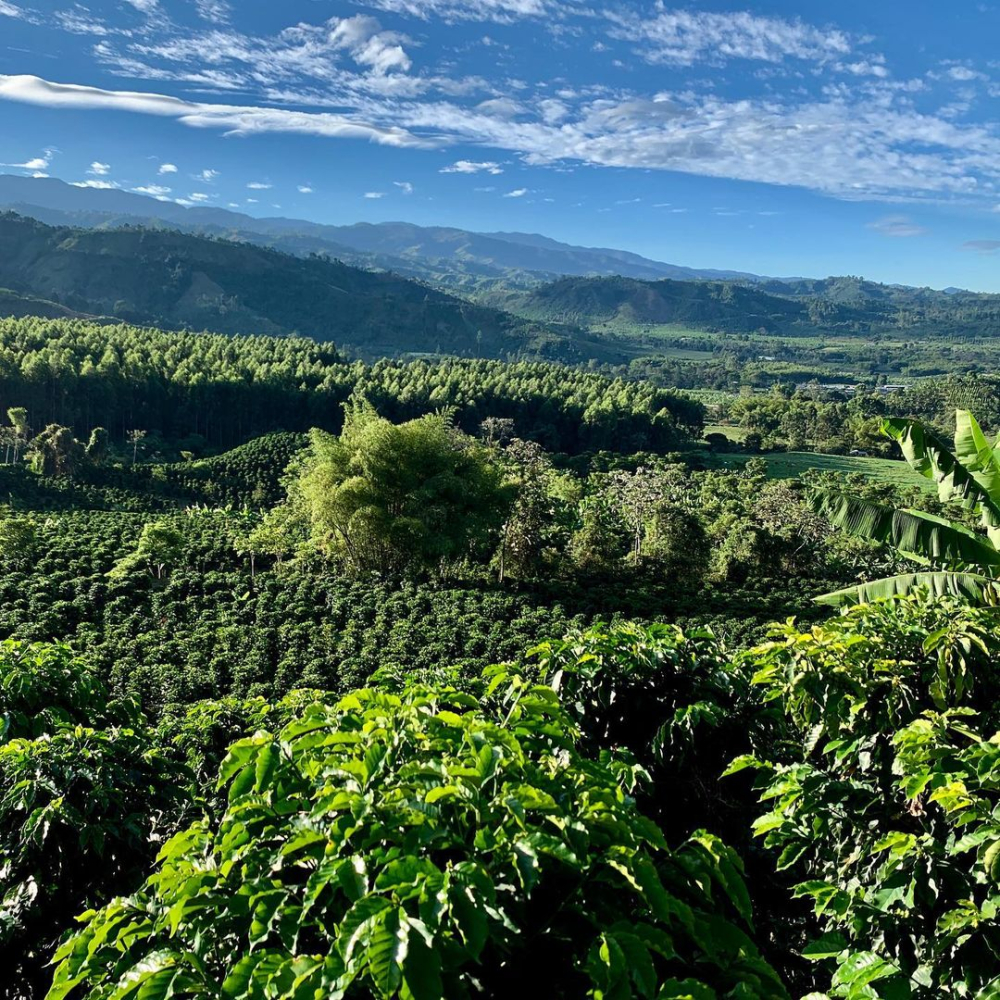
Among Colombia's many coffee regions, Huila, with its exceptional natural conditions, has become an important representative of specialty coffee. The region lies in southwestern Colombia, surrounded by mountains, with elevations generally above 1,500 meters, and several major rivers converge within its borders, bringing abundant moisture. It is not only a certified select high-altitude coffee region of Colombia's national coffee institution, but also received official protected designation of origin status in 2013.
In terms of climate, the southern part of Colombia's eastern plains and the Pacific coast have a lower-lying tropical rainforest climate, while the northwest has a tropical savanna climate, with overall average annual temperatures maintained between 15.8 and 20.5 degrees Celsius. The average temperature in coffee-growing areas is more stable, usually in the 18°C to 22.5°C range, and combined with annual rainfall of 1,000 to 2,500 millimeters, this forms several distinctly different microclimate zones, giving coffee from different regions its own unique flavor.
As the world's largest producer of washed Arabica coffee, Colombia is also the only country with legislation stipulating that only Arabica varieties may be planted. Government policy support has allowed this country, once known for drugs, to successfully transform into a world-class coffee exporter. Among these, the southern regions, because of their higher elevations, are generally planted in volcanic soil areas above 1,500 meters, nurturing several well-known specialty coffee regions including Huila; coffee from these regions typically has bright berry acidity and rich sweetness.
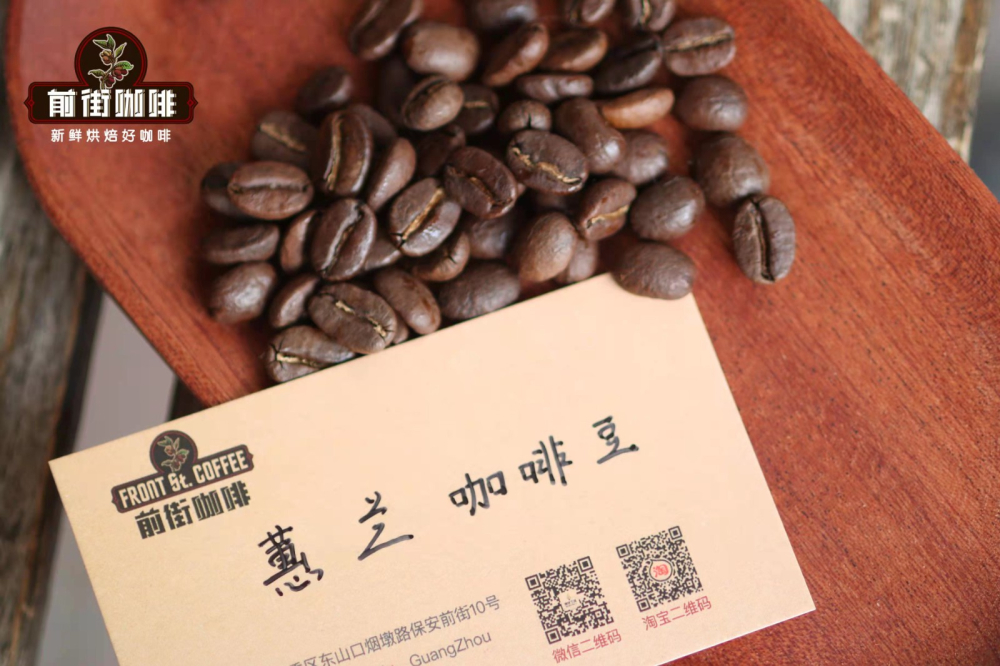
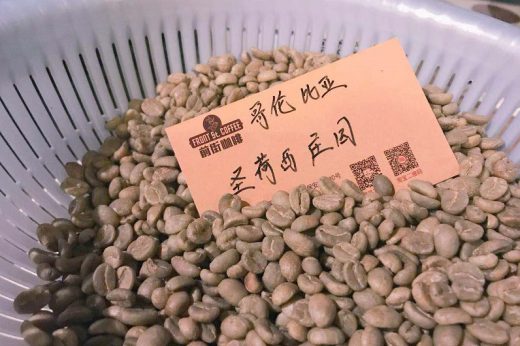
Coffee from the Huila region is known for its strong flavor and heavy body, commonly featuring nut, chocolate and caramel aromas while maintaining a well-balanced acidity. According to data from the Colombian Coffee Growers Federation (FNC), the region contributes about 18% of the country's total coffee production, and its high-quality coffees have won awards multiple times in international competitions such as the Cup of Excellence, earning widespread recommendations from roasters and coffee professionals.
The Caturra and Catuai varieties mainly grown locally are both high-quality Arabica variants widely planted in Central and South America. Caturra, a natural mutation of the Bourbon variety, not only inherits good flavor performance but also offers practical advantages such as not requiring shade, a short plant that is easy to pick, and high yield. Although this variety was first discovered and cultivated in Brazil, it was ultimately promoted and optimized on a large scale in Colombia.
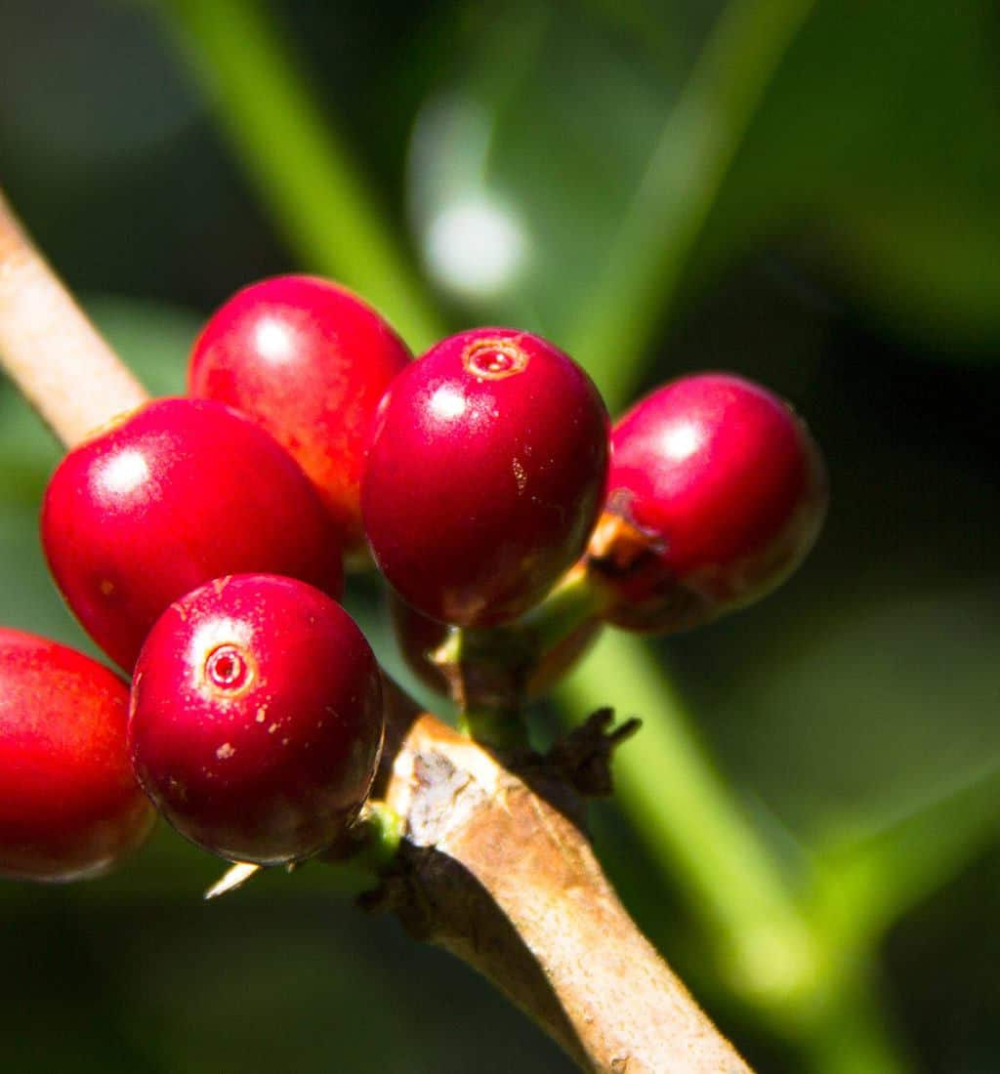
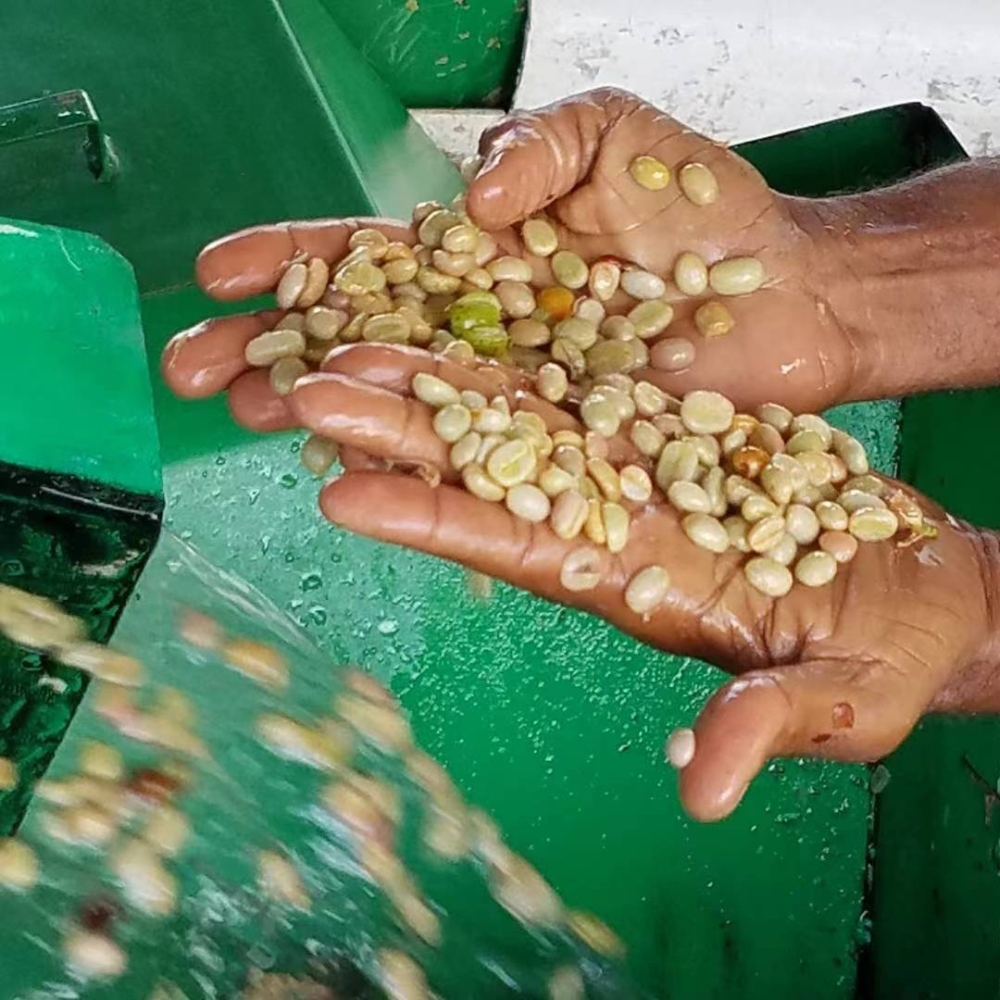
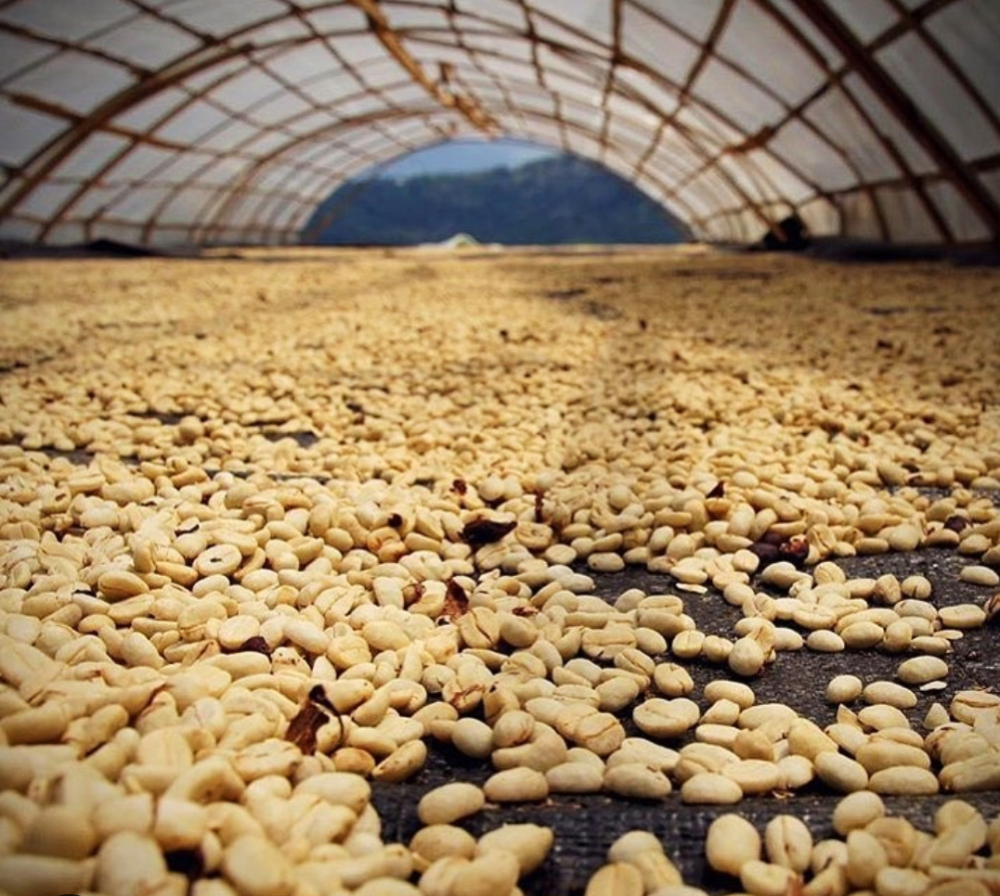
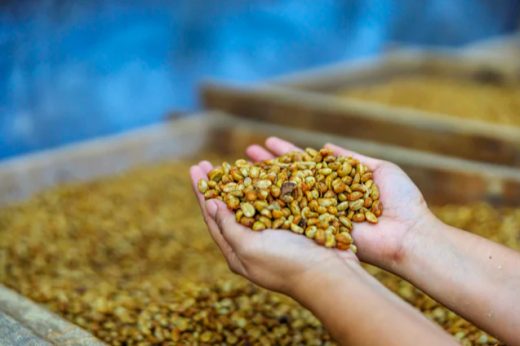
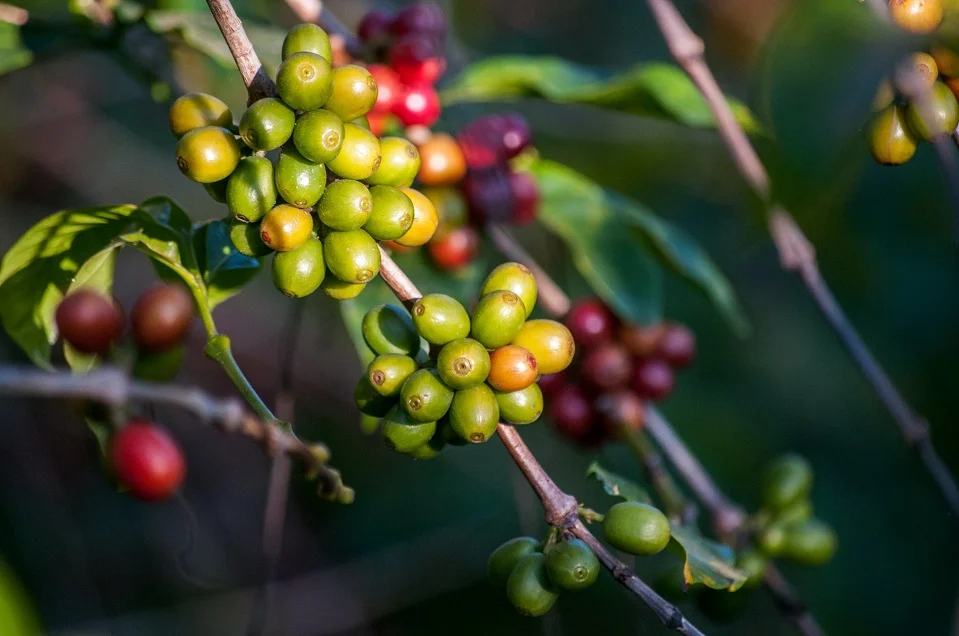
Colombian coffee's washed processing method is also worth noting. Thanks to the region's abundant water resources, most farms use the traditional washed method to process coffee beans. The specific process includes: first, soaking the harvested coffee cherries in water and using flotation to remove unripe or defective beans; then using a depulper to strip off the skin and pulp; next, a fermentation process lasting up to 18 hours to thoroughly remove the mucilage layer; and finally, multiple rinses with clean water and natural or mechanical drying to reduce the beans' moisture content to about 11%, ensuring quality stability for long-term storage.
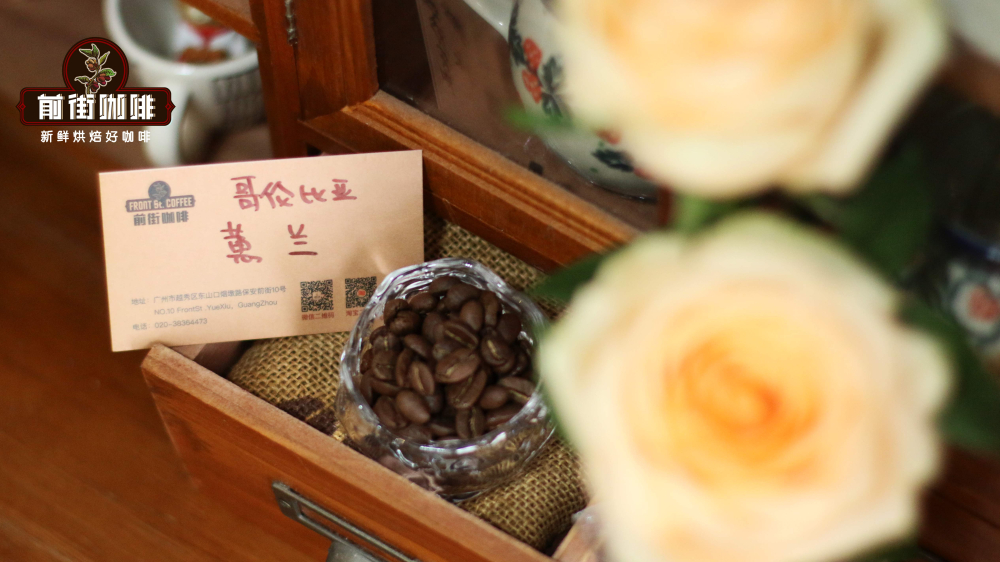
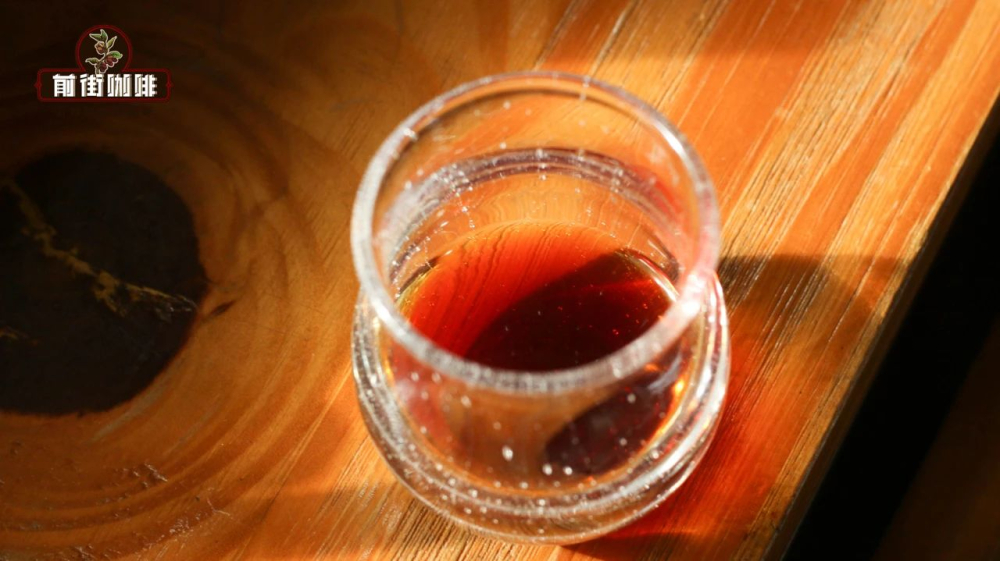
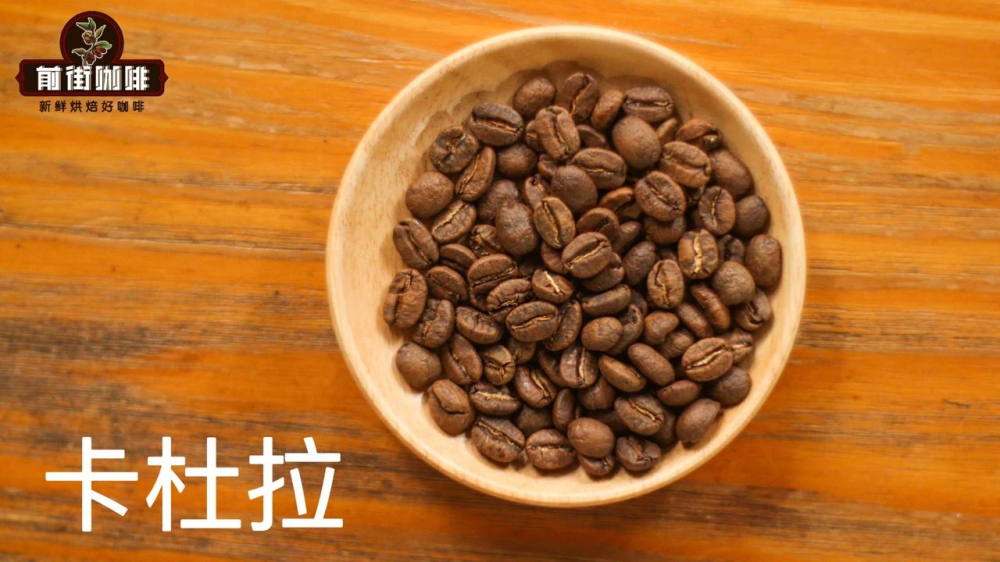
For coffee beans from the Huila region, a medium-dark roast can fully bring out their rich nutty and caramel flavors. Once brewed, the coffee first presents a deep nutty aroma on the palate, accompanied by a moderate body and caramel sweetness; as it cools, subtle layers of fruity acidity gradually emerge, making the overall flavor balanced and richly layered.
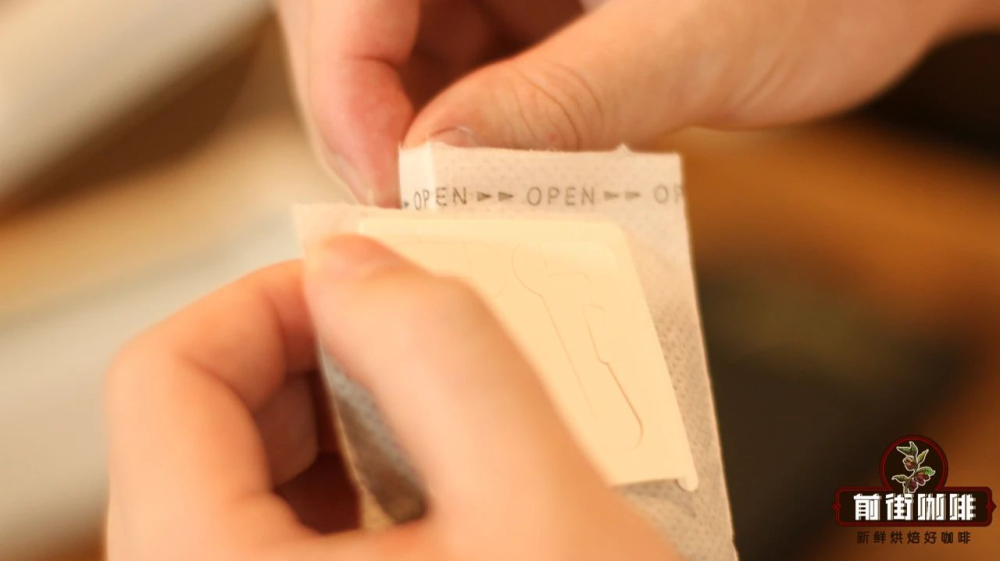
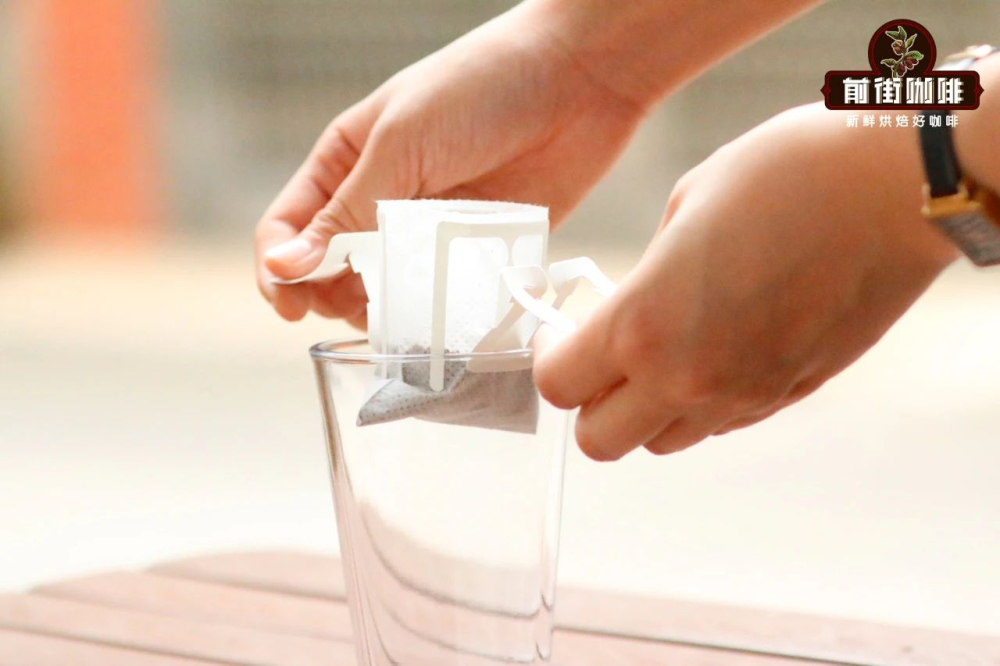
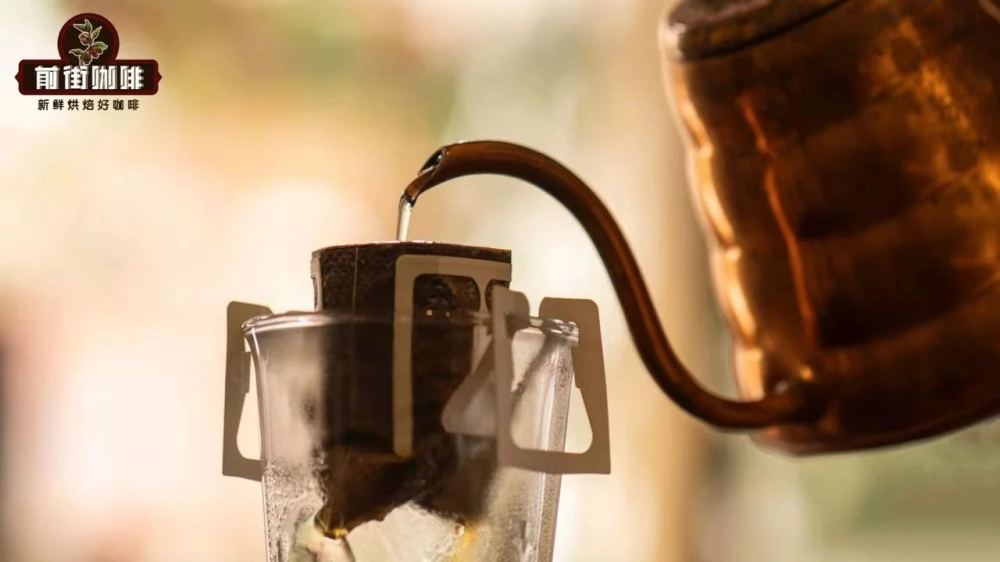
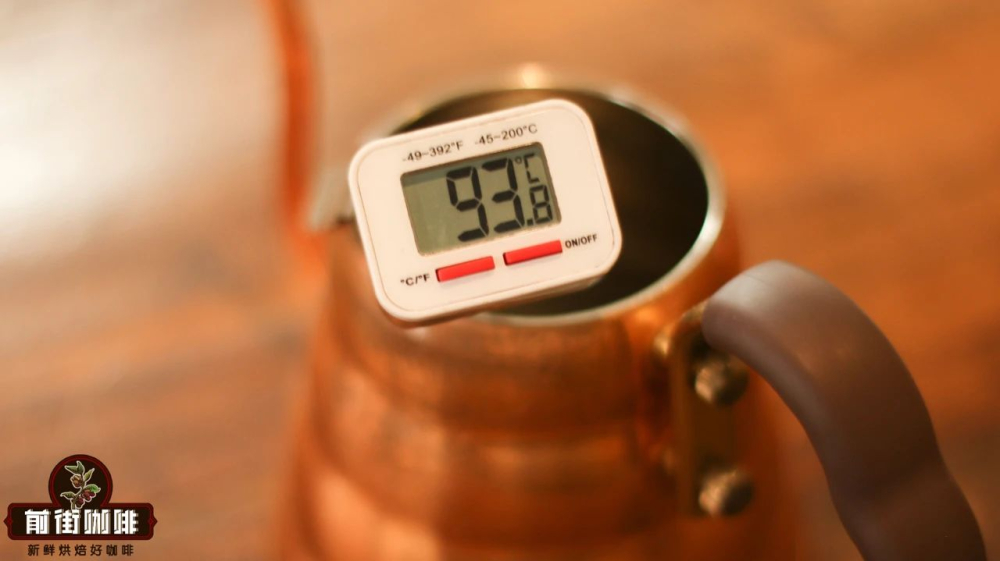
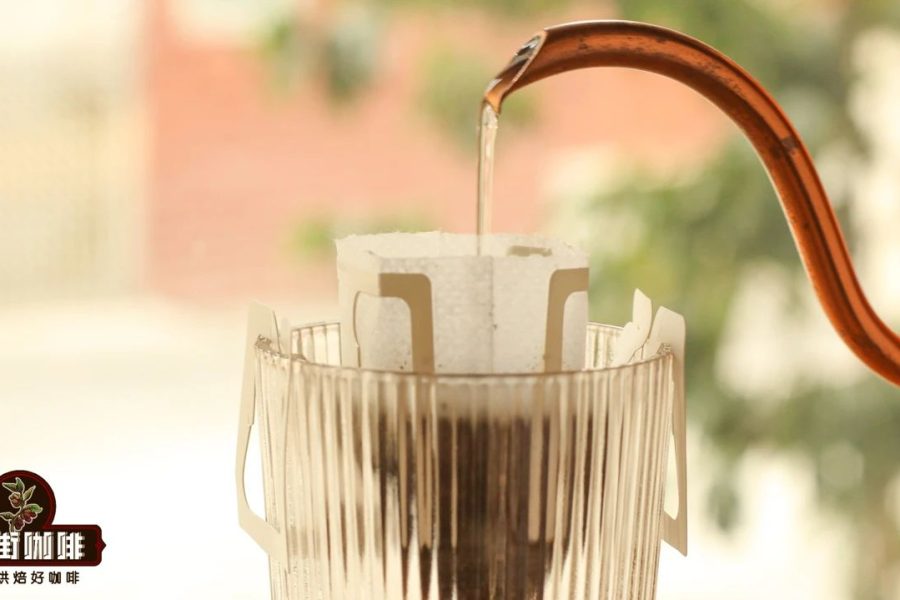
These washed Huila coffee beans are often made into 10-gram drip bags for convenient use at home or in the office. When brewing, purified water is recommended, with the water temperature kept between 85°C and 95°C. The specific steps are: carefully tear open the drip bag along the marked opening, unfold it flat, then spread open the two hangers and hook them over the rim of the cup; slowly pour in hot water, keeping the flow even and steady to avoid overflowing from pouring too fast; when the coffee has dripped to about 70% of the cup, remove the drip bag, and it is recommended to drink it as soon as possible for the best flavor experience.
There are several common misconceptions about using drip bag coffee that are worth noting: first, freshness is a key factor affecting coffee flavor, so it is recommended to use the bags up as soon as possible after opening; second, drip bags should be stored in a dry, cool place and kept away from strongly scented items such as spices and seafood; third, be sure to use a suitable water temperature of 85°C to 95°C when brewing; in addition, since drip bag coffee is a single-origin coffee, it is not recommended to add too much sugar or milk, which would mask the original flavor; finally, for the sake of flavor, each drip bag is recommended for brewing only once, and reuse is not advised.
From the bean processing method to the final brewed cup, Colombian Huila coffee displays the typical characteristics of high-altitude specialty coffee. Whether you choose pour-over, drip bags or other brewing methods, understanding its flavor characteristics and correct brewing parameters can help coffee lovers better experience the unique charm of this coffee from the Andes Mountains.