Colombian Coffee Regions Explained: Aroma Secrets of Pour-Over Beans and Blending Techniques
Introduction: This article takes an in-depth look at the real story behind Juan Valdez, the soul figure of Colombian coffee, and explores how the terroir of the three major regions of the Andes influences coffee flavor. It reveals the stringent standards of the triangle-seal certification, explains the distinctive aroma characteristics of core regions such as Huila, and provides professional-level blending ratio references to help you find the Colombian beans best suited for pour-over.
 In the hearts of coffee lovers worldwide, the mustachioed "Juan Valdez" with his sack over his shoulder has long been synonymous with premium Colombian coffee. This fictional character, created by the Colombian Coffee Growers Federation (FNC) in 1959, was modeled on a typical coffee farmer from the central province of Huila—wearing a wide-brimmed straw hat
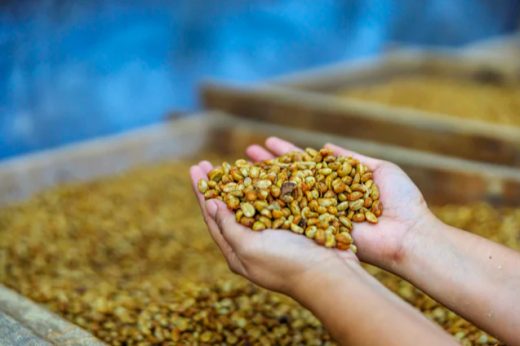
 This mule, named Conchita, is no mere decorative prop: up to 60% of Colombia's coffee-growing areas lie on the steep slopes of the Andes at altitudes of 1,200–2,000 meters, where mechanical transport is nearly impossible. Local farmers still use mule teams to carry fresh cherries down the mountain; these high-altitude-adapted mules can bear loads of 80 kilograms through narrow mountain paths, and their specially designed horseshoes prevent slipping.
The image of Juan Valdez originated from a precise marketing campaign: in 1958, the FNC commissioned the advertising agency DDB to investigate and found that 77% of American coffee consumers did not know Colombia was a place of origin. The fictional grower image born the following year, together with the eye-catching triangle-seal certification, increased the country's coffee exports by 240% within five years. It is worth noting that genuine 100% Colombian coffee must bear the golden triangle seal, which is the FNC's endorsement of more than 200 criteria including growing altitude and processing methods.
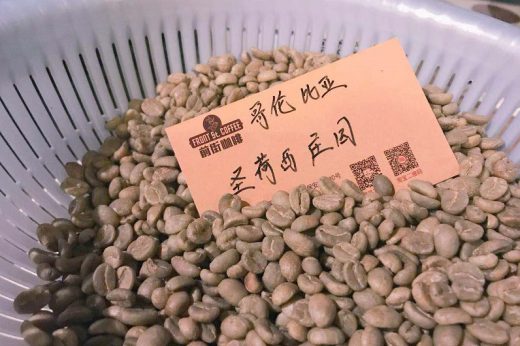
 The diverse flavors of Colombian coffee stem from its unique geography: the Sierra Nevada mountains in the north produce Geisha varieties with bright citrus notes, the central province of Antioquia is known for its balanced nutty-chocolate aromas, and the southern Nariño region, thanks to its volcanic soil, cultivates a distinctive berry acidity. Among them, Huila, as the largest producing region, generally yields coffees with bright acidity of pH 5.3–5.8 and 18–22% premium body.
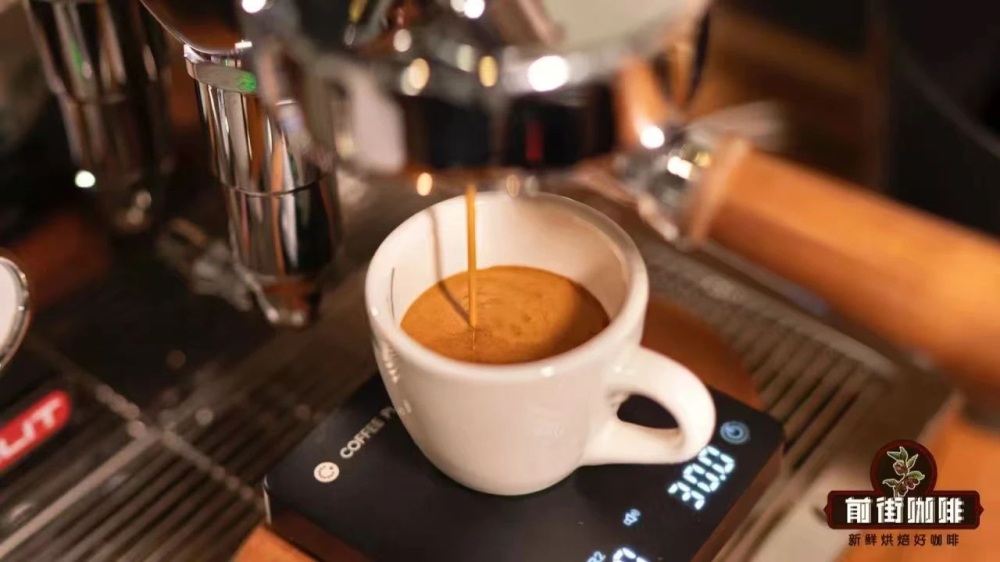
Professional roasters often use a "regional blending method" to optimize flavor: combining Huila's citrus notes (60%), Antioquia's caramel sweetness (30%), and the wine-like finish of the southern volcanic region (10%) produces a comprehensive bean with both complexity and balance.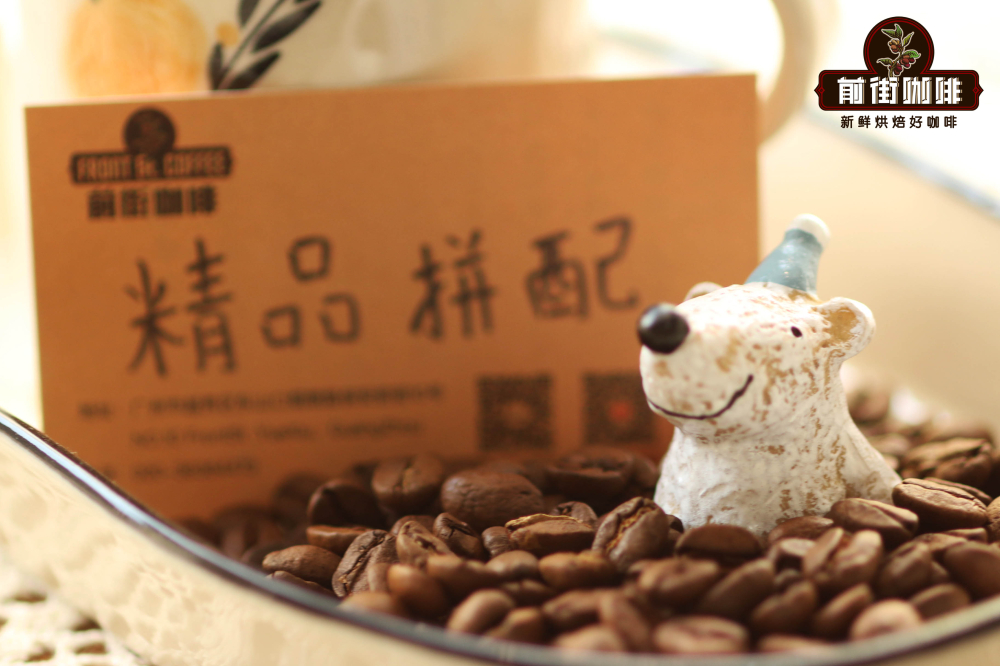 For espresso extraction, a medium-fine grind is recommended (75% passing a No. 20 sieve); at 92°C with a 1:2 coffee-to-liquid ratio, its "three-stage aroma burst" is highlighted—an initial fresh citral note, a mid-palate caramel sweetness, and a lingering dark chocolate finish.
 The evolution of the triangle seal is equally intriguing: in the classic design introduced in 1981, the folds of Juan Valdez's poncho subtly evoke mountain contour lines, and the woven pattern of the mule's basket corresponds to the structure of traditional drying beds. The latest version of the certification mark adds a QR-code traceability feature; scanning it reveals the altitude, harvest date, and processing-plant information of the specific estate.
For home brewers, beans labeled "Single Origin Huila" are recommended first: a medium roast (Agtron 55–65) best showcases their floral and fruity character, and a V60 dripper with a 30-second bloom enhances the release of citrus aromatics. If you prefer a fuller body, try a 1:1 blend of Huila and Santa Marta, adjusting the grind to medium-coarse (60% passing a No. 20 sieve) to avoid over-extraction.
 Since its founding in 1927, the FNC has built far more than a brand image—its 27 quality laboratories across the country test more than 10,000 samples daily, ensuring every export batch meets strict defect standards (maximum allowable defective beans ≤5 per 300 grams). This quality-control system has kept Colombia the world's top exporter of Arabica beans for ten consecutive years.
 Today, Juan Valdez cafés in 38 countries around the world reflect the character of their origin in every detail: wall mosaics recreate the terraced landscapes of Huila, and the menu notes the growing-altitude range corresponding to each drink. Together with the triangle-seal certification, these physical spaces form a complete quality narrative chain, allowing consumers to clearly perceive the coffee's full journey from plantation to cup as they taste it.
 For coffee lovers, understanding the real story behind Juan Valdez not only deepens appreciation of Colombian coffee's flavor layers but also conveys the craftsmanship carried by a single leaf from the peaks of the Andes to tables around the world. Next time you shop, look for that golden triangle seal with the mule motif—it is the finest promise of quality and terroir.