Sumatra Mandheling Coffee: Origin, Flavor Profile and Wet-Hulling Explained

Introduction: Explore the core growing regions of Sumatra coffee and learn how Mandheling coffee develops its signature full-bodied flavor through the unique wet-hulling process. This article details Sumatra coffee's geography, variety characteristics and classic processing method, and walks you through the key parameters for selecting quality Mandheling and brewing suggestions—from beginner to advanced, a complete grasp of this classic coffee bean.
When it comes to the world's specialty coffee regions, the Indonesian island of Sumatra is one that absolutely cannot be overlooked. The Mandheling coffee produced here is known worldwide for its full, rich body, low acidity and distinctive herbal-spice aroma, and is the "full-bodied representative" in the minds of many coffee lovers. Unlike the bright fruity acidity of Central and South American coffees, Sumatra coffee emphasizes layered, bass-note flavors, making it especially suited to those who enjoy chocolate, smoky and woody profiles.
Sumatra coffee is mainly grown in highland mountain areas at elevations of 750 to 1,500 meters, with the coffee from Takengon and Sidikalang being the finest in quality. These regions have cool, humid climates and fertile volcanic soil, providing ideal growing conditions for coffee trees. It is worth noting that "Mandheling," the most renowned name in Sumatra coffee, is not a region name but the name of a local ethnic group, so called because historically this group promoted its cultivation.
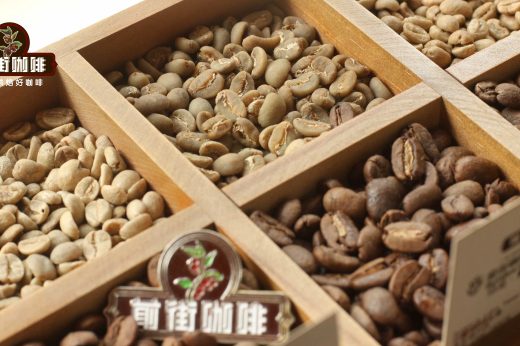
The most distinctive feature of Sumatra coffee comes from its unique wet-hulling process (Giling Basah). Unlike the common washed or natural processes, wet-hulling involves first fermenting and washing the parchment coffee beans with mucilage still attached after the fruit pulp is removed, then removing most of the parchment hull while the beans still contain a high moisture content (about 30%-50%). This special step makes it easier for the beans to develop rich woody and earthy aromas during subsequent drying, while lowering acidity and enhancing body.
Mandheling coffee processed by wet-hulling typically shows low acidity, high body, and rich caramel and chocolate base notes. On the palate you can feel a full body and strong sweetness, accompanied by dark chocolate, smoke, woody spice and even a slight herbal aroma. The finish is long and stable, often with subtle nutty and earthy aftertaste. This complex yet unified flavor structure makes Mandheling not only suitable for drinking as a single origin, but also an important base bean for many baristas when blending.
For roasting recommendations, Mandheling coffee is usually best roasted medium-dark to dark to fully bring out its full-bodied character and spicy notes. Although a light roast can retain more original fruity aroma, it struggles to express the heavy mouthfeel unique to Sumatra coffee. For pour-over enthusiasts, a medium-coarse grind is recommended, with water temperature controlled between 90-93°C, using a slow center-pour extraction method, which better balances its body and subtle acidity.
From a historical perspective, the cultivation and trade of Sumatra coffee can be traced back to the 18th century. At that time, Dutch colonists introduced coffee to Indonesia and planted it on a large scale in Java and Sumatra. After centuries of development, Sumatra coffee has formed a distinctive regional flavor character, and the use of wet-hulling in particular has become the signature process that distinguishes Indonesian coffee from other regions. In 1995, Japan's UCC Ueshima Coffee partnered with the well-known local growing company PT Gunung Lintong to establish a plantation, further promoting the internationalization and quality standardization of Mandheling coffee.
For consumers who want to try Sumatra Mandheling coffee, it is advisable to prioritize products labeled with region names such as "Gayo," "Mandheling" or "Sidikalang," as these labels often indicate higher growing elevations and stricter quality control. In addition, check the roast date; freshly roasted Mandheling (usually within 2-4 weeks after roasting) delivers the best flavor expression. Whether as an everyday staple bean or an entry point for exploring coffee terroir, Sumatra Mandheling is a classic variety worth understanding in depth.