Sumatra Mandheling Coffee: Flavor Profile and Brewing Guide
Introduction: Indonesia's Sumatra Mandheling coffee is known worldwide for its unique, rich, full-bodied taste, but many people do not understand the terroir code and processing craft behind it. This article provides an in-depth analysis of Mandheling's origin tracing, the secrets of the wet-hulling process, a detailed explanation of the flavor differences among classic producing regions such as Golden Mandheling and Lintong Mandheling, and offers professional-grade pour-over parameter recommendations to help you fully experience the layered charm of this classic Southeast Asian coffee.
When it comes to Asia's most representative coffee beans, none other than Sumatra Mandheling from Indonesia fits the bill. The coffee-growing history of this country, the world's largest archipelago, can be traced back to the 18th-century Dutch colonial period, when the Arabica varieties introduced at that time underwent centuries of development and now rank among the world's top five coffee-producing countries. The three islands of Sumatra, Java and Sulawesi form the main producing regions, among which Sumatra, with its unique highland terrain and humid climate, nurtures the Mandheling coffee with a flavor all its own.
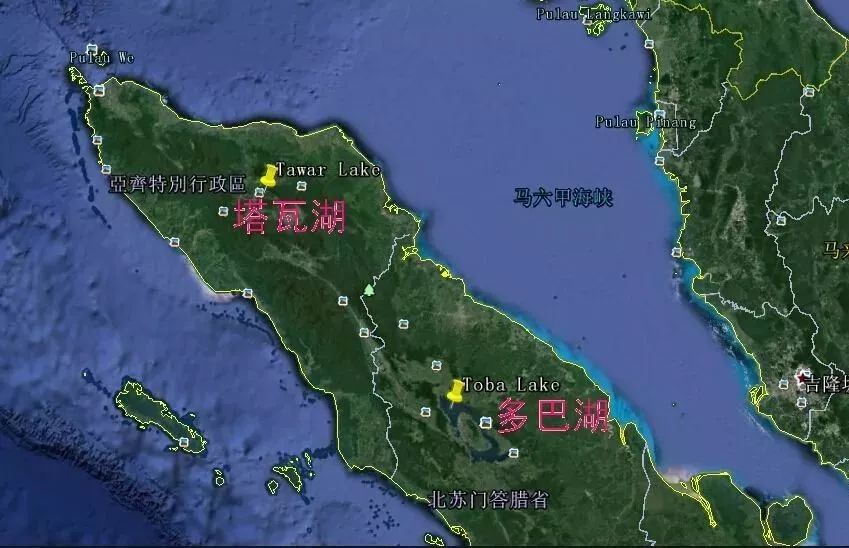
The Gayo Mountains in northern Sumatra are at a higher altitude and are an important region for high-quality Arabica coffee; the coffee around Lake Tawar, dominated by the Ateng variety, is often called Aceh coffee; while the Lintong and Lake Toba areas of South Sumatra are the core origin of Mandheling coffee.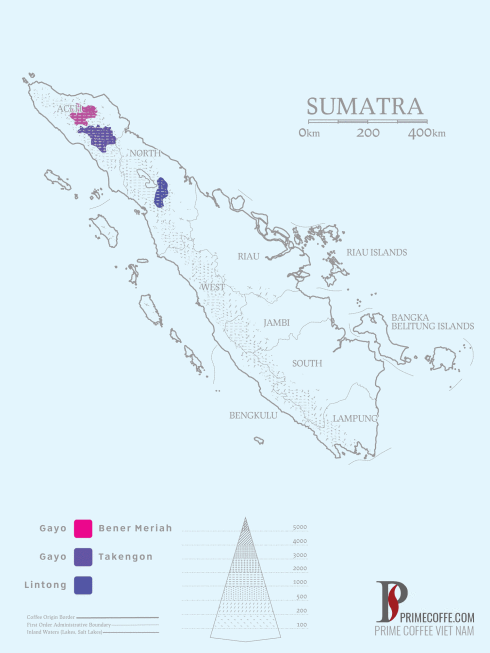 In central North Sumatra, where Lake Toba is located, Dutch colonists moved Java Mandheling northward to this place in 1888, opening the legendary chapter of modern Mandheling.
Behind the origin of the name Mandheling lies an interesting misunderstanding. The name does not come from a producing region or a variety, but is a misrecorded pronunciation of the Indonesian Mandailing people.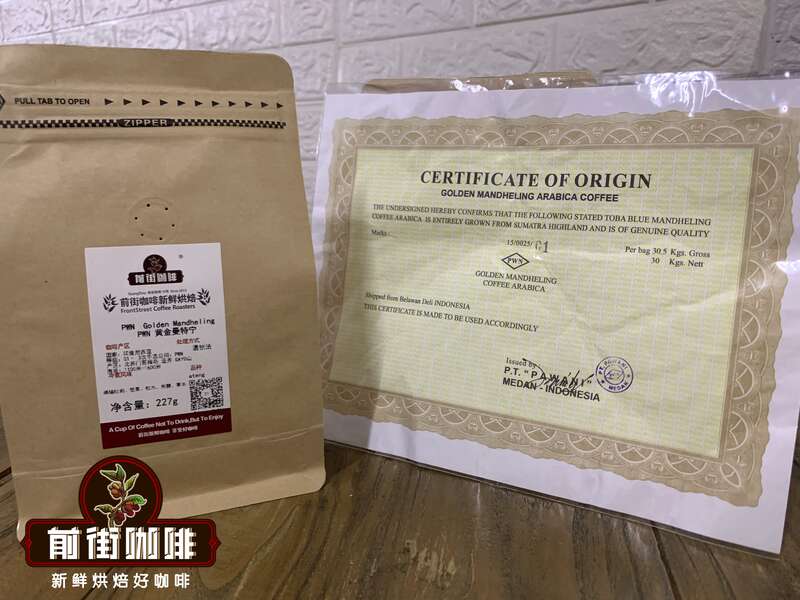 After World War II, Japanese soldiers returning home could not forget the local coffee and commissioned traders to purchase it; the locals casually referred to this coffee by the name of the Mandailing people, which eventually evolved into the widely known Mandheling.
Sumatra's unique terroir gives Mandheling its distinctive characteristics: a highland environment at 750-1500 meters above sea level, 70-90% annual average humidity, and a complex microbial community together create its rich, heavy mouthfeel.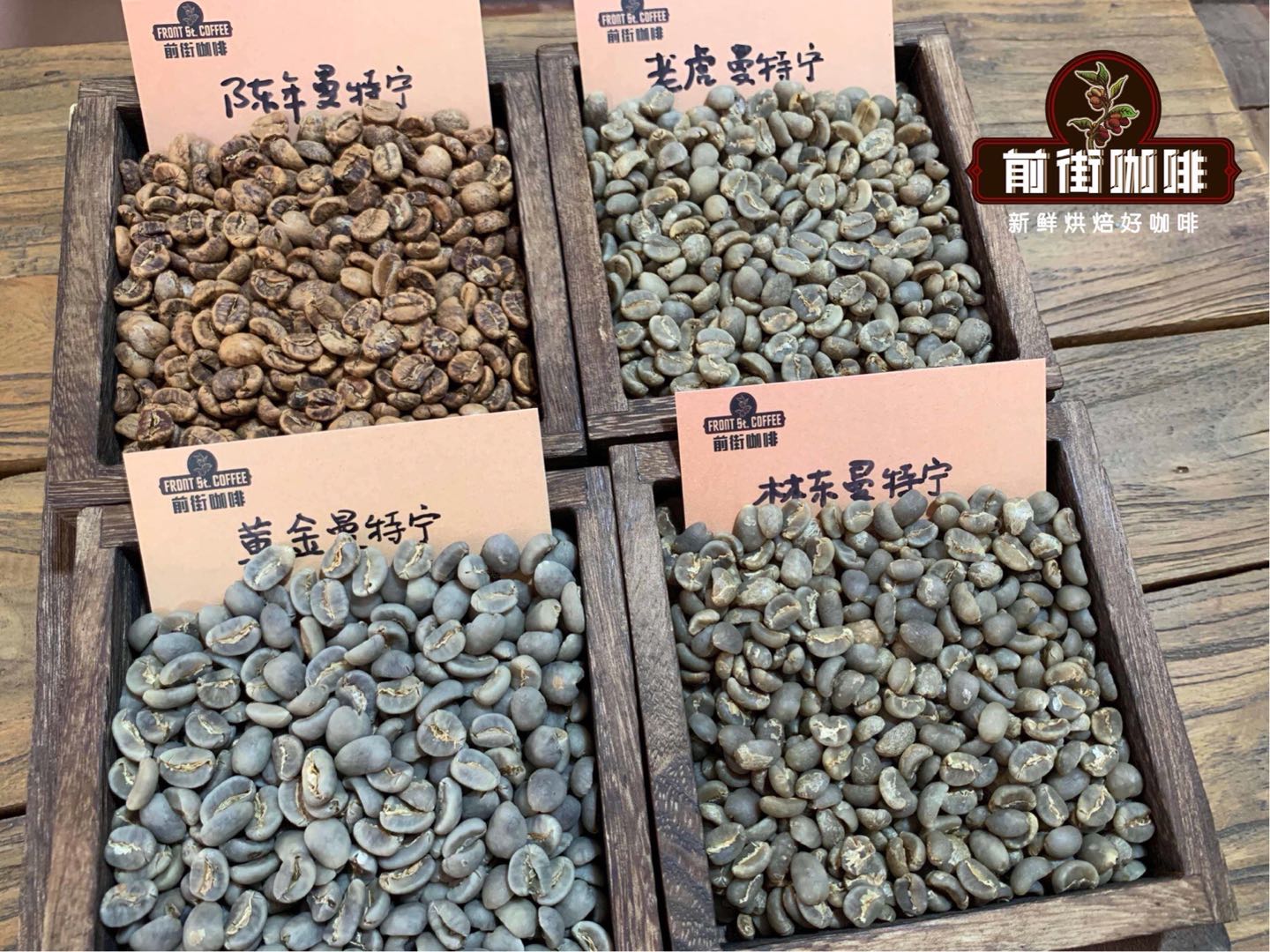 This type of coffee usually gives off the sweet aroma of chocolate and syrup, with extremely low acidity, and even when made into iced coffee or kept warm for a long time it does not easily develop astringency. Note, however, that its beans are large and prone to defects, so strict manual sorting is required, and the roast level also directly affects the final flavor expression.
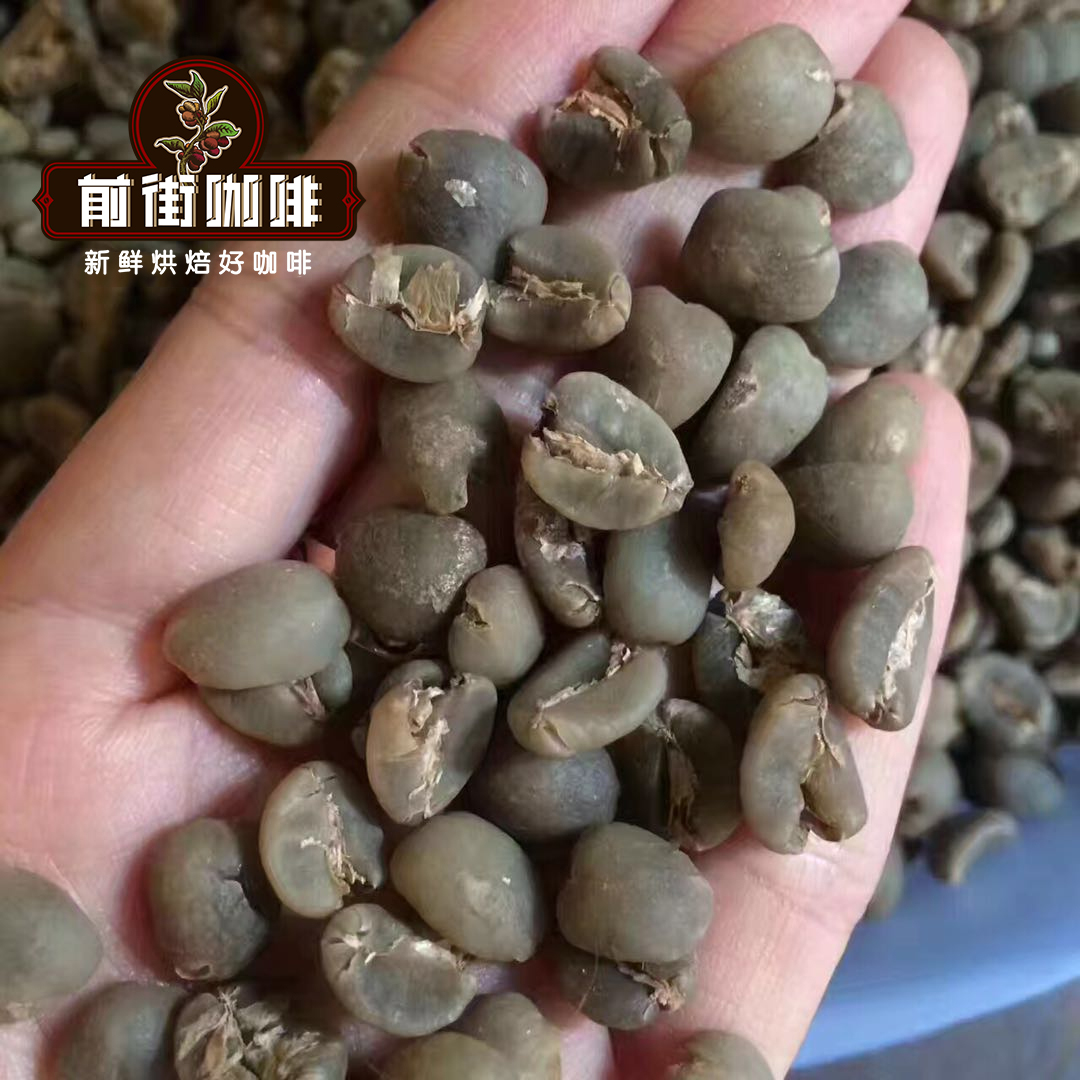
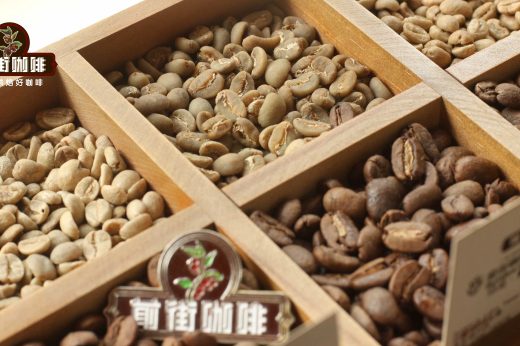
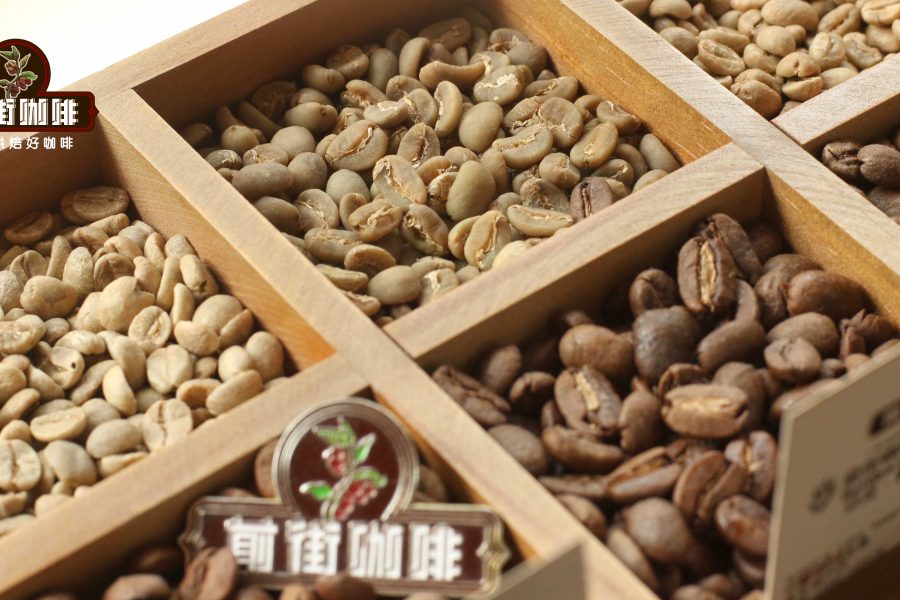
Mandheling's signature appearance is inseparable from the wet-hulling process.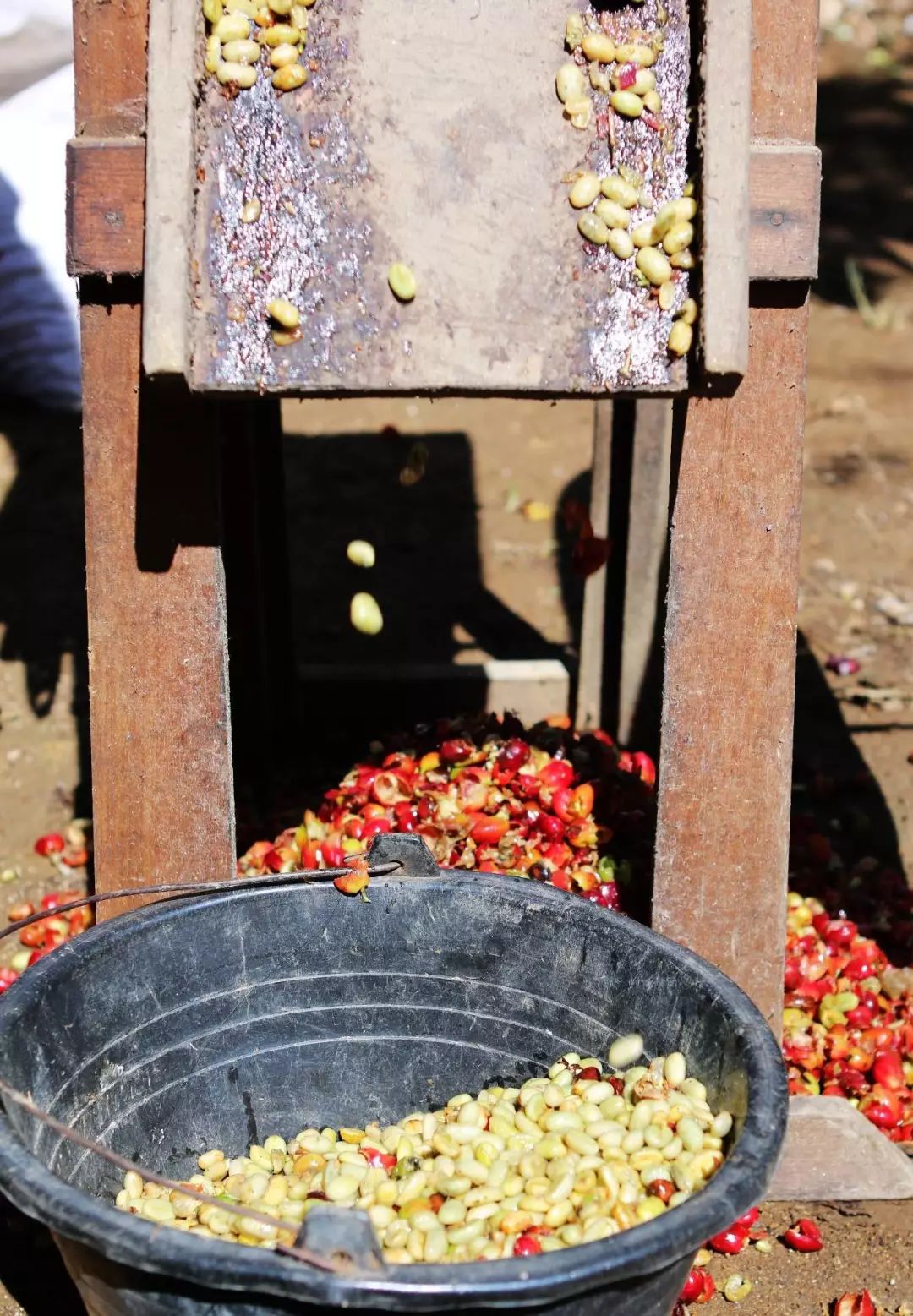 This processing method unique to Indonesia stems from local climate challenges—year-round high humidity and frequent rainfall make the drying cycle of the traditional washed method too long, easily causing mold in the green beans. Wet hulling removes part of the mucilage layer in advance and hulls the beans while the green bean moisture content is still 20-24%, greatly shortening the drying time to one third of that of the washed method. However, the beans in their semi-dry state are fragile and easily form unique hoof-shaped notches under mechanical pressure, which is also the main reason for their rough appearance.
Although wet hulling may cause fluctuations in flavor stability, it unexpectedly creates Mandheling's signature low acidity, thick body and herbal spice notes.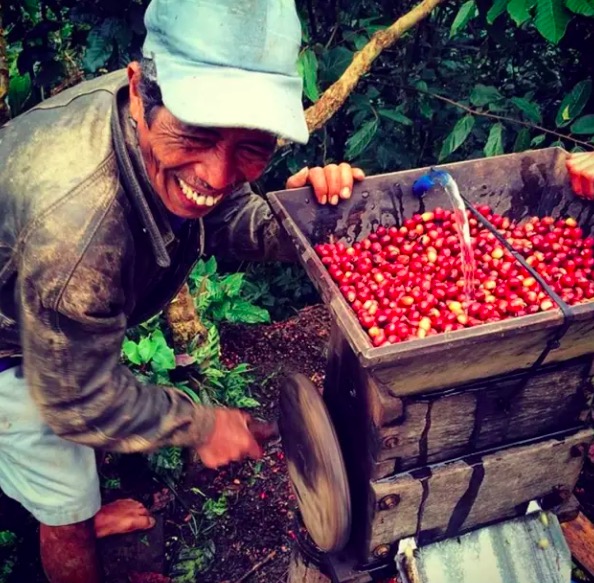 Han Huaizong, in his writings, evaluated it as a rare processing method in the world that successfully shaped Mandheling's unique mellow aroma style. After this craft was promoted by the Dutch colonists, who sought efficient profits, in the 17th century, it gradually became standard in the Indonesian coffee industry.
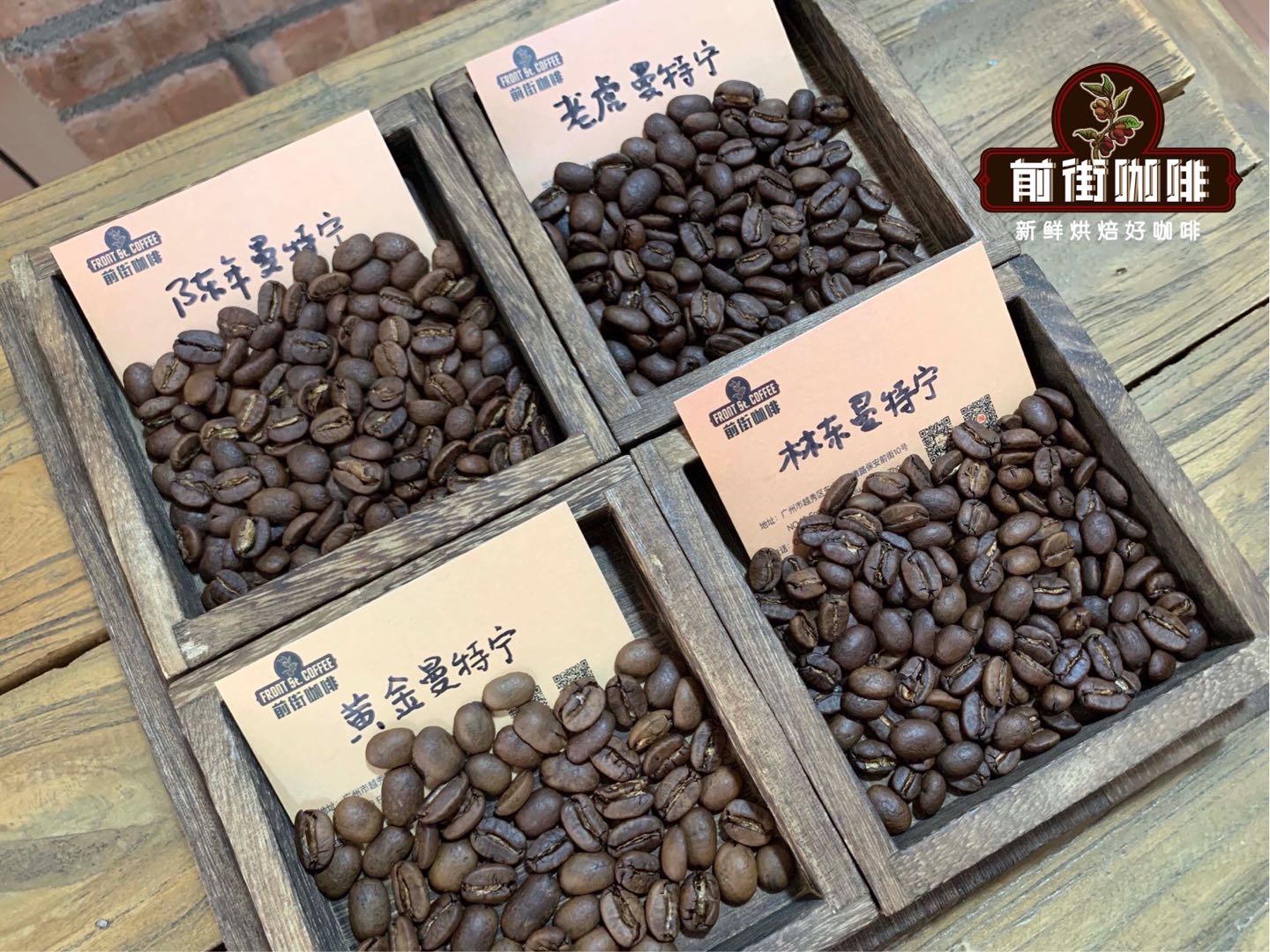
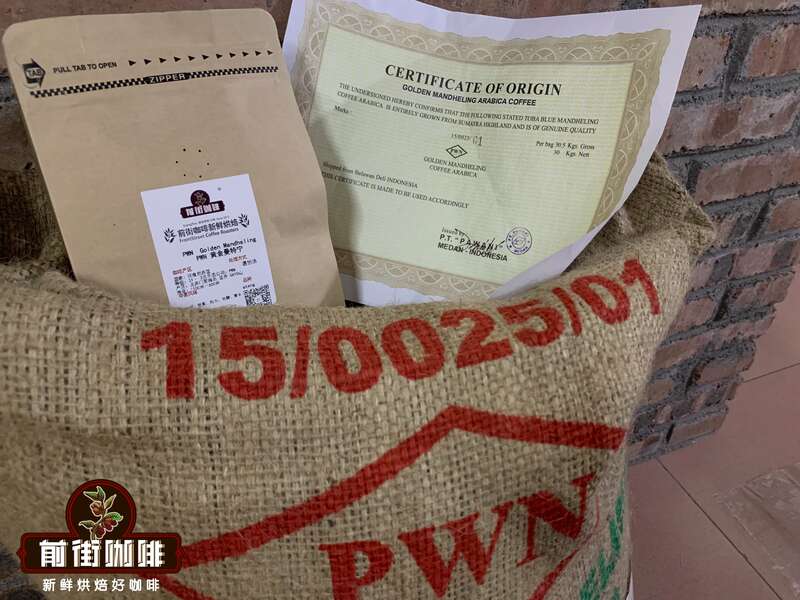
A deeper exploration of the flavor differences among classic Mandheling producing regions: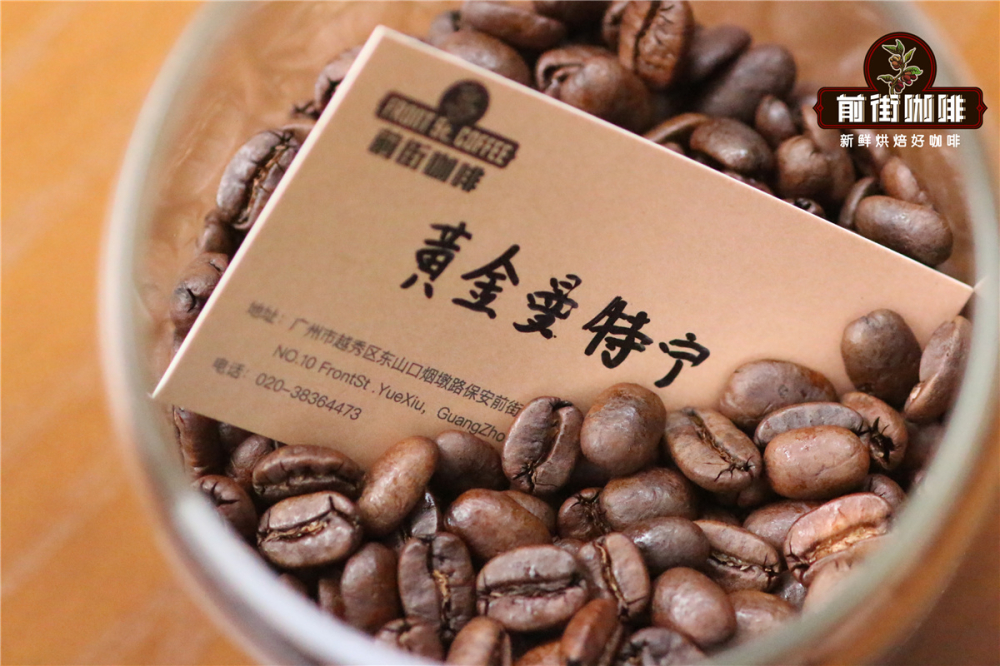 Golden Mandheling from the Gayo Mountains of Aceh, Sumatra, grows at 1100-1600 meters above sea level; the Ateng variety, screened layer by layer by PWN, presents baked toast, nut and pine wood notes, with a caramel sweetness in the finish.
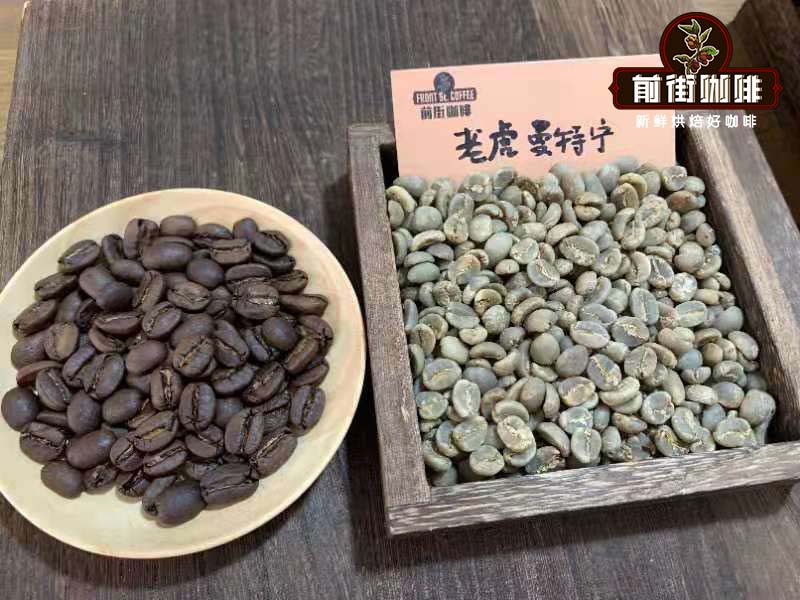
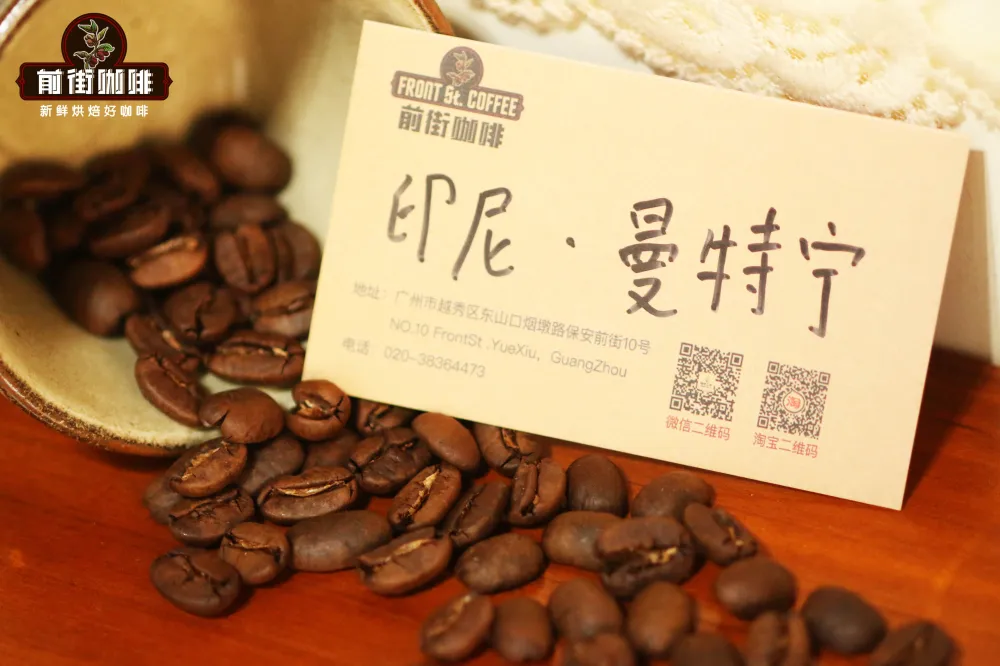 Mandheling from the Lintong region relies on the same altitude and wet-hulling craft, mainly Typica and Caturra varieties, with a fresher flavor that highlights toast, herbal and caramel layers. The Tiger Mandheling from Tiger Estate at 1500 meters above sea level requires a defect rate below 4%; the blend of Caturra and Typica gives it creamy chocolate and a balanced mouthfeel, with outstanding cleanliness.
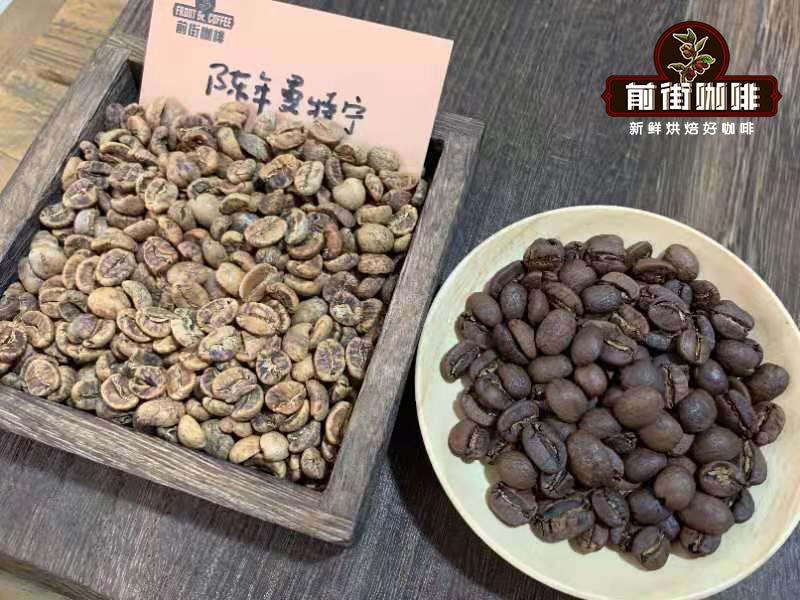
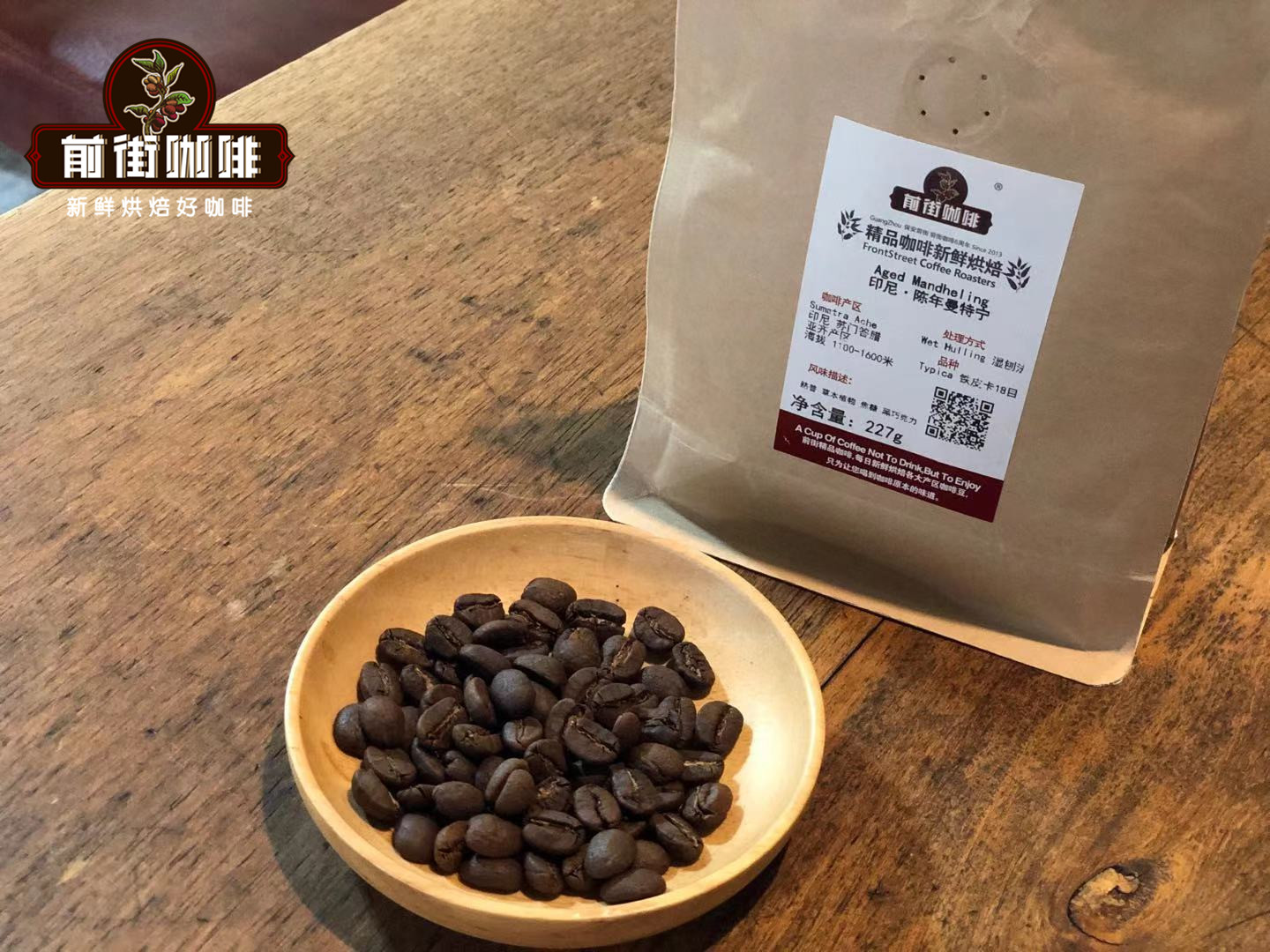 Aged Mandheling, after 2-3 years of professional storage, has further weakened acidity and develops a mellow texture similar to ripe Pu'er, with malt and dark chocolate notes more prominent, but be aware of the impact of the storage environment on flavor.
Given the characteristics of wet-hulled Mandheling, the professional brewing recommendations are as follows: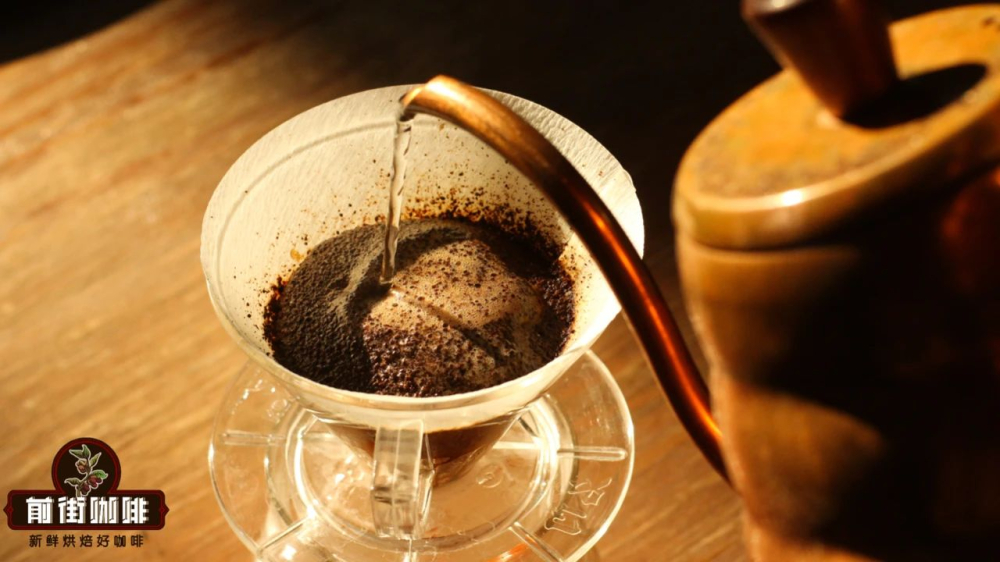 Use a Kono or V60 dripper, a coffee-to-water ratio of 1:15, a water temperature controlled at 88°C, and a grind adjusted to 70-75% passing rate on a No. 20 standard sieve. The staged extraction process is: pour 30 grams of water and let it bloom for 30 seconds, then pour in a small stream in circles until 125 grams, pause, and when the water level is about to expose the coffee bed, continue pouring to 225 grams to finish extraction.
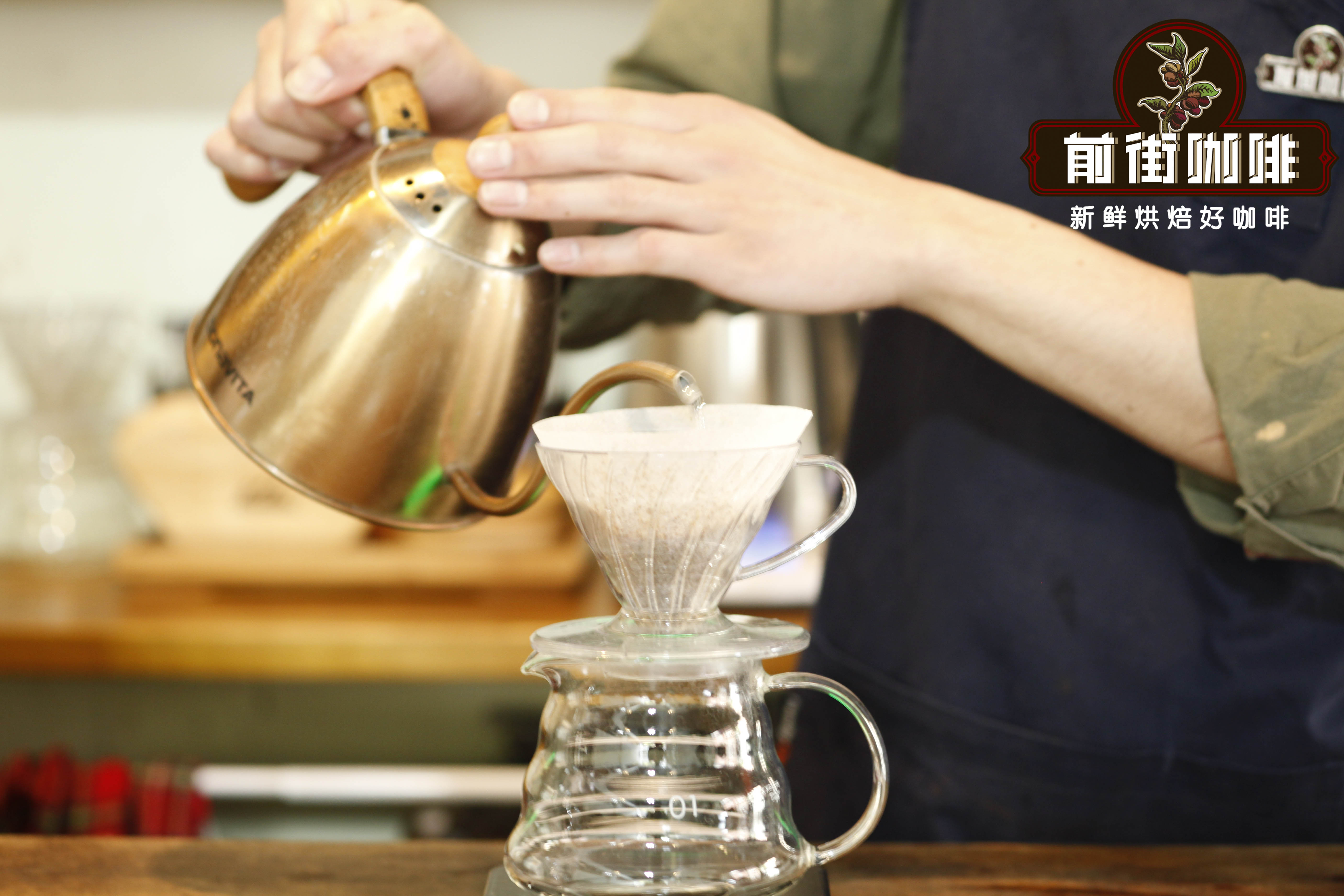 For the V60 dripper, a total extraction time of 2 minutes 00 seconds is recommended, while for the Kono dripper it is extended to 2 minutes 10 seconds. These parameters can effectively balance Mandheling's heavy body and layering, highlighting the nutty chocolate base while avoiding the bitterness caused by over-extraction.
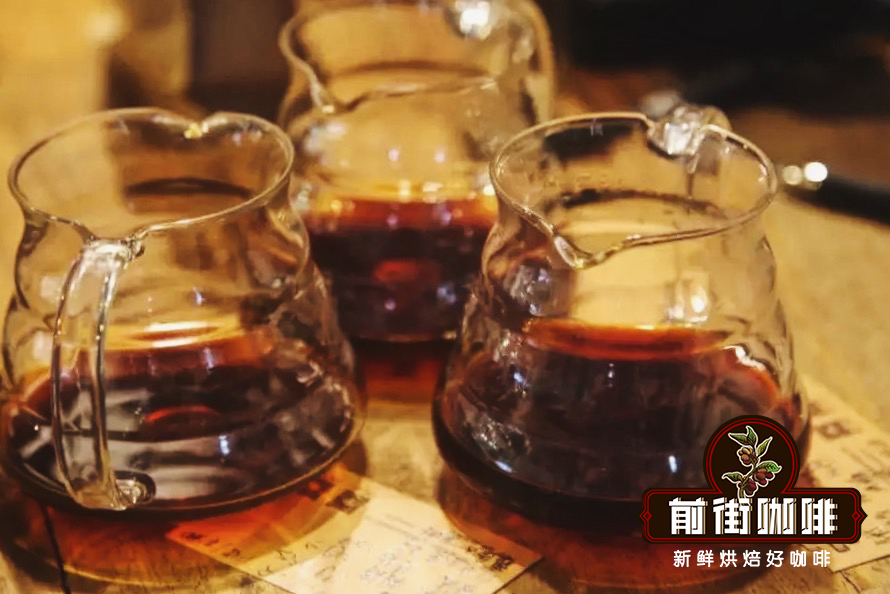
In actual tasting, Golden Mandheling shows layered nutty caramel aromas with a lasting, clean finish; Lintong Mandheling features herbal medicinal and dark chocolate notes with an obvious sweet aftertaste; Tiger Mandheling has excellent balance, with creamy and spice aromas intertwined; Aged Mandheling sheds its greenness and presents the mellow texture of old tea, with sweetness and complexity significantly enhanced. Mastering these flavor codes and brewing techniques will help you fully appreciate the unique charm of Mandheling coffee.