Sumatra Mandheling: Flavor Profile and Pour-Over Guide

Introduction: Sumatra Mandheling coffee is known worldwide for its uniquely rich body and herbal character, making it a classic choice for coffee lovers exploring dark-roast flavors. This article takes an in-depth look at Mandheling's regional characteristics, processing methods, and flavor layers, and offers professional pour-over parameter suggestions to help you fully experience the complex charm of this "gentleman of coffee."
In the long history of coffee culture, Sumatra Mandheling has always held a unique place. This arabica coffee, grown on the Indonesian island of Sumatra, has become the top choice for dark-roast enthusiasts thanks to its signature rich body and multi-layered flavors. Unlike the bright fruity acidity of Central and South American coffees, Mandheling is known for low acidity, intense caramel aroma, and a distinctive herbal note, making it especially suited to drinkers seeking a full-bodied cup.
Mandheling's core growing regions are concentrated around Lake Toba in northern Sumatra, with beans from Takengon and Sidikalang standing out as the finest in quality. These estates are generally located at elevations of 750 to 1,500 meters, where large day-night temperature swings and fertile volcanic soil allow the beans to accumulate abundant sugars and aromatic compounds. Notably, the region's distinctive wet-hulling method (Giling Basah) is key to shaping Mandheling's unique flavor—this accelerated drying process allows the beans to retain more earthy and woody aromas while developing their signature herbal character.
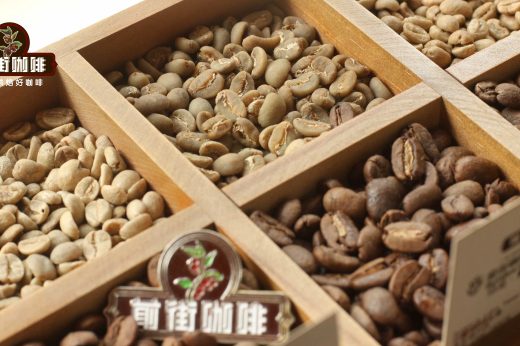
In terms of flavor characteristics, a high-quality Mandheling typically displays a rich, dark-chocolate-like body, complex cedar and tobacco aromas, and a subtle ginger- or clove-like spice. On the palate you can sense pronounced caramel sweetness and low citric acidity, with a lingering nutty sweetness in the finish. This balance of "bitter without astringency, rich without emptiness" is exactly why it is called "the gentleman of coffee." For beginners, it is advisable to start with a medium-dark roast (Agtron 45-55) Mandheling, which preserves the regional character without overly masking the delicate flavors.
As for brewing parameters, a 1:15 coffee-to-water ratio is recommended for pour-over Mandheling, paired with a medium-fine grind (70-75% passing a Chinese standard No. 20 sieve). Keeping the water temperature at 90-92°C effectively highlights its rich character without amplifying defects. For the actual process, a three-pour method can be used: first bloom with 30 ml of water for 30 seconds, then pour in circles in stages up to 125 ml, and finally finish pouring at 1 minute 30 seconds and wait for the drawdown to complete. This technique helps balance its naturally heavy body and avoids the bitterness caused by over-extraction.
From an industry-history perspective, Mandheling's global reputation began with the push from the Japanese market in the 20th century. In 1995, UCC Ueshima Coffee's partnership with the local company PT Gunung Lintong not only established Asia's first multinational growing base but also raised overall quality through strict green-bean screening standards. Today, Mandheling is not only a classic single-origin coffee but also an indispensable base bean in espresso blends—its strong crema performance and rich body provide a solid mouthfeel framework for milk-based coffee drinks.
For coffee collectors, it is advisable to choose beans labeled "Mandheling Grade 1"; such products are usually hand-sorted, with a defect rate below 3%. When storing, keep them sealed and away from light in a constant-temperature environment of 10-18°C to preserve their signature herbal aroma. Whether as an everyday staple bean or an entry point for exploring Southeast Asian coffee terroir, Sumatra Mandheling offers a distinctly different taste experience.