Sumatra Mandheling Coffee Beans: Flavor, Origin and Processing Guide

Introduction: Sumatra Mandheling coffee is known for its full, heavy body, yet it often stirs debate because of its hard beans and complex processing. This article takes a deep look at its variety characteristics, the distribution of its core growing regions, and the details of the classic wet-hulling process, and compares the differences between Golden Mandheling and aged beans, helping you precisely master the flavor code and brewing key points of this classic bean.
Sumatra Mandheling coffee beans are known for being large and hard-textured, and are prone to producing defective beans during cultivation, requiring strict manual sorting. If quality control is lax, batch quality varies markedly, and in addition the roast level directly affects flavor expression, making it a single-origin bean with considerable controversy. Its taste is intense and full-bodied, with pronounced bitterness and body yet without astringency, low acidity but lively layering, often accompanied by subtle herbal notes and a distinctive earthy aroma.
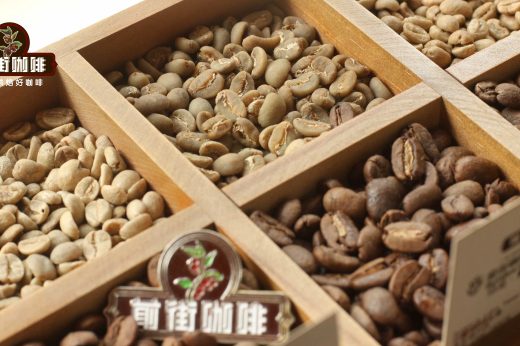
The variety's most notable appearance trait is a rough, dull surface, but seasoned coffee lovers believe that the less uniform the bean appearance, the more intense and smooth the Mandheling tends to be. Golden Mandheling is especially special—Japanese industry players introduced a four-time manual bean-sorting standard more than ten years ago, removing all defective beans to produce a high-end version with dark green, uniform bean color and stable quality, successfully opening up the European and American markets.
Aged Mandheling is another important branch; high-quality aged beans, through long maturation, convert acidic and astringent substances into sugars, and the taste becomes rounder and sweeter; but failed cases of improper handling present an unpleasant "coffee zombie" flavor. It is worth noting that the common Lintong and Mandheling-region coffees on the market, although often labeled as dry-processed, in fact mostly use a hybrid mode to separate the pulp: farmers use simple metal and wooden equipment to remove the skin, then place the wet beans with mucilage still attached into woven bags for overnight fermentation, wash them by hand the next day and pre-dry the parchment layer, and finally complete processing through three-stage stepped drying at the Medan port.
Some regions also use a Brazil-like semi-washed process, allowing the mucilage to dry naturally before mechanical removal, followed by two-stage drying in warehouses and at the port. This complex processing chain makes Sumatra coffee flavors highly unstable—it may produce highly distinctive specialty beans, or it may show quality fluctuations. Only the rigorous sorting at Medan exporters' warehouses can ensure that the unique full body and understated flavors of the Lintong and Mandheling series are brought out.
Regarding grinding parameters, for pour-over it is recommended to use a medium-coarse grind (similar to the texture of sea salt), keep the extraction water temperature in the 90-93°C range, and maintain a pouring speed of 2-3 grams per second to avoid over-extracting bitterness. Beginners should pay special attention: grinding hard beans too fine easily causes channeling, while the heavy body formed by three-stage drying needs sufficient blooming time (30-45 seconds recommended) to fully release the flavor layers.