Hambella vs. Geisha Coffee Beans: Flavor Comparison and Brewing Guide

Introduction: Ethiopia's Hambella and Panama's Geisha are both highly regarded specialty coffee beans, yet their differences in variety, terroir and processing give them distinctly different flavor personalities. This article examines the differences between these two classic coffees, from growing environment and processing methods to flavor characteristics and brewing advice, to help enthusiasts choose according to their taste preferences, with precise medium-light roast pour-over parameters included.
 In the world of specialty coffee, Ethiopia's Hambella and Panama's Geisha are often mentioned together by enthusiasts; both are known for rich floral and fruity notes, but the actual experience differs. Understanding their core differences not only enhances the pleasure of tasting but also helps you find beans that better suit your personal taste.
 The origin story of Hambella coffee begins in Ethiopia's Hambela area, located at the border of the Guji and Sidama regions, in a high-altitude coffee-growing belt. Hambela reaches elevations of up to 3200 meters, making it one of the highest sub-regions in Ethiopia, facing the famous Yirgacheffe Kochere region across the mountains. The high-altitude environment plus moderate shade growing allows the coffee fruit to ripen slowly at lower temperatures, accumulating richer flavor compounds. The Sidama region itself is known for its fertile highlands and abundant rainfall, with elevations generally between 1500-2200 meters, providing ideal conditions for coffee growth.
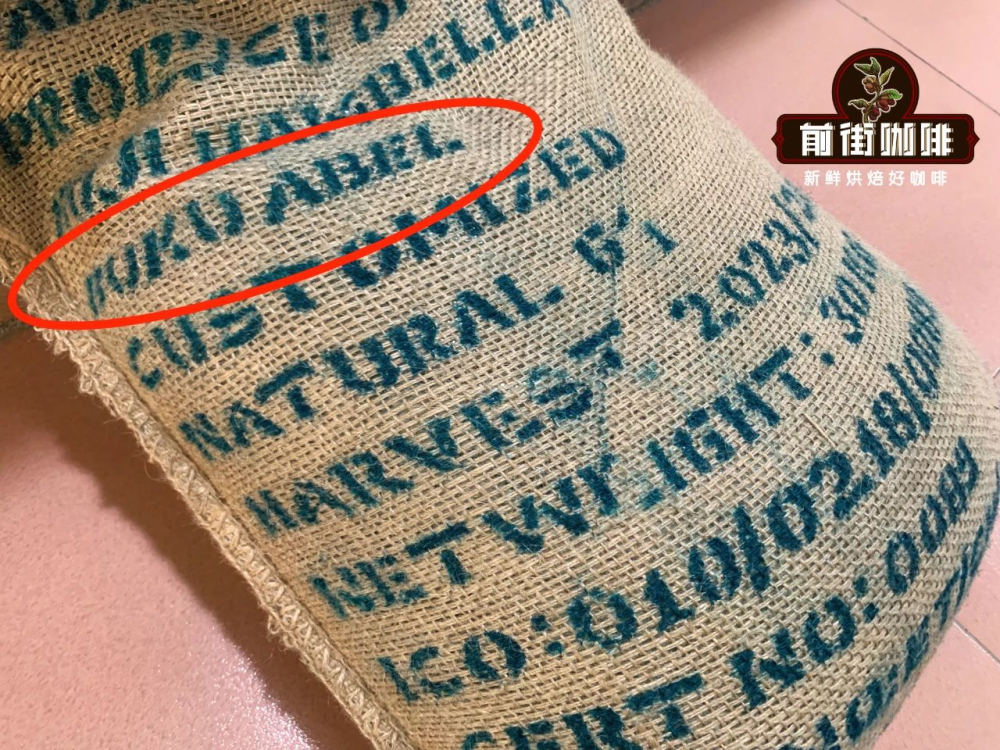
 Hambella's rise to fame began in 2017, when it was submitted by DW Company to Ethiopia's national Taste of Harvest (TOH) cupping competition and won first place. This coffee comes from the Buku Abel processing station in the Guji region, known for purchasing fully red coffee cherries from surrounding farms for natural processing. The English name "Hambella" directly points to its origin, Hambela, emphasizing its regional terroir.
 The natural process is the core method for this coffee. During the harvest season from December to January each year, the station selects fully red coffee cherries with sugar content above 30 and lays them to dry on African raised beds. To cope with the significant day-night temperature difference, farmers shade the cherries at noon to prevent over-fermentation, and at night cover them with plastic sheeting against sudden rain showers. The entire drying process lasts about 18 days, during which the cherries must be constantly turned to ensure even drying, finally reducing the green bean moisture content to 13% before hulling. This traditional method gives Hambella a rich fermented aroma and sweetness while preserving the floral and fruity notes of the native varieties.
 By comparison, the Geisha variety has a more legendary background. It originated in the Kaffa forest of Geisha Mountain in Ethiopia, was first collected by British explorers in 1931 and introduced to Kenya, then passed through Uganda and Tanzania, and was finally introduced from Costa Rica to Panama's Boquete region by estate owners in the 1970s. The Geisha variety is characterized by long internodes and low yields, with slender beans pointed at both ends, and is extremely demanding about its growing environment—it needs high altitude, misty shade and fertile soil to express its signature floral and tea-like qualities.
 In terms of varietal characteristics, Hambella belongs to the native landrace mixture common in Ethiopia; because the local coffee gene pool is vast and the classification system special, bean size and shape are often irregular. Geisha, by contrast, is a systematically cultivated single variety with more stable flavor expression. In processing, Geisha mostly uses washed processing to highlight cleanliness and citrus acidity, while Hambella's natural processing strengthens sweetness and fermentation layers.
 In flavor comparison, the two coffees show clear differences under medium-light roast: Hambella centers on tropical fruit (mango, jackfruit) and berry-like sweetness and acidity, with obvious juicy character and a black-tea-like finish; Geisha centers on white florals (jasmine, orange blossom) and citrus acidity (lemon, bergamot), with tea-like body and honeyed aftertaste. The former is bolder and sweeter, the latter fresher and more elegant.
 Brewing advice for medium-light roast is as follows: use a V60 dripper, water temperature 91-92°C, coffee-to-water ratio 1:15, grind size about 80% passing a No. 20 sieve (caster sugar size). Use three-stage pouring: first pour 30g water and bloom for 30 seconds, second pour 95g water until the bed drops halfway, finally pour 100g water to complete extraction. Keep a small stream circling in the center throughout to avoid channeling.
 When actually drinking, Geisha releases bright citrus acidity and white florals even at high temperature, and as it cools, oolong tea and honey composite notes emerge; Hambella maintains a full fruit sweetness from hot to cold, with tropical fruit aroma throughout, and after cooling the sweet-sour layers of white peach and berries become especially prominent. Both suit lovers of fruity coffee, but Hambella's sweetness is more direct, while Geisha's acidity is livelier.
 In summary, choosing Hambella or Geisha depends on your flavor preference: choose Hambella for a tropical fruit bomb and rich sweetness; choose Geisha for a fresh floral and tea-like experience. Mastering each one's optimal brewing parameters will better reveal their unique charm.


