Coffee Bean Varieties Explained: Arabica, Robusta and Key Origins
Introduction: From Arabica to Robusta, different coffee bean varieties differ markedly in flavor. This article analyzes the characteristics of the world's main coffee bean varieties in depth, compares the taste differences between Arabica and Robusta, and focuses on the classic processing methods and flavor characteristics of well-known origins such as Costa Rica, Ethiopia, and Panama, helping coffee lovers choose the bean variety suited to their taste preferences.
The spread of coffee culture has made black coffee and espresso daily choices, but differences among coffee bean varieties directly determine flavor direction—some present a bright, juicy quality, some have pronounced acidity, and some carry a mellow, full-bodied bitterness. Coffee beans currently circulating in the market are mainly divided into three original species: Arabica, Robusta, and the rare Liberica. Among them, Arabica occupies more than 90% of the specialty coffee market due to its rich flavor layers and high balance of acidity and bitterness; Robusta, due to its high caffeine content and intense bitterness, is commonly found in instant coffee or as a blending base; Liberica, due to its low yield and unusual flavor, is mostly used for research or niche tasting.

If divided by origin, the flavor map of coffee beans becomes even more diverse. From the African highlands to Central and South America, different altitudes, soils, and climate conditions shape unique regional flavors. For example, Central American coffees generally show citrus notes, African beans often carry floral and fruity acidity, while Southeast Asian beans are known for herbal and earthy notes. This diversity means a single variety may present completely different flavor expressions in different origins, which is also where the joy of coffee exploration lies.
Take Costa Rica as an example: its coffee beans are known for a balanced, full-bodied mouthfeel. Beans from high-quality origins often combine a mellow texture with clear acidity, with a lingering sweetness in the finish, but note that not all Costa Rican beans have distinctive characteristics, so cupping-based selection is recommended. The country's honey processing method is especially well known; by retaining different degrees of mucilage for sun-drying and fermentation, it produces three types: yellow honey (40% mucilage retained), red honey (25% mucilage), and black honey (nearly full mucilage). Among them, black honey processing has the most prominent sweetness and body, while yellow honey balances sweetness with fresh acidity.

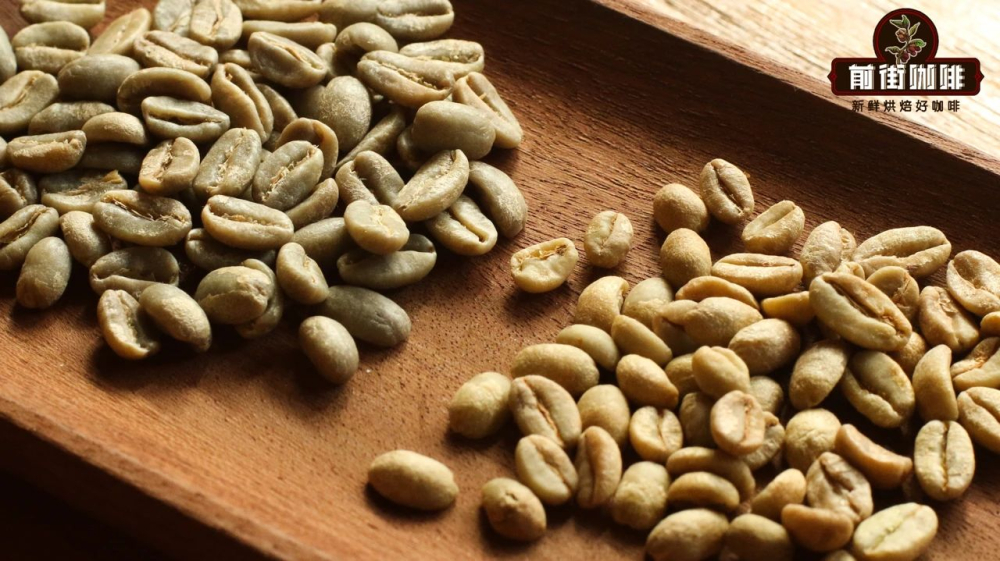
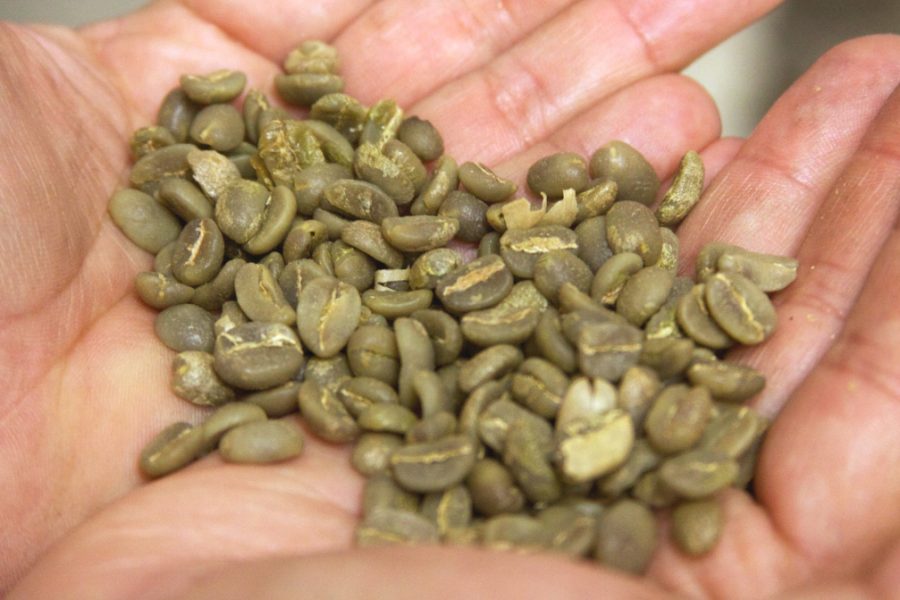
Ethiopia, as a coffee gene bank, has more than two thousand native varieties, with the Sidamo and Yirgacheffe regions being the most representative. Yirgacheffe washed beans show distinct citric acidity and a black tea finish, while natural beans develop tropical fruit aromas such as blueberry and mango. The processing method can be preliminarily distinguished by observing the appearance of green beans: washed beans retain more silver skin and appear blue-green, while natural beans, because the silver skin falls off more noticeably during drying, tend toward yellow-green. It is worth noting that although natural processing can enhance sweetness, it places extremely high demands on fermentation control, and improper handling easily leads to off-flavors.

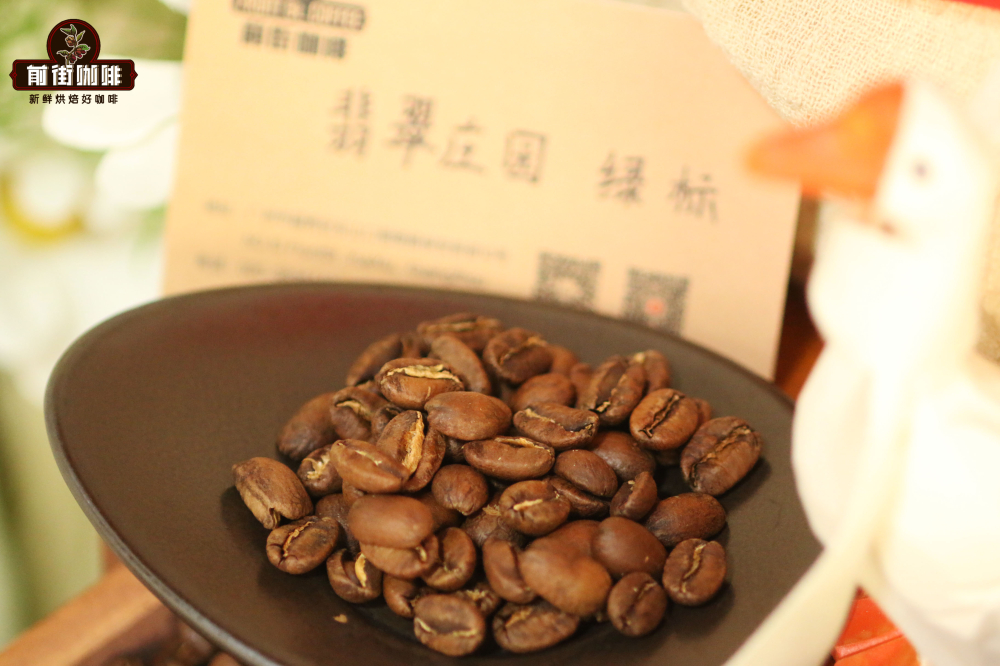
Panama Geisha is undoubtedly the star variety most sought after in recent years. The variety originated in Ethiopia but blossoms with unique charm in the high-altitude environment of Hacienda La Esmeralda in Panama. High-quality Geisha has berry and floral notes in the dry fragrance, releases complex layers such as cherry and honey when brewed, and gradually reveals caramel sweetness as it cools. Hacienda La Esmeralda subdivides Geisha into grades such as green label (auction level) and red label (estate select), among which green label Geisha usually shows richer floral-fruity notes and delicate acidity. The Caturra and Catuai varieties from the same estate follow another style, centered on chocolate and spice flavors with more direct sweetness.

The role of processing methods in shaping flavor cannot be ignored. Honey processing affects the balance of sweetness and acidity by adjusting the amount of mucilage retained; natural processing strengthens sugar conversion but requires guarding against fermentation defects; washed processing is known for clean acidity. When purchasing, consumers can look for processing method information on the packaging: for example, "raisin honey processing" usually refers to a high-mucilage-retention process close to black honey, while "double washed" means a more rigorous mucilage removal process. For beginners, it is advisable to start with mild washed Arabica beans and gradually try the flavor differences of different processing methods.
At the parameter level, the ideal roast degree for Arabica beans usually falls between light and medium roast (dense first crack to the beginning of second crack), which preserves more aromatic acidity; Robusta is suited to medium-dark roast to reduce sharp bitterness. For pour-over, a water temperature of 90-94°C is recommended, with grind size matched to the dripper's characteristics—V60 suits medium-fine grinding (70-75% passing a Chinese standard No. 20 sieve), while a French press requires coarse grinding (about 50% passing). It is worth noting that bean density differs markedly at different altitudes within the same origin; high-altitude beans (above 1500 m) expand more slowly and require appropriately longer blooming time.

From origin terroir to processing craft, the flavor code of coffee beans is hidden in every detail. Whether pursuing bright citrus acidity or a mellow chocolate finish, understanding variety characteristics and processing logic helps you find the cup you love. Next time you choose coffee beans, you might first clarify your preferred flavor type, then combine origin and processing method information to begin a more directed journey of coffee exploration.