Colombian coffee acidity and Huila region flavor and brewing guide
Introduction: Explore why Colombian coffee is known for its balanced sweetness and bright acidity alongside a full body, with a particular focus on the Huila region, a core area for specialty coffee. This article explains how the country's unique geography and climate shape coffee flavor, analyzes the nutty and chocolate notes and aroma layers of Huila coffee, and provides professional pour-over parameters and techniques to help you precisely present its clean and smooth character.
In Colombia, coffee is called "green gold," and locals' love for coffee is reflected in the coffee shops scattered throughout the streets and alleys. Whether morning or evening, these shops are always full, showing that coffee culture is deeply rooted in daily life.
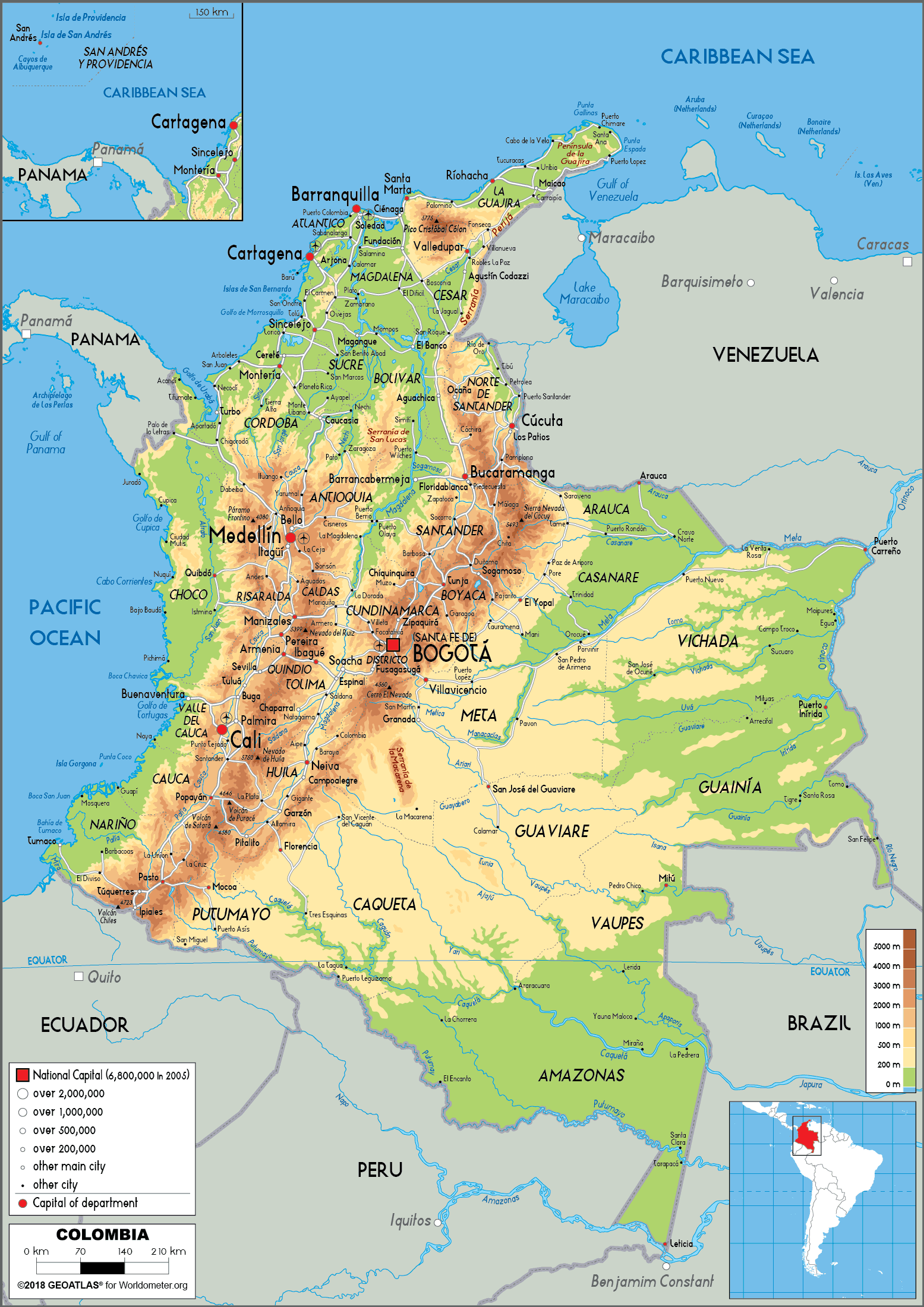
The appeal of Colombian coffee is often summarized as a smooth mouthfeel, clear fruit acidity, and harmonious, balanced flavor, all of which are inseparable from its exceptional geographical conditions.
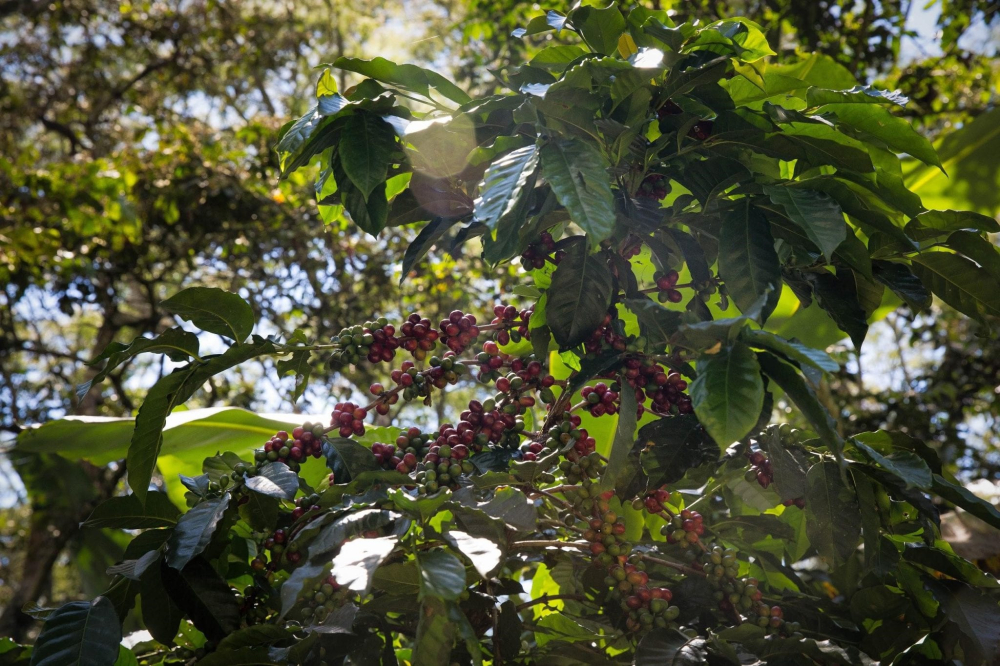
The southern part of the country straddles the equator and has diverse terrain. Coffee cultivation is mainly concentrated in three major highland zones on the western side of the Andes, extending from south to north. This area has rich ecosystems where forests, grasslands, rivers, and lakes intertwine, forming diverse microclimates. Volcanic ash soils formed over millions of years provide an ideal environment for coffee growth. Coffee trees are mostly planted on high-altitude slopes shrouded in mist and clouds. The low temperatures slow ripening and encourage the fruit to accumulate more sugar, ultimately producing coffee with intense flavor and natural sweetness.

Colombia has more than 500,000 coffee farmers, who generally operate small family farms and rely on manual labor from planting to harvesting. This meticulous management makes the overall quality of the beans better than in many large-scale mass-production regions.
To regulate the industry and protect farmers' interests, the Colombian government established the National Federation of Coffee Growers (FNC) in 1927 at the urging of coffee growers. The organization is committed not only to maintaining coffee quality but also to providing producers with stable income security and support for their rights, promoting the sustainable development of the entire industry. In recent years, with the FNC's help, local growers have gradually established strategies to cope with leaf rust and climate change, and continue to explore ways to balance improving coffee flavor with increasing yield.
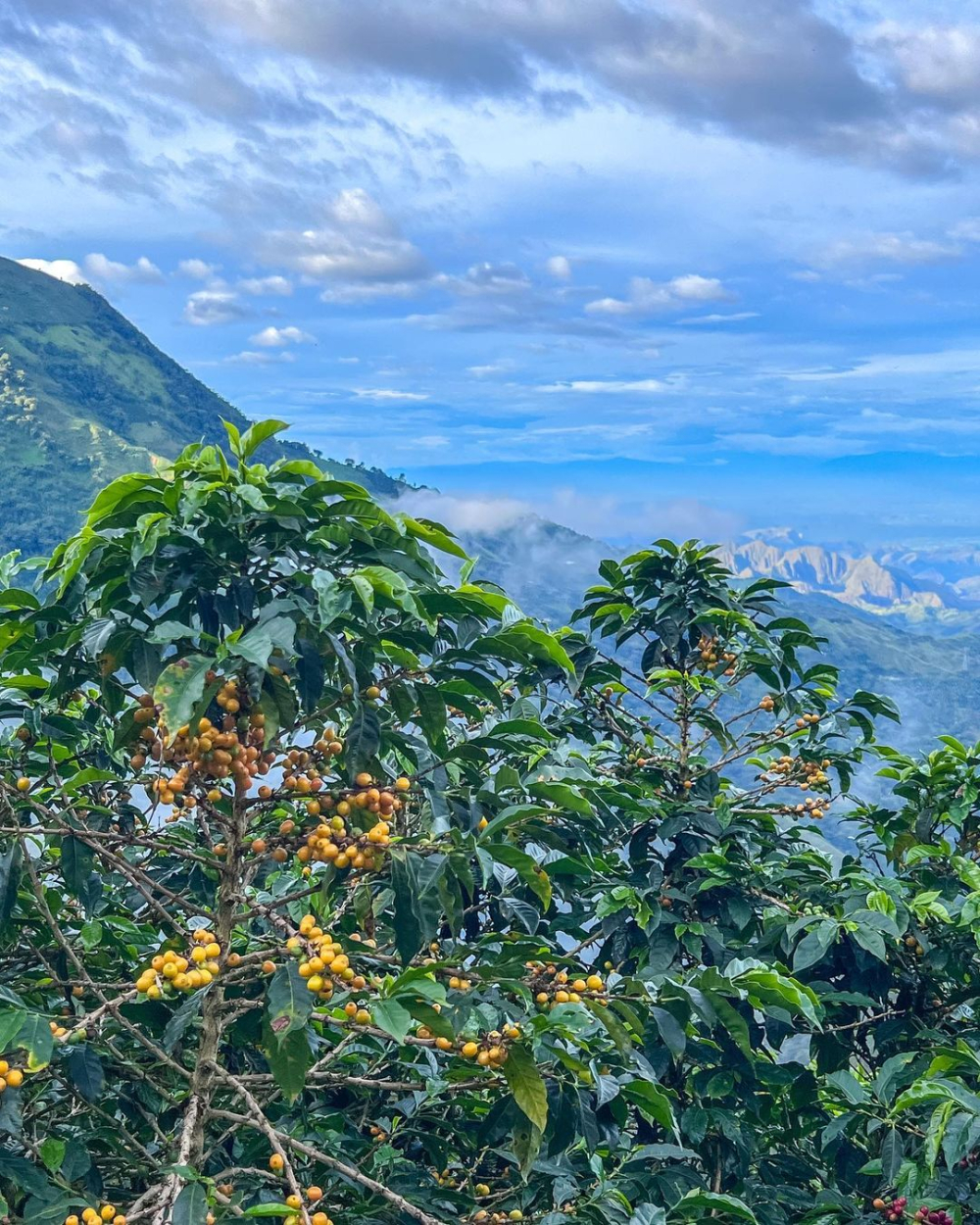
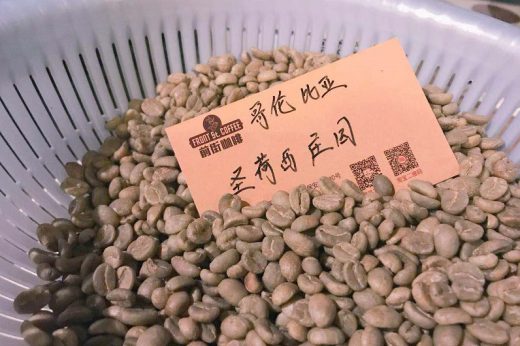
So what grade exactly is Colombian Supremo coffee? Its green bean grading system is based first on bean size, with the highest level being supreme screen 18+. So-called "supreme coffee beans" means that in a 500-gram green bean sample, at least 95% of the beans reach screen size 18 or above, being full and uniform.
During screening, green coffee beans are filtered through screens of fixed specifications, and the mesh size determines the size of the beans retained—the larger the number, the larger the beans that pass screening. The beans then need to have impurities and defective beans removed, and are graded according to defect rate and cupping performance. Defect rate assessment is divided into two categories: primary defects involve cup characteristics, such as black beans, moldy or sour-fermented flavors, with a maximum allowance of 12; secondary defects are related to appearance, including discoloration, breakage, and insect damage, with an upper limit of 60. Finally, based on the deduction result from the total number of defects, coffee is divided into three grades: AA, A, and G.
Each farmer must report the green bean number and related information to enable full traceability. Exported Colombian green coffee beans are usually named in the format "country + region + grade + other," for example "Colombia Huila Supremo SC17/18 FNC."

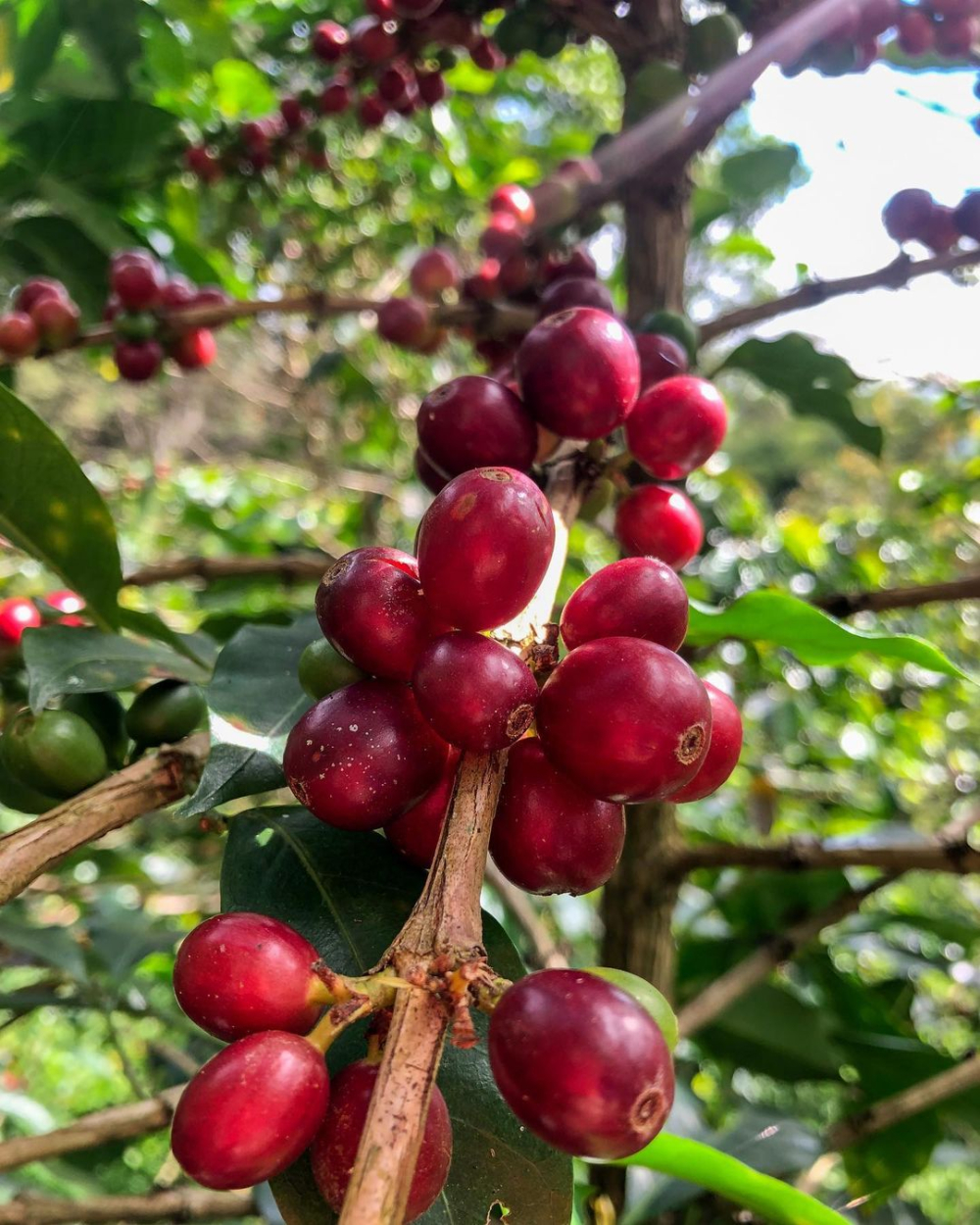

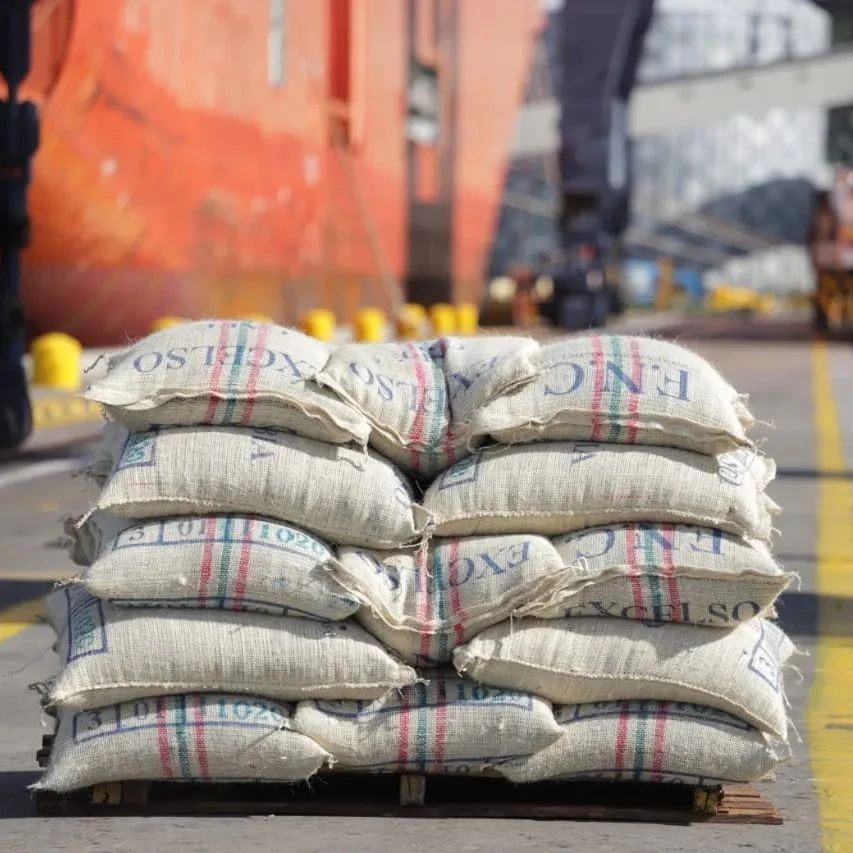
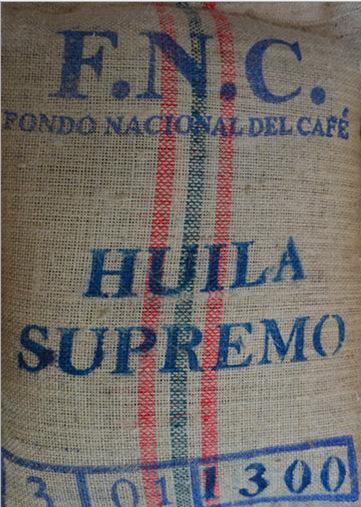
Colombia's coffee-growing regions are vast, and each region presents unique flavors due to geographical differences. Among them, Huila, Cauca, and Nariño in the south are the main producing areas for specialty coffee.
Huila Province is surrounded by mountains on all sides, with an average altitude above 1,500 meters. Several major rivers flow through it, providing abundant water and humid air. Cool monsoons in the valleys effectively regulate temperature, avoiding high heat while blocking cold winds, and the fertile soil brought by volcanic activity provides ample nutrients for Arabica coffee trees. The coffee beans produced here often have complex aromas and distinct fruit flavors.
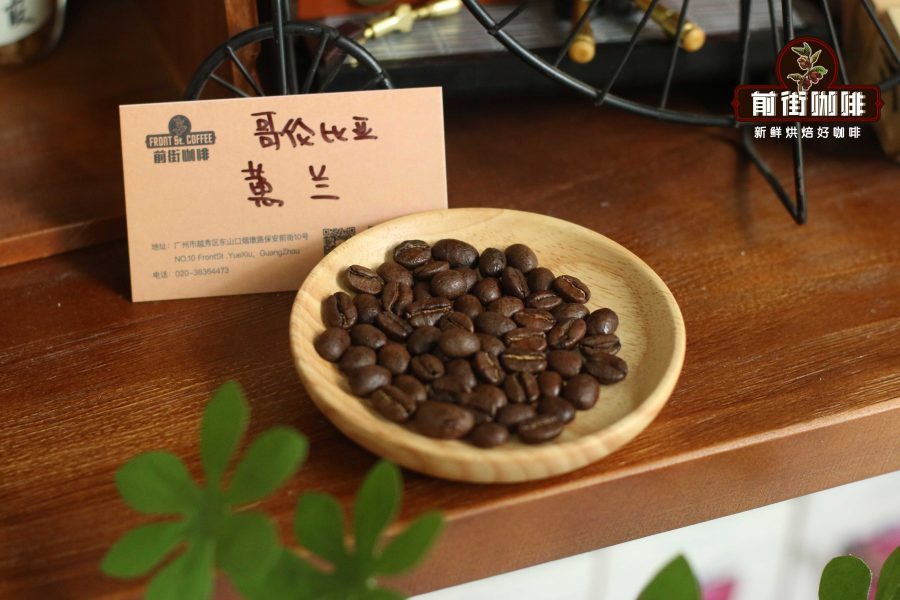
Huila coffee is known for its rich nutty and chocolate aromas, along with a full caramel sweetness. It is smooth and clean on the palate, fully demonstrating the typical characteristics of Colombian coffee. These features make it an entry-level favorite for many coffee lovers.
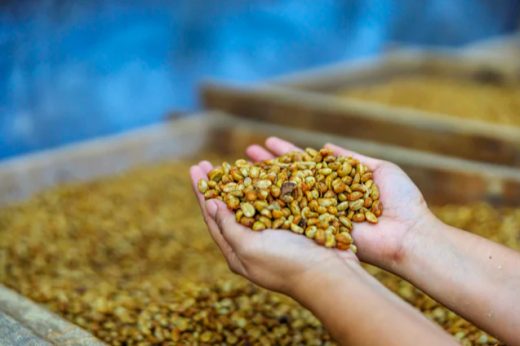
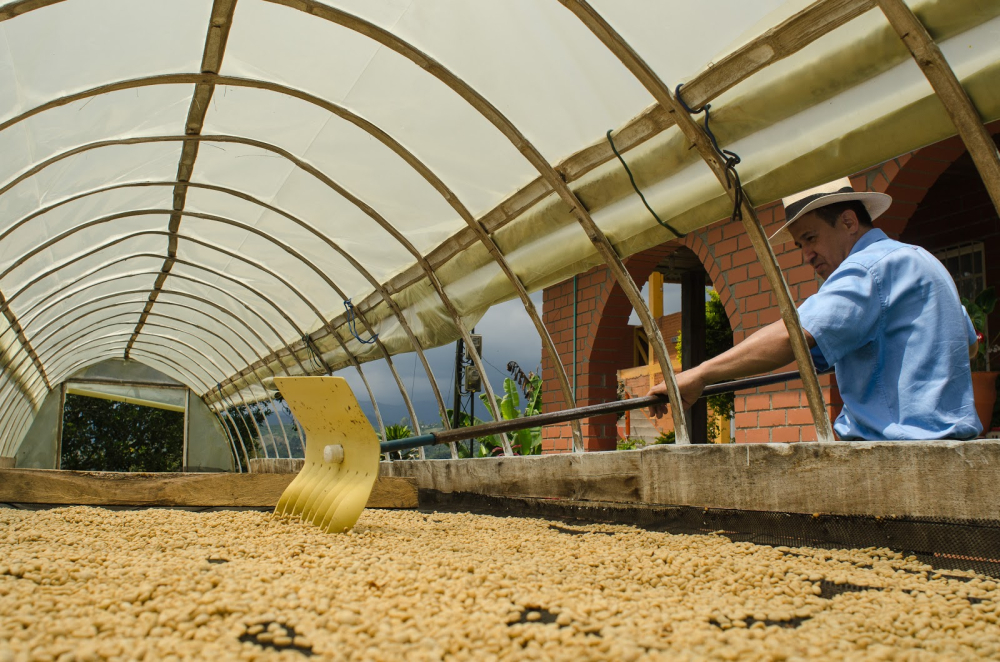
In washed processing, the traditional method can effectively highlight the coffee's regional flavor. Most farmers are equipped with professional pulping equipment. They place the parchment coffee, after the skin and pulp have been removed, into tiled fermentation tanks. After about 24 hours of fermentation, acids cause the pectin layer to separate. After fermentation, the beans are washed in flowing water channels to remove residual pectin, and finally spread out to dry until moisture content drops to 12.5%. This process not only removes pectin but also preserves the beans' fresh character, making the coffee flavor clearer and more refreshing.
Given the flavor characteristics of Huila coffee, a medium grind and moderate water temperature are recommended to avoid over-extraction. Specific parameters are as follows: use a KONO dripper, water temperature at 90°C, grind size with 75% passing a standard No. 20 sieve, and a coffee-to-water ratio of 1:15 (i.e., 15 grams of coffee grounds to 225 milliliters of water). Use a three-stage pouring method: first bloom with a small amount of hot water for 30 seconds, then pour in two stages to 125 grams and 225 grams, with a total extraction time of about 2 minutes. This method highlights its rich nutty and chocolate character while maintaining a clean and balanced mouthfeel.
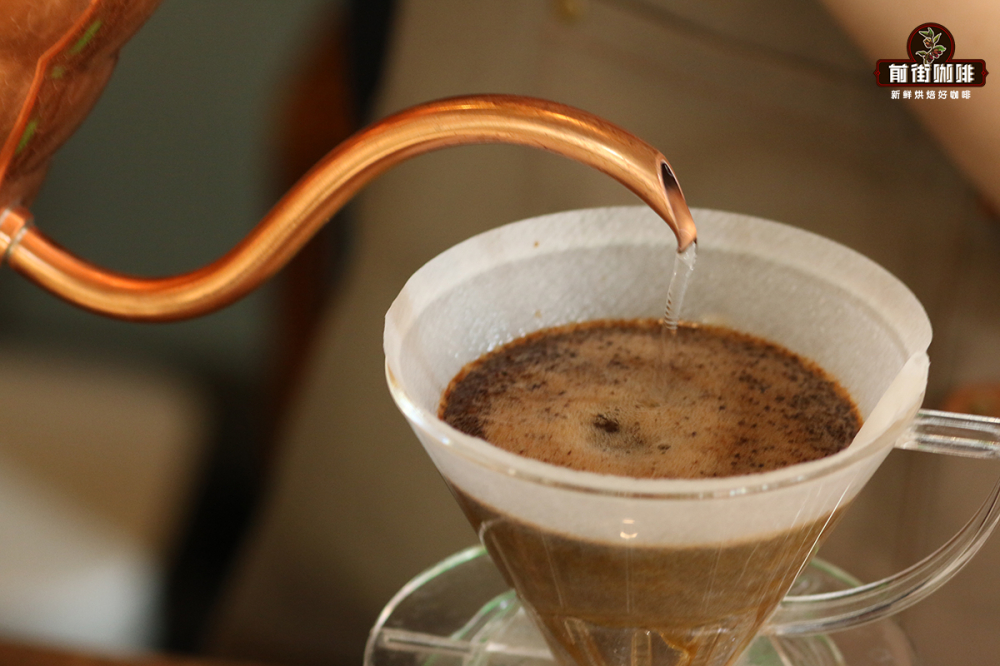
The final brewed Huila coffee gives off a distinct chocolate aroma, is smooth and sweet on the palate, and has a clean mouthfeel with no off-flavors, fully demonstrating the unique charm of coffee from this region.