Indonesia Mandheling Wet-Hulling Process Explained: Flavor Origins and Unique Craft
Introduction: Wet-hulling is Indonesia's most iconic coffee processing method, creating Mandheling's unique spice and earthy flavors. This article provides an in-depth analysis of the technical principles, operational procedures, and the resulting horse-bean characteristics and flavor expression of this special processing method. By understanding each step of wet-hulling, you will better appreciate the rich regional character of Mandheling coffee.
Background of Wet-Hulling
Indonesia's Sumatra and Java islands are the main producing regions for Mandheling coffee. The climate here is humid and rainy, with high humidity year-round. Frequent rainfall and typhoons make traditional natural processing difficult. In addition, local water resources are relatively limited, so washed methods that require large amounts of water are also unsuitable. Under these conditions, Indonesian coffee farmers adapted to local conditions and developed the unique wet-hulling method.
After Dutch colonists introduced coffee in the 17th century, wet-hulling was widely adopted in pursuit of faster economic returns because it greatly shortened drying time and reduced labor costs. Compared with other processing methods, wet-hulling allows coffee to reach the market faster, which also matched the profit needs of early commercial cultivation.
Operational Flow of Wet-Hulling
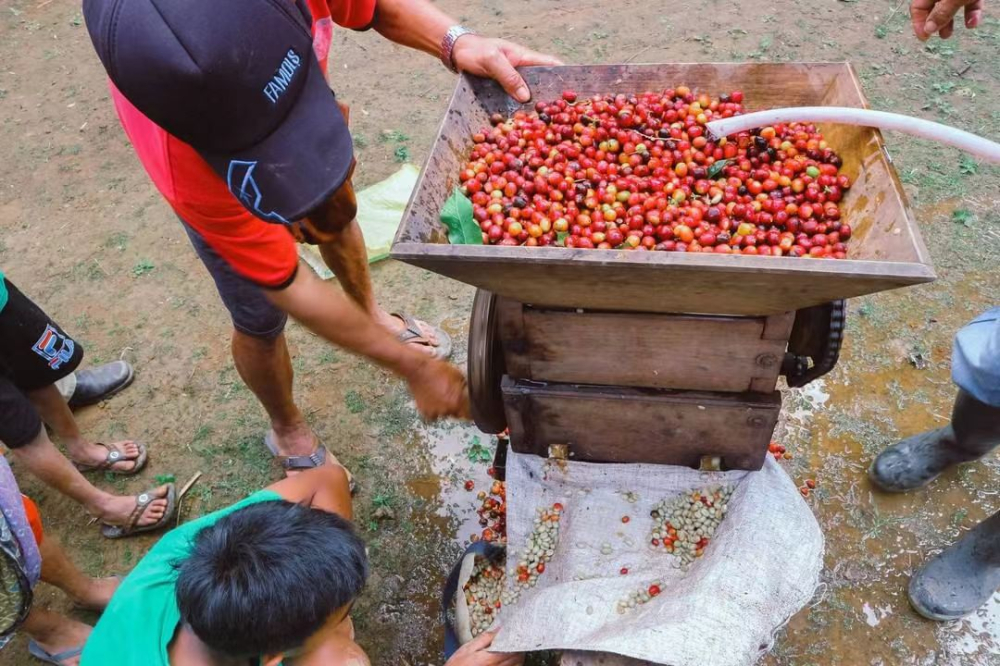
The overall wet-hulling process is relatively fast. First, the skin and pulp of the coffee cherries are removed, followed by a short fermentation. Next, the coffee beans enter a preliminary drying stage. After the moisture content drops to a certain level, the mucilage (pectin layer) is removed, and then most of the parchment layer (endocarp) is hulled off. At this point, the coffee beans are not yet fully dry, usually still at around 20%-24% moisture content. They are then further dried until the final moisture content is reduced to about 12%.
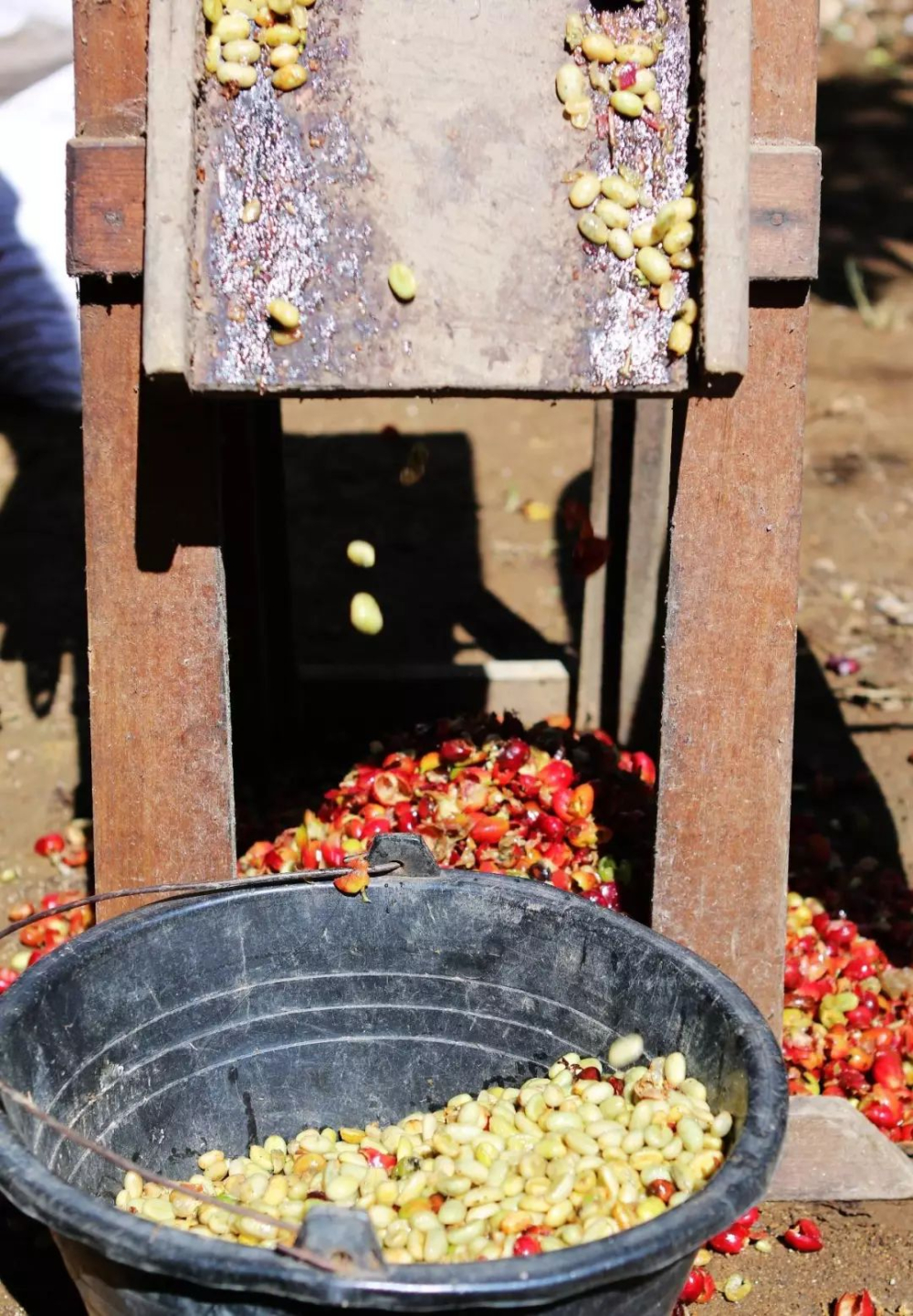
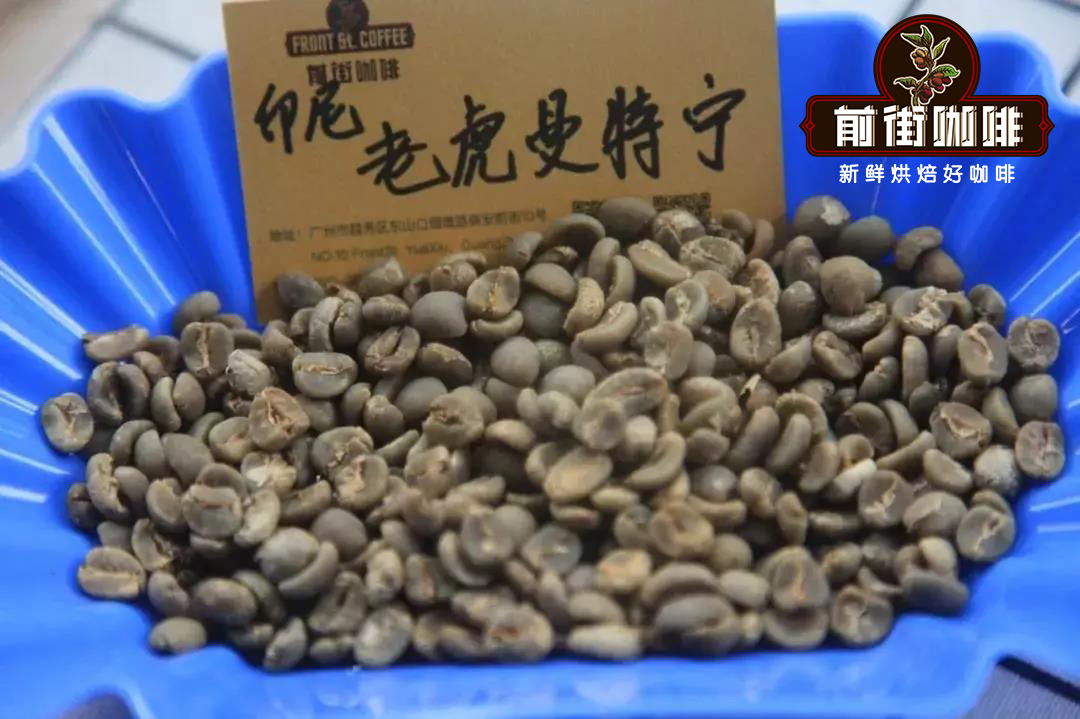
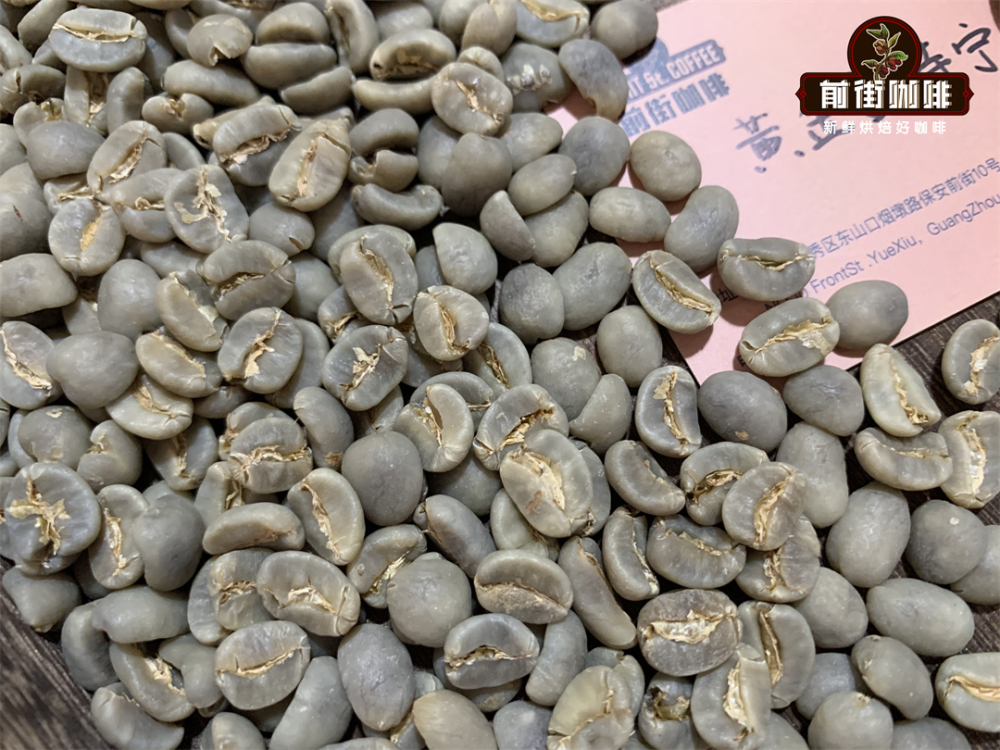
Because the outer protection is removed before the parchment is fully dry, the green bean structure is relatively fragile at this time. During mechanical or manual hulling, the beans are easily compressed, forming special cracks or depressions that often look like horse-hoof or sheep-hoof marks. This appearance is not a defect but a common characteristic under wet-hulling.
The "Horse Bean" Phenomenon Caused by Wet-Hulling
During wet-hulling, the coffee beans are in a semi-dry state, and their hardness is far lower than that of fully dried green beans. When hulling (removing the parchment), physical damage to the bean body easily occurs, forming small gaps or indentations that give the coffee beans a unique horse-hoof or sheep-hoof appearance. This is what the industry often calls "horse beans." This shape is a typical marker of wet-hulling and is one reason Mandheling coffee has high visual recognizability.
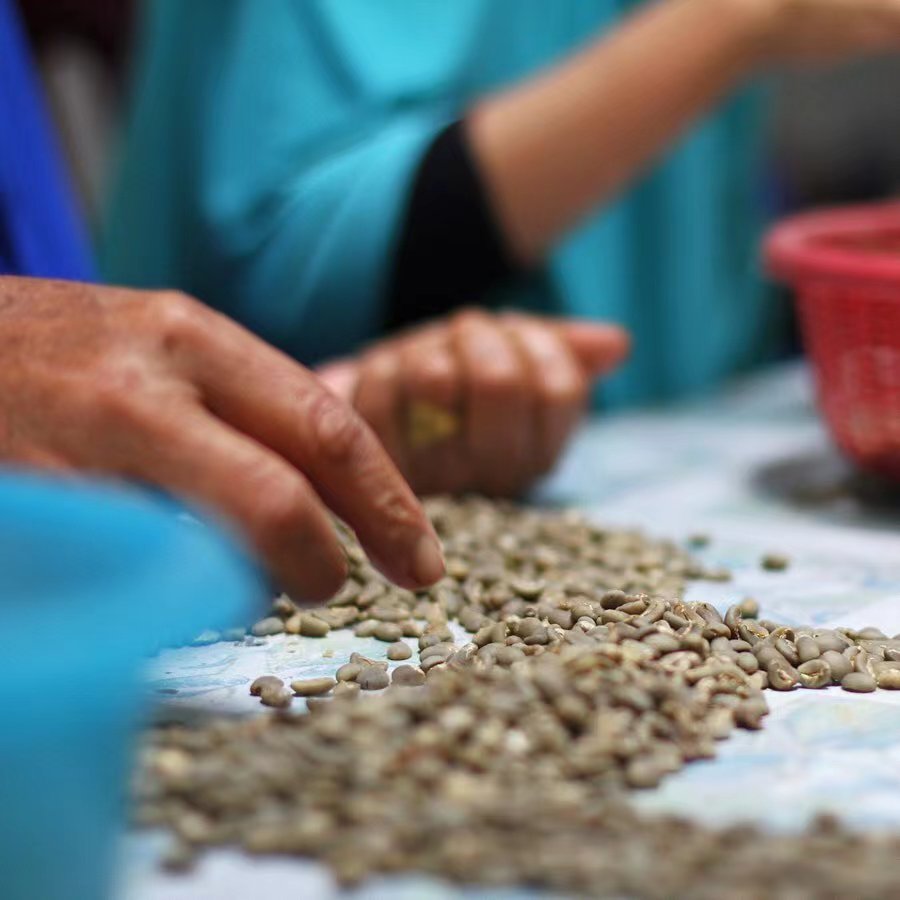
It is worth noting that although the fast processing flow of wet-hulling improves efficiency, it also increases the risk of defective beans. Therefore, many Indonesian processing plants carry out multiple rounds of manual sorting, usually including double-picked (DP) and triple-picked (TP). Among them, triple-picked coffee beans have a lower defect rate and more stable quality.
Impact of Wet-Hulling on Flavor
Wet-hulling gives Mandheling coffee a unique and intense flavor profile. Common descriptions include earthy notes, herbs, spices, nuts, caramel, and a slight chocolate tone. These flavors come both from varietal characteristics and from the wet-hulling process, which accelerates drying and preserves specific compounds.
Although wet-hulling may result in some coffee beans having lower acidity and a heavier flavor, it is precisely this process that gives Mandheling its distinctive regional character—full-bodied, rich, and with a highly recognizable "earth and spice" tone, making it a representative Indonesian flavor in the minds of coffee lovers worldwide.
Summary of Wet-Hulling Steps
1. Remove the skin and pulp of the coffee cherries
2. Brief fermentation to remove floating beans
3. Preliminary drying to reduce some moisture
4. Remove mucilage (pectin layer)
5. Hull off most of the parchment layer in a semi-dry state
6. Continue drying to a final moisture content of about 12%
7. Multiple rounds of manual sorting to remove defective beans
Each step affects the final coffee quality. In particular, hulling in the semi-dry state and subsequent drying play a key role in flavor and appearance.
By understanding the ins and outs of wet-hulling, you can not only gain a deeper understanding of why Mandheling coffee has its unique flavor, but also more accurately identify the sensory experience brought by this classic processing method when selecting and tasting. From the unique appearance of horse beans to the complex flavors of earth and spice, wet-hulling is undoubtedly an important part of Indonesian coffee culture that cannot be ignored.