The Origin of the Name Hualui Coffee: From TOH Champion to Version 8.0
Introduction: This article provides an in-depth analysis of the naming origin of Hualui coffee beans, the misconceptions about their connection to Geisha coffee, and the eight important version iterations from the first generation in 2017 to the present. It covers professional parameters such as growing region altitude, processing methods, and variety characteristics, and offers practical pour-over brewing suggestions and flavor profile comparisons to help you fully grasp the core knowledge of this Ethiopian natural coffee.
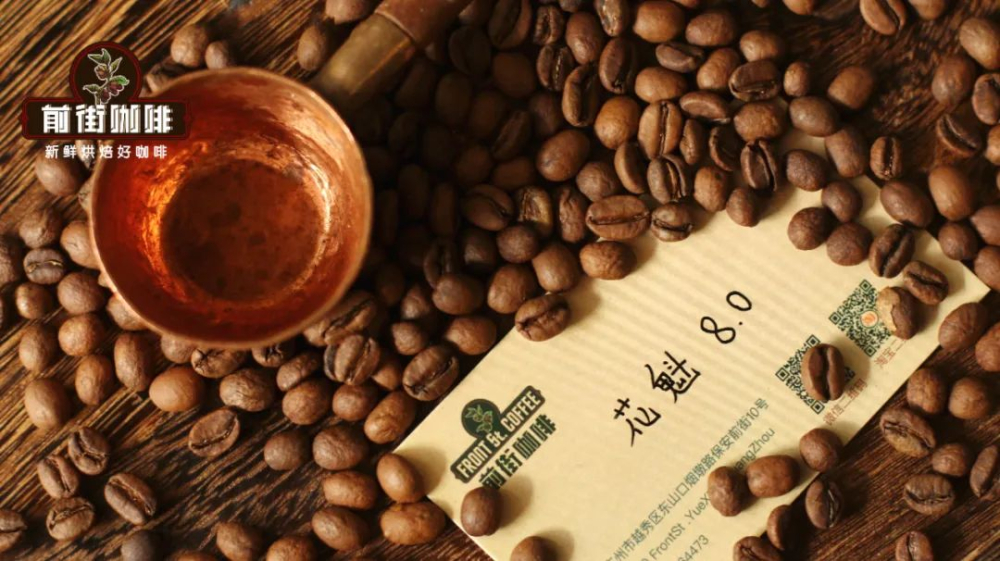
In coffee terminology, "Hualui" and "Geisha" are often associated, but they are actually different concepts. When the latest "Hualui 8.0" was released in 2024, many enthusiasts were still curious about the origin of this name.Image placeholder: 
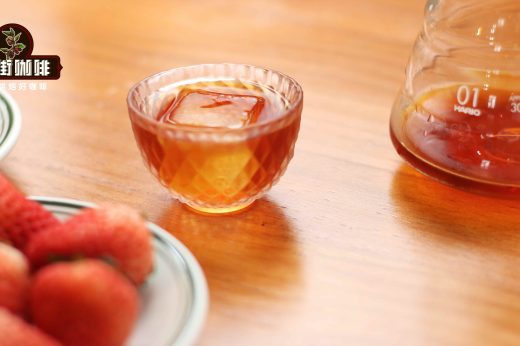
2017 was a key turning point—a natural process lot from Ethiopia's DW Green Bean Company won the TOH (Taste of Harvest) competition in the Ethiopian region. This lot came from the "Buku Abel" processing station and stood out with its intense strawberry and cream notes. In the same year, the runner-up of the China Brewers Cup used this coffee, and it performed brilliantly in a competition filled with Geisha coffees, thus earning the name "Hualui" (meaning the top of the Geisha).Image placeholder: 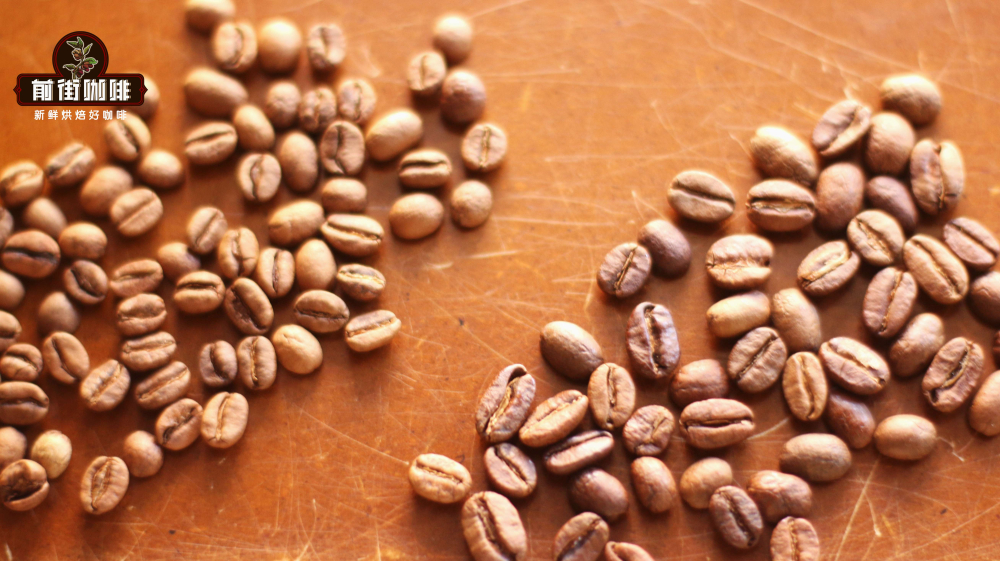
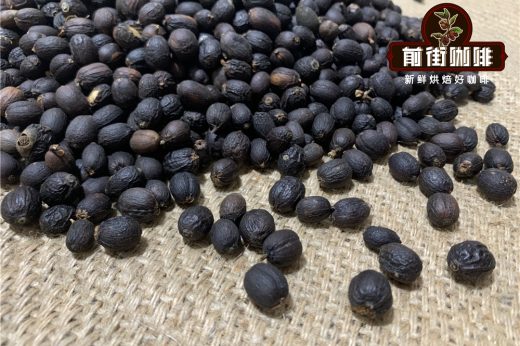
It should be specially noted: strictly speaking, the first generation Hualui refers only to the 2017 TOH champion lot. The subsequent versions 2.0 to 8.0 are all continuations from the same region (Sidamo Guji Hambela) Buku Abel processing station, distinguished by numerical iterations to indicate vintage and flavor differences.Image placeholder: 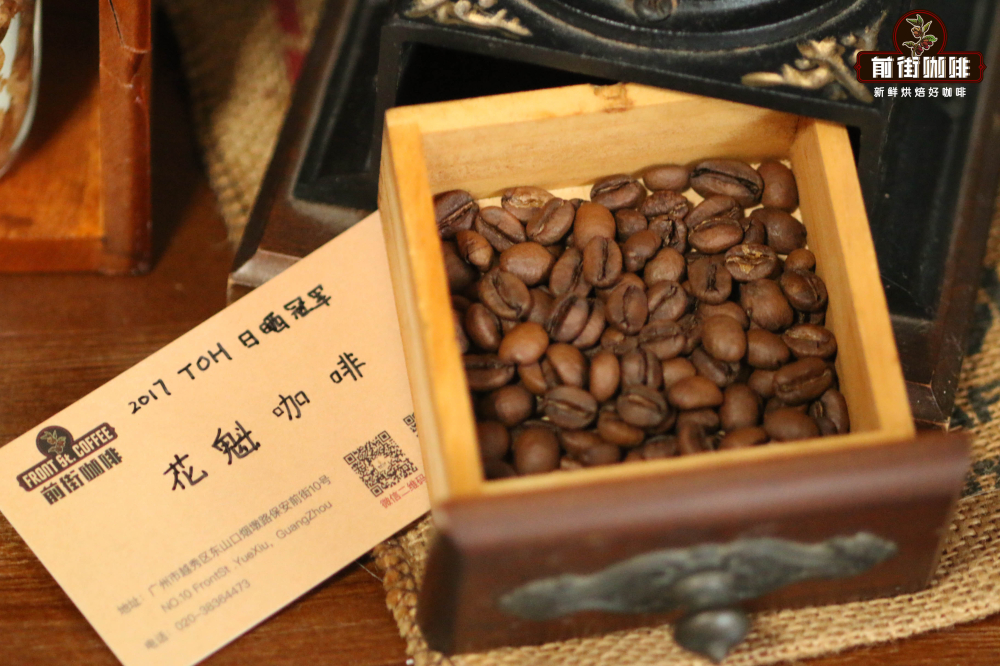
Taking the 6.0 version from the 2022 crop year as an example, it was still imported by a Beijing importer, but the flavor had evolved with the year: 3.0 focused on strawberry aroma, 4.0 strengthened berry sweetness, and 5.0 displayed citrus and yellow floral notes.Image placeholder: 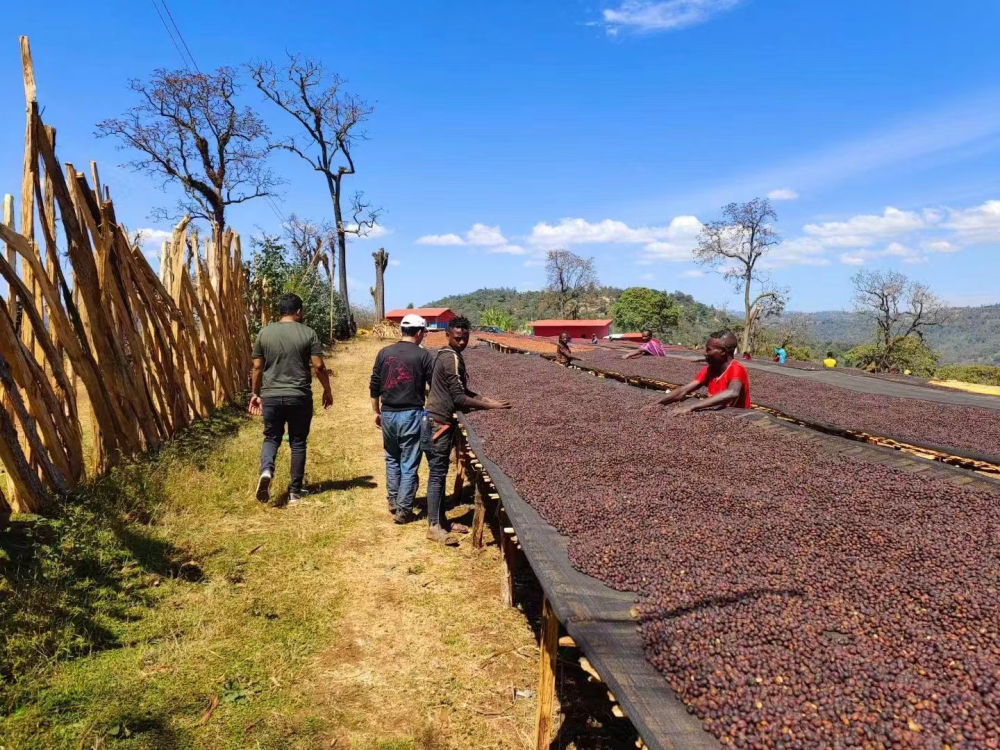 To judge authenticity, one should not rely on flavor but should confirm whether it comes from the Hambela region supply chain of Hongshun Trading Company.
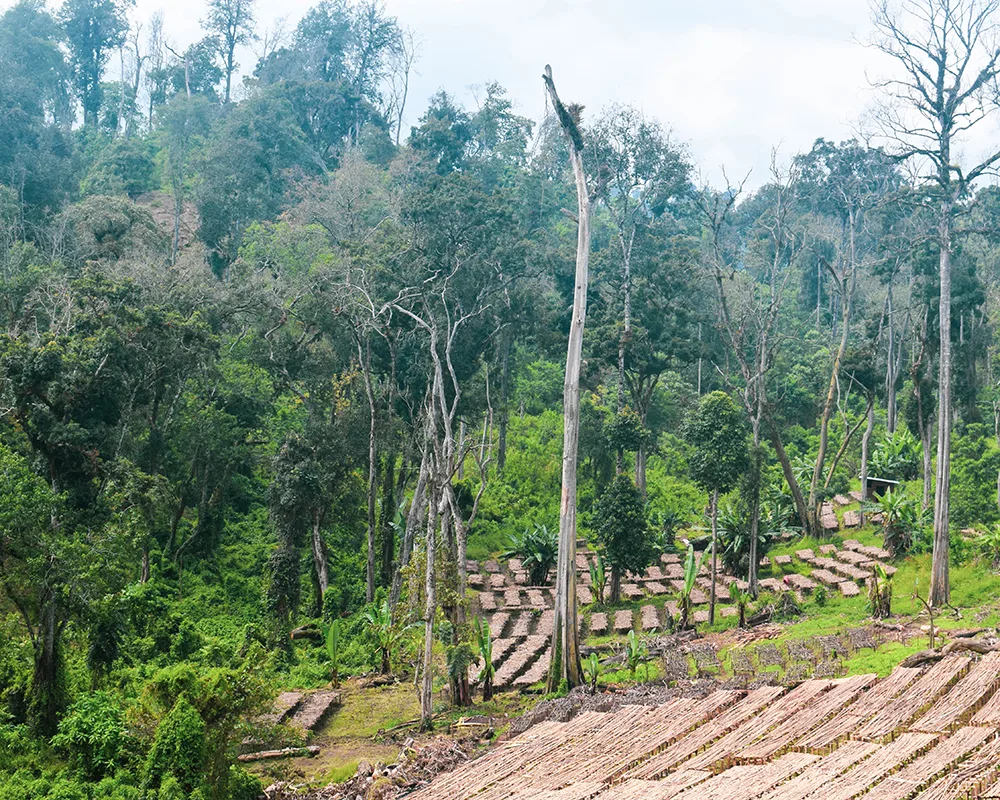
The core production area is located in an indigenous tribe area at an altitude of 2250-2350 meters in southeastern Ethiopia, where coffee trees grow alongside native banana forests. The Dega variety (used in Hualui 4.0) that was shortlisted in the 2020 CoE competition has a unique background: its name may come from the aroma of lighter wood, or from the Ethiopian phrase meaning "highland shade."Image placeholder: 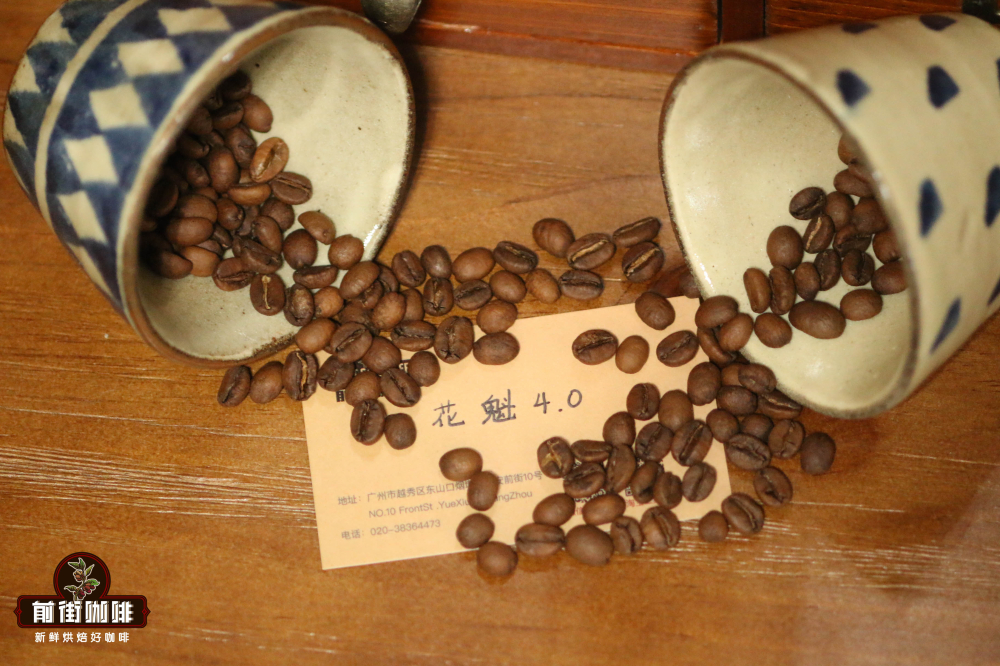
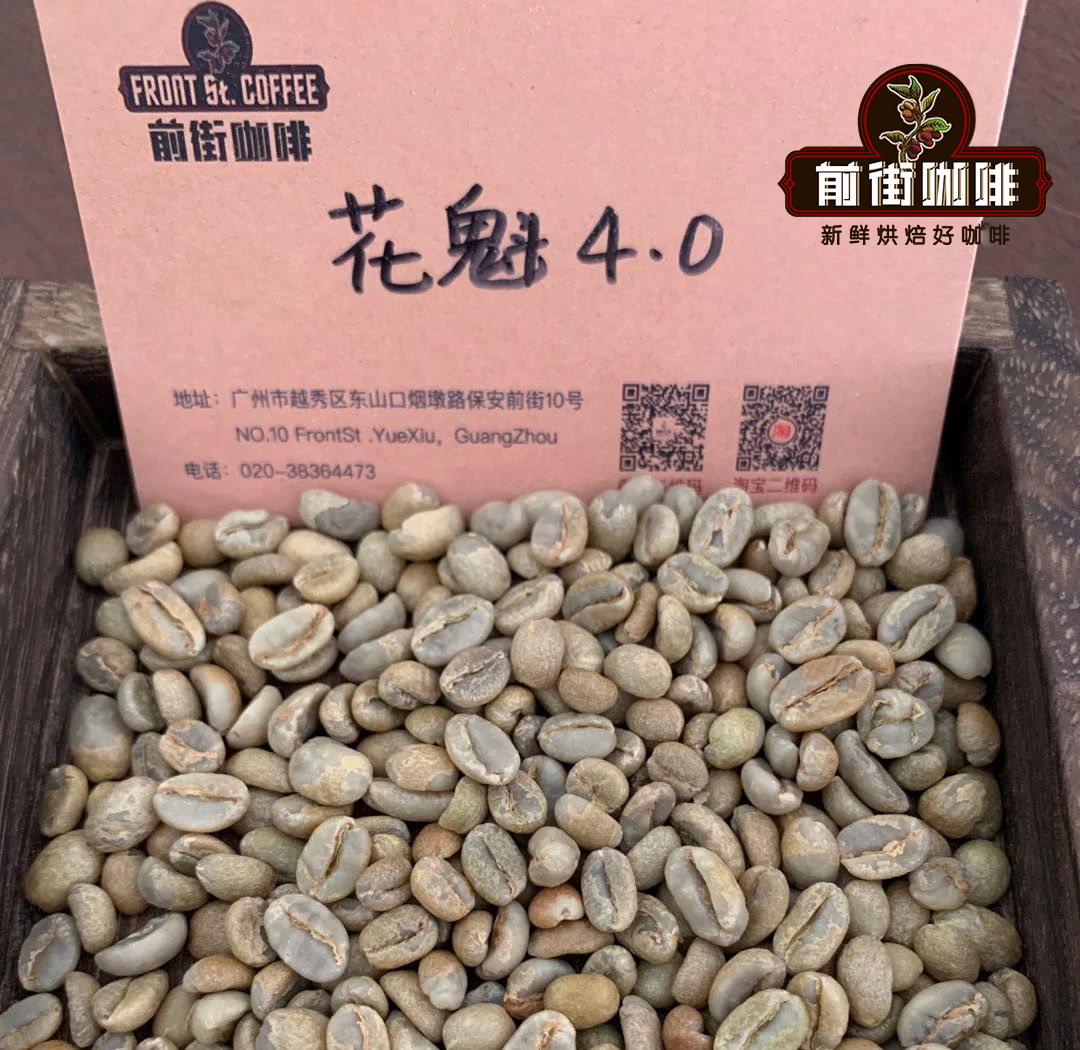
In terms of processing, DW Company has expanded to four processing stations including Buku Saysay since 2019, but consumers usually cannot trace the specific source. The 2021 5.0 version had larger and more uniform beans due to a mix of different screen sizes.Image placeholder: 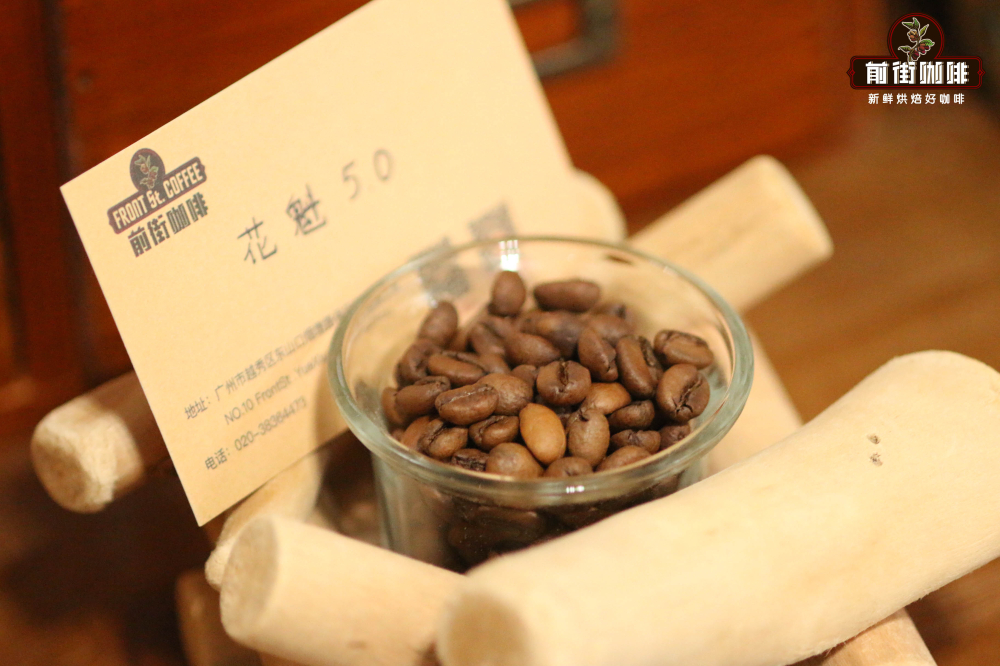
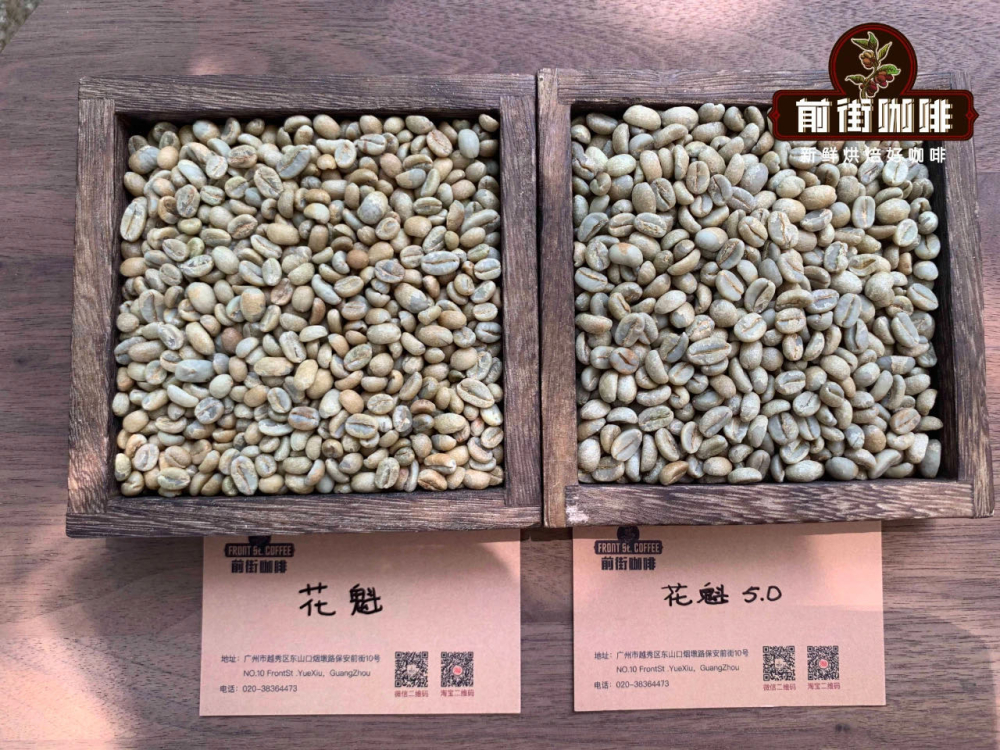
Pour-over recommended parameters:
• Dripper: V60
• Water temperature: 90°C
• Coffee-to-water ratio: 1:15
• Grind size: 80% passing a No. 20 sieve
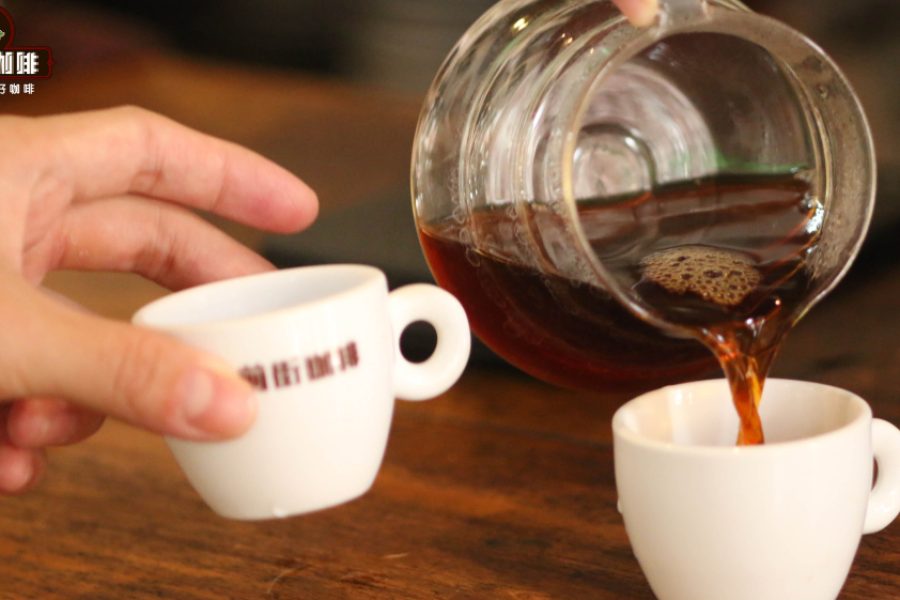
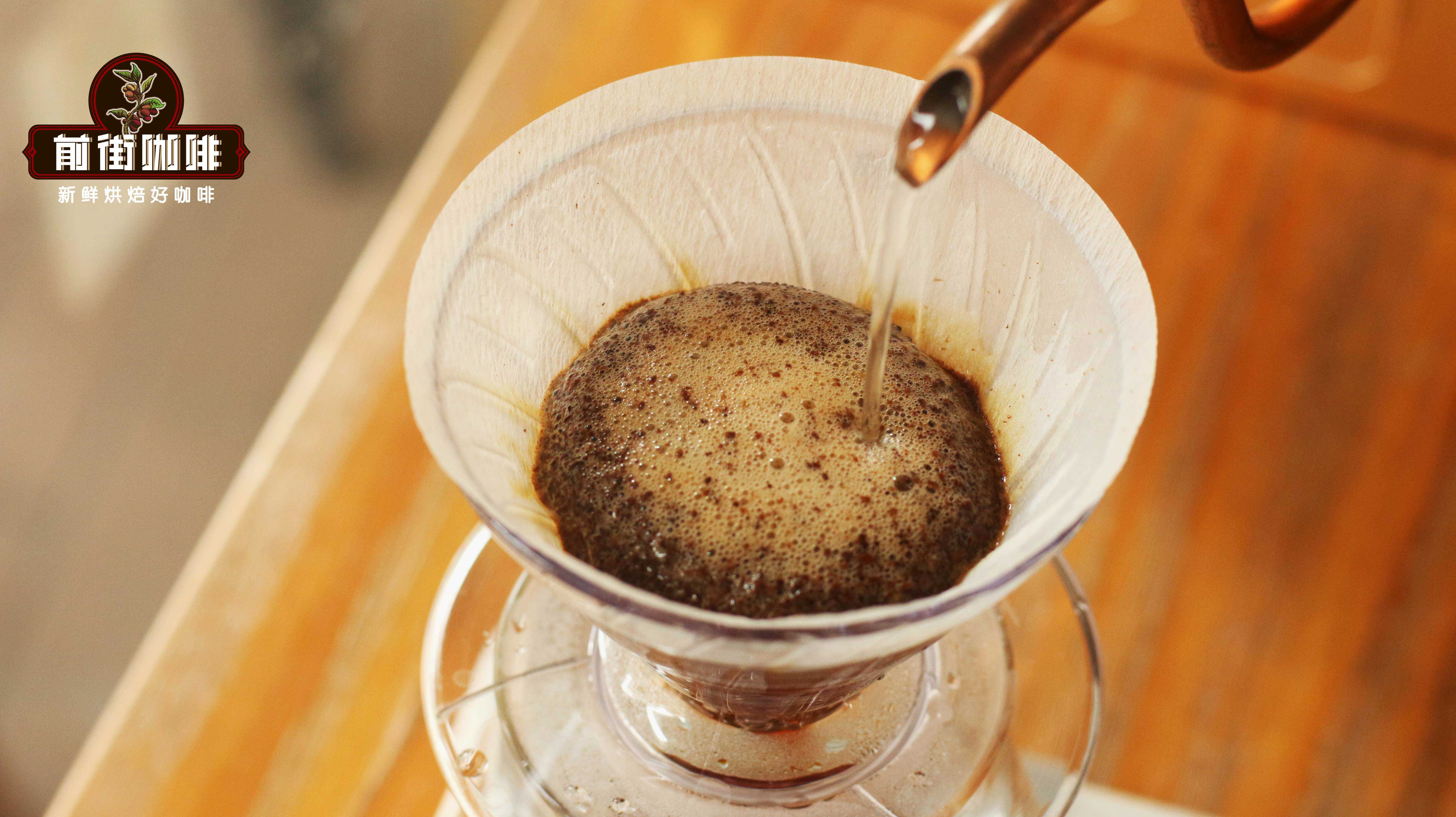
Three-stage pouring: 30g bloom → 120g second pour → 90g final pour, total time 2 minutes 05 seconds; pay attention to heat control during the first crack stage.Image placeholder: 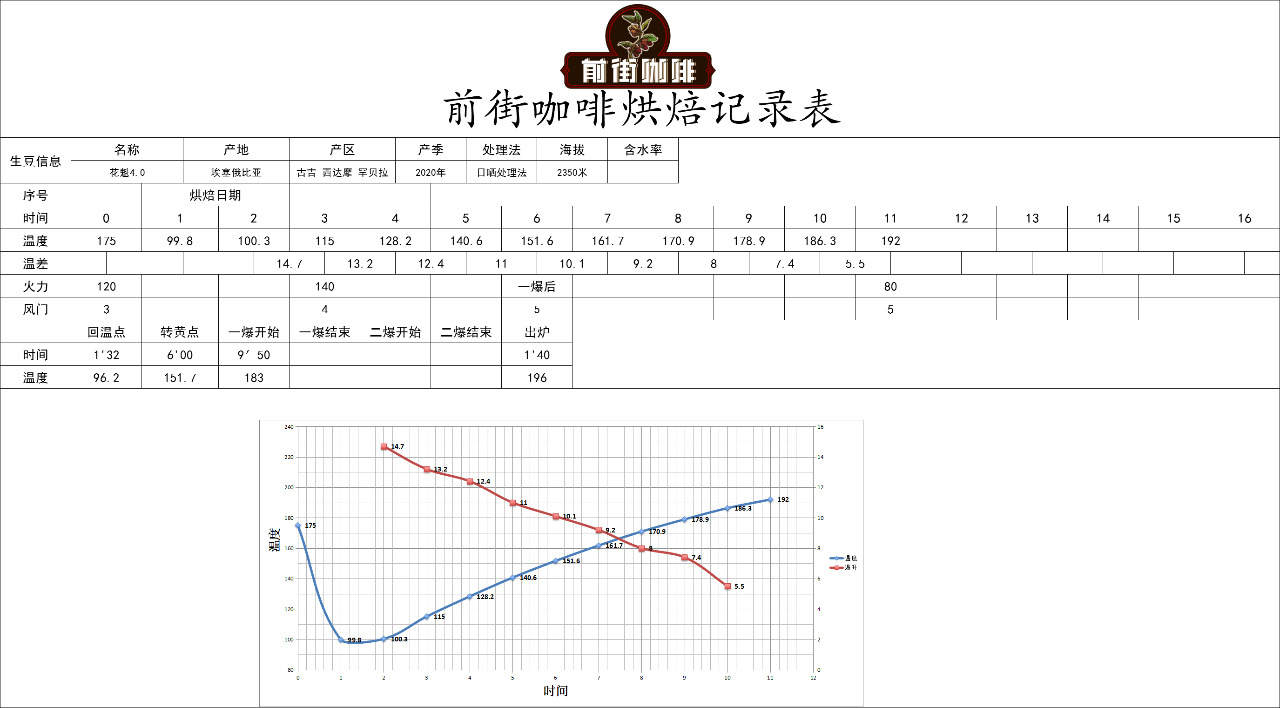
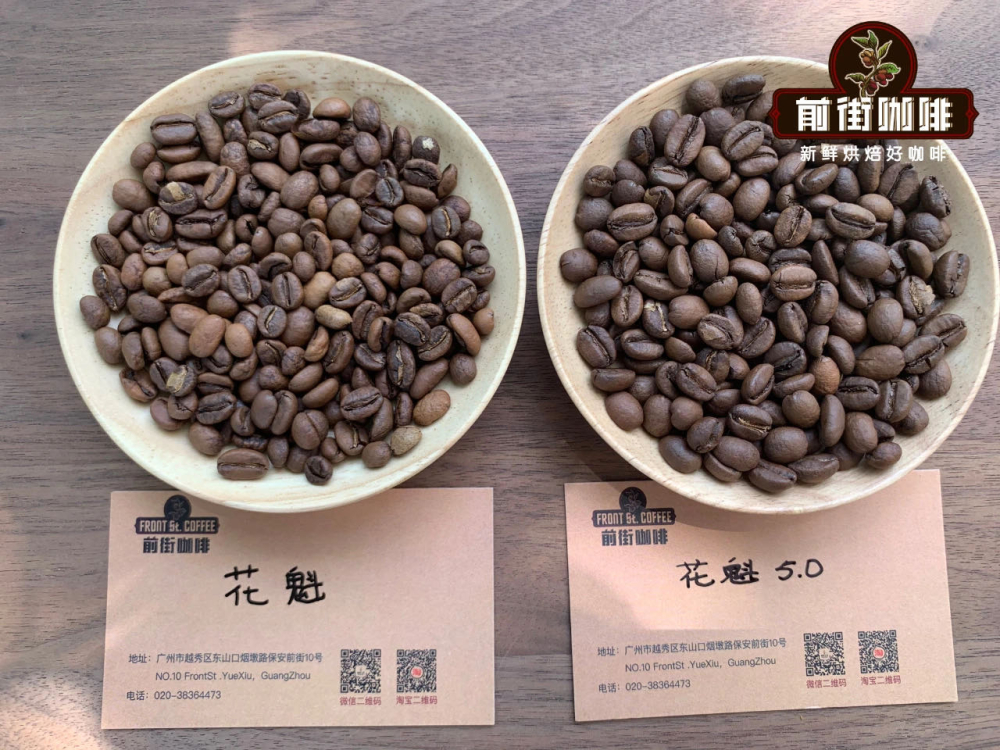
Flavor evolution track:
- First generation: strawberry/cream (typical natural)
- 4.0: prominent berry sweetness
- 5.0: citrus + floral
- 8.0 (2024): jackfruit/apricot/juicy
The latest version uses a medium-light roast to balance floral and fruity notes with caramel sweetness.Image placeholder: 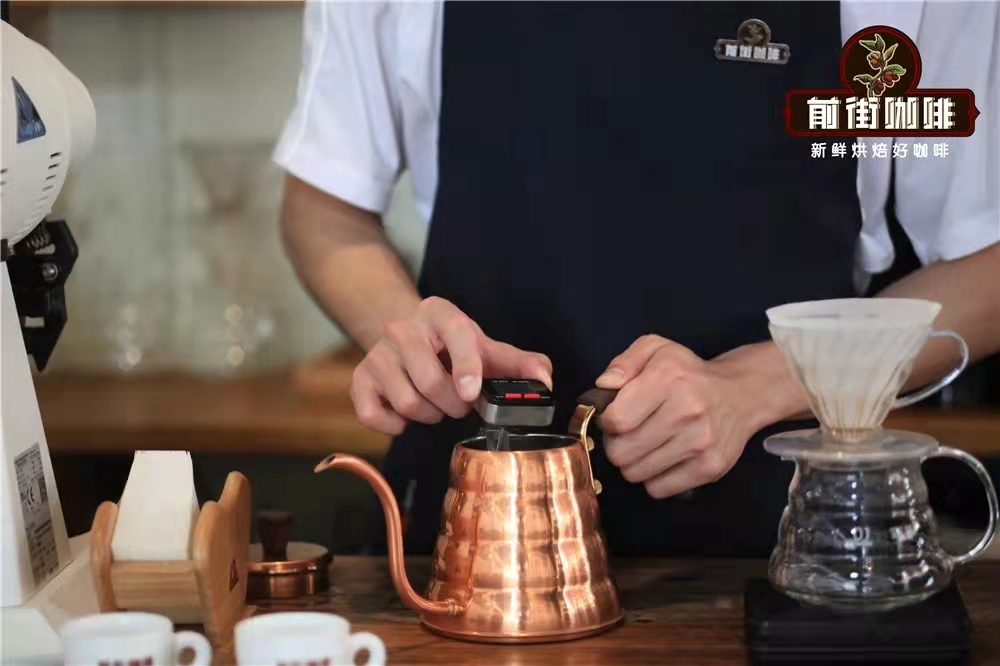
Common misconception reminder: Hualui has no direct connection to Japanese Geisha coffee (Geisha), which originates from Hacienda La Esmeralda in Panama. Authentic products can be accurately identified by region (Hambela), processing method (natural), and numerical version number.Image placeholder: