How to Choose Espresso Beans: Blends vs. Single Origin and Extraction Parameters
Introduction: Want to know what coffee beans to use for espresso? From the consistency of blends to the flavor characteristics of single origins, this article explains the logic behind choosing beans for espresso. It also provides practical parameters such as professional dose-to-yield ratios and extraction times to help you master the core techniques of espresso, whether for home or café use.
People often ask whether all coffee beans are suitable for espresso. Technically, both arabica and robusta can be used to extract espresso, but if you are after flavor performance, the answer is not necessarily yes. The espresso we usually drink in cafés is mostly made with blended coffee beans, and there is a reason for that. So what roles do blends and single origins play in espresso? How should the dose-to-yield ratio and extraction time be set when extracting espresso? Let us answer these one by one.
Why do most espressos use blended beans? The key lies in consistency and flavor layering. A blend is made by combining multiple coffees in specific proportions. Through combinations of different origins, processing methods and roast levels, it not only brings a rich mouthfeel but, more importantly, ensures that every extraction maintains flavor consistency. This consistency is extremely important for commercial cafés or daily home use.
For example, a common blend might include beans from Indonesia, Brazilian beans and Vietnamese beans, or even a portion of robusta. Such a blend achieves a balance between body and aroma while enhancing the coffee's crema performance, making it particularly suitable for milk drinks such as lattes and cappuccinos, and also good for latte art.
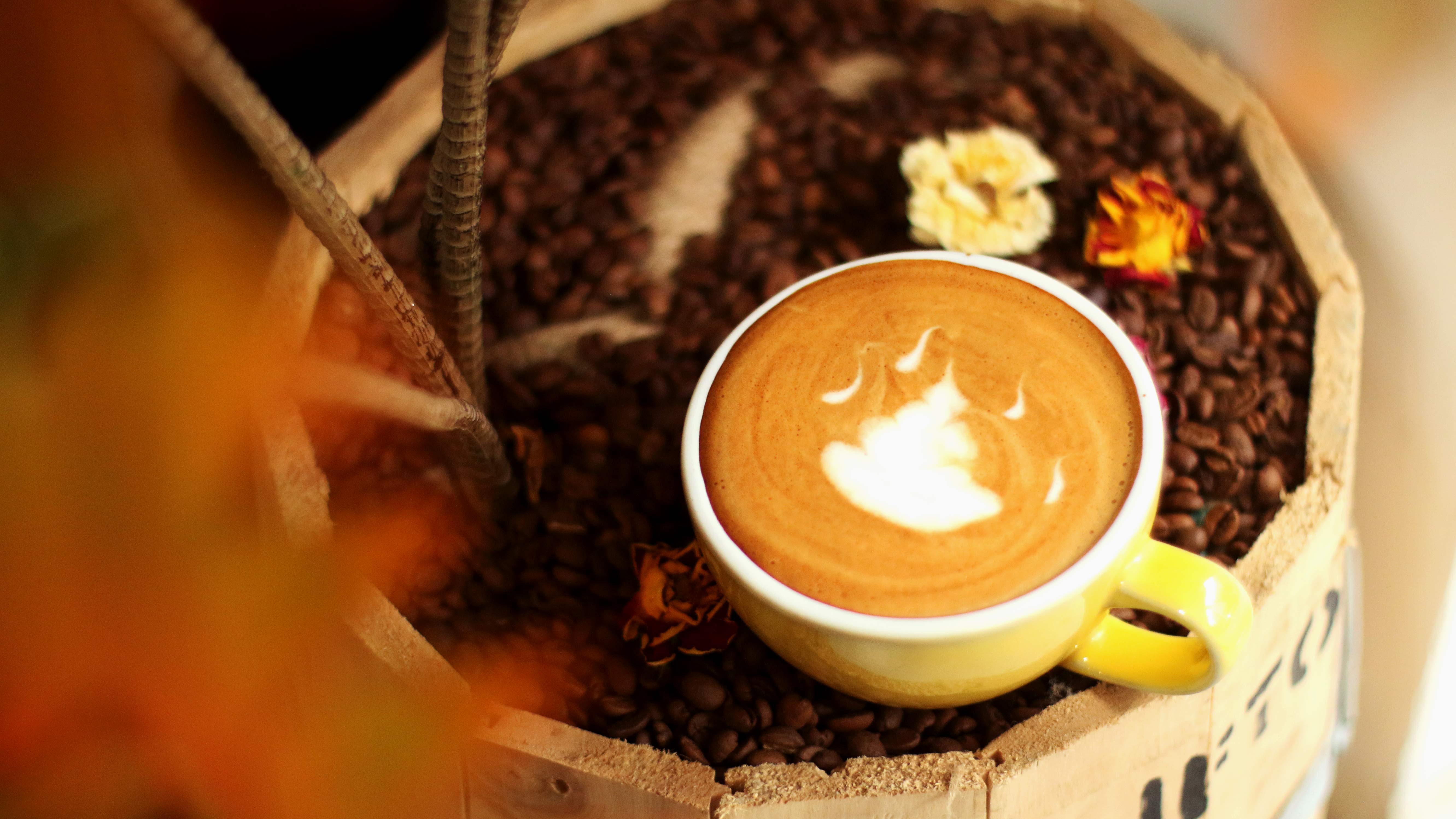
Some blends are specially designed to enhance sweetness and complexity, for example by adding honey-processed beans with fermented aromas, or by combining fruit notes from different regions to give the espresso more flavor layers. This kind of blend design not only considers flavor complementarity but can also adjust body and the sweet-acid balance according to needs, meeting different drinking occasions.
So what happens when you make espresso with single origin coffee beans? This type of coffee is usually called SOE (Single Origin Espresso). SOE retains the unique terroir characteristics of a specific region, such as citrus, berry or floral notes from certain regions. However, precisely because its flavor is relatively distinct and concentrated, these characteristics are further amplified under high-pressure espresso extraction, which brings both advantages and challenges.
For example, washed Yirgacheffe shows bright citrus acidity in filter brewing, but once extracted under high pressure in an espresso machine, it easily produces an overly sharp acidity that affects the overall taste. Therefore, not all single origin beans are suitable for making espresso directly; roast level and extraction plans need to be carefully adjusted according to the bean's characteristics.
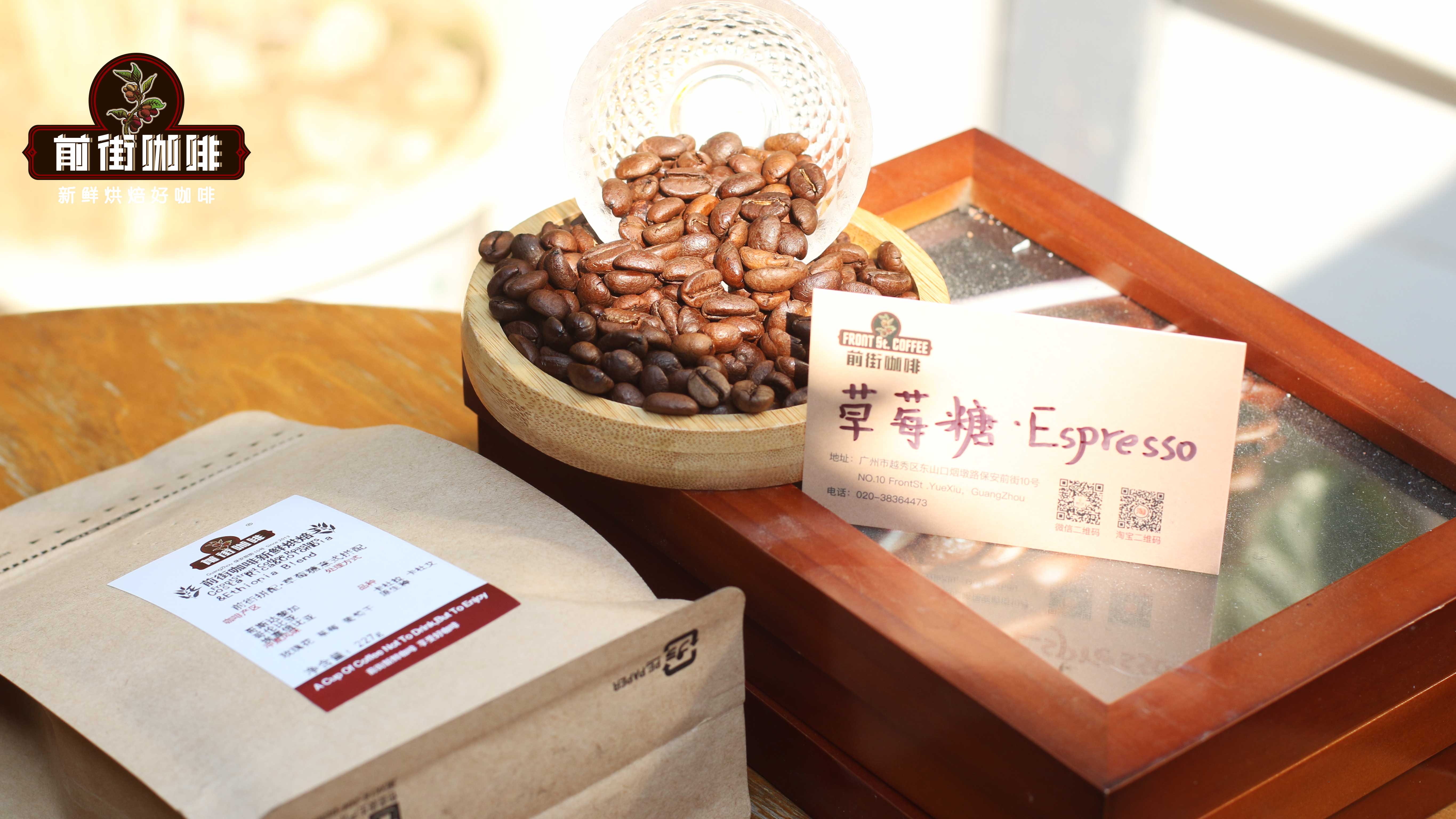
If you insist on using single origin beans for espresso (i.e., SOE), there are several key points to note: the roast level is usually on the medium-light side to preserve the regional flavor characteristics, but this also makes the flavors harder to extract fully. To improve extraction efficiency, it is recommended to grind finer, extend the extraction time, and possibly increase the dose of coffee grounds to ensure that flavor compounds are fully extracted.
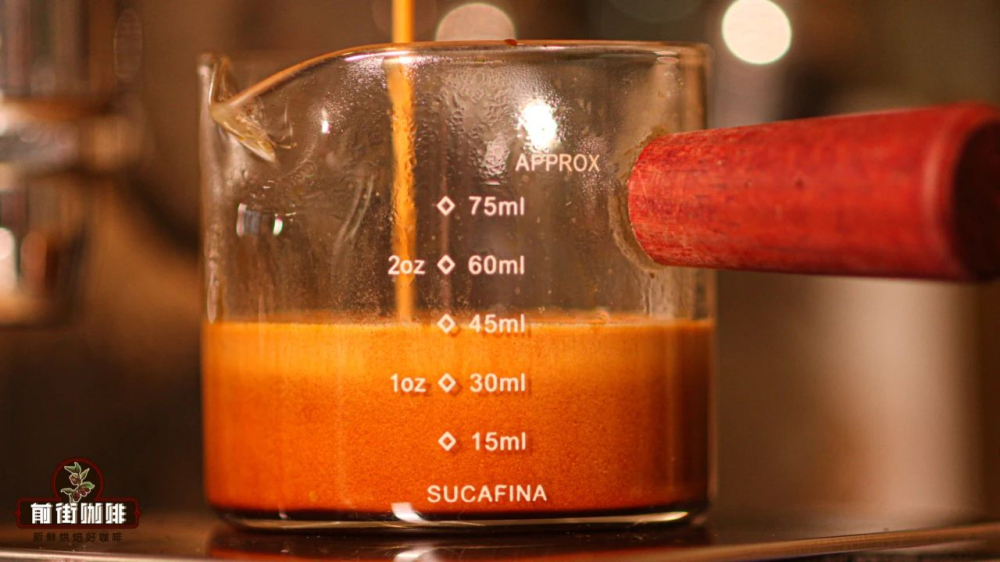
Below is a set of reference extraction parameters for SOE, suitable for most home or commercial semi-automatic espresso machines, though the specific values may need slight adjustment depending on equipment differences; please fine-tune according to actual conditions:
Dose: 20 g
Liquid yield: 40 ml
Extraction time: 28–35 seconds
Dose-to-yield ratio: 1:2
Grind size: approximately -1.7 marks from the Q18 setting (medium-fine grind)
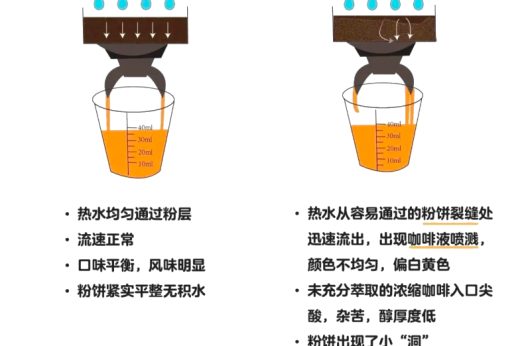
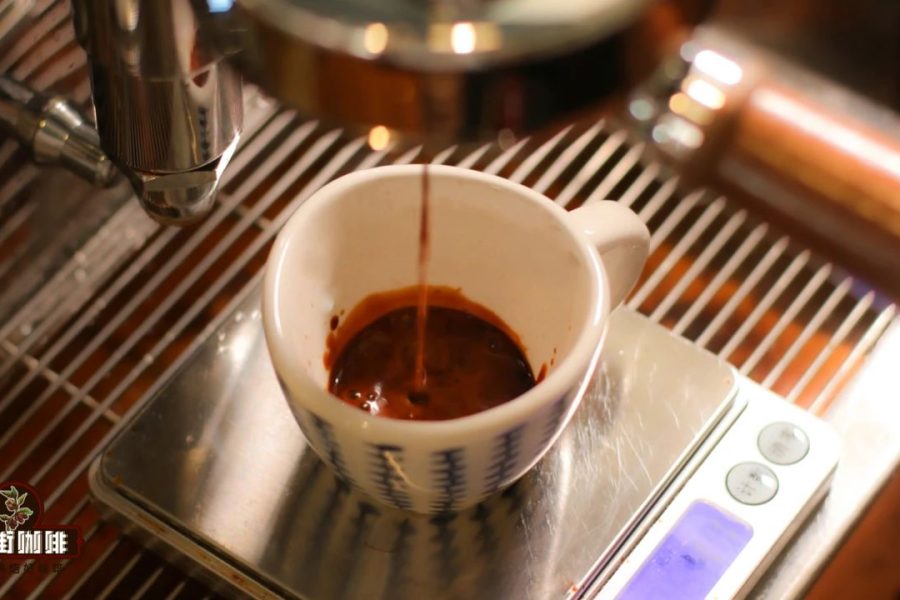
Operating suggestions: dry the portafilter basket, then fill it with 20 g of coffee grounds, use a distribution tool to spread them evenly, and then tamp the puck with a tamper. Start the espresso machine and observe the flow rate, stopping when the coffee liquid reaches 40 ml. Because this type of SOE coffee is itself quite concentrated, it is recommended to dilute it with water to make an americano, or add fresh milk to balance the flavor.
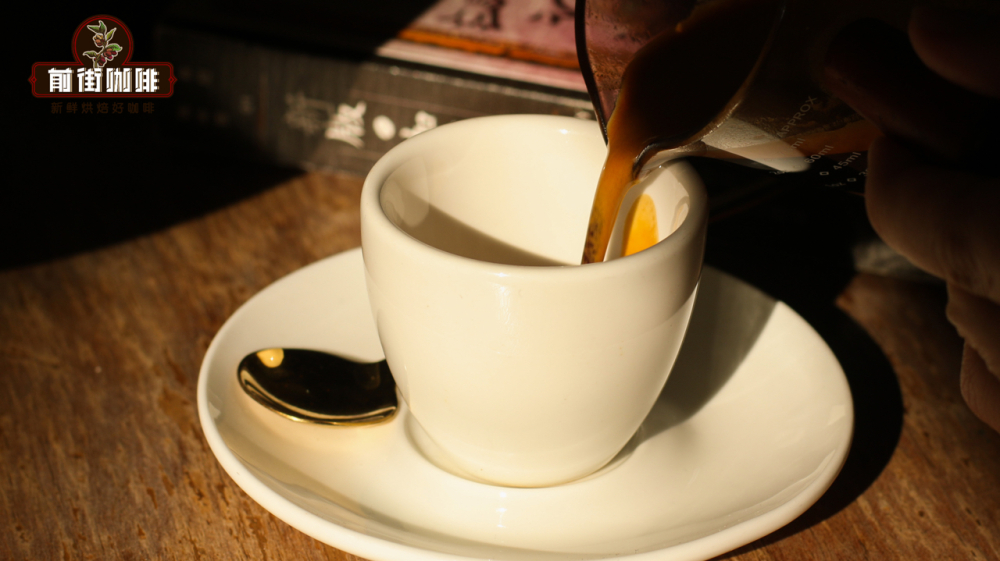
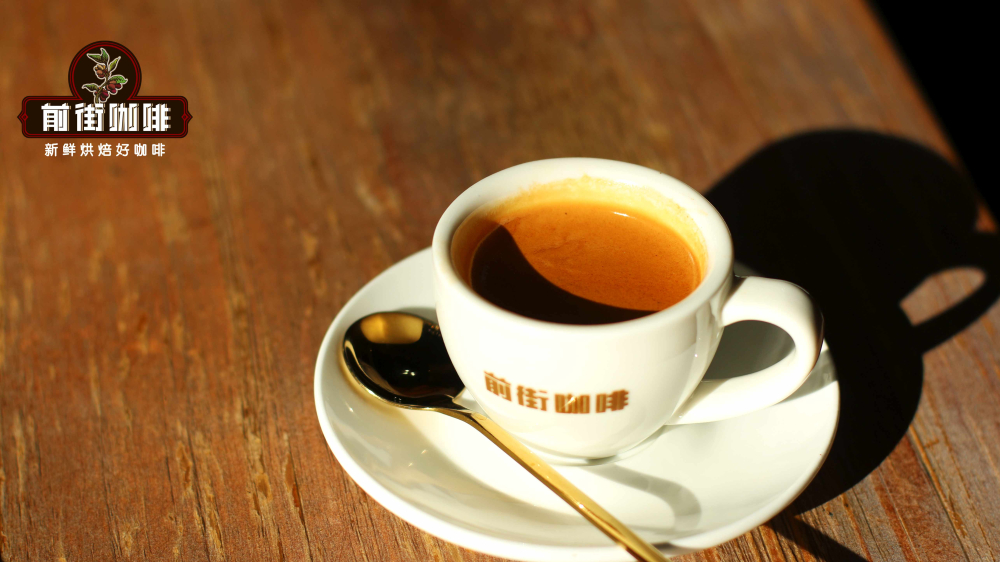
In terms of flavor performance, a high-quality SOE espresso usually has distinct fruity acidity, sweet aromas and fermented notes, such as citrus, berry and floral, with a rich mouthfeel and layered complexity. But precisely because of its distinctive character, it places higher demands on bean quality, roasting and extraction, making it suitable for advanced coffee enthusiasts who pursue flavor.
In summary, when choosing espresso coffee beans, blends are known for stability, balance and versatility and are the first choice for daily and commercial use; single origins better express regional characteristics and are suitable for exploring flavor depth, but require more precise roasting and extraction control. Whichever you choose, mastering the dose-to-yield ratio, grind size and extraction time is the key to making a good espresso.