African vs. American Coffee Beans: Flavor Differences and Origin Guide
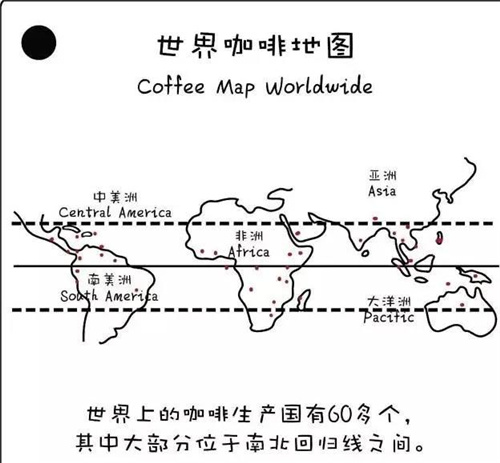
Introduction: Africa and the Americas are the world's two core coffee-producing regions, each cultivating specialty coffee beans with strikingly different flavors. This article provides an in-depth analysis of classic coffee bean characteristics from Ethiopia, Kenya, and other African origins, compares them with the differentiated expressions of American producing regions, and covers everything from aroma layers and sweet-acid balance to processing methods, helping you grasp the core differences between the two major regions and key purchasing points to improve your coffee-tasting ability.
As the birthplace of coffee, Africa is known for its beans' vivid fruit aromas and lively acidity. Ethiopia, a representative producing region, yields beans that often carry bright orange notes accompanied by tropical fruit and jasmine; Kenyan coffee is distinguished by intense berry aromas and a sourness reminiscent of umeboshi juice, paired with the clean sweetness of sugarcane to form a unique flavor layering. These regions mostly use the natural (sun-dried) method to process green beans; although bean shape may be uneven and the defect rate slightly higher, this method preserves fuller fruit aromas and regional character.
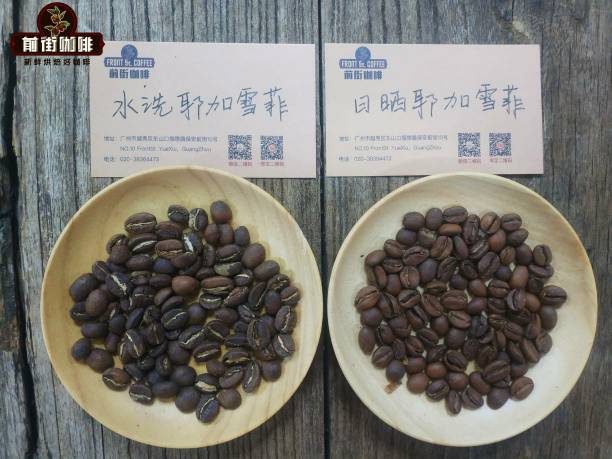
Ethiopia has a deep coffee culture; the tradition of fully hand-picking wild coffee beans is still preserved today, and a highly visual coffee ceremony has developed. The country's producing regions are clearly differentiated—for example, Yirgacheffe uses the washed method to highlight fresh citrus-like acidity, while Sidamo often uses the natural method to give coffee a mellow berry flavor. Notably, the original varietal of the world-renowned Panama Geisha coffee comes from Ethiopia, confirming the region's important status as a coffee gene pool.
Kenyan coffee enjoys unique growing conditions—high-altitude volcanic soil causes coffee trees to grow slowly, allowing the fruit to accumulate more flavor compounds. Unlike Ethiopia's soft citrus-lemon acidity, Kenyan coffee delivers an intense, direct impression of cherry tomato and umeboshi, with heavier acidity. Its signature K72 processing method uses three 24-hour fermentations (72 hours total), significantly enhancing acidity refinement and cleanliness, far beyond the conventional 36-hour washed process. A light roast better highlights the bright acidity; using a V60 dripper with high water temperature for fast extraction is recommended, and a three-pour method (30 g bloom → 125 g → 225 g) balances sweetness, acidity, and the berry aroma in the finish.

Processing methods directly affect flavor expression: the natural method relies on sun drying; although labor-saving, it is prone to defective beans due to temperature and humidity fluctuations. The washed method mechanically removes the pulp before fermentation; although more costly, it reliably produces high-quality beans. Kenyan varieties such as SL28 and SL34 are closely tied to colonial history, while neighboring Rwanda (influenced by Belgian colonization) and Burundi coffees are likewise known for bright acidity, showing citrus-floral and plum-like blended flavors respectively.

When buying African coffee beans, note: natural-process beans often have irregular shapes but intense fruit aromas, suiting consumers who prefer floral-fruity notes; washed beans look more uniform with clear acidity, suiting those seeking a clean mouthfeel. American producing regions (such as Brazil and Colombia) typically feature nutty-chocolate notes, forming a sharp contrast with Africa's lively acidity; the two differ significantly in roast level choice (medium-light roast recommended for Africa, medium-dark mostly used for the Americas) and brewing parameters (flow rate, water temperature).


