Honey Process Coffee Beans: From Production to Flavor Guide
Introduction: Honey processing is a green coffee processing method widely used in Central American coffee regions, especially Costa Rica. It falls between washed and natural processes, and by retaining different degrees of the mucilage layer, it imparts unique sweetness and complex flavors to coffee beans. This article explains the operational flow, classification standards, drying key points of honey processing, as well as the flavor characteristics of different honey types (such as yellow honey, red honey, black honey), and compares them with other processing methods like washed and natural, to help you deeply understand and choose your preferred coffee beans.
Currently, the mainstream processing methods for green coffee globally can be divided into three major categories: washed, natural, and honey, plus Indonesia's unique wet-hulled method. Among them, honey processing is particularly prevalent in Central America, and many coffee estates in Costa Rica use it as their primary processing method.
The basic honey process is as follows: first, the harvested coffee cherries are placed in a water tank for flotation to remove defective beans with insufficient density; then the skin and pulp are removed, but the sticky mucilage layer is retained, leaving a film on the surface of the coffee beans. Next, the beans with mucilage are directly sun-dried. This step is the core difference between honey processing and washed processing—washed method further washes and decomposes the mucilage layer in a water tank after removing the skin and pulp, while honey processing completely retains the mucilage. When the moisture content of the coffee beans drops to about 11%, honey processing is complete.
Depending on the proportion of mucilage retained, honey processing can be further divided into several types: removing about 40% mucilage is called yellow honey; retaining about 75% mucilage is red honey (originally stated as removing 25%, i.e., retaining 75%); and completely not removing mucilage (retaining 100%) is called black honey. These classifications directly affect the final flavor direction of the coffee.
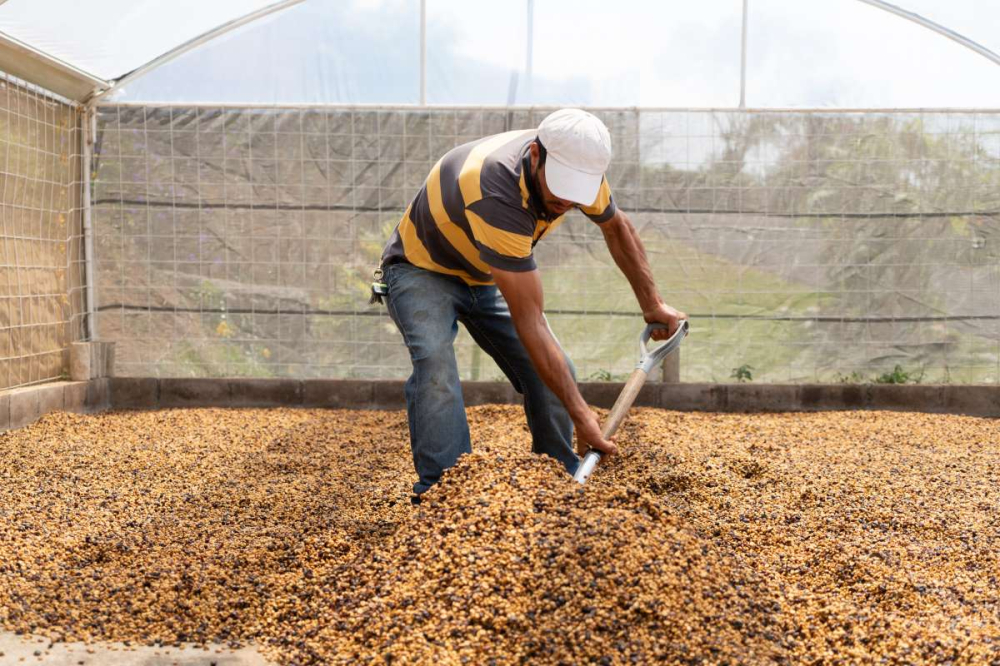
The drying process of honey processing requires extra caution. Due to the presence of the mucilage layer, the coffee beans have high surface stickiness, and if piled up, they can easily cause mold or over-fermentation. Therefore, the bean pile needs to be turned frequently to ensure uniform drying, which is time-consuming and more laborious than natural processing. In contrast, the natural method dries the whole coffee cherry directly; although there is no stickiness issue, the overall drying cycle is usually longer due to the barrier of the outer skin.
In Costa Rica, an advanced version of honey processing has also emerged—anaerobic honey processing. The operation is: after removing the skin and pulp, retaining the mucilage and placing the coffee beans in a sealed fermentation tank, fermenting at a low temperature of 10-15°C for about 3 days, followed by conventional sun drying. This technique, by artificially controlling the fermentation environment, can more stably shape specific flavors and reduce the uncontrollable factors of natural drying.
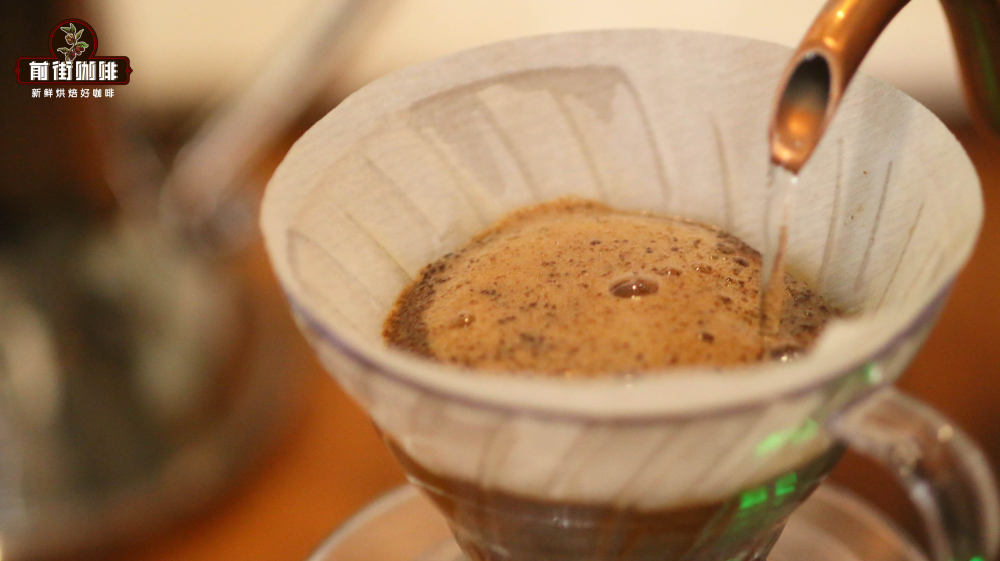
The flavor differences of coffee beans from different processing methods are significant. Taking honey processing as an example, if using raisin honey processed beans with prominent sweetness (such as from Costa Rica's Mirazu Estate), it is recommended to use a light roast to highlight their floral and fruity notes. For pour-over, the water temperature should be controlled at 91-92°C (avoid exceeding 88°C to prevent over-extraction), and the coffee-to-water ratio is recommended at 1:16, which better showcases the full body and high sweetness. For actual brewing, you can refer to the three-stage method: first bloom with 30g of water for 30 seconds, then pour in a small stream in circles until 125g and pause, wait for the water level to drop and expose the coffee bed, then continue pouring to 225g, and finally remove the dripper when the water level drops again; the total extraction time is about 2 minutes.
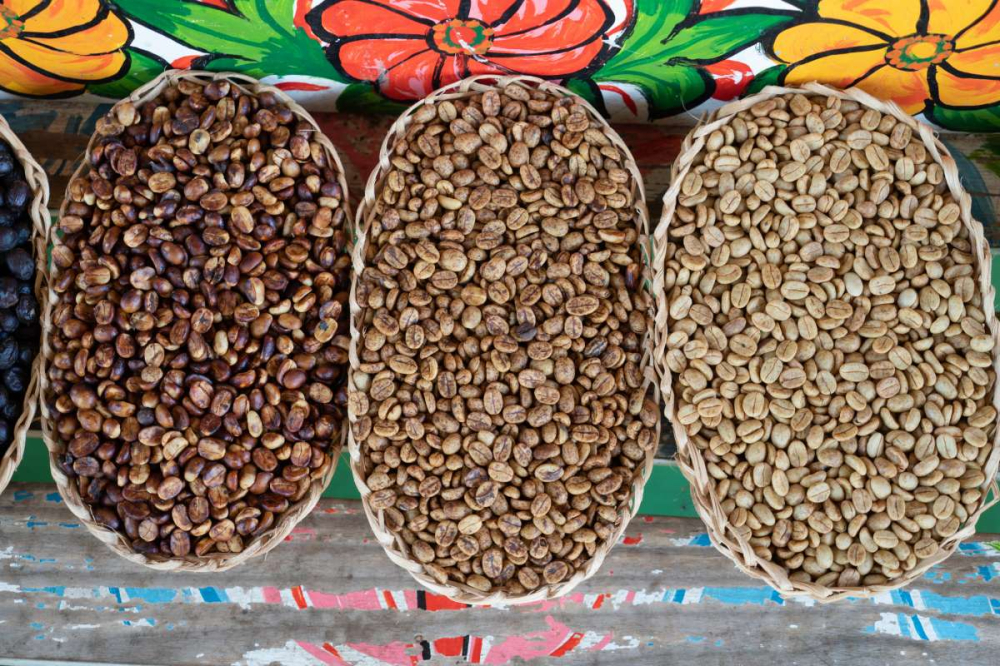
By comparing the flavors of coffee from different processing methods, the following characteristics can be summarized: honey processed beans usually have the strongest sweetness, accompanied by distinct floral and fruity notes; natural processed beans have the next highest sweetness, with livelier acidity and a juicy, full-bodied mouthfeel; washed processed beans have the brightest and clearest acidity, but relatively weaker sweetness; while Indonesian wet-hulled method is known for its unique spicy and herbal flavors, with a hint of sweetness in the aftertaste. For example, Mirazu Estate's honey processed beans often present jasmine floral notes, raisin sweetness, and strawberry gummy flavors, with a smooth, nutty-creamy mouthfeel; washed Yirgacheffe features citrus-lemon acidity and jasmine floral notes, with a fresh and elegant style; natural Red Cherry has tomato and floral notes, bright acidity, and prominent berry sweetness; while Lintong Mandheling shows heavy layers of herbal medicinal notes, dark chocolate, and caramel.

For coffee enthusiasts, understanding processing methods not only helps select beans that match personal taste preferences but also allows for a deeper appreciation of the diversity of coffee flavors. Whether pursuing the sweetness and floral notes of honey processing, or preferring the fresh acidity of natural/washed, each method contains unique regional characteristics and craftsmanship.