Mandheling Coffee Grades and Flavor: A Sumatra Specialty Bean Guide
Introduction: Indonesian Mandheling coffee is renowned worldwide for its distinctive herbal, medicinal aroma and thick, full-bodied mouthfeel. Its seven-grade classification and wet-hulled process have created a striking regional character. This article provides an in-depth analysis of the flavor differences among Mandheling's five classic growing regions, details the roasting parameters and brewing recipes for representative beans such as Golden Mandheling and Lintong Mandheling, and reveals the process behind the formation of the horse-bean (peaberry) shape, helping you choose specialty coffee beans that precisely match your personal taste preferences.
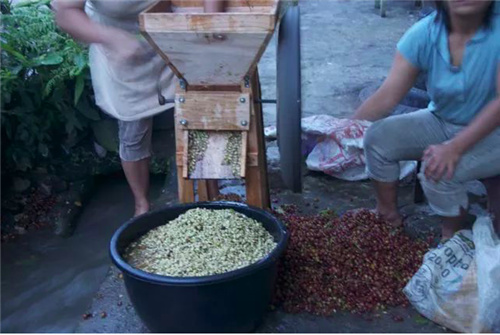
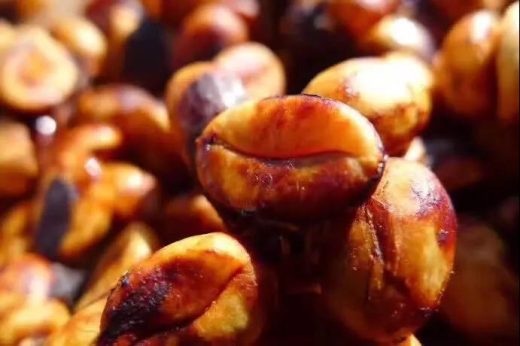
Grown in the volcanic soils of the Indonesian island of Sumatra, Mandheling coffee has become the top choice for dark-roast enthusiasts worldwide thanks to its signature herbal, vegetal notes and heavy, aromatic depth. Its unique flavor profile comes from the region's characteristic wet-hulled (giling basah) processing method—the skin and pulp are removed first for a short fermentation, then the mucilage layer is scraped off to speed drying. This process gives the beans their signature hoof-like crack and creates a distinctive mouthfeel structure.
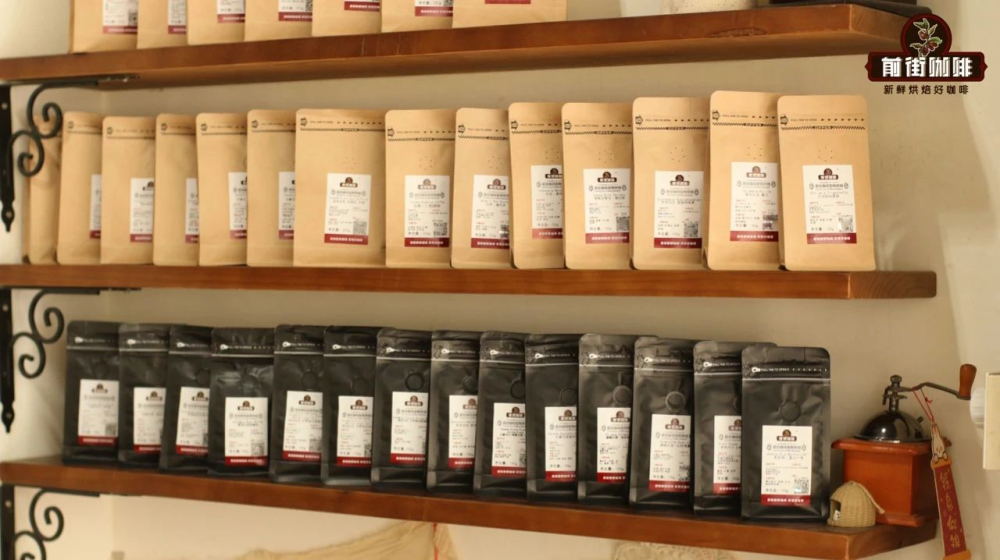
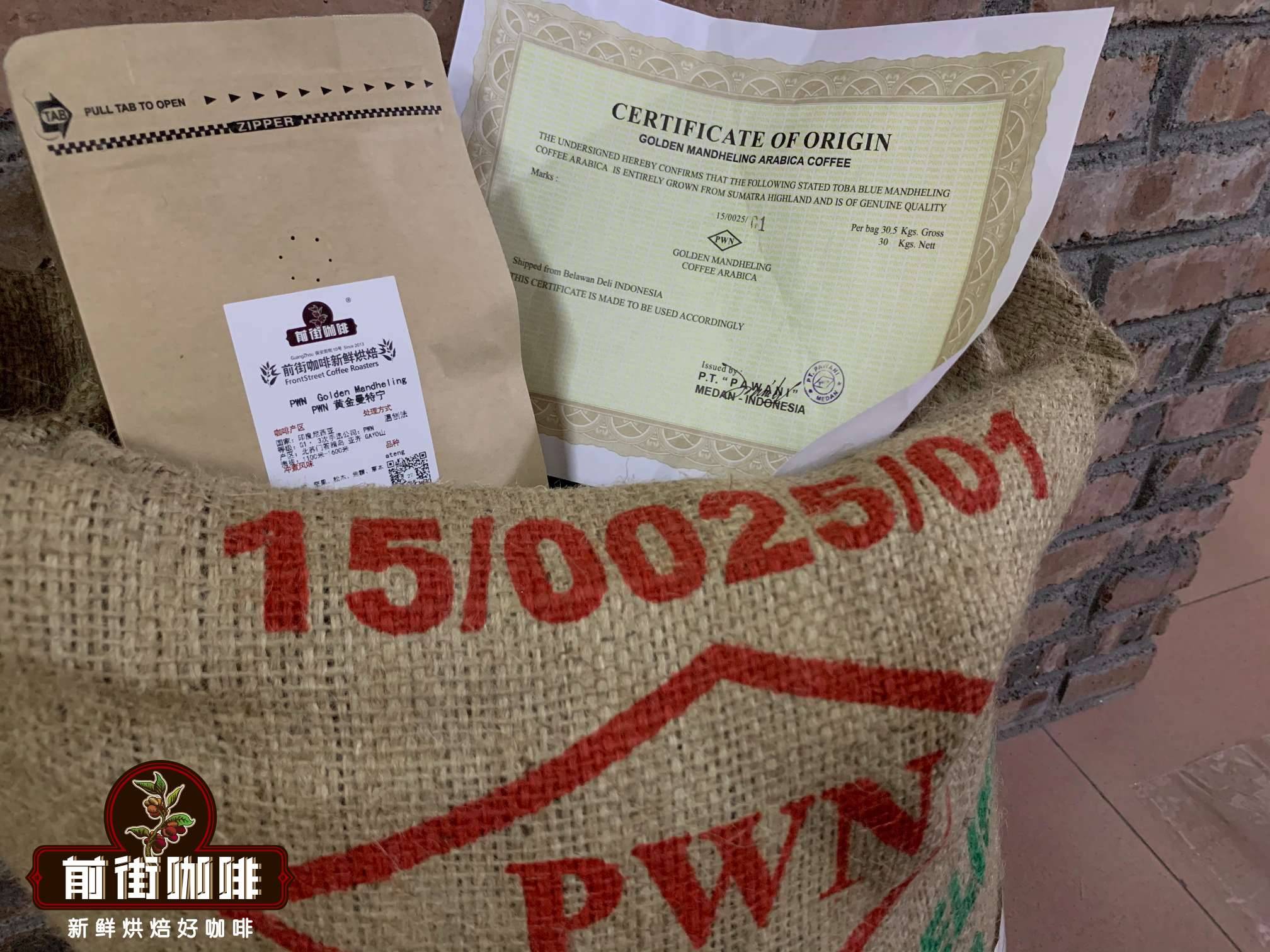
The professional coffee market typically divides Mandheling into seven grades, based mainly on defect rate, altitude, and green bean size. The highest grade, G1, requires no more than 11 defects per 300 grams of green beans and an altitude of at least 1,500 meters; such top-tier lots are mostly used for specialty batches like Golden Mandheling. The more widely traded G2–G3 grades are common in commercial blends; their flavor intensity gradually weakens as altitude decreases, but they retain the basic herbal character.
Mandheling from the Lintong region is a classic example (corresponding to the first image position in the original text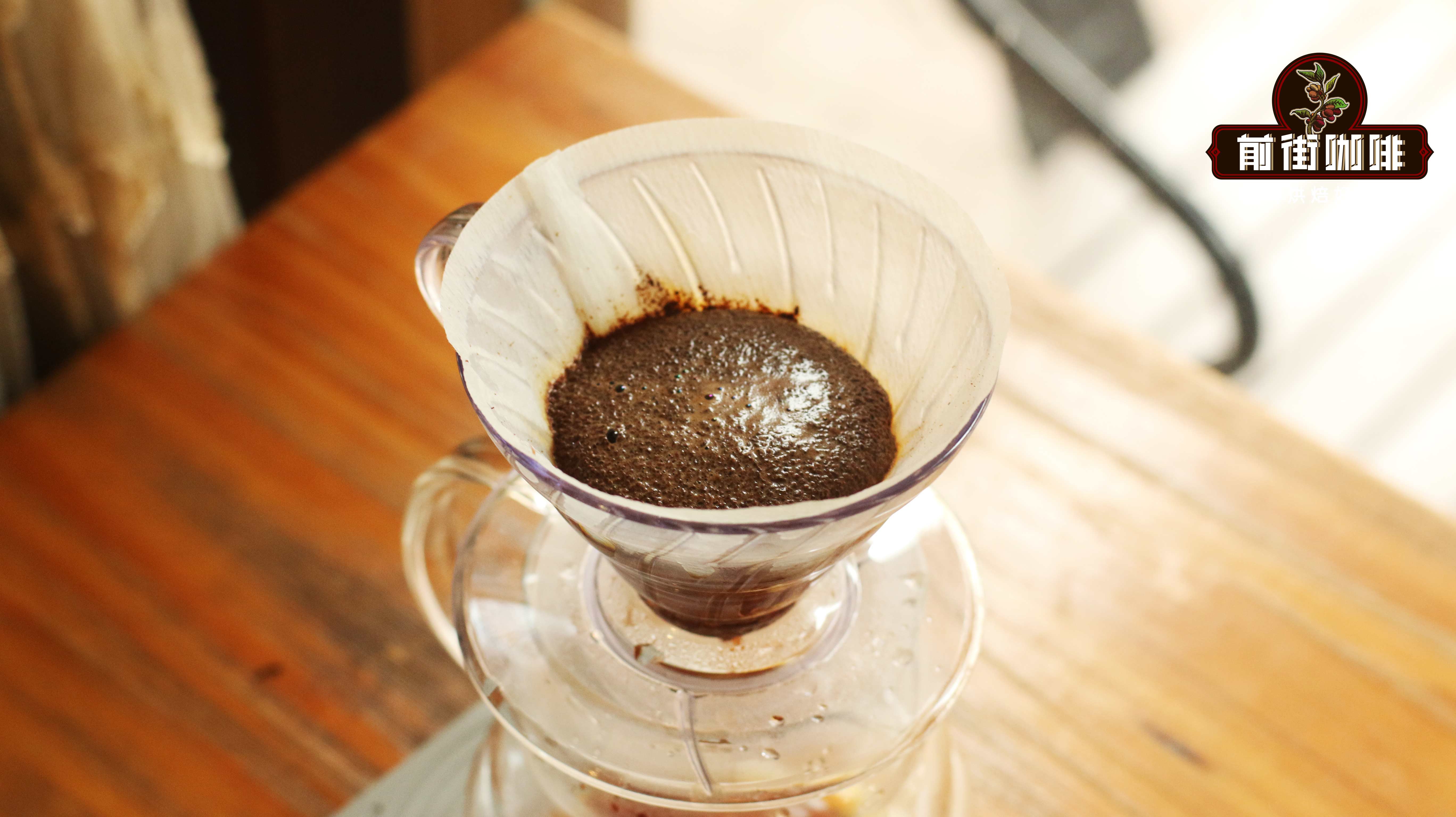 ). This area lies by Lake Toba in north-central Sumatra, and its volcanic rock soil gives the coffee a bright acidity base. A medium-dark roast (dropping at the start of second crack is recommended) strengthens its dark chocolate and caramel flavors; with a medium-coarse grind in a KONO dripper (a suggested 1:13 coffee-to-water ratio and 87°C water temperature), it balances the herbal, medicinal aroma with a sugarcane sweetness. Note that some lots may show a strong bitterness reminiscent of Chinese herbal medicine; first-time tasters are advised to start with a light-roast sample to adapt.
Aged Mandheling shows how time deeply transforms flavor (corresponding to 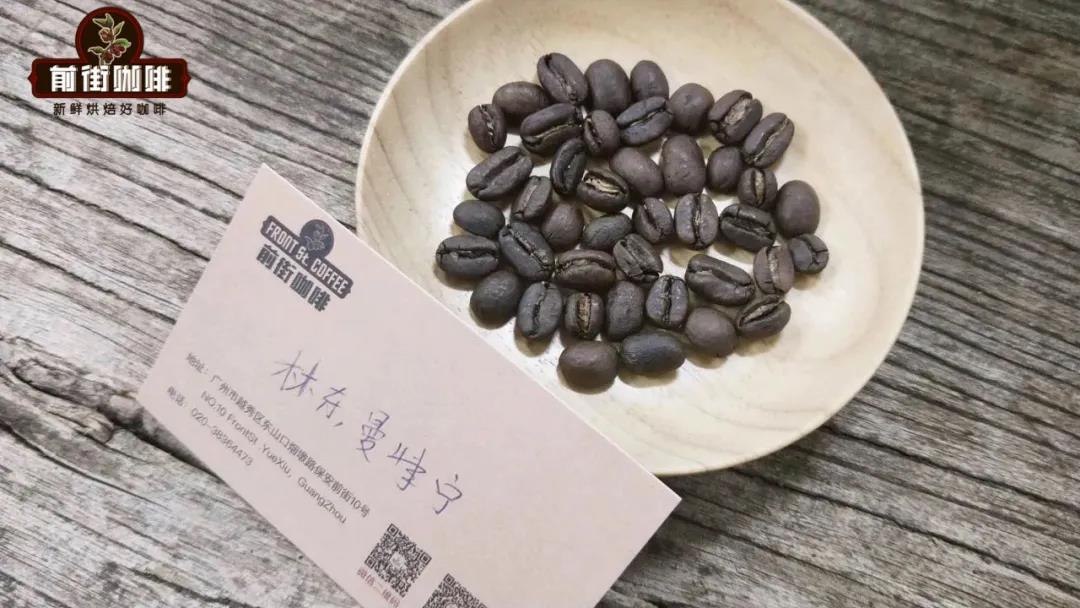 ). Through 2–3 years of constant-temperature storage (ideally 18–22°C and 55% humidity), the organic acids in the green beans gradually convert into sugars, and the beans turn from dark brown to yellowish brown. This special treatment gives the final brew low acidity and high body, with a particularly prominent aged aroma like ripe pu-erh tea and a honey sweetness. Professionals recommend a French press with a 4-minute steep to fully extract the caramelized compounds produced by the transformation.
Tiger Mandheling represents the balanced style within the Mandheling family (corresponding to 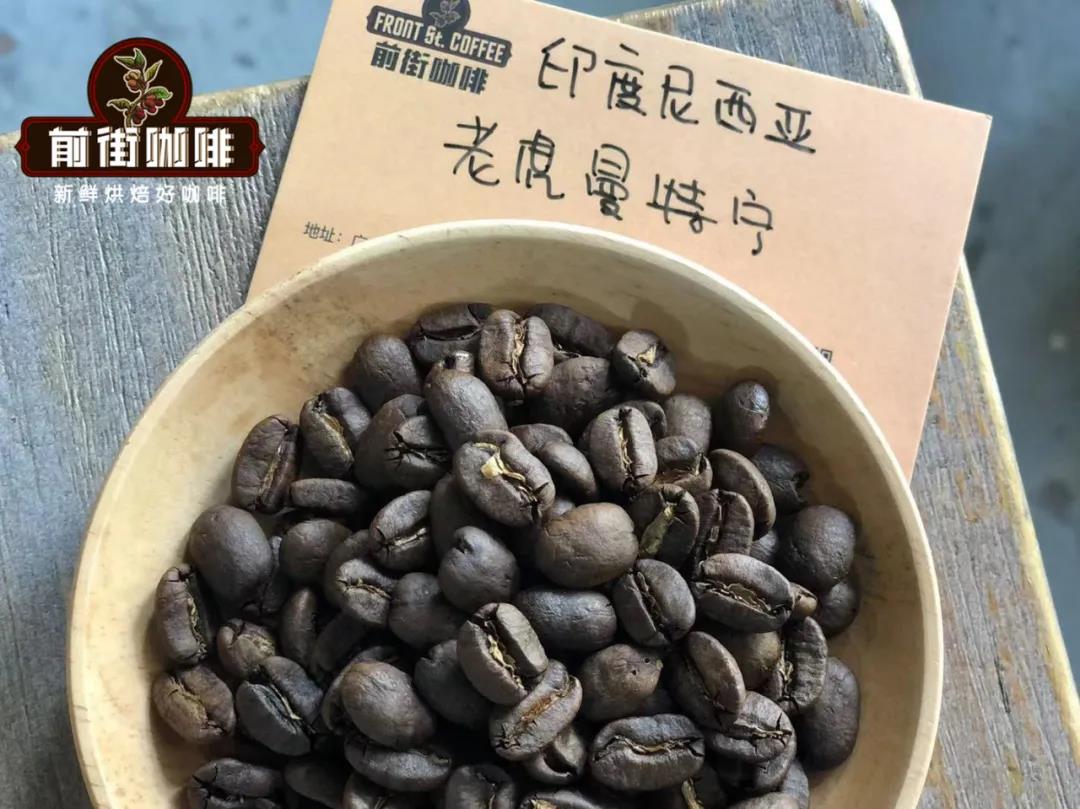 ). Made from rounder beans with higher moisture content, a medium roast (roughly from dense first crack to the start of second crack) highlights layers of nut and agarwood notes. Its syrupy body and long-lasting sweetness make it especially suited to milk-based lattes. Suggested brewing parameters are a V60 dripper with a 1:15 coffee-to-water ratio; 90°C water enhances the expression of citrusy finish notes.
The details of the wet-hulled process directly affect the final flavor. The traditional procedure requires that, after the outer skin is removed, the mucilage-covered beans undergo 36–48 hours of aerobic fermentation, then are spread on bamboo mats to dry until moisture content is around 35%, at which point the parchment layer is scraped off. The high moisture content at this key stage makes the beans prone to deformation under pressure; the resulting hoof-like cracks not only affect appearance but also increase heat transfer efficiency during roasting, creating Mandheling's signature full body. Modern improved processes have introduced temperature- and humidity-controlled equipment that can reduce the defect rate to below 5%, meeting the G1 standard.
Sumatra's three major coffee regions each have their own character: the volcanic soils around Lake Toba in northern Sumatra produce high-acidity, bright Lintong beans; the central highlands at 1,200–1,500 meters are known for a full-bodied herbal aroma; and beans from the southern plains usually have a looser structure and require a longer resting period. Professional roasters recommend adjusting the roast level to the brewing method—medium-dark roast for pour-over (development time accounting for 15–20%), while espresso requires extending to dense second crack to enhance crema stability.
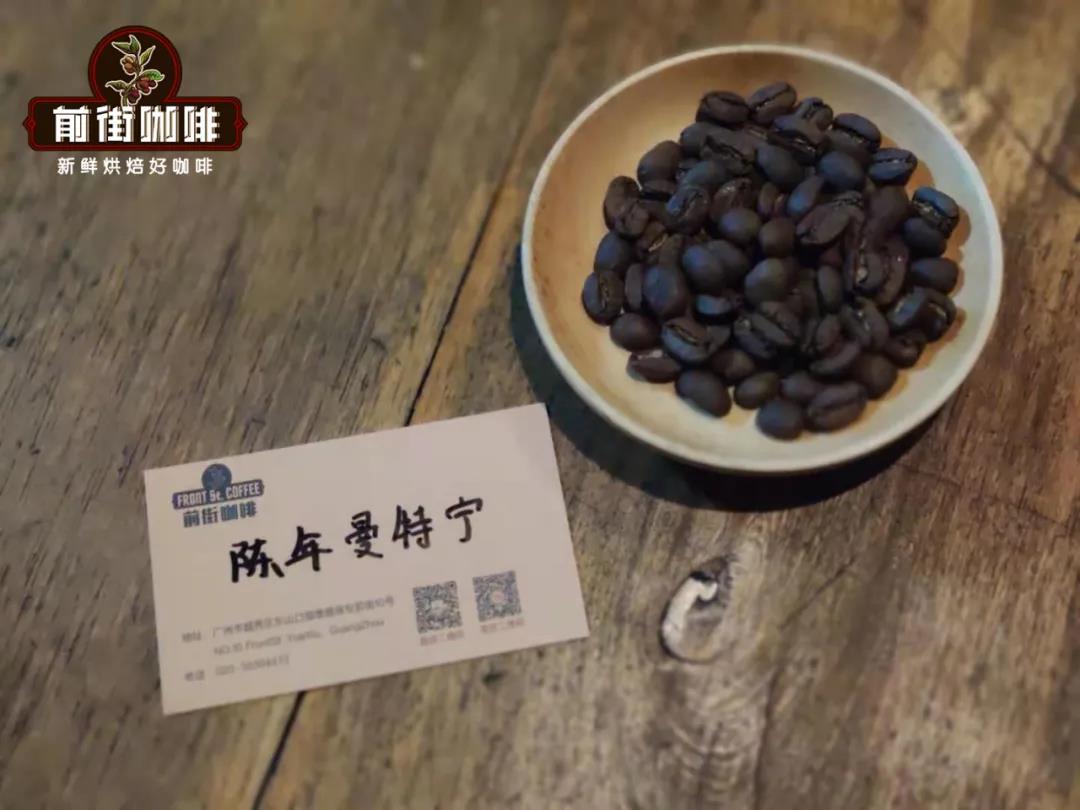
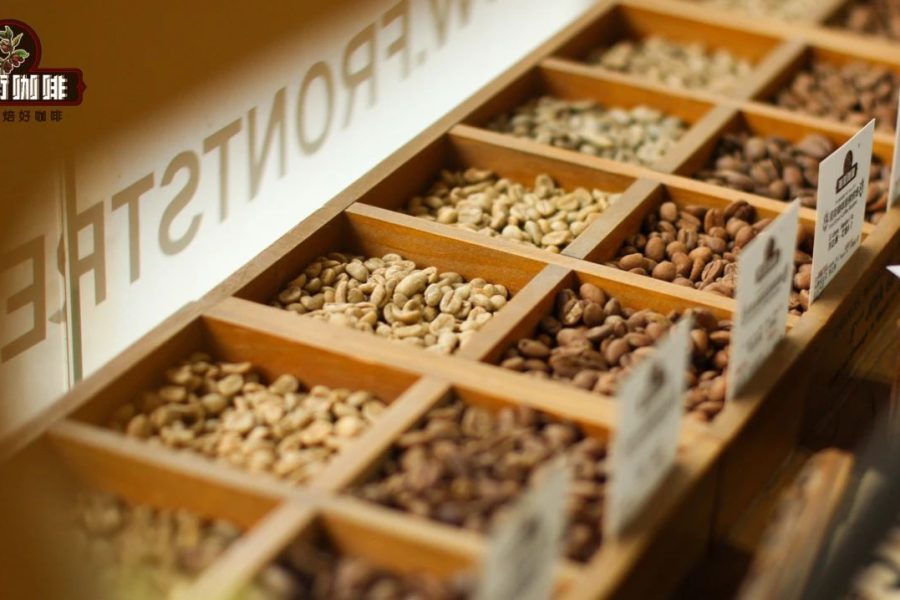
When buying Mandheling, pay attention to three key indicators: first, observe whether the beans are uniform and plump—high-quality green beans should be dark green with no white, unripe beans; second, smell the dry aroma for a clear herbal or nutty note; finally, check the roast date—roasted beans more than 21 days past their freshness peak are best left to rest for another 3–5 days. For enthusiasts seeking the ultimate flavor, try blending different grades of Mandheling at a 7:3 ratio, which preserves the complexity of G1 while reducing the roughness of G2.
From the traditional wet-hulled process to modern precision roasting, every flavor evolution of Mandheling coffee reflects the wisdom passed down by Indonesian coffee farmers. Whether you are a hardcore fan devoted to the original herbal aroma or a beginner who prefers soft sweetness, you can find the perfect choice to match your personal taste in this classic region.