Guatemalan Coffee Pour-Over Guide: V60, Clever Cup & AeroPress Flavor Comparison and Parameters
Introduction: Explore the flavor performance of coffee beans from two classic Guatemalan regions (Antigua and Huehuetenango) in different extraction devices. By comparing three mainstream brewing methods—V60 pour-over, Clever Cup immersion, and AeroPress pressure—this guide details the optimal grind size and pouring schemes for 15–20g doses at 92–93°C water temperature, and analyzes the formation logic of flavor layers such as smoky aroma, citrus acidity, and nutty notes, helping you find a suitable home brewing solution.
The Terroir Code of Guatemalan Coffee
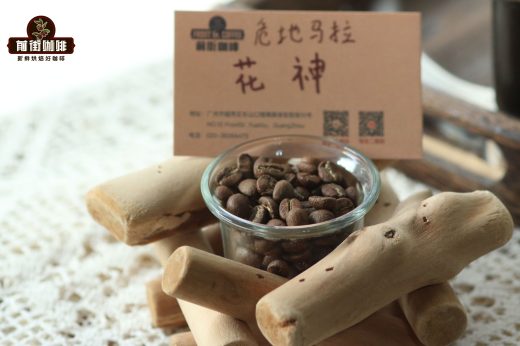
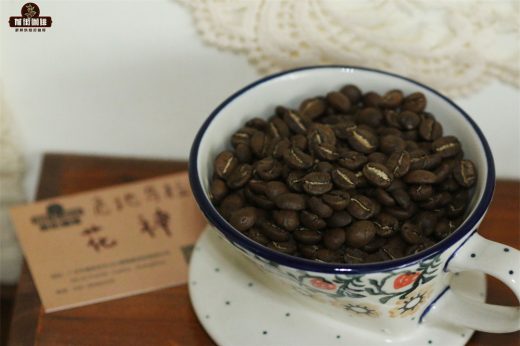
Guatemalan coffee is known for its signature smoky finish, balanced fruit acidity, and roasted nut aroma. Among them, the Antigua region, despite facing low-temperature frost challenges in winter, has volcanic ash soil with strong water retention (porosity up to 60%) coupled with high-altitude day-night temperature differences (daily average 12–15°C), nurturing a unique flavor with white floral notes; while the Huehuetenango region at 1,500–2,100 meters, with abundant water resources, creates more pronounced citrus acidity and cocoa-nutty tones. Both use the washed processing method, removing pectin through 24-hour fermentation, ultimately presenting the bright acidity characteristic of medium-light roasting.
V60 Dripper: Precise Control to Highlight Floral and Fruity Flavors
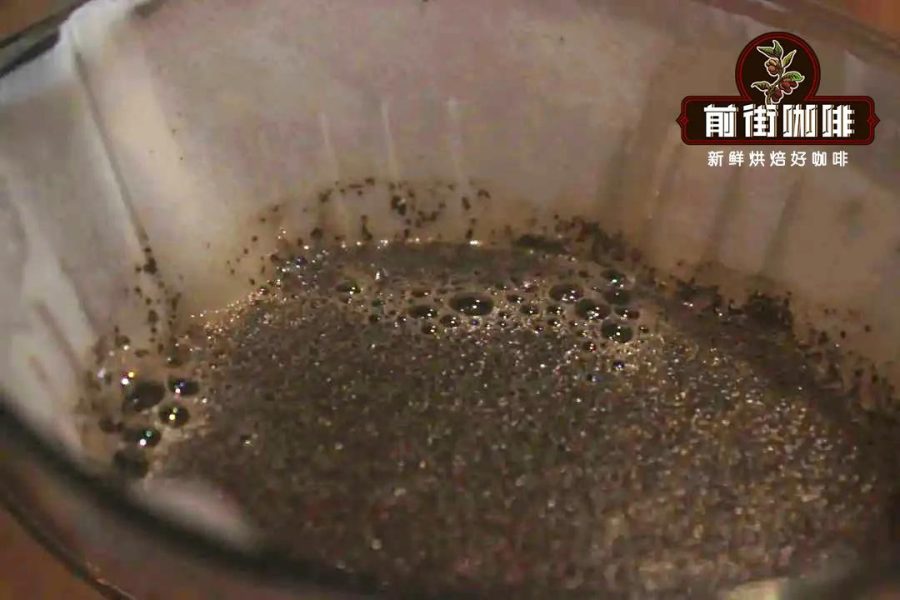
When using a Hario V60 conical dripper (medium-fine grind with 78% passing a No. 20 sieve), it is recommended to use 15g of coffee with a 1:15 coffee-to-water ratio. First, pour 30ml of water for a 30-second center bloom, then pour in a circular motion to 120ml (92°C water temperature). When the water level drops to the middle of the dripper, pour again to 225ml. Control the total extraction time to 1 minute 55 seconds, which effectively highlights the jasmine floral notes of Antigua beans and the dark chocolate finish of Huehuetenango. Avoid too coarse a flow causing channeling; it is recommended to use a fine-spout pour-over kettle for precise flow control.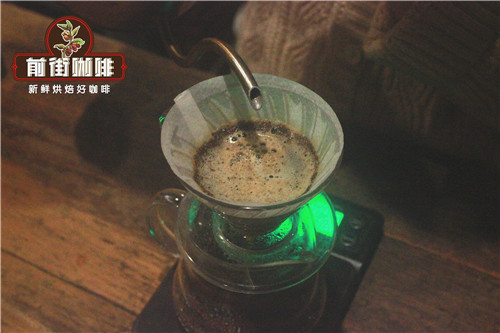
Clever Cup: A Lazy Solution for Balanced Flavor
Choose a fine grind (83% passing a No. 20 sieve) of 15g coffee powder, and add 240ml of 93°C hot water at a 1:16 coffee-to-water ratio. No complex technique is needed; simply pour all the water at once and let it sit for 4 minutes, controlling the flow rate through the valve at the bottom of the dripper. This method is particularly suitable for beans from the Huehuetenango region, neutralizing their strong smokiness and making the chocolate and maple syrup flavors more rounded. Antigua beans present clear mandarin sweet-acid layers, with better stability than pour-over.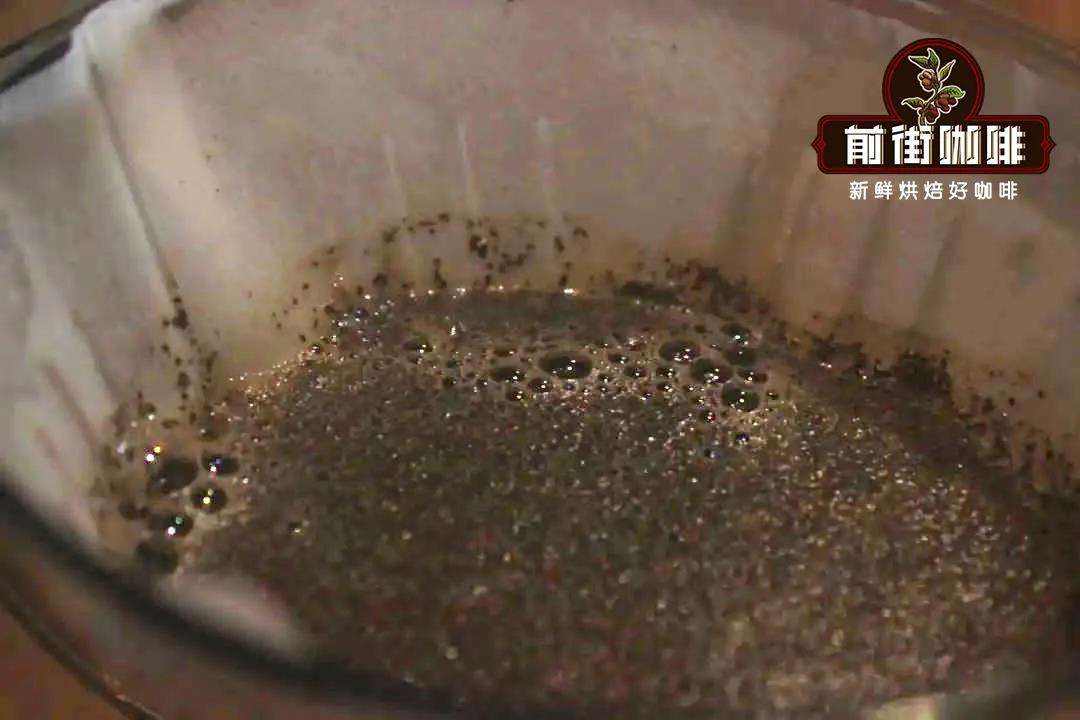
AeroPress: Rich Expression through High-Pressure Extraction
Using the inverted method, 20g of extremely fine grind (250 microns) with a 1:9 coffee-to-water ratio (180ml of 92°C hot water). Stir for 50 seconds, then flip and press for 30 seconds to adjust the final concentration. For the hot version, adding 100ml of boiling water strengthens the dark cocoa base of Huehuetenango; for the iced version, mixing with 120g of ice highlights the citrus acidity of Antigua beans. Due to the high-pressure environment (about 1.5 atmospheres), this device can make the coffee oils richer, increasing the body by more than 30%.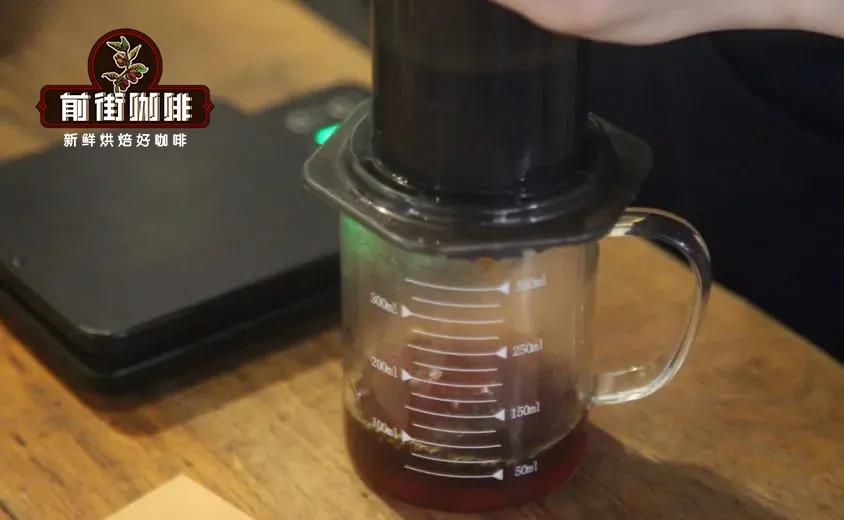
Regional Differences and Device Adaptation Points
Antigua beans, containing white floral substances, are more easily released in the high-permeability V60 dripper; while Huehuetenango high-altitude beans achieve the best acid-bitterness balance under the constant-temperature immersion of the Clever Cup. The high-pressure characteristics of the AeroPress can fully extract the dark roast finish of both beans, especially suitable for consumers who prefer a rich mouthfeel. In actual brewing, note: for each grind size deviation (e.g., medium-fine to fine), adjust the water temperature by ±1°C; water hardness is recommended to be below 150ppm to ensure flavor purity.