Guatemala Coffee Varieties: Bourbon vs Caturra and Regional Flavor Guide
Introduction: This article takes an in-depth look at the characteristics of the Bourbon and Caturra coffee varieties in Guatemala's core producing regions, compares their appearance and flavor differences, and explains in detail how local washed processing affects flavor. Combining the growing advantages of Antigua's volcanic soil with typical cupping performance, it provides pour-over parameter references to help you understand the unique appeal of Guatemalan specialty coffee from variety to brewing.
According to industry data, more than 125,000 coffee-growing families in Guatemala are under the dual pressure of climate change and the pandemic—production costs keep rising, while current international coffee prices are still hard-pressed to cover basic living expenses. The industry predicts that prices for Guatemalan coffee beans in the new crop season will continue to rise, further worsening the operating difficulties of local growers.

The Antigua region is located in the Panchoy Valley at an altitude of 1,500 meters. This ancient Central American city is surrounded by mountains, with several active volcanoes nearby, among which Agua and Fuego are particularly prominent. The volcanic group not only shapes Antigua's magnificent natural landscape; the mineral-rich volcanic ash carried during eruptions also becomes a natural nutrient source for the surrounding soil, providing a fertile and unique geological environment for coffee tree growth.

Coffee from this region often carries a surprising smoky flavor characteristic—unlike the rough smokiness that might be considered a defect in other regions, the smoky notes in Guatemalan coffee are often integrated with regional character. A professional cupping case once showed that a certain estate's beans presented a faint smoky base while accompanied by clear white floral aromas; this contrasting combination brings the palate a unique experience akin to "flowers blooming in volcanic rock crevices."

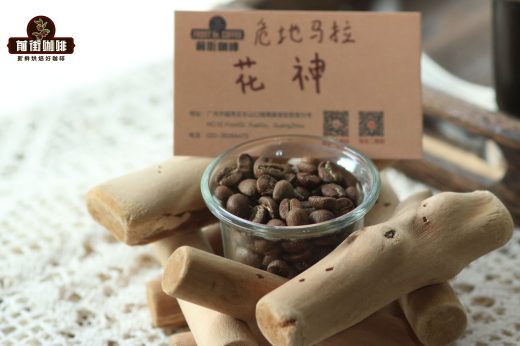
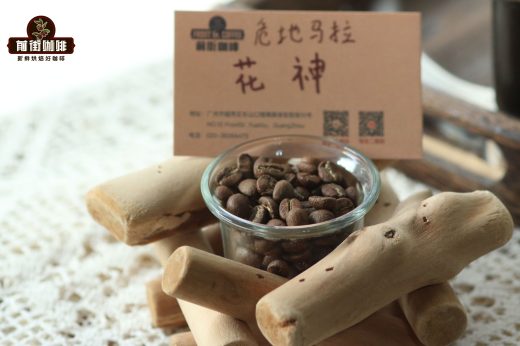
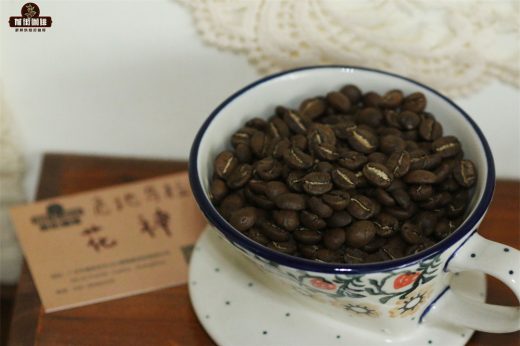
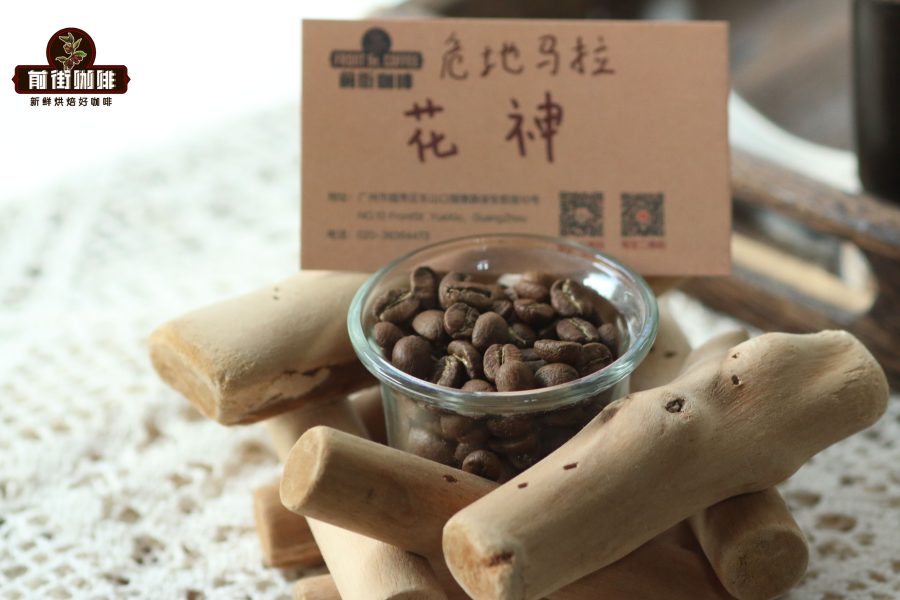
Taking the star product of a well-known local estate as an example, its washed-process beans combine two classic varieties, Bourbon and Caturra. Both belong to the Bourbon family, and the beans are generally round overall, but careful observation reveals differences: Caturra beans have a more pronounced curve at the tail end and appear more slender overall; in terms of flavor, the two varieties usually share bright acidity, rich aroma layers, and a full juicy character.

The specific washed processing procedure is as follows: first, the coffee cherries are sorted, and after the pulp and skin are initially removed by a depulper, the green beans with residual mucilage are placed in water for 18-36 hours of wet fermentation. After fermentation is complete, the pulp and mucilage are thoroughly washed off through flowing water channels, and then the parchment-covered green beans are spread evenly to dry until the moisture content drops to about 12%, and finally the parchment is removed to complete processing. This process can effectively improve the purity of acidity while highlighting fresh white floral aromas and moderately softening any possible smoky base.

Roasting practice for this variety combination shows: after the drum temperature rises to 200°C, charge the coffee beans; in the initial stage, keep the damper at setting 3, and after 30 seconds lower the heat to 160°C (damper unchanged). When the turning point appears at 1 minute 36 seconds, maintain the current heat; at 4 minutes 50 seconds, when the bean surface turns yellow and the grassy smell fades, enter the dehydration stage—at this point lower the heat to 140°C and adjust the damper to 4. After dehydration is complete (about 4 minutes 50 seconds), continue controlling the heat at 140°C; at 8 minutes 32 seconds, when wrinkles and dark spots appear on the bean surface and the toast aroma shifts to coffee aroma, listen closely for the first crack signal. The actual first crack begins at 8 minutes 37 seconds; immediately reduce the heat to 80°C and open the damper fully (to setting 5), maintain the first-crack development stage for about 1 minute 50 seconds, and finally drop the beans at 195.3°C.


Cupping records show that the dry aroma of this type of coffee is dominated by berries and caramel, while the wet aroma releases fresh notes of lemon and white flowers. The actual flavor layers include: bright citric acidity, vivid berry notes, elegant white floral aroma, a mid-palate transition to the mellow richness of nuts and chocolate, and a finish accented with a slight smokiness; overall cleanliness is outstanding and the layers are rich.

Suggested pour-over parameters: use a V60 dripper, set the coffee-to-water ratio at 1:15 (i.e., 15 grams of coffee to 225 grams of water), control the water temperature at 90°C, and adjust the grind to the medium-fine to medium-coarse range (about 77% passing through a Chinese standard No. 20 sieve). The operation is divided into three-stage extraction—first pour 30 grams of water and bloom for 30 seconds (make sure a complete "hamburger"-shaped coffee bed forms; otherwise it may indicate insufficient bean freshness or overly coarse grinding); in the second stage, at 54 seconds, pour 125 grams of water, and pause when the water level drops to two-thirds of the coffee bed; this stage focuses on extracting sweet and sour substances; in the third stage, at 1 minute 40 seconds, pour the remaining water up to 225 grams, with total extraction time of about 2 minutes 10 seconds, achieving a balanced presentation of acidity and mellow flavor through staged control.