Guatemala Coffee Beans: Antigua Smoke and Huehuetenango Brewing Guide
Introduction: Explore Guatemala's two iconic coffee regions—the smoky depth of Antigua and the high-mountain fruit notes of Huehuetenango. This article details the distinctive flavor characteristics, geographic terroir conditions, and professional-level pour-over parameters of the beans from both regions, helping you precisely capture the layered changes in each bean, from growing altitude to brewing technique.
When it comes to coffee with natural smoky flavors, Guatemala's Antigua region is a classic representative. Coffees here often carry subtle woody notes and dark berry tones, while the contrasting Huehuetenango region is known for its bright fruit acidity and chocolate finish. By comparing the characteristics of these two major regions, you will more clearly understand the diversity of Guatemalan coffee.
Guatemalan coffee's place in the global specialty market is inseparable from its unique geography. The country lies in the heart of Central America, with 34 active volcanoes distributed across its territory; the selenium-rich soil formed from volcanic ash provides excellent nutrients for coffee trees. Growing zones above 1,500 meters combined with an average annual temperature of 18-28°C produce extremely dense Strictly Hard Bean (SHB) coffees, which account for about 45% of the country's specialty coffee production.

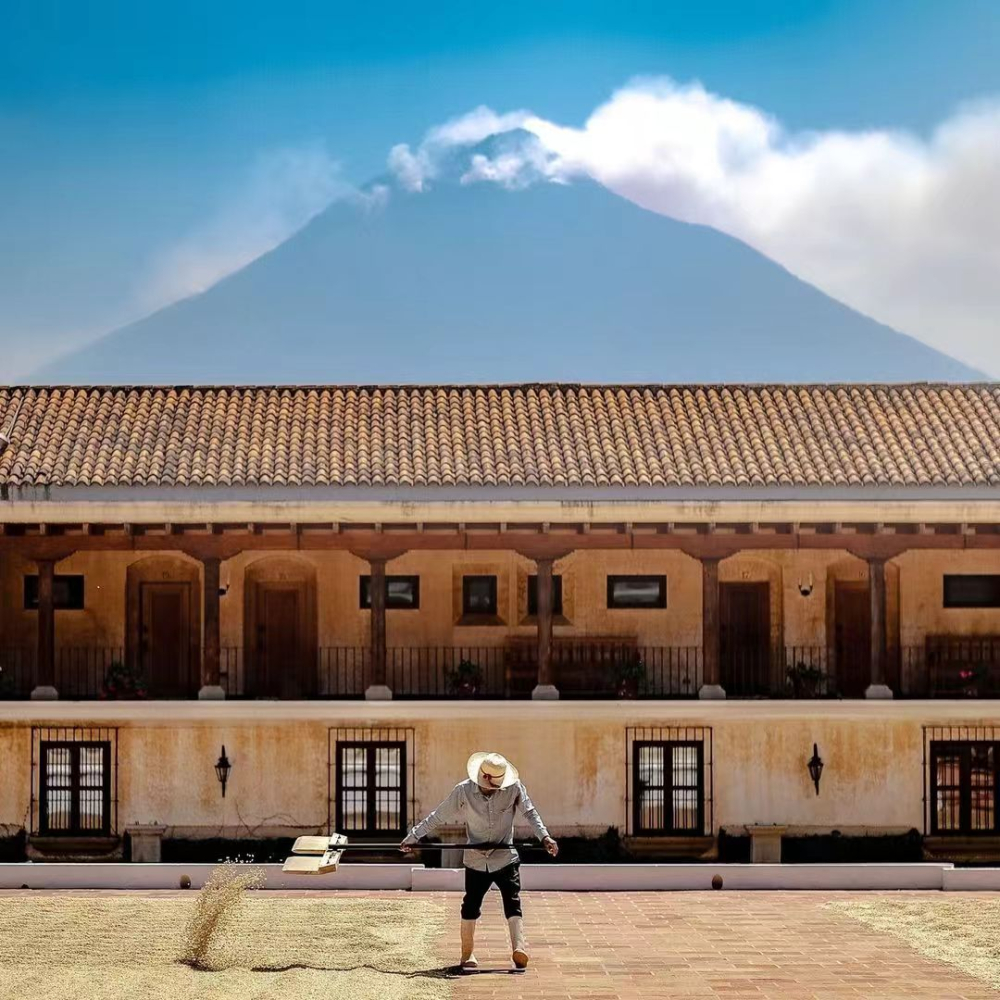
The Antigua region, Guatemala's most renowned coffee origin, draws its advantages from a triple natural gift: the active Fuego volcano continuously replenishes soil minerals, abundant water from annual rainfall reaching 2,000 mm, and a stable, mild climate at around 1,500 meters. Together these conditions create the region's signature full body and richly layered sweetness, especially suited to drinkers who prefer a mellow mouthfeel.

The Huehuetenango region presents a completely different terroir. This area, whose name derives from the Nahuatl phrase "place of the ancients," sits on highlands above 2,000 meters and is the driest and most rugged of Guatemala's three non-volcanic regions. Warm winds from Mexico's Tehuantepec Plain effectively ward off frost threats, allowing coffee trees to grow in extreme high-altitude environments. Coffees from this area often carry fresh fruit notes such as pear and apple, accompanied by spice aromas like cinnamon, ultimately presenting a syrupy, silky mouthfeel.

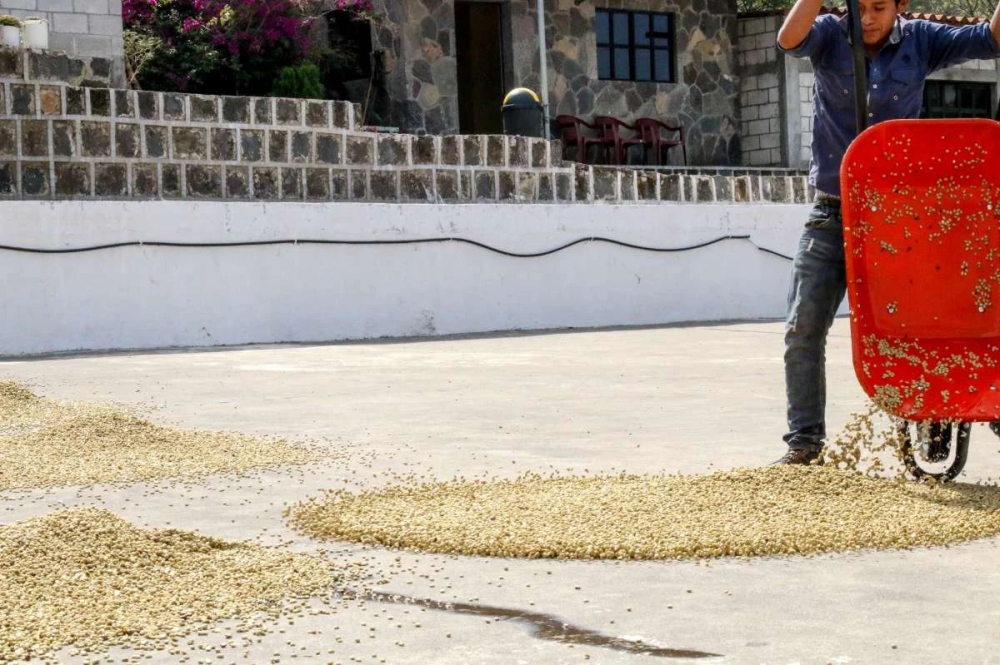
In terms of processing, Guatemalan coffee generally uses a meticulous washed method. In Huehuetenango, for example, although the area is remote, its dense river network facilitates washed processing. The standard washed process includes four key steps: first, screen ripe cherries to remove floaters; next, strip the skin and pulp with a pulper; then, break down the mucilage in fermentation tanks for 16-36 hours (with continuous stirring to promote acid development); finally, dry in the sun or mechanically to bring moisture content down to 12%. This process enhances the coffee's cleanliness and bright acidity.

For home brewing, Guatemalan coffees from different regions require differentiated parameter settings. For Huehuetenango, for example, a Hario V60 dripper with a 1:15 coffee-to-water ratio is recommended (e.g., 20 grams of coffee to 300 milliliters of water), using a medium-light roast (light blue-green in appearance). In practice, first heat the water to 91±1°C, pre-infuse with 30 grams of water for 30 seconds (releasing carbon dioxide), then pour in a slow circular stream to 125 grams in stages, followed by the remaining water up to 225 grams, with total extraction time controlled at about 2 minutes. These parameters highlight this variety's distinctive berry acidity and dark chocolate finish.

Coffees from the Antigua region are better suited to showcasing mellow characteristics. Their smoky flavors are more pronounced at a medium-dark roast (oily, brownish surface); when brewing, you can appropriately extend the bloom time to 45 seconds and raise the water temperature to 93°C. Pay attention to grind size—adjust to slightly coarser than fine sugar, with 80% passing through a No. 20 sieve, ensuring smooth water flow while fully extracting the mellow compounds.

Subtle differences in geography directly influence flavor direction. Huehuetenango's high altitude and dry climate give the coffee bright fruit acidity and high sweetness, while Antigua's volcanic soil and stable rainfall create a rounder body and complex spice layers. The key to telling them apart lies in the finish: the former often has a lingering caramel sweetness, while the latter presents a cedar-woody smoky aftertaste.

Storage requires special attention: unopened Guatemalan coffee beans should be kept in a light-blocking sealed container in a cool environment at 10-20°C. Ground coffee is best enjoyed within 2 weeks; grinding fresh just before brewing is recommended to preserve flavor integrity. For enthusiasts seeking the ultimate experience, try blending beans from different regions at a 1:1 ratio—this balances smoke and fruit while letting you experience the diverse charm of Guatemalan coffee.
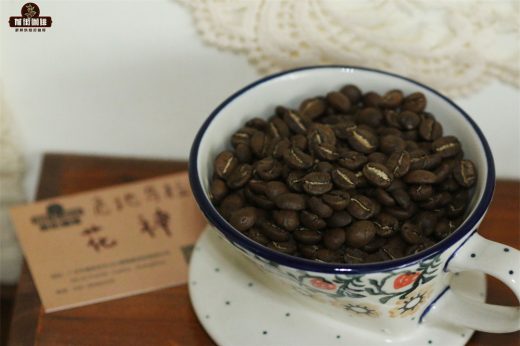
Professional roasters typically treat the two regions' beans differently: Huehuetenango is mostly given a medium roast (development time about 30% of total roast time) to preserve bright acidity, while Antigua tends toward a slightly darker roast (continuing 30-45 seconds after first crack) to enhance mellowness. When buying, consumers can judge roast level by observing surface oils—visibly oily beans are usually medium-dark roast, while dry, greenish ones are medium-light.

The choice of brewing equipment also affects the final flavor presentation. The V60 dripper is suited to highlighting acidity and aroma layers, while flat-bottom drippers like the Kalita Wave extract more evenly and deliver a fuller body. Whichever device you use, maintaining a steady pouring rhythm and water temperature control is key; pairing with a thermometer and digital scale for precise measurement is recommended.
The unique value of Guatemalan coffee lies in its distinct regional character and consistent quality. From the high-mountain fruit of Huehuetenango to the volcanic mellowness of Antigua, each region represents the refined craft of Central American coffee growing. By understanding these terroir codes and brewing points, you can not only appreciate Guatemalan coffee's complex flavors more deeply but also customize your own brewing plan according to personal taste preferences.

Next time you taste Guatemalan coffee, take note of the details hidden in the aroma: perhaps the faint cedar smoke in Huehuetenango's finish, or the citrus acidity dancing within Antigua's mellow body. These unique terroir imprints are precisely the core competitiveness that sets Guatemalan coffee apart from other regions.