SOE Coffee Guide: From Extraction Parameters to Flavor Adjustment
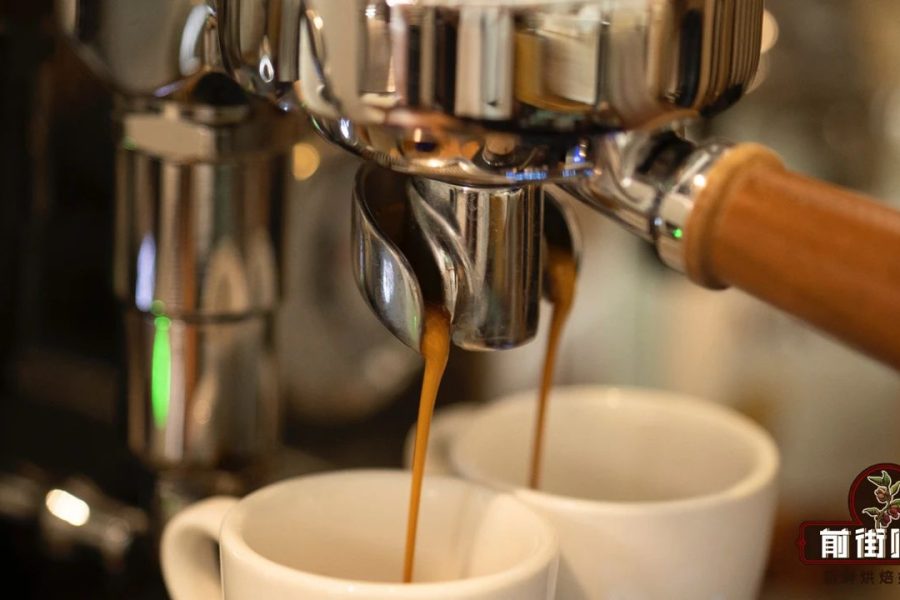
Introduction: SOE (Single Origin Espresso) has become a signature offering at specialty coffee shops in recent years, but how do you make a cup of SOE with standout flavor at home or in a café? This article explains the core differences between SOE and blended beans, breaks down strategies for dealing with the acidity that light-roast SOE easily develops, and provides a complete practical plan from basic dose-to-yield ratios to targeted flavor adjustments, with 8 key step illustrations retained to help you master SOE extraction techniques precisely.
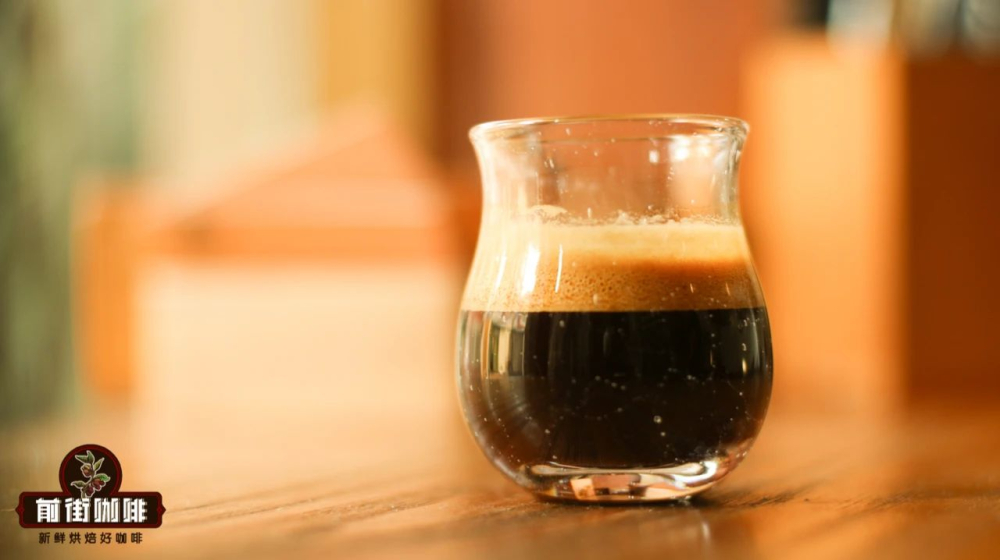
Walk into a specialty coffee shop and the “SOE” label on the menu is increasingly common. But what flavor secrets does this seemingly advanced coffee term actually hold? SOE stands for Single Origin Espresso—it specifically refers to espresso made from coffee beans from a single origin, in sharp contrast to blends that mix beans from multiple origins. It is worth noting that SOE is not a quality label; its flavor expression depends heavily on origin characteristics, roast level, and extraction plan, which is also why many beginners easily run into “failures” when trying it.
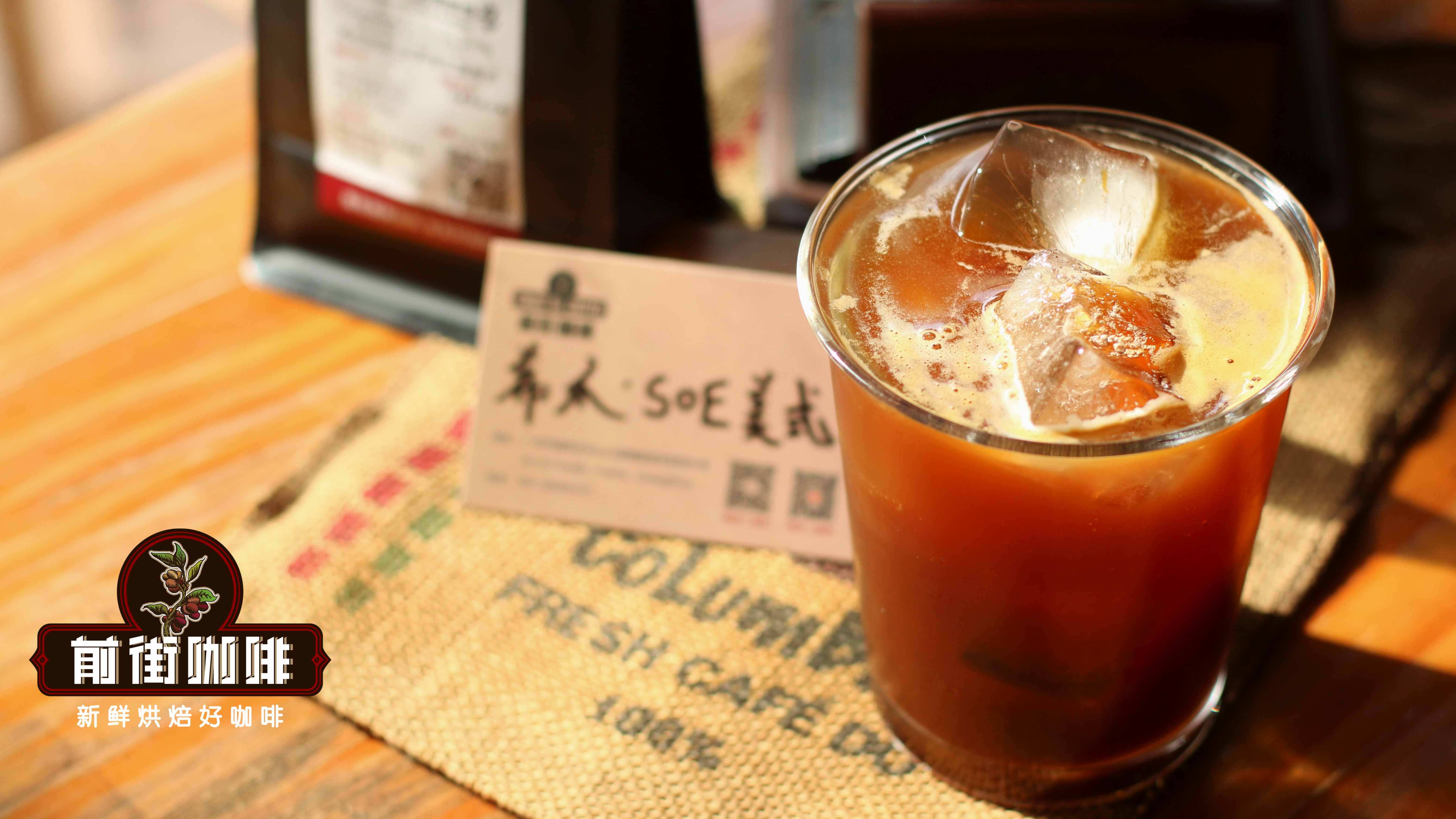
Compared with blends that pursue a stable base flavor, SOE’s greatest characteristic is “amplification”: the terroir characteristics of the origin (such as the citrus notes of Ethiopian beans or the nutty aroma of Colombian beans) and the subtle differences in processing method are all intensified during the high-temperature, high-pressure extraction of espresso. But this also means that if the roast curve or grinding parameters deviate slightly, the beans’ defects (such as winey acidity from over-fermentation or the green astringency of underripe beans) will be amplified at the same time. Therefore, making a high-quality SOE requires more precise technical control than regular espresso beans.
A common phenomenon in the current market is that some cafés choose light-roast processing to highlight SOE characteristics. This choice is reasonable in itself—light roasting preserves more floral and fruity acidity and the original flavor of the green bean, avoiding the burnt bitterness brought by dark roasting. But when light-roast beans are used directly with traditional espresso extraction parameters (such as the coarse grinding plus short extraction time commonly used for medium-dark roasts), problems of “sharp acidity that pricks the tongue” and “short finish” often appear, which is exactly why many consumers misunderstand light-roast SOE.

To solve the flavor adaptation problem, you first need to clarify the use scenario: drinking it straight, adding water to make an Americano, or pairing it with milk? Different uses have completely different requirements for the espresso. Drinking straight requires highlighting softness and balance, and extending extraction time is recommended to enhance sweetness; an Americano with water needs richer flavor layers, so the dose can be appropriately increased; and for milk coffee, because milk’s sweetness and body can neutralize acidity, the focus is more on the concentration and full-bodied base of the coffee liquid, usually requiring a finer grind to ensure full extraction.
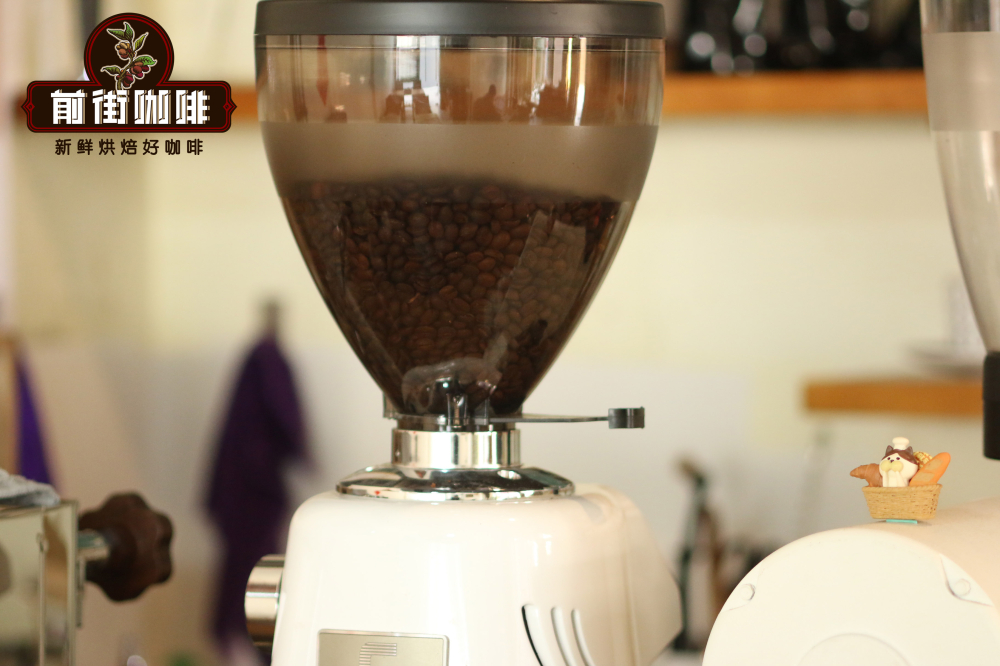
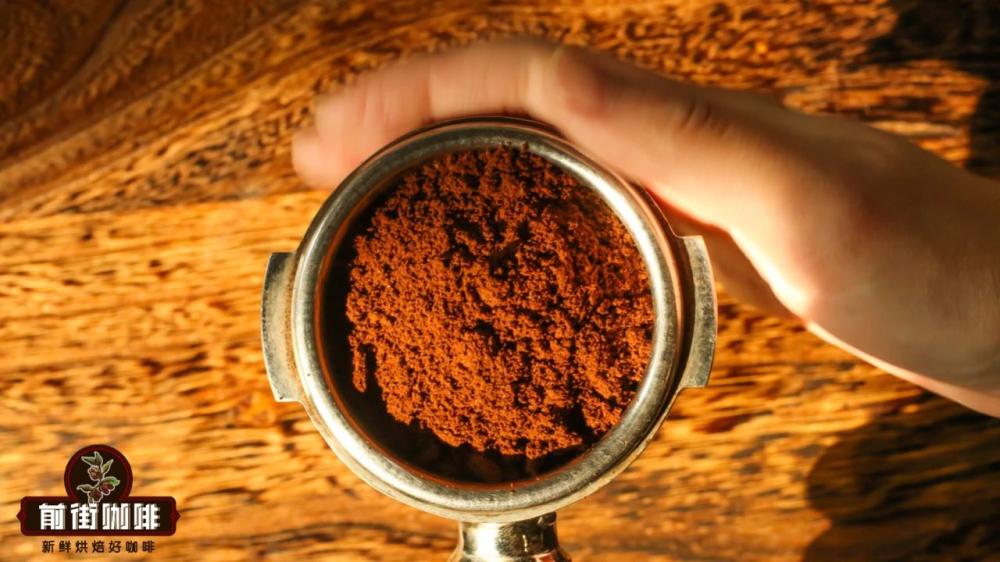
In practice, it is recommended to start from the classic dose-to-yield ratio (1:2) and the basic time range (25-30 seconds) to establish a baseline. For example, first extract with these parameters and observe the flow performance: if the first drop of coffee liquid comes out at 4-5 seconds, the grind may be too fine and needs to be slightly coarser; if the first droplet only appears at 7-8 seconds, the grind needs to be finer to speed up the flow. Note that light-roast SOE, because its density is lower than that of dark-roast beans, has a smaller volume at the same weight, so when filling the portafilter basket you need to adjust the total dose according to the actual capacity to avoid a “false fill” affecting extraction uniformity.
When the coffee liquid under the baseline parameters shows flavor defects, targeted adjustments can be made to optimize it:
For the most common “sharp acidity + short finish” problem, the essence is insufficient extraction rate, which means flavor substances have not been fully dissolved. There are two solutions: first, fine-tune the grind (if the flow is normal but the acidity is sharp, try adjusting the grind setting finer by 0.1-0.2); second, extend the extraction yield (add 10-15 g to the baseline target of 40 g of coffee liquid). For example, a plan originally using 20 g of grounds to extract 40 g of liquid can be adjusted to extract 50-55 g of liquid, with the time extended accordingly to 30-35 seconds. This operation can enhance sweetness to cover acidity, and is especially suitable for drinking straight or making an Americano; if used for milk coffee, it is more advisable to enhance extraction efficiency by grinding finer rather than simply increasing the liquid yield.
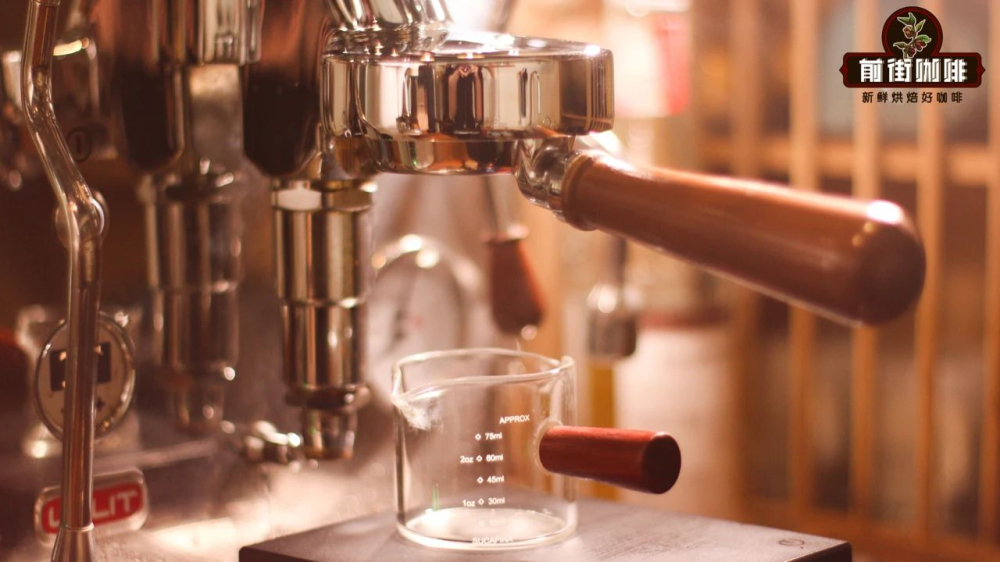
If the coffee liquid shows unpleasant off-flavors (such as grassy fishiness, excessive burnt aroma, or an almond-like astringency), a “segmented testing method” can be used to locate the problem segment: divide the target extraction yield (such as 40 g) evenly into three segments, and use three cups to catch the front segment (initial 13 g), middle segment (middle 13 g), and back segment (final 13 g) respectively. If the off-flavor appears only in the back segment, it indicates too many impurities in the tail end, and the extraction time needs to be shortened (reduce by 10-15 g of liquid); if off-flavors have already appeared in the front or middle segment, the grind needs to be readjusted (coarser or finer) to ensure even release of flavor substances.
Feedback of “weak coffee flavor” mostly stems from misuse of grind—many users habitually apply the grind setting for dark-roast beans directly to light-roast SOE, resulting in too-fast flow and insufficient extraction. Special attention is needed: because light-roast beans have a tighter cell structure, their density at the same roast level is higher than that of dark-roast beans, and the grind actually required is often finer (for example, dark-roast blends commonly use a setting of 2.1, while the same weight of light-roast Kenyan beans may need 1.6-1.8). In addition, the “intensity” of light-roast SOE is inherently weaker than that of dark-roast beans; forcing a comparison of body with the latter will instead cause you to overlook its refreshing and bright flavor advantages.
In summary, the key to making high-quality SOE lies in understanding “the flavor characteristics of a single origin” and “the dynamic adaptation of extraction parameters.” Starting from the basic dose-to-yield ratio, by observing flow rate, conducting segmented tests, and making targeted adjustments to grind and extraction yield, you can gradually find the best plan matching your goal (straight drinking/Americano/milk coffee). Remember, SOE’s charm lies precisely in its unique origin imprint—when you can precisely capture that touch of floral aroma, fruity acidity, or nutty finish from a specific estate, you have truly mastered the essence of single origin espresso.