Indonesian Mandheling Coffee: Origins, Processing, and Flavor Guide
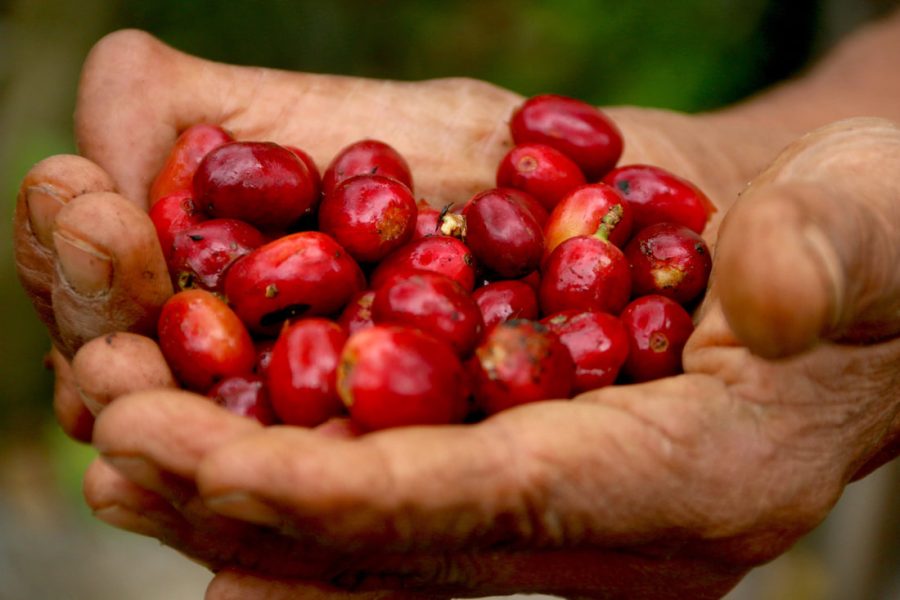
Introduction: Mandheling coffee, a representative variety of Indonesian coffee, is renowned worldwide for its unique spice and herbal notes. This article provides an in-depth analysis of the geographical advantages of Sumatra's core growing regions, the secrets of the wet-hulling process, compares the flavor differences among classic styles such as Golden Mandheling and Lintong Mandheling, and offers professional brewing parameter suggestions to help you fully grasp the characteristics of this Asian classic coffee.
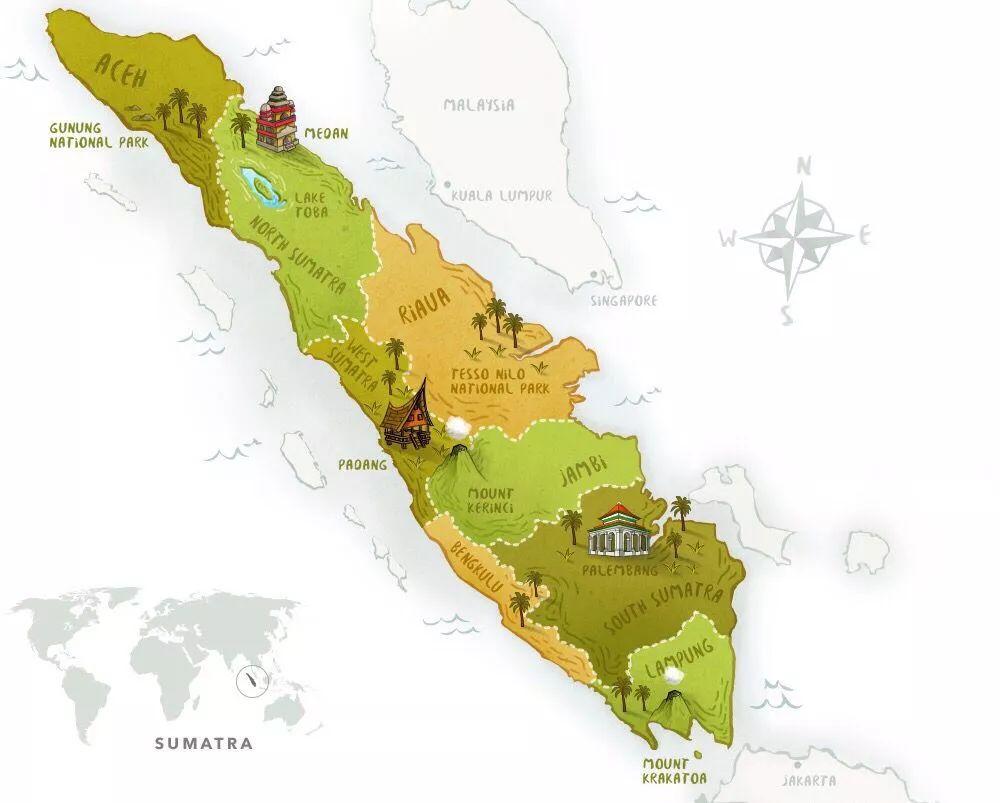
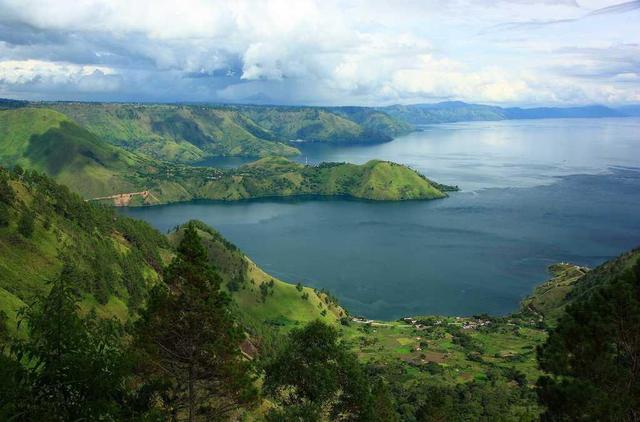
When it comes to Asian specialty coffee, Mandheling from Indonesia's Sumatra island is undoubtedly an iconic presence. This equatorial island, with its tropical rainforest climate, nurtures full-bodied Arabica coffee beans in a high-temperature, high-humidity environment. Notably, limited by an altitude ceiling of around 1500 meters, only 25% of local coffee is high-quality Arabica, with the rest mostly Robusta varieties adapted to lower altitudes.
The origin of the name "Mandheling" is quite dramatic. After World War II, Japanese soldiers stationed in Indonesia returned home and missed the local coffee. When they commissioned traders to purchase it, a language misunderstanding occurred—the local answer, the tribal name "Mandailing," was misheard as "Mandehling," which eventually became the exclusive name for this coffee. This misunderstanding gave rise to what is now a widely known coffee category.
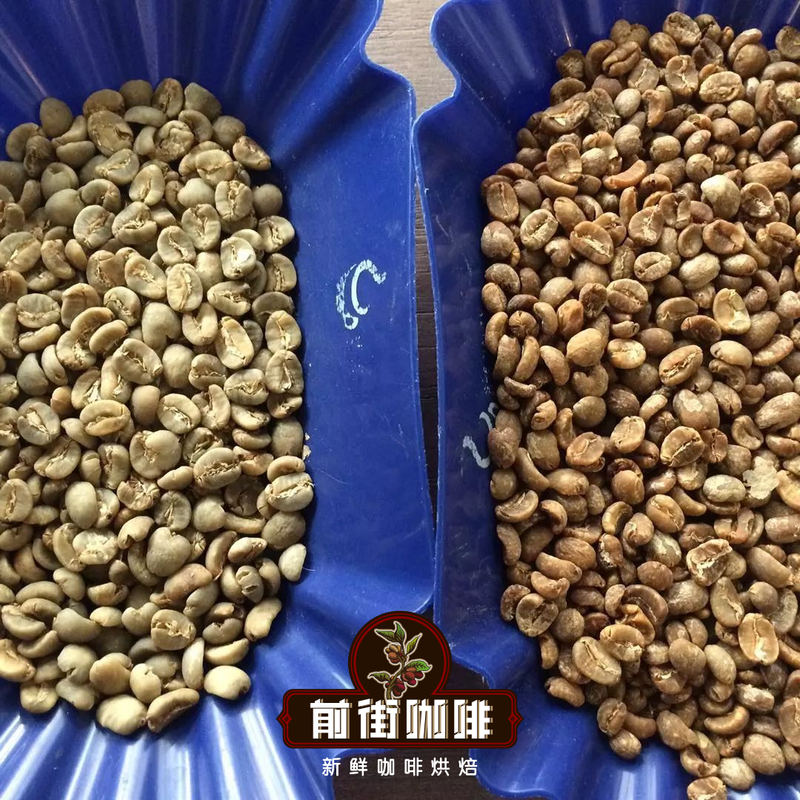
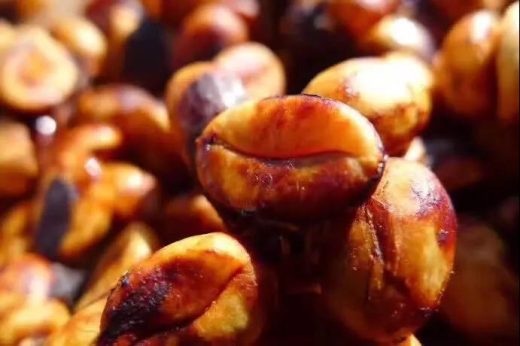
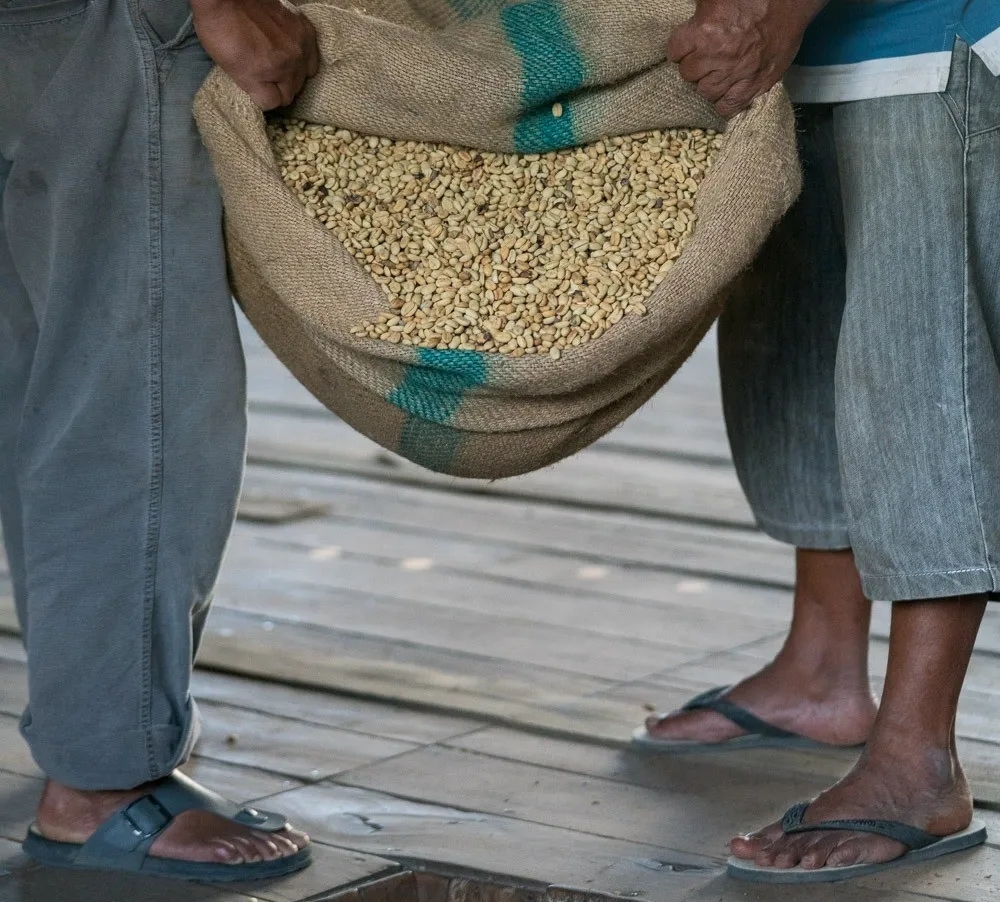
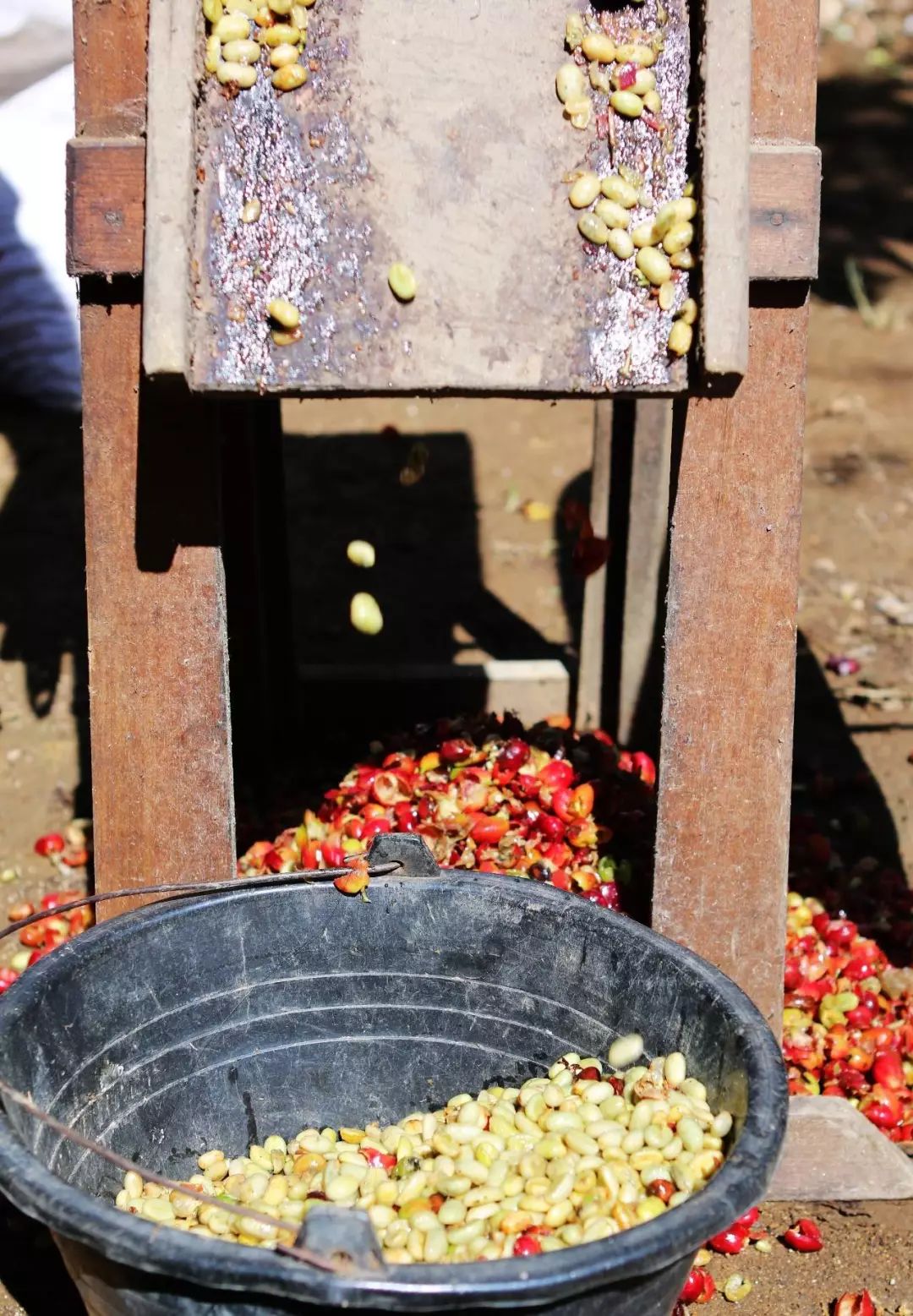
The soul of Mandheling's unique flavor lies in Indonesia's distinctive wet-hulling process. Unlike traditional washed or natural methods, this process removes the outer layer of the coffee fruit while the mucilage is semi-dry (at this point the bean is soft like a goat's hoof and easily damaged, forming the iconic "goat's hoof" pattern), then continues drying to a safe moisture content. This technique enhances the coffee's earthy, herbal, and spicy tones, creating the heavy mouthfeel that sets Mandheling apart from other regions.
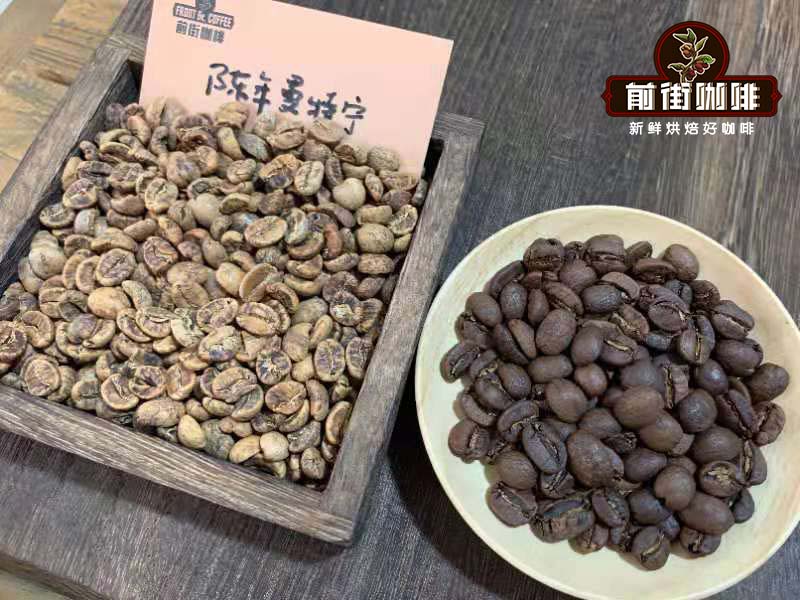
The wet-hulling process was born from Indonesia's rainy climate—frequent rainfall makes natural processing difficult, while economic constraints limited the popularity of the washed method. Although some estates now use more refined processing methods, wet-hulling remains the essence of Mandheling's flavor. Advanced enthusiasts may take note of aged wet-hulled coffee: green beans are stored for 2-3 years (in a cool, ventilated environment with regular turning), allowing acidity to convert into fructose, and the flavor tends toward deep caramel and woody notes.
The Indonesian coffee grading system is mainly based on defect rate and bean size:
• Grade G1 (top grade): ≤11 defect beans per 300 grams, no live insects or mold
• Grades G2-G6: allowed defect count increases progressively (up to 225)
• Core indicators: moisture content ≤12.5%, impurities <0.5%
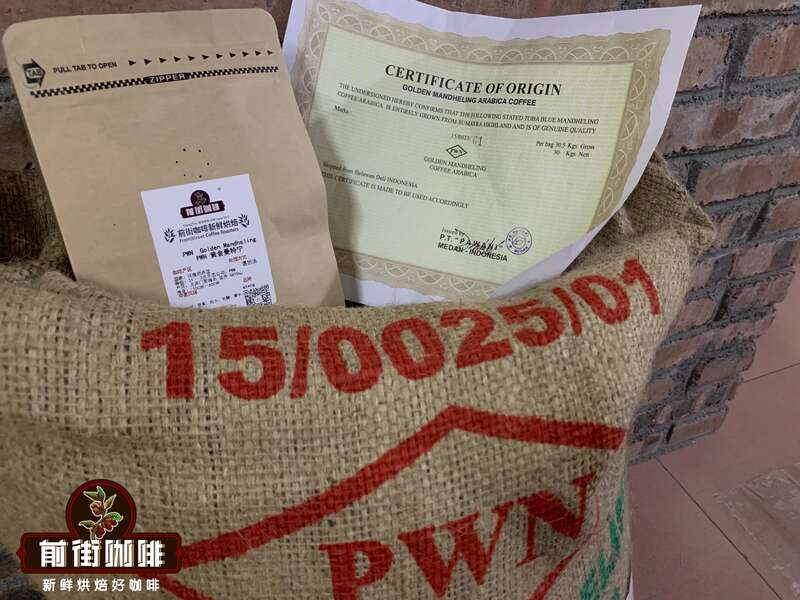
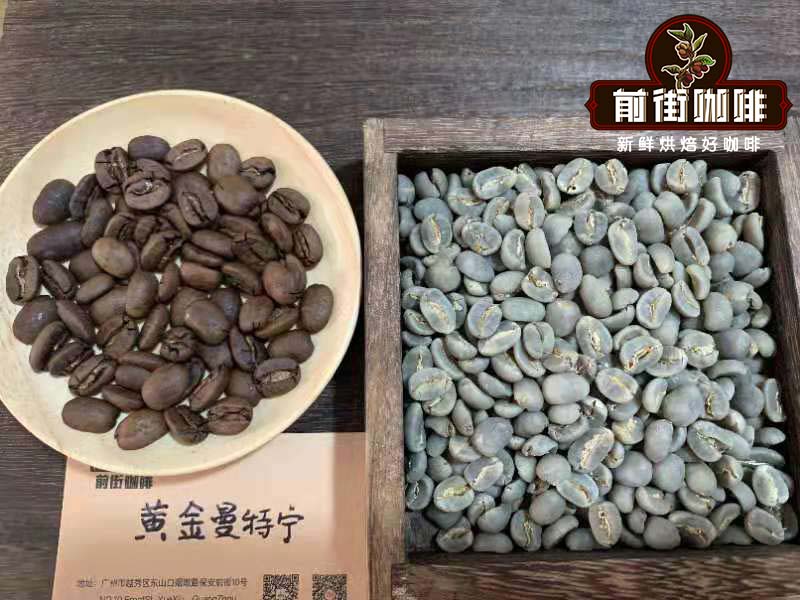
The commonly available Golden Mandheling is mostly Grade G1, requiring no more than 3 defects in a 300-gram sample, with dark green bean color and plump beans.
Flavor comparison of mainstream Mandheling products:
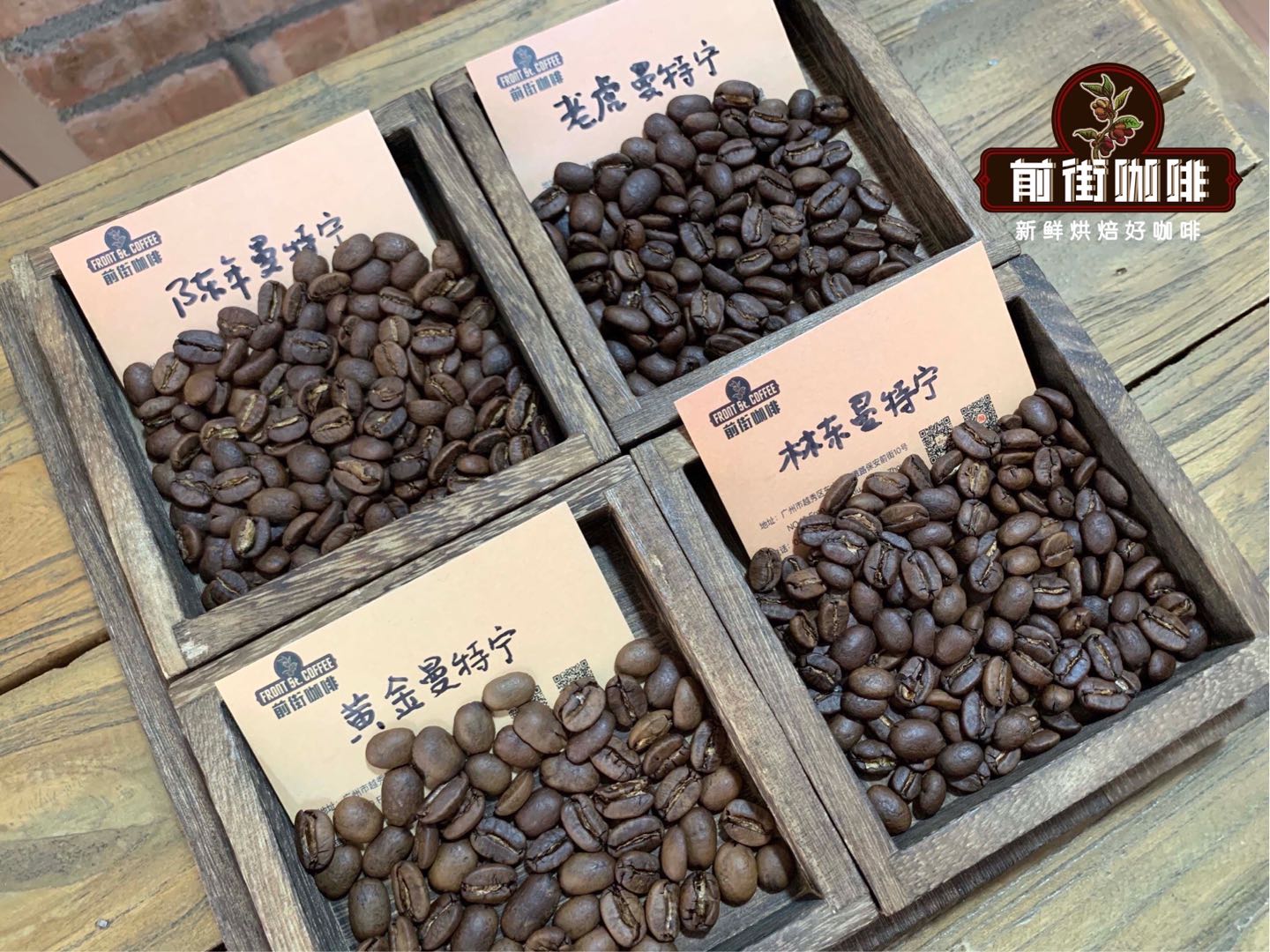
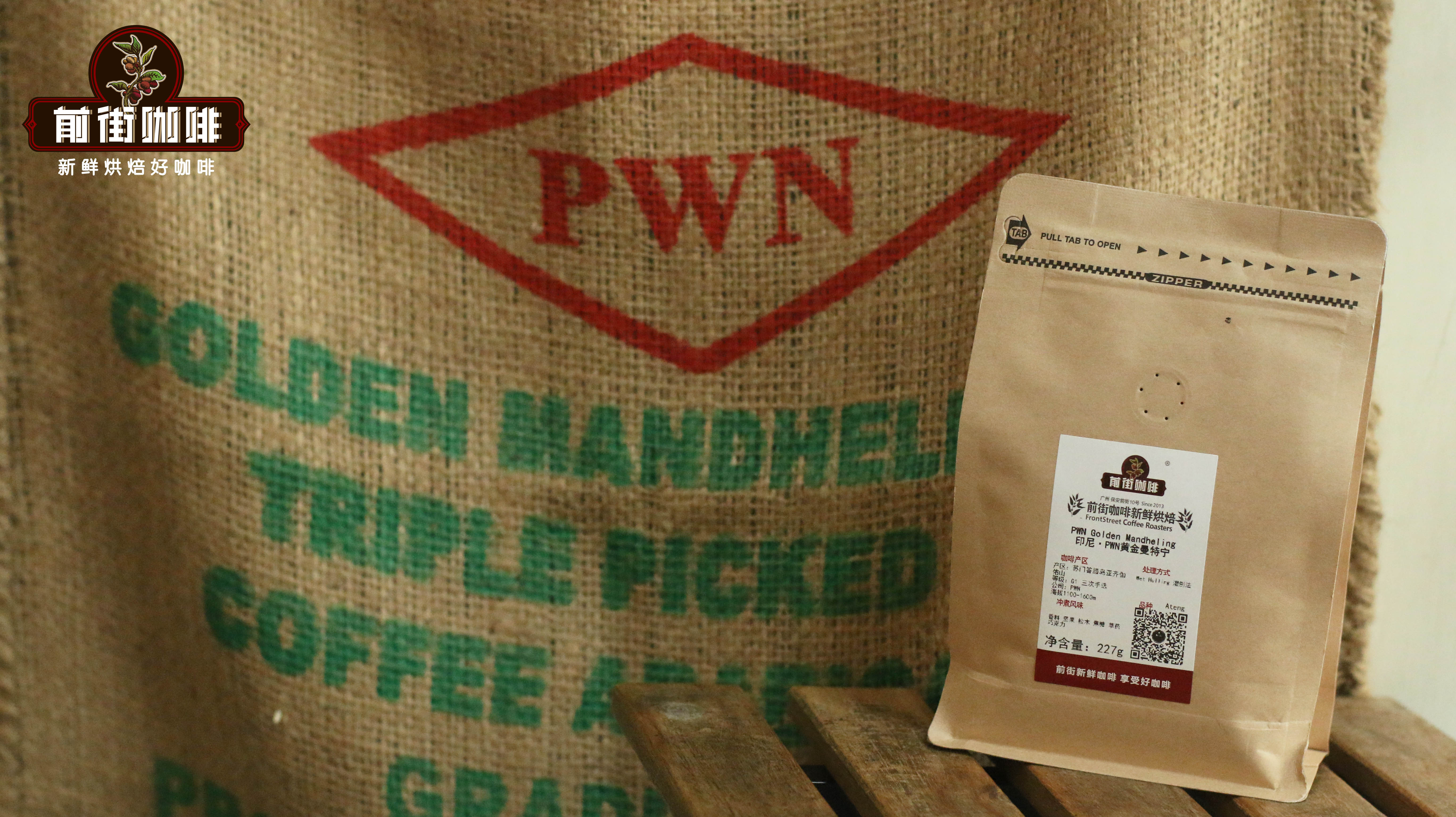
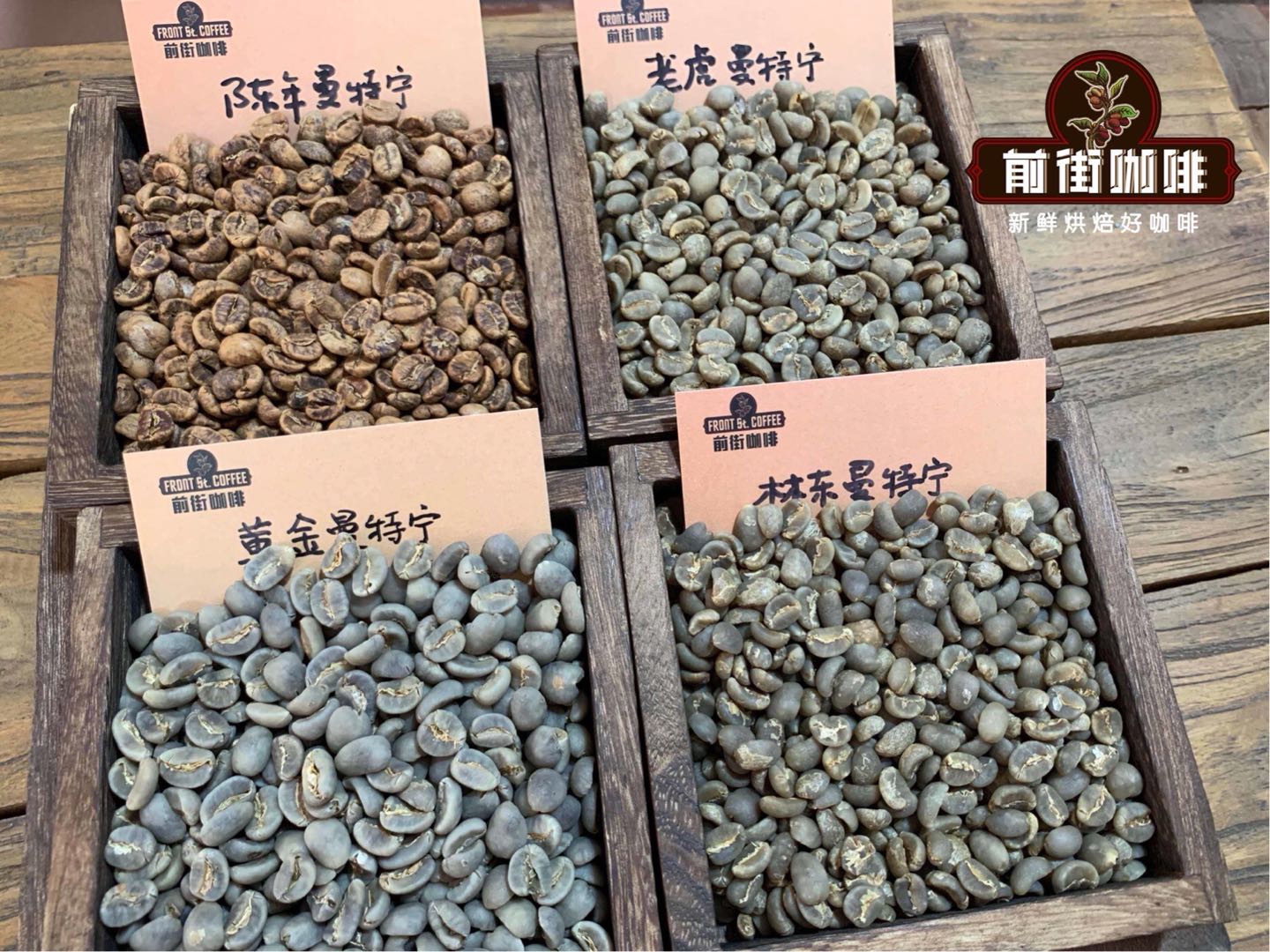
1. Golden Mandheling (Gayo Mountain, Aceh, 1100-1600 meters): uses the Ateng variety from a new region, wet-hulled to present distinct baked toast and pine aromas, with rich layers of nut and caramel flavors, and a clean, lingering finish at 70-75% grinder setting through a No. 20 sieve.
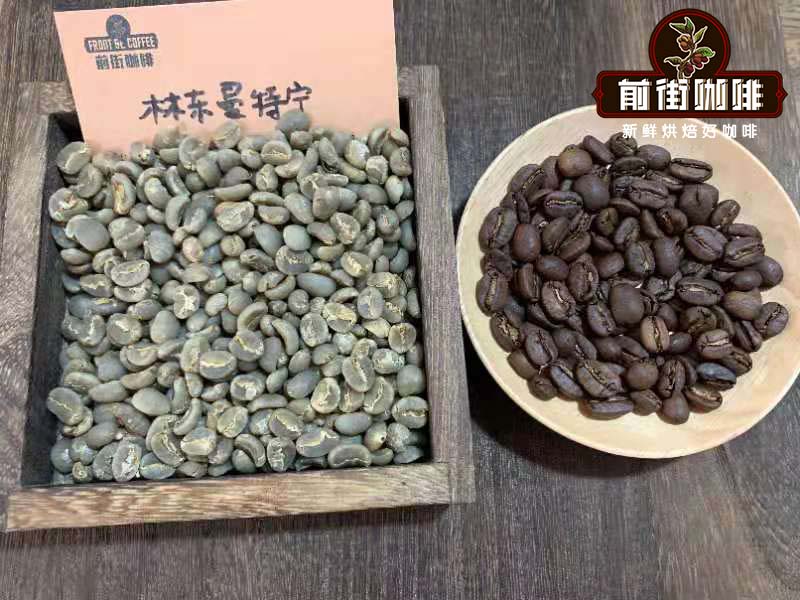
2. Lintong Mandheling (Lintong Hills, north-central): a mix of Typica and Caturra, classic wet-hulling brings low acidity and high body, with a balance of dark chocolate and herbal flavors.
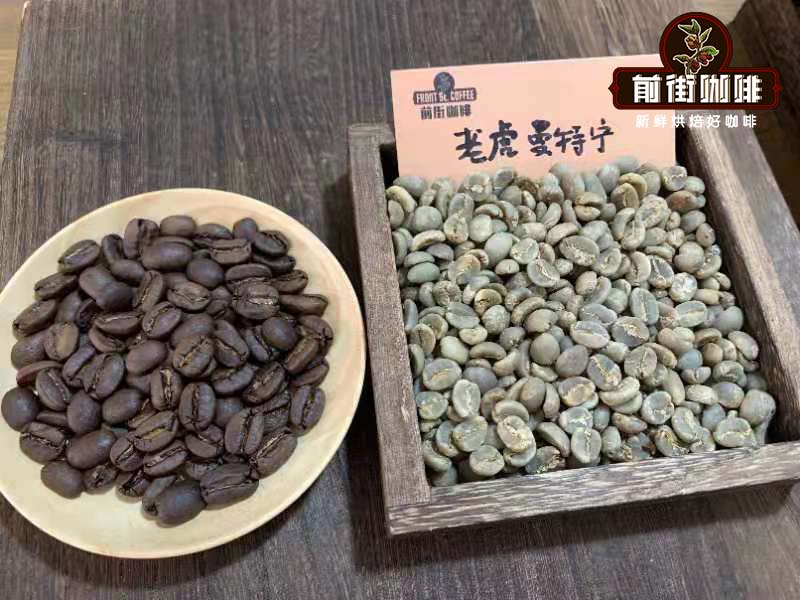
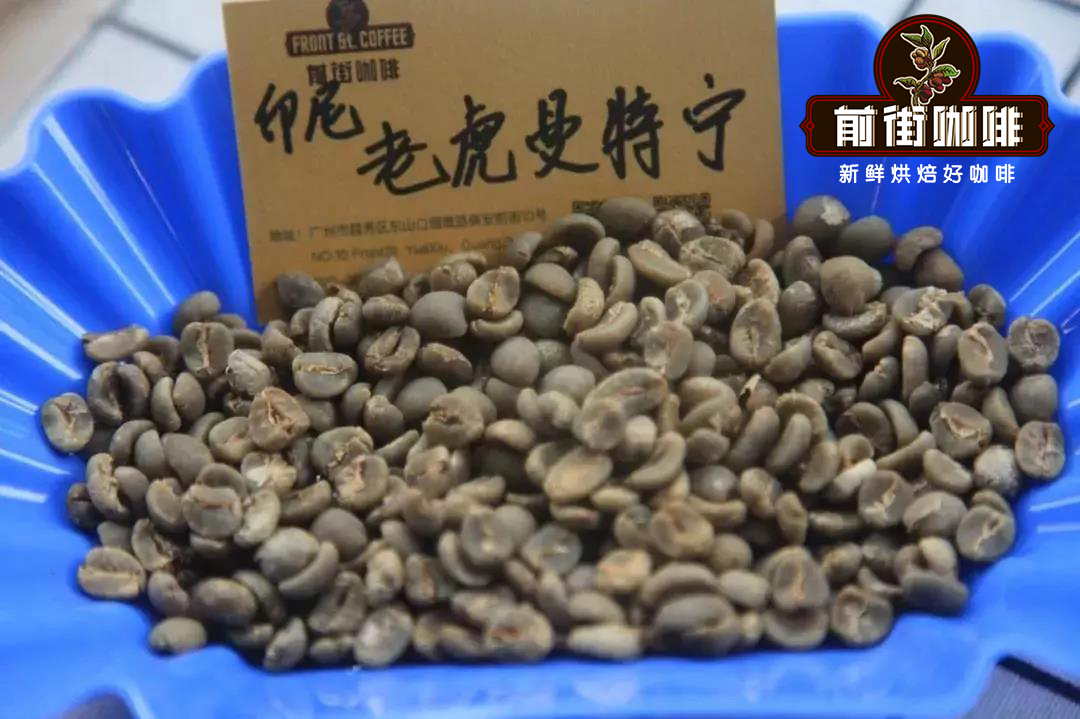
3. Tiger Mandheling (Tiger Estate, 1500 meters): a combination of Caturra and Sidikalong varieties, defect rate <4% for beans above screen size 17, prominent creamy and nutty flavors, with good acid-bitterness balance.
4. Aged Mandheling: Caturra/Catuai stored for 2-3 years, acidity significantly reduced, dominated by ripe pu-erh and malt sweetness; note that improper storage can easily produce off-flavors.
Professional brewing suggestions (general parameters):
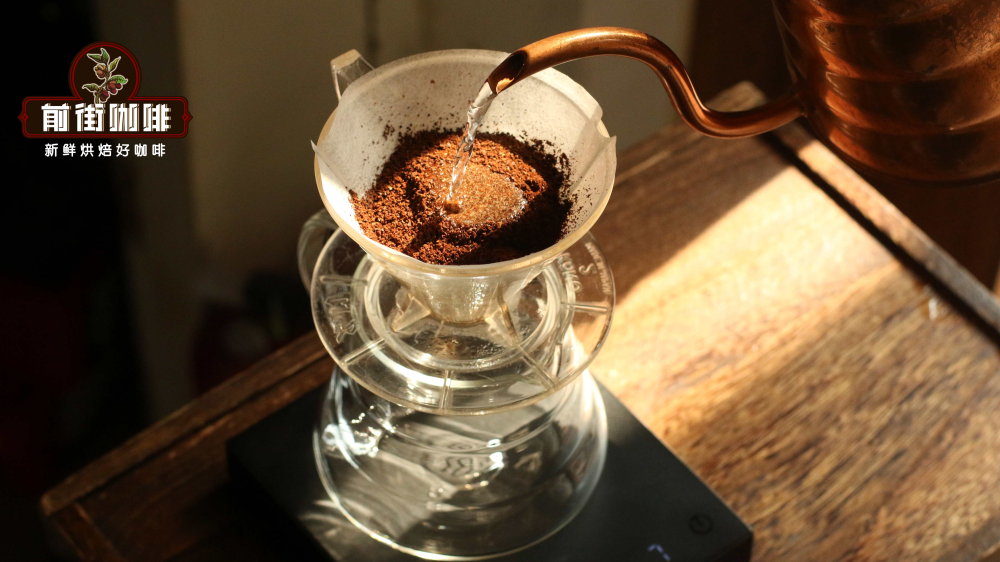
• Equipment: Kono/V60 dripper
• Coffee-to-water ratio: 1:15 (15 grams of coffee)
• Water temperature: 88°C
• Grind: 70-75% passing through a No. 20 sieve
• Method: bloom with 30 grams of water for 30 seconds → pour in stages to 225 grams (about 2 minutes for V60, 2 minutes 10 seconds for Kono)
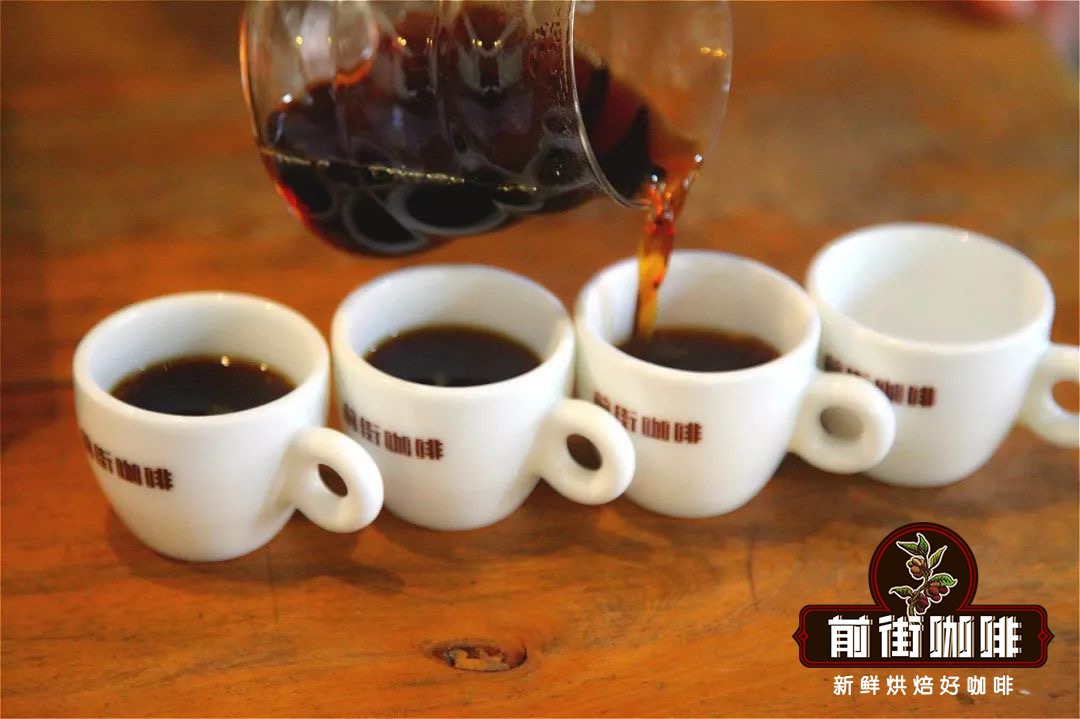
In actual tasting, you can perceive: the chocolate finish of Golden Mandheling, the herbal sweetness of Lintong, the balanced creaminess of Tiger Mandheling, and the mellow woody notes of the aged version.
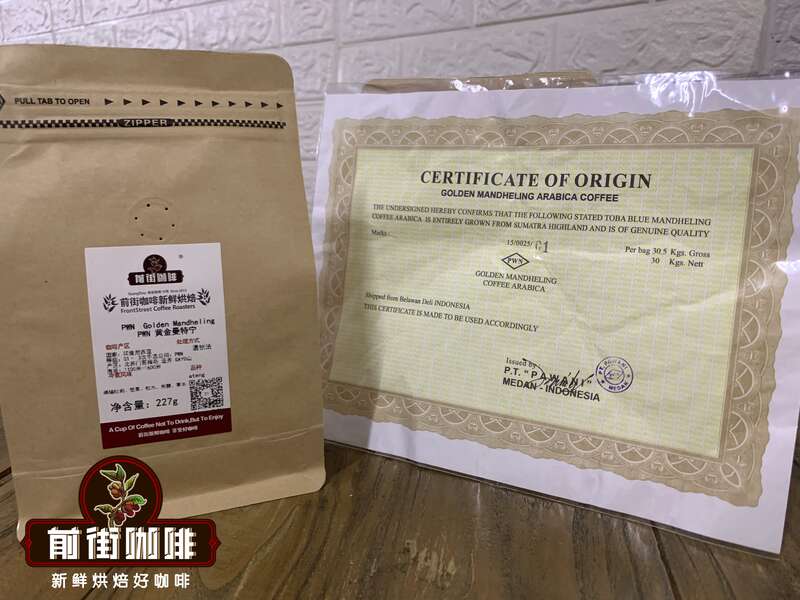
Purchasing tips: avoid products with obvious earthy or overly fermented aromas. For storage, use one-way valve sealed bags and place in a cool environment at 10-20°C; consume as soon as possible after opening to ensure freshness.